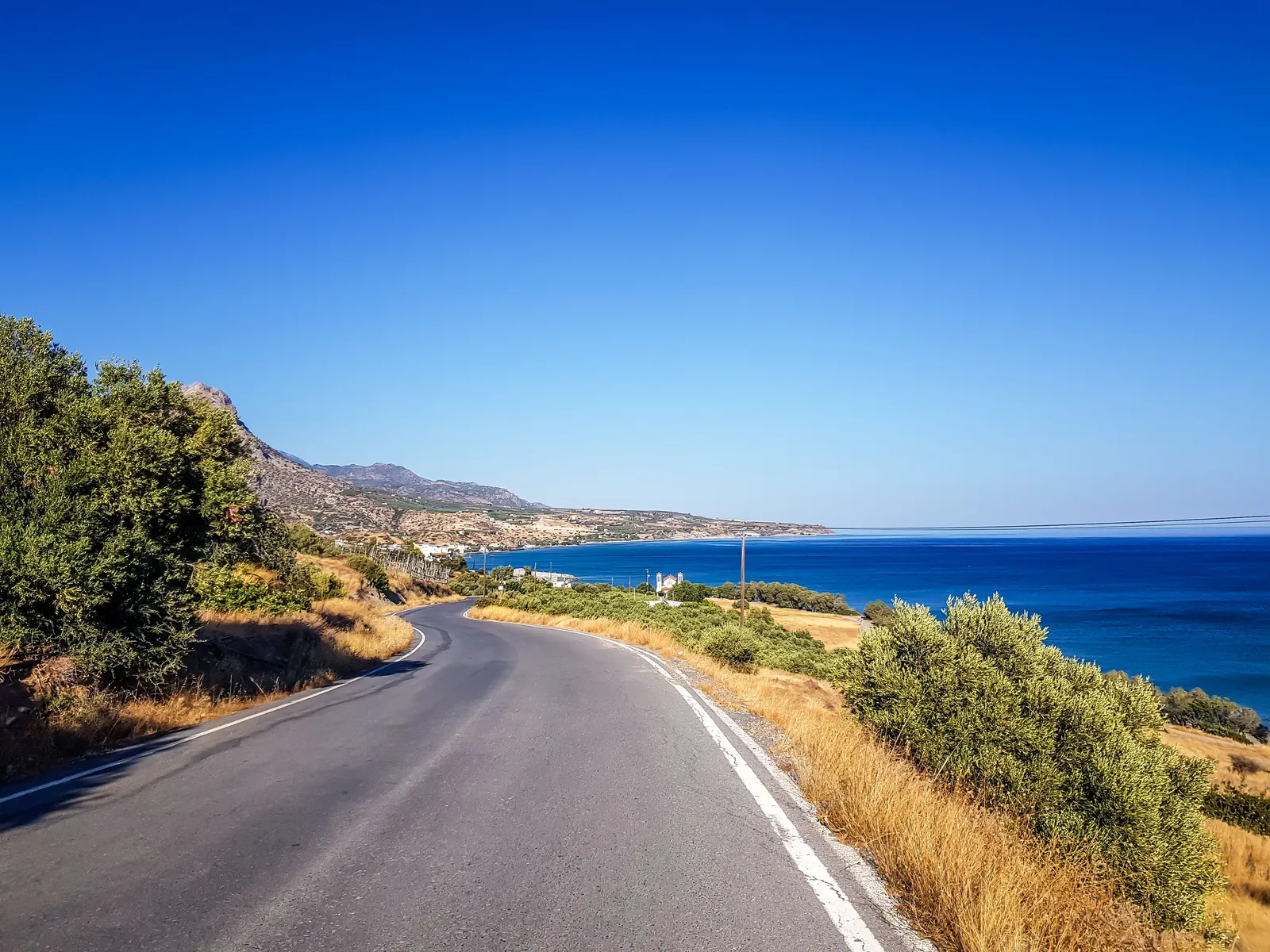
Crete is the island where people confidently book a hire car for a week and then spend most of it looking at the road. It is large enough to behave like a small country, with a mountain spine that refuses to let you cut across the middle, and the honest planning question is not what to see but how much driving you are willing to do between the things you see. This is a week from Chania heading east, written around the drive times rather than the highlights.
How long Crete really takes
Crete runs roughly 260 kilometres from the far west to the far east. On the north coast road, which links Chania, Rethymno, Heraklion and Agios Nikolaos, that translates to about four and a half to five hours from Chania to Sitia without stops, and closer to five or six hours if you start and finish at the genuine extremities of the island.
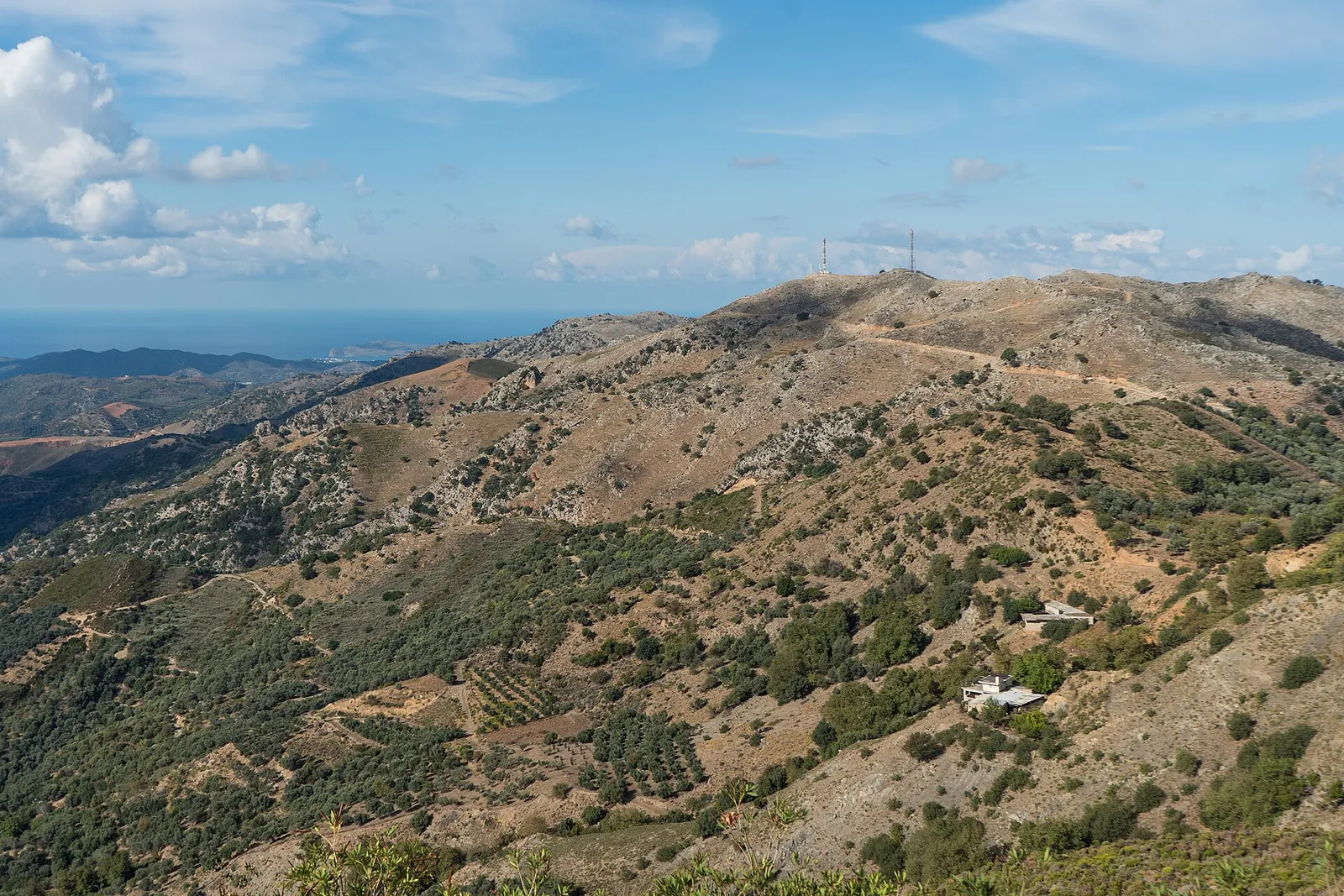
That is the fast part. Everything else runs at a different speed, and this is the number people get wrong: a mountain or south coast leg can take twice as long as the same distance on the north coast. The road to a village fifty kilometres inland is not a fifty kilometre drive in any meaningful sense, because it climbs, switchbacks and drops through gorges, and you will stop for the views whether or not you planned to.
Two practical consequences follow. First, use the north coast road for the transfers and save the slow roads for the days themselves. Second, resist the urge to change hotel every night. Our complete guide to Crete makes the same point from the other direction: a single week realistically covers about half the island, and trying to cover all of it turns the holiday into a commute.
The week in outline
| Days | Base | The driving |
|---|---|---|
| 1 to 2 | Chania | Short west coast runs, one long beach day |
| 3 to 4 | Rethymno | Mountain and south coast detours |
| 5 to 7 | Heraklion or Agios Nikolaos | Knossos, the plateau, the east |
Three bases in seven days is the compromise that works. Two is calmer but leaves the east untouched; four means packing every morning.
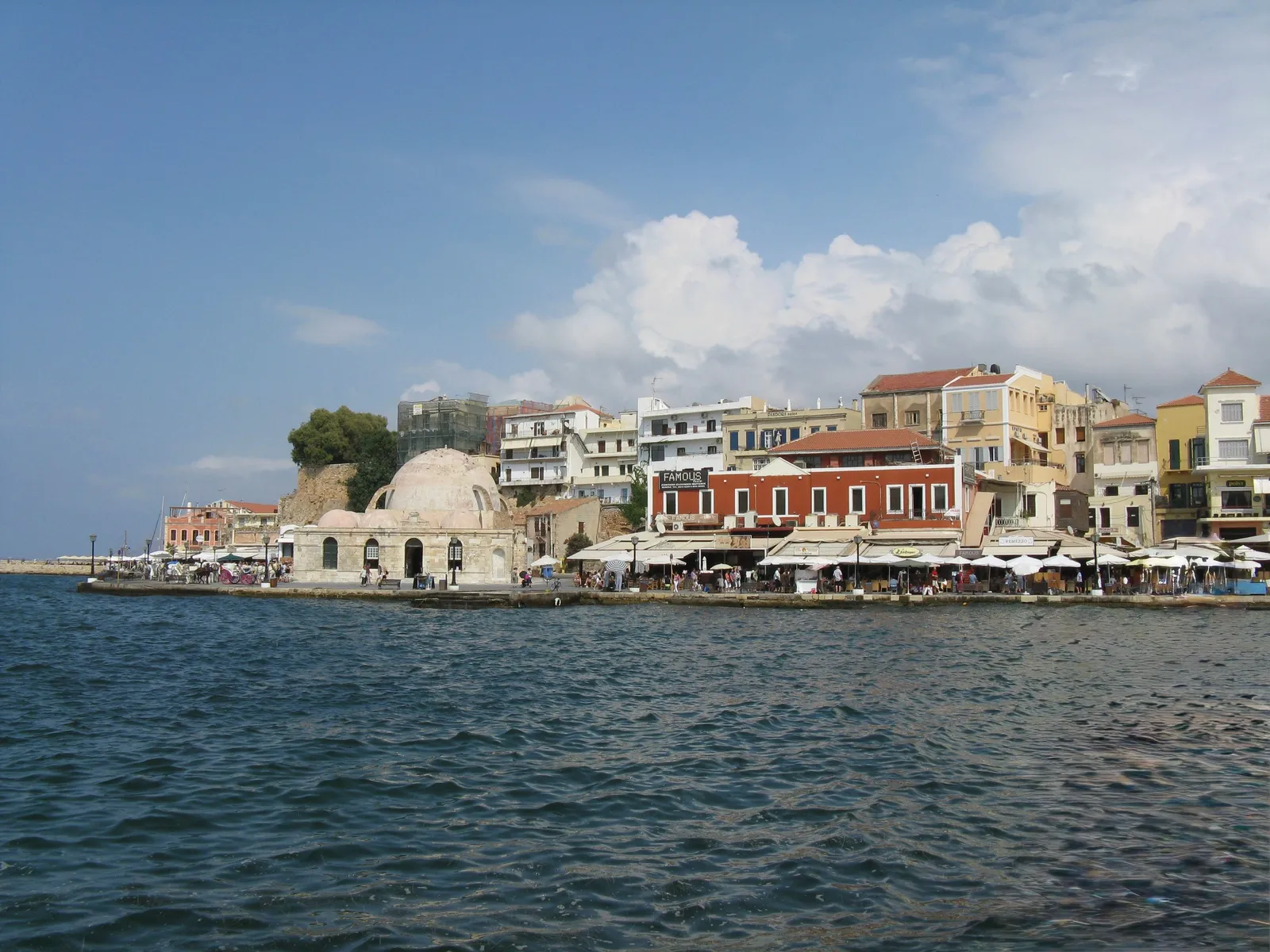
Days 1 and 2: Chania and the west
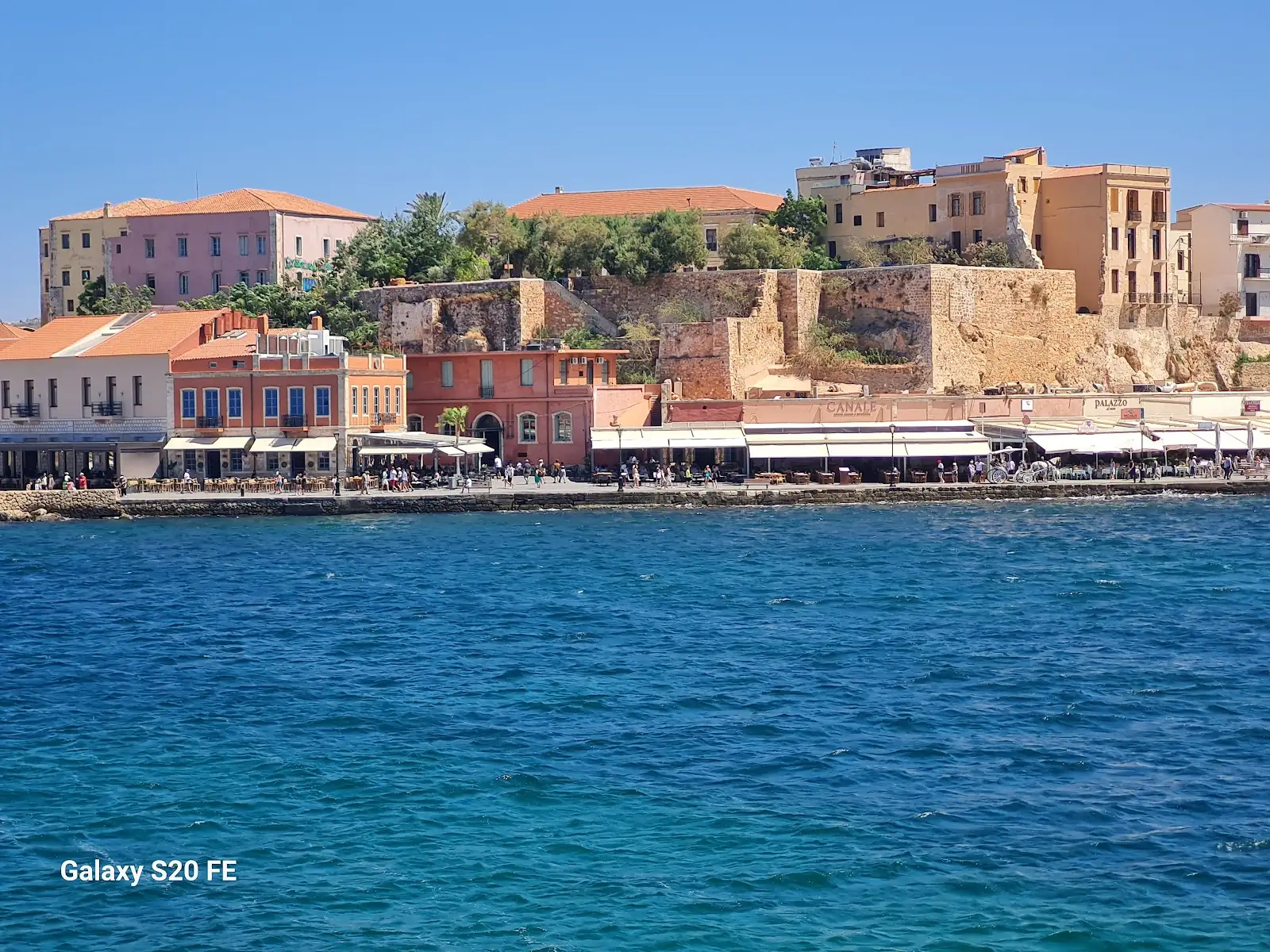
Chania is the town that makes people fall for Crete, and it is the right place to start because the drives from it are short. The Venetian harbour and the lanes behind it are worth an evening on foot, and the car can stay parked for the first night.
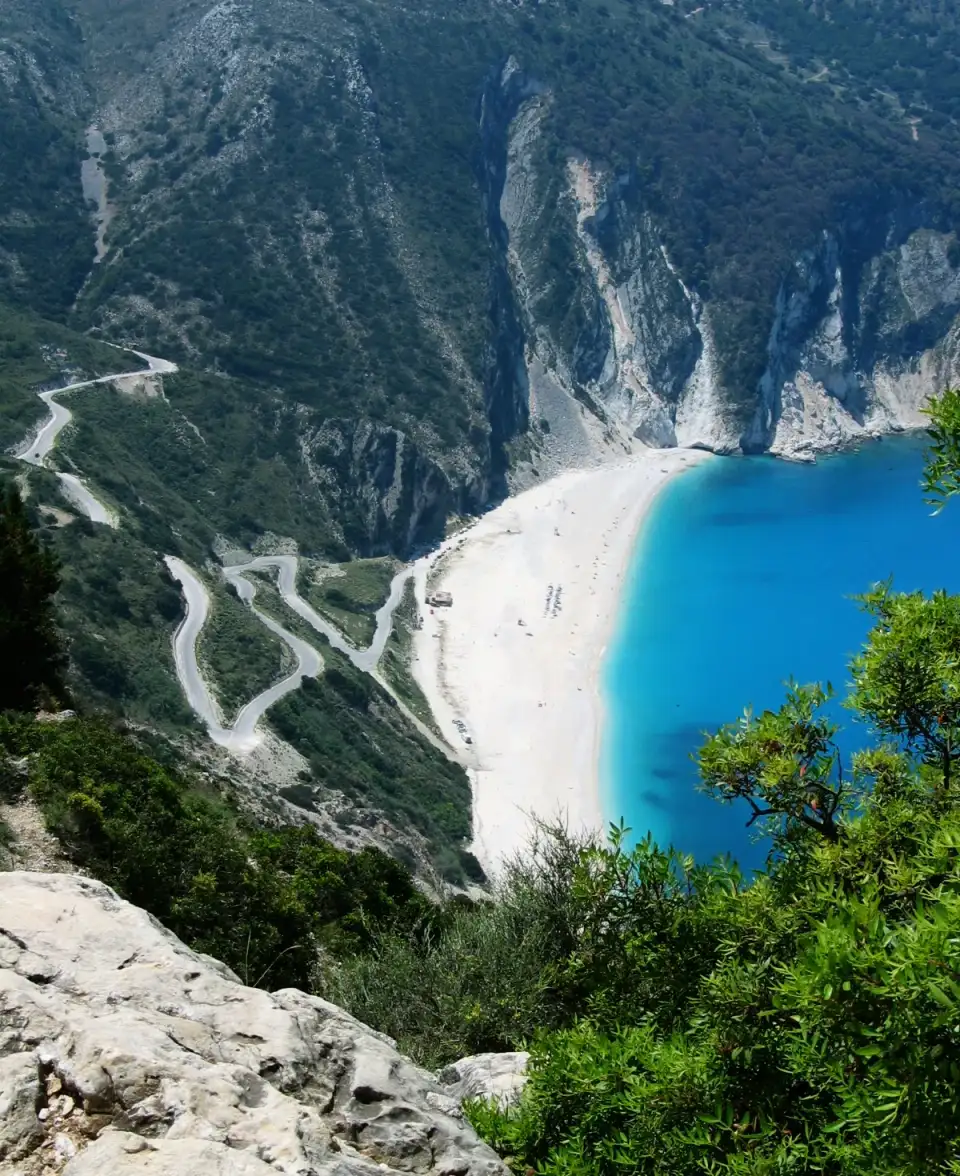
The west coast beaches are the draw. Elafonisi in the southwest is an easy paved drive of roughly two hours from Chania through the mountains, with a large car park at the end of it. Balos is the harder one: the road out to it finishes as a rough track, which brings the rental terms into play, and the alternative is the boat from Kissamos, which is seasonal and does not sail in high wind. Check what is running on your dates rather than assuming.
The Samaria Gorge is the other headline in this half of the island and it is also seasonal, generally open across the warmer months and closed outside them, with short notice closures after heavy rain. It is a full day walk that ends at a village with no road, so it does not combine with a driving day at all.
Days 3 and 4: Rethymno, the mountains and the south
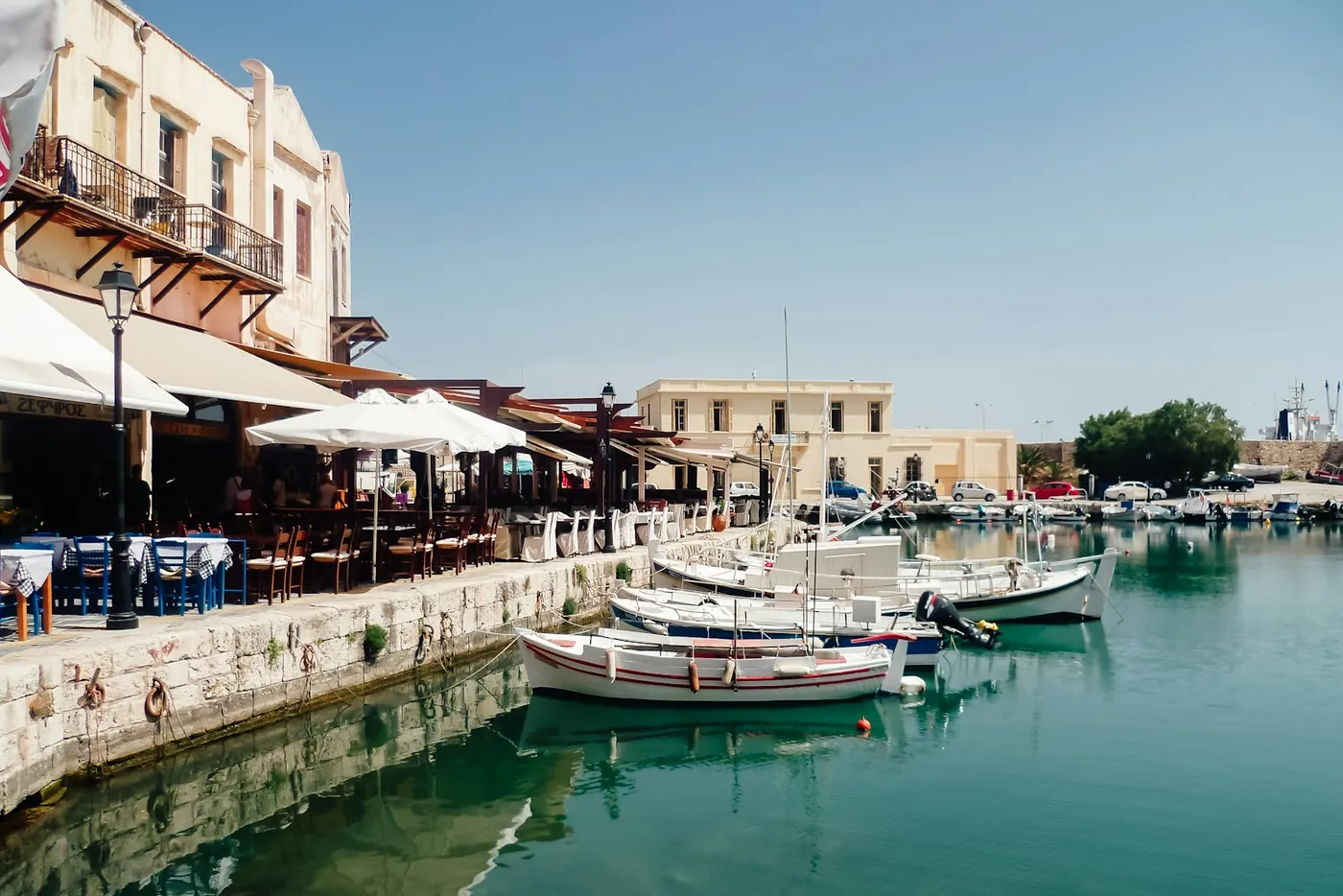
Rethymno is about an hour east of Chania on the main road, and it is the base with the best access to the slow interior. The old town is smaller and more livable than Chania’s, and the beach runs straight out of it.
From here the good driving starts. The Amari valley south of the town is a loop of hill villages, olive groves and views up to Psiloritis, the island’s highest mountain, and it is the drive to do if you want the Crete that is not on the coast. Arkadi Monastery sits on the way and carries real weight in Cretan history. Further south, Preveli and the beaches around Plakias are the reward for crossing the spine, and the descent to them is the moment the twenty minute estimate on your phone stops being credible.
Days 5 to 7: Heraklion, the plateau and the east
Heraklion is an hour to an hour and a half further east and is the island’s transport hub rather than its prettiest city, but it holds two things you should not skip: the Archaeological Museum, which is world class, and Knossos just outside town. Go to the museum first if you can, because the site makes far more sense afterwards.
East of Heraklion the island empties out. Agios Nikolaos is a pleasant lagoon town and the natural eastern base, roughly an hour on from Heraklion, and from it you can reach Spinalonga, the fortified island in the bay, by boat. Inland, the Lasithi plateau is a high bowl of farmland ringed by mountains, a genuinely slow climb and a good half day. Far out at the eastern tip, the palm beach at Vai is a long drive that stays calm precisely because of that distance.
Hire the car for the driving days, not the town nightsPicking up on the morning you leave Chania avoids paying for a parking problem you did not need for the first two nights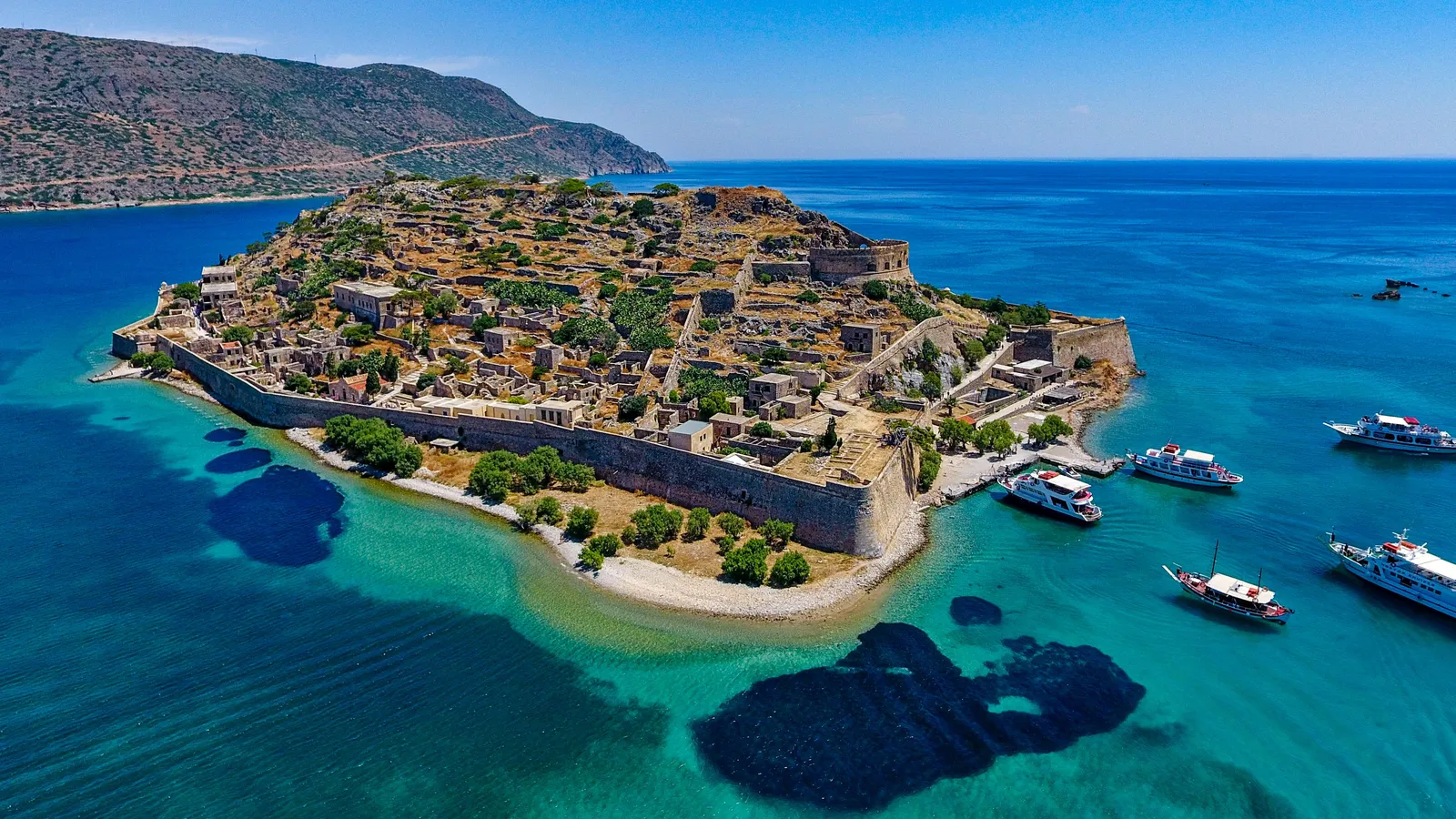
The driving itself, and what the contract says
The unpaved road exclusion is the one that costs people money. Almost every standard Greek rental agreement excludes damage sustained on dirt tracks, and on Crete several of the best beaches sit at the end of one, so the drive you assumed was part of the holiday is the drive that voids your cover. Our guide to car hire in Greece sets out that clause, the usual excess exclusions on tyres, the underside and the windscreen, and why photographing the car in detail at pickup is not paranoia.
On licences, requirements depend on the country that issued yours, and rental desks and police can take different views. Confirm what your own licence requires with the rental company and an official source before you travel, rather than relying on a forum answer.
A small car is the right car. Village streets and switchbacks were not built for anything wide, and parking in the old towns is genuinely difficult in July and August. Use the signposted car parks at the edge of Chania and Rethymno rather than hunting the centre.
Pace it. Add margin to every estimate, never plan a mountain crossing after dark, and treat livestock, scooters and sudden potholes as normal features of a good road rather than surprises. For choosing the towns themselves, our Crete accommodation guide covers what each base actually puts within reach, which on an island this size is the decision that shapes the whole week.