Greece is not an expensive country to travel in, but it has quietly acquired a set of charges that do not appear in the number you agree to when you book. None of them is large on its own. Together they are enough to make the final bill look wrong if you were not expecting them, and the most common of them is collected in cash or on a card at the hotel desk after you have already paid for the room online. Here is the full list, and what is genuinely worth budgeting for.
The fee on your accommodation bill
The Climate Crisis Resilience Fee, often shortened to TAKK, has applied to overnight stays in tourist accommodation across Greece since the start of 2024. Its rates were raised at the beginning of 2025 and have not changed since, so the 2026 figures are the same ones that applied last year.
Two things about it matter more than the number. First, it is charged per room or per property, per night, not per person. A couple and a family of four in the same room pay the same. Book two rooms and you pay it twice. Second, it applies to every visitor regardless of nationality. There is no passport-based exemption, nothing to register for and nothing to reclaim.
The rate depends on the category of the accommodation and the time of year, running from roughly 0.50 EUR to 15 EUR per night. The law splits the year into two seasons, April to October and November to March, and the high season rates are far higher than the winter ones. A modest room in February sits at the bottom of that range and a five star hotel or a large villa in August sits at the top.
Why the online room rate is not the total
The fee is billed separately at check-in and is not included in the online room rate, which is the single most common source of confusion for visitors to Greece. Booking platforms show the room, the property collects the fee, and the two numbers never meet until you arrive.
This is normal practice rather than a scam, and the property has no discretion about collecting it. The practical response is simply to treat it as a known daily extra. If you want the exact figure before you travel, ask the property what rate applies to their category on your dates, because they know and the booking site often does not display it clearly.

The cruise levy, if you arrive by ship
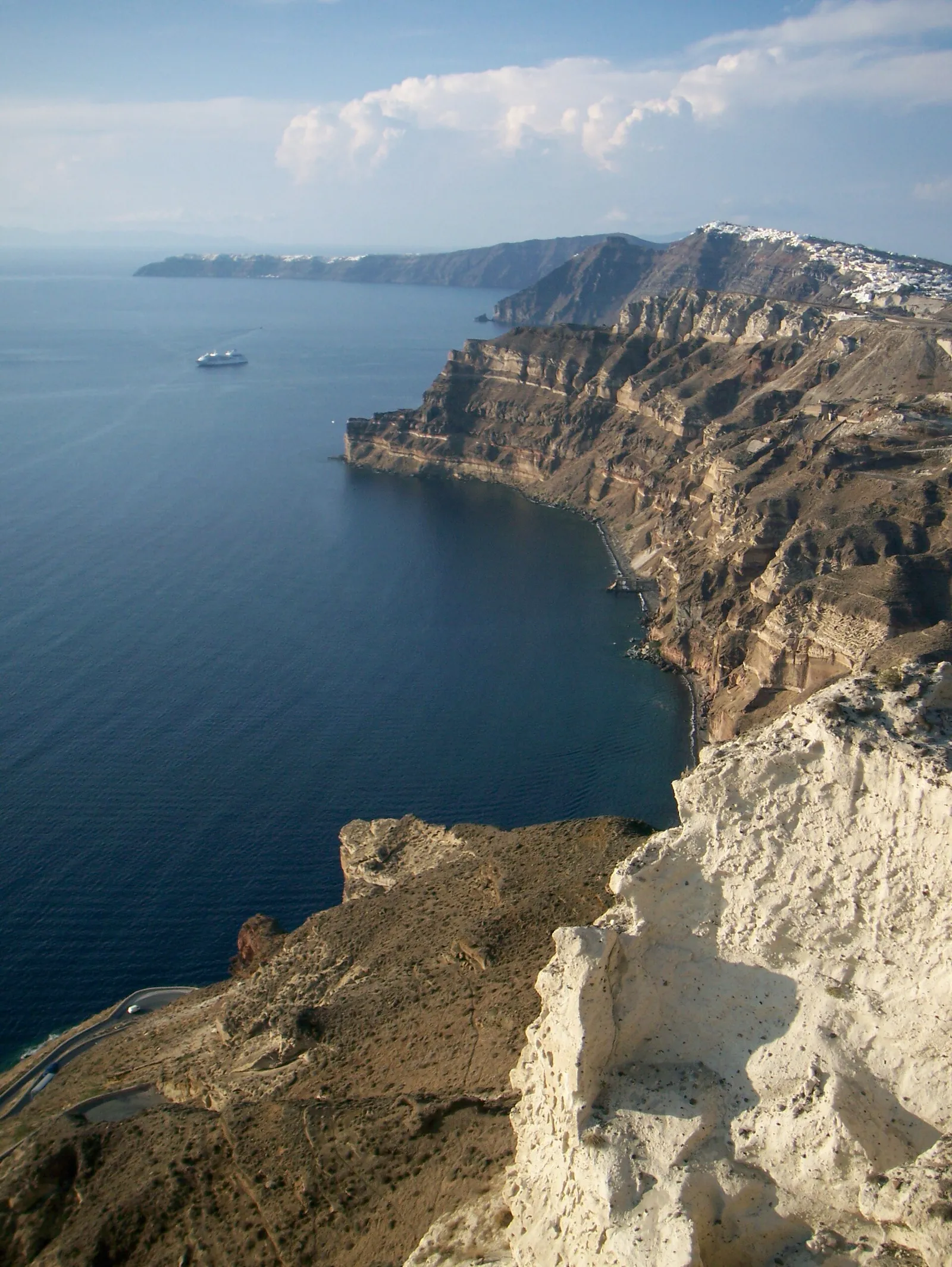
Greece charges a per passenger levy on cruise arrivals, and Santorini and Mykonos sit in a much higher band than everywhere else. At those two islands it is 20 EUR per passenger from June to September, 12 EUR in April, May and October, and 4 EUR from November to March.
Every other Greek cruise port, including Piraeus for Athens, charges considerably less in each of those seasons, in the low single figures per passenger. The exact figure for a specific port and month is worth confirming with your cruise line rather than assuming, since the tiers differ.
You will not usually pay this ashore. Cruise operators collect it through the onboard account, so it appears on your ship bill rather than as a payment at the quay. If you are choosing between itineraries, note that the levy is one of several measures aimed at the crowding on those two islands, and our Santorini guide covers what a cruise day there actually looks like.
Museum and archaeological site tickets
Site entry in Greece is charged individually, and the days of one ticket covering everything in Athens are over. The Acropolis costs 30 EUR for a standard adult ticket, and entry runs on a compulsory timed slot: you choose a time when you buy, rather than arriving and joining a queue.
This is a flat charge and it is not passport-dependent. Reduced and free-entry categories do exist, but the eligibility rules have changed in recent years, so check them on the official Hellenic Ministry of Culture ticketing platform rather than relying on older advice. Buy there too if you want the standard price, since resellers bundle and mark up. The old combined ticket covering the Acropolis plus the other main Athens sites was discontinued, so the Ancient Agora and the rest are now separate purchases. Our guide to visiting the Acropolis covers slot timing in detail.

The smaller charges that add up
Beyond the taxes proper, a few habitual extras catch people out. Ferry fares vary enormously between the slow boats and the fast catamarans for the same route, and port fees are built into the fare rather than added afterwards. Airport charges are bundled into the air ticket. Card surcharges appear occasionally at small businesses, and some tavernas still prefer cash for small bills.
On beaches, sunbeds and umbrellas are a rental charge rather than a tax, and organised beaches vary widely in what they ask. Treat every one of these as volatile: prices, frequencies and opening hours in Greece change between seasons and between years, so confirm current figures with the operator or the official source close to your travel dates rather than trusting any number you read months ahead, including here.
What to actually budget
Work it out in this order. Multiply the nightly accommodation fee for your category by nights and rooms, since that is the one charge you pay every single day of the trip. Add the site tickets you actually intend to use, remembering they are separate purchases. Add the cruise levy per passenger if you are arriving by ship. Everything else is ordinary travel spending rather than a fee.
For a typical two week trip staying in mid-range rooms, the taxes described here are a modest line rather than a significant one, and the real variables remain transport, restaurants and the islands you choose. Our Greece budget guide sets out what the rest of a trip costs day to day.