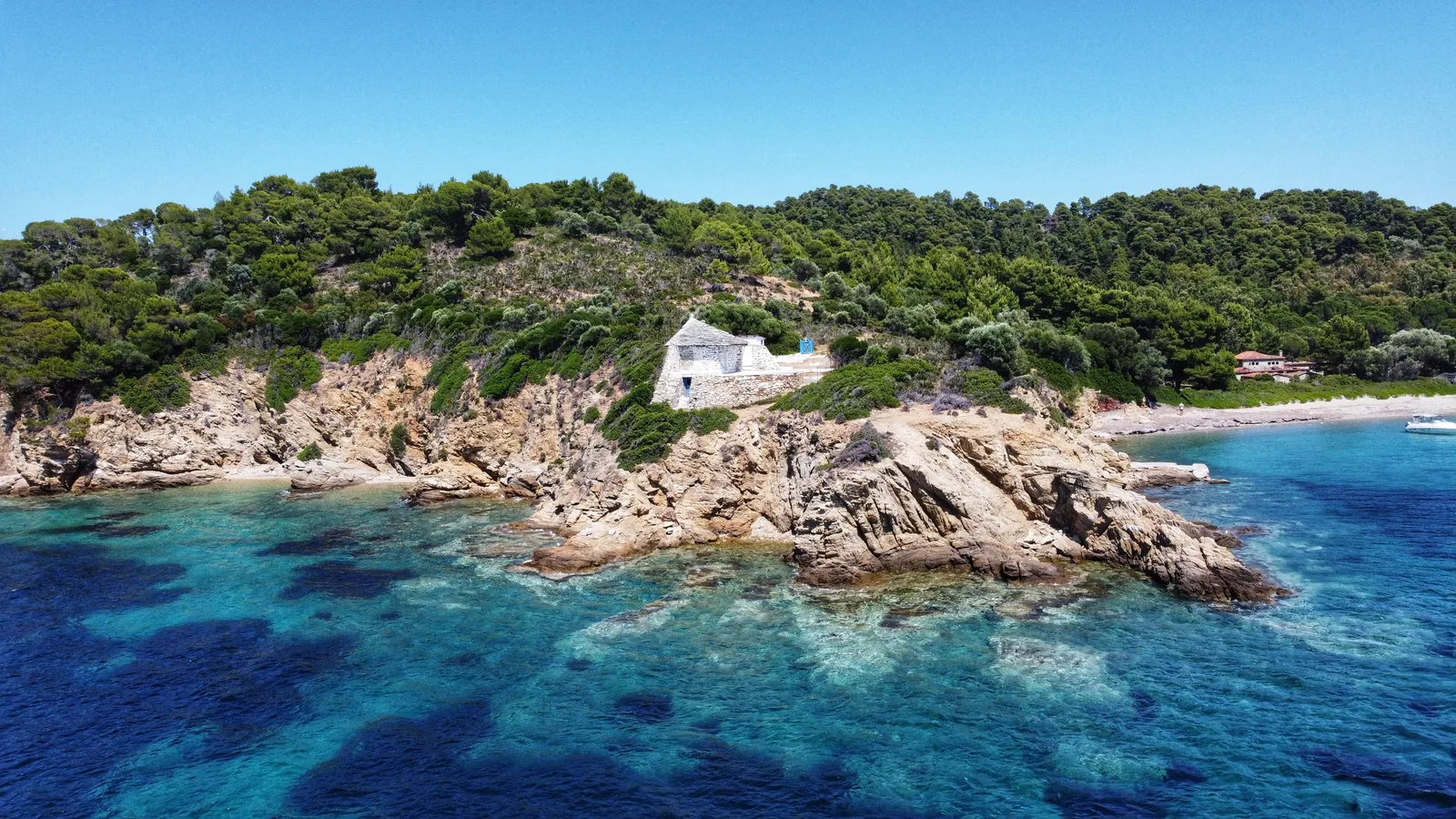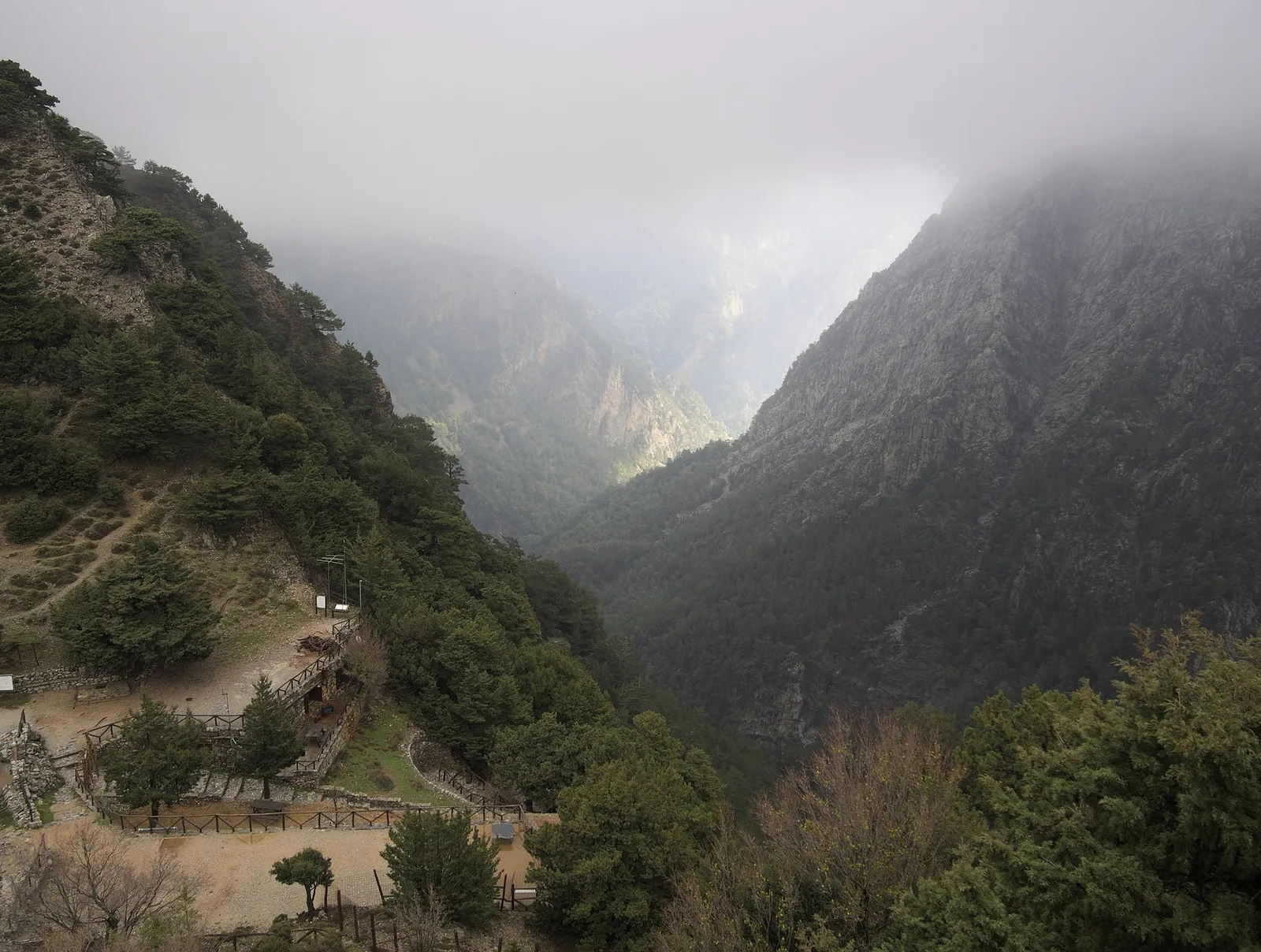
Greece has more coastline than almost any country in Europe, scattered across thousands of islands and a long, indented mainland, so the hard part is not finding a beautiful beach, it is choosing between them. This is a tour of the best, from famous postcard coves to the quiet stretches locals keep for themselves, with a sense of which island suits the beach holiday you actually have in mind. One practical note runs through it: a handful of Greece’s most photographed beaches now sit under access restrictions for landslide risk, so it is worth checking the current position on any beach you are planning a whole day around.
Crete: the pink-sand lagoons
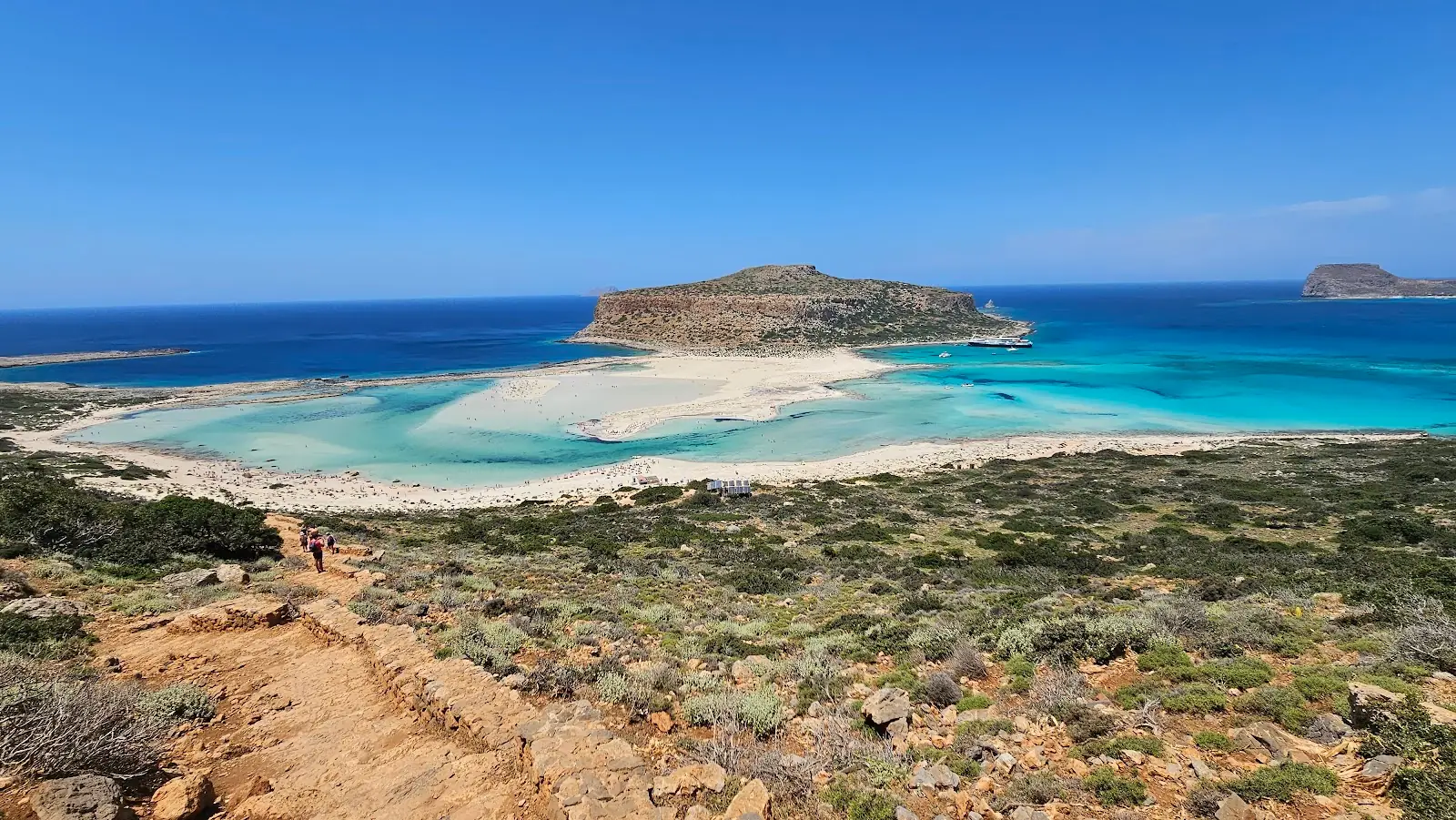
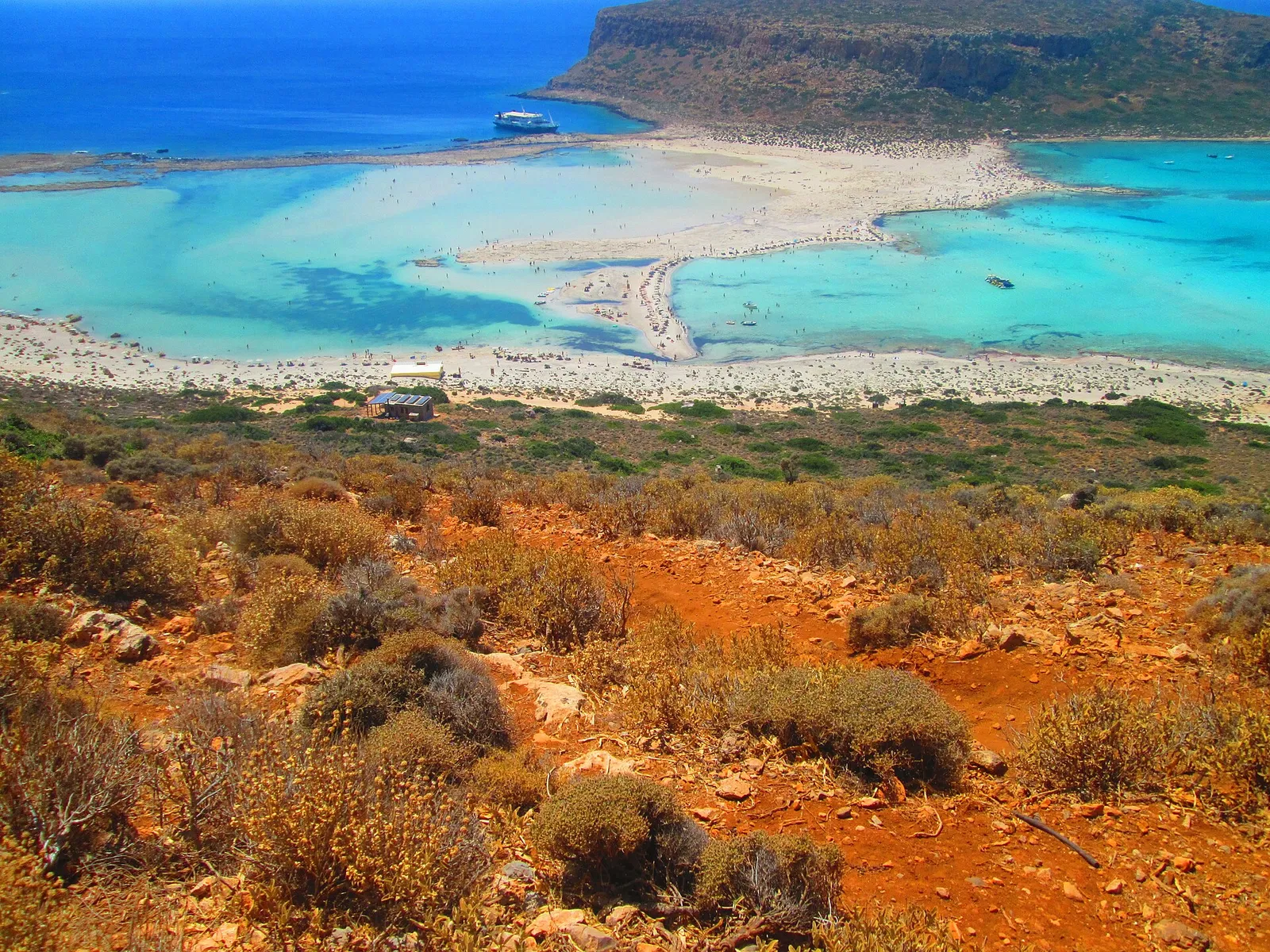
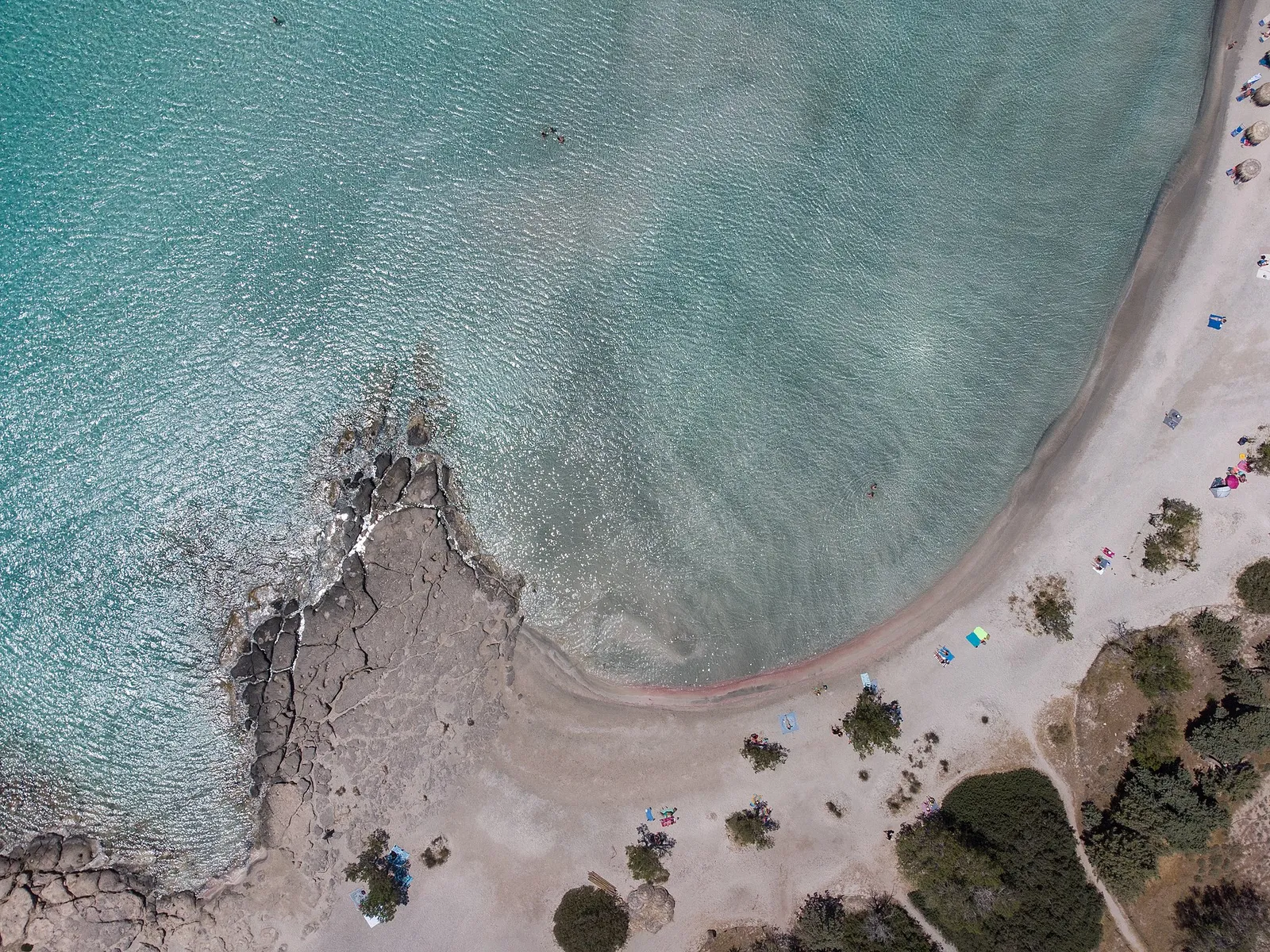
Greece’s biggest island has beaches worth flying in for on their own. Elafonisi, on the southwest tip, is a shallow, warm lagoon where the sand blushes pink and you can wade far out into water barely knee-deep. Balos, in the northwest, is a wild, spectacular lagoon of white sand and three shades of blue, reached by a rough track or, more easily, by boat. On the south coast, Preveli hides a palm-lined river mouth that opens onto the sea.
Crete is big, so rent a car and treat the beaches as a road trip. You will not run out of coastline before you run out of days.
The two lagoons are the ones people build a trip around, and they deserve their own planning: both are a long way from the main towns, the road to one of them is genuinely rough, and the boat is frequently the better answer. Our guide to Balos and Elafonisi covers how to reach each, when to go to avoid the coach armada, and what to bring, since neither has much shade.
Zakynthos and the Ionian: the famous shipwreck, from a distance
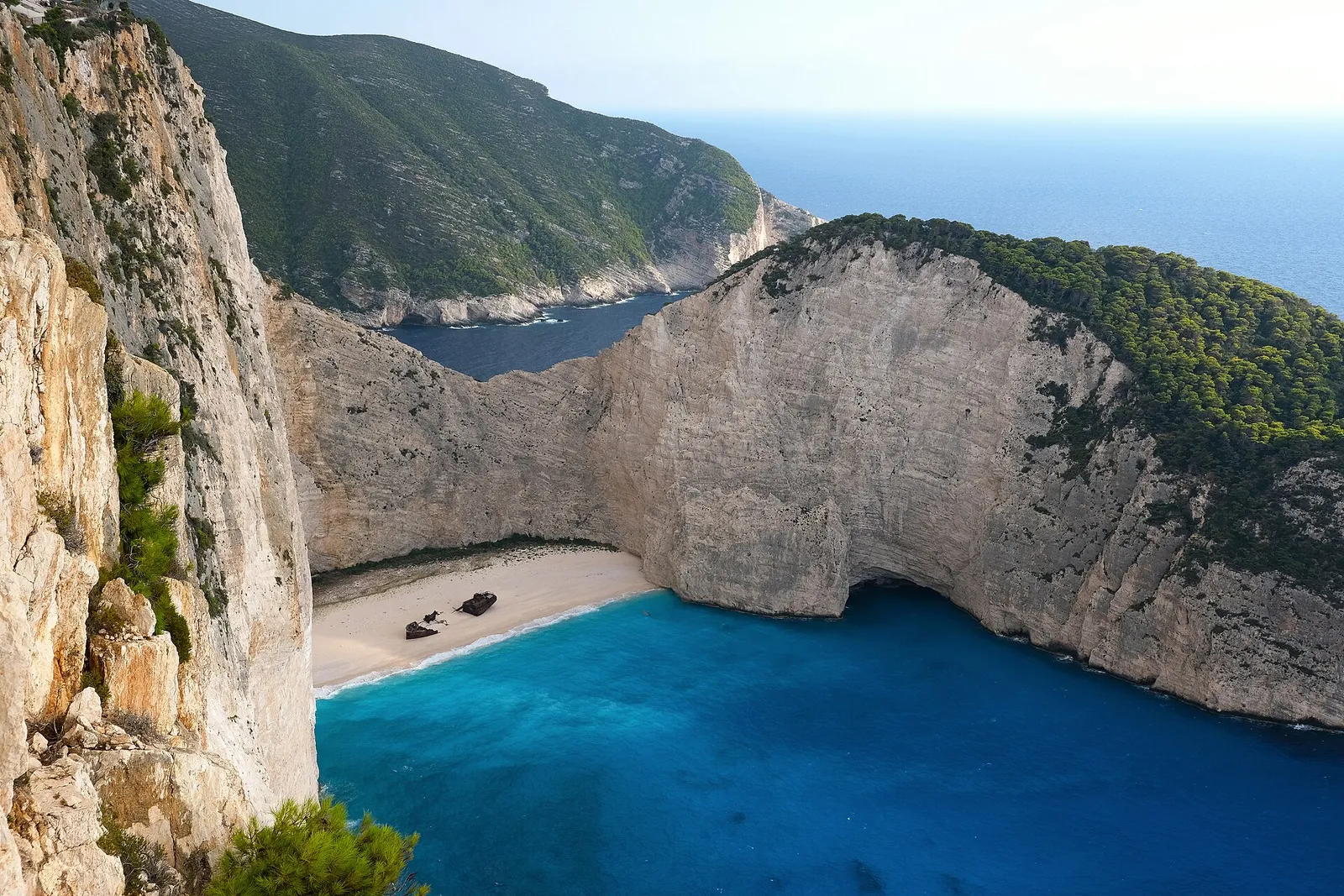
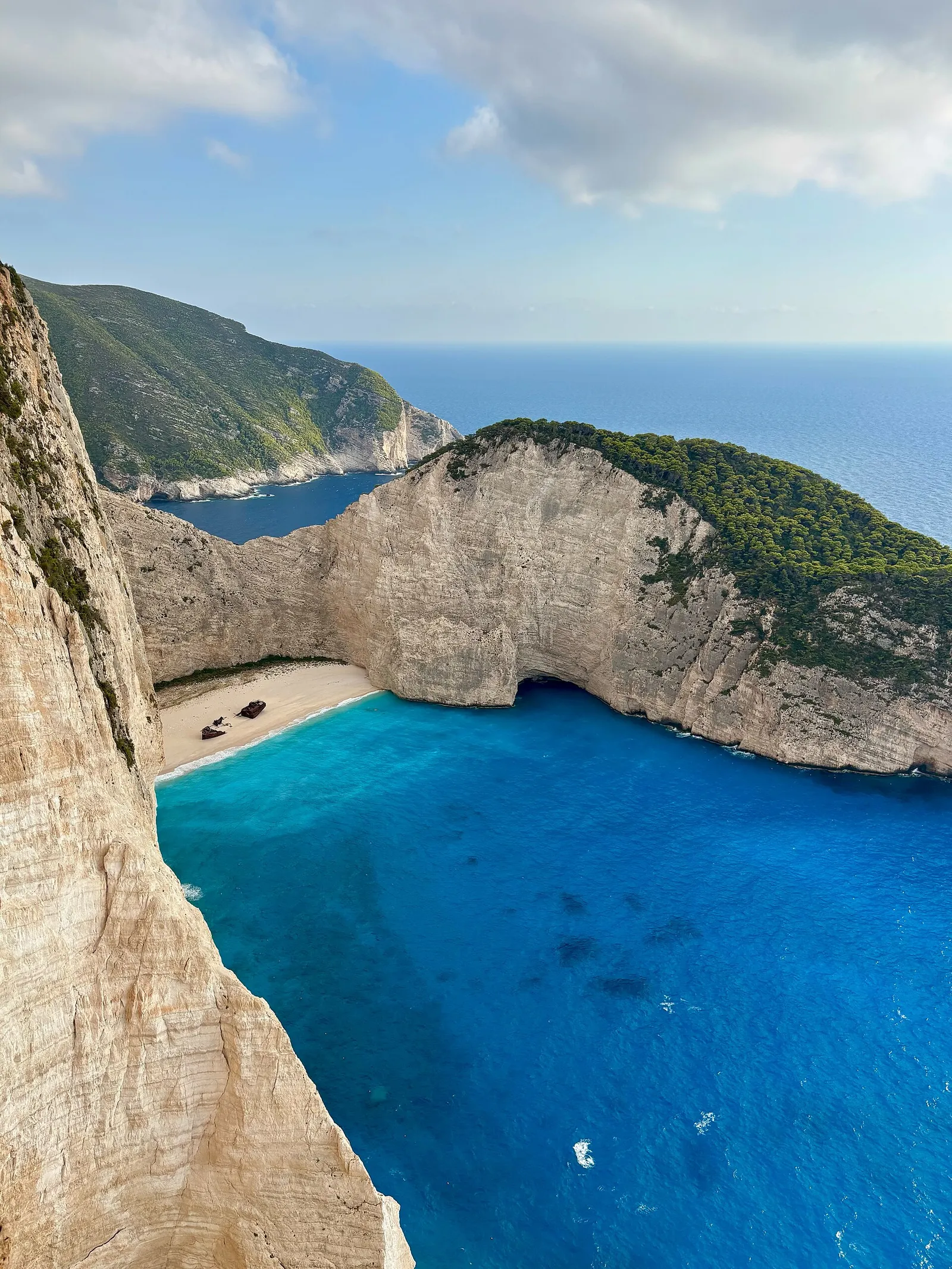
Over on the greener Ionian side, Zakynthos holds one of the most photographed beaches on earth: Navagio, the shipwreck cove, a crescent of blinding white sand around a rusted hull, framed by sheer cliffs and reachable only by boat.
Before you build a trip around it, know the current situation. Navagio is closed to visitors on safety grounds, after repeated landslides from the unstable cliffs above the cove. Greek authorities have kept the closure in place through the 2026 season, and it means you cannot land on the sand, swim in the bay or approach the wreck; boats are required to stay well offshore. What you can still do is see it from the designated clifftop viewpoint, which is where the famous photograph comes from anyway, and take an island boat tour that cruises past the cove. The authorities review the closure periodically, so check the position locally before you go rather than turning up expecting to swim. Our Zakynthos guide covers the rest of the island, which is a good deal more than one cove.
The rest of the island carries the trip regardless: the Blue Caves glow an electric turquoise, and Gerakas and Porto Limnionas are lovely. The neighbouring Ionian islands, Kefalonia and Corfu, add their own knockout bays with softer sand and calmer seas than the windy Aegean.
The Cyclades: turquoise and volcanic drama
The islands most people picture, the whitewashed Cyclades, deliver on the water too. Naxos has the longest, softest sandy beaches in the group, gentle and family-friendly along its west coast. Milos is the showstopper, with the lunar white rock of Sarakiniko and dozens of coloured coves best explored by boat. Paros, Ios and Koufonisia all reward a bit of wandering with bays that look untouched.
Bear in mind the summer meltemi wind, which can churn up exposed Cycladic beaches. The trick is to have a sheltered alternative on the other side of the island for the windy days.
That trick is easier than it sounds, because the wind comes consistently from the north. On almost every Cycladic island the south-facing beaches are the sheltered ones, so on a blowy day you simply cross to the other side rather than abandoning the beach plan. Ask your host which side is working today: it is the single most useful local question you can ask in the Cyclades.
A rental car unlocks the wild beachesOn the bigger islands the best coves sit down side roads no bus will take youMykonos and the beach-club scene
If your idea of a beach day involves a DJ, a daybed and a cocktail, Mykonos is your island. Paradise, Super Paradise and Psarou are the glossy, high-energy stretches, while quieter souls can escape north to undeveloped Agios Sostis. Read the Mykonos guide to match the beach to the day you want, from full-on party to peaceful swim.
The mainland’s quiet secret: Halkidiki and beyond
Do not overlook the mainland. The three-fingered Halkidiki peninsula in the north has pine forests running down to clear, calm beaches that rival the islands, with far fewer crowds and easy road access. Along the Peloponnese coast you will find long, wild sweeps of sand and pretty pebbled coves near historic towns, perfect if you are combining beaches with a road trip and some culture.
One clarification on Halkidiki, since it catches people out: the peninsula has three fingers, and the third is Mount Athos, a self-governing monastic community that is not open to general visitors at all. Plan around the first two, Kassandra for resorts and nightlife and Sithonia for quieter pine-backed coves, and see Athos from a boat.
Further south, the Peloponnese hides one of the country’s most beautiful beaches in Voidokilia, a perfect crescent of sand shaped like the Greek letter omega, and the Ionian island of Lefkada is reachable by road from the mainland, with the spectacular cliff-backed beaches of Porto Katsiki and Egremni.
Which island for which beach day
| If you want | Go to | Why |
|---|---|---|
| Soft sand and shallow water | Crete, Naxos, the Ionian | The gentlest beaches in the country |
| Dramatic rock and colour | Milos, the Cyclades | Volcanic coves, best reached by boat |
| Beach clubs and a scene | Mykonos | The glossy end of the Greek summer |
| Quiet and easy road access | Halkidiki, the Peloponnese | Mainland pine and sand, few crowds |
| One famous view | Zakynthos | The shipwreck cove, from the clifftop |
The honest summary of that table is that there is no best island, only the right one for the day you are imagining. A family with small children and a couple chasing volcanic coves by boat should not be booking the same flight, and the most common way a Greek beach holiday disappoints is choosing the island by its fame rather than by its coastline.
Organised or wild: two different beach days
Greek beaches come in two forms and the difference decides your day. An organised beach has rows of sunbeds and umbrellas for hire, a beach bar, toilets and usually a lifeguard in season. A wild beach has none of that: no shade, no water, no facilities, and often no one else either.
Both are legitimate, and the rules protect your right to the second. Beaches in Greece are public, and after considerable public protest the rules on organised beaches were tightened to guarantee free space that must be left uncovered and to limit how much of a beach can be filled with rented sunbeds. In practice that means there is almost always a free stretch alongside the paid rows, so if a beach appears to be entirely sunbeds, look along it rather than assuming you have to pay.
The planning consequence: on a wild beach, bring your own water, shade and food, because there will be nothing, and the walk back to the car in the afternoon heat is the part people underestimate.
Staying safe in the water
Greek seas are generally calm, warm and forgiving, which is precisely why people relax about them. Three things are worth respecting. Many beaches have no lifeguard, and the emptier and more beautiful the cove, the less likely anyone is watching, so save the long swim for a patrolled beach. Currents around headlands and in narrow channels can be stronger than the surface suggests, particularly on a windy day. And sea urchins sit in the rocky shallows that make the prettiest entries, which is the practical case for water shoes.
Add the sun, which is fierce and unrelenting on beaches where the only shade is a rented umbrella, and you have the three things most likely to spoil a beach day. None of it needs anxiety, all of it needs a hat, water and a little judgement.
Building a trip around the beaches
The mistake is treating beaches as a checklist. They are the opposite of sightseeing: the reward is the unhurried second day at a beach you liked, not the fourth cove photographed before lunch. Two islands in a week, or three in ten days, with three or four nights each, gives you far more time in the water than a new port every other morning.
If you want a shape rather than a shortlist, our ten-day Greece itinerary sets out a route that balances beaches, islands and a little history without spending the holiday on ferries.
The short version
Choose your island by the beach you dream about: Crete for the pink lagoons, Naxos and Milos for the Cyclades at their best, Mykonos for the scene, Halkidiki for quiet mainland sand, and Zakynthos for the shipwreck view from the clifftop while the cove itself stays closed. Rent a car on the big islands, book the boat trips ahead in summer, and keep a sheltered beach in reserve for windy days. Greece will give you more coastline than you could swim in a lifetime, so pick well and dive in.