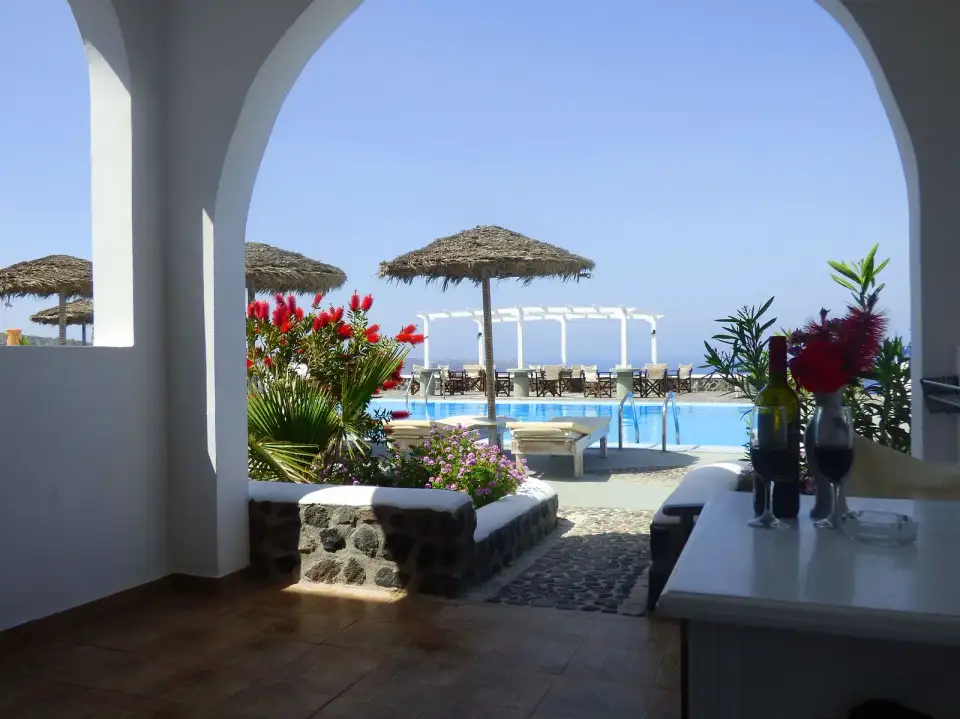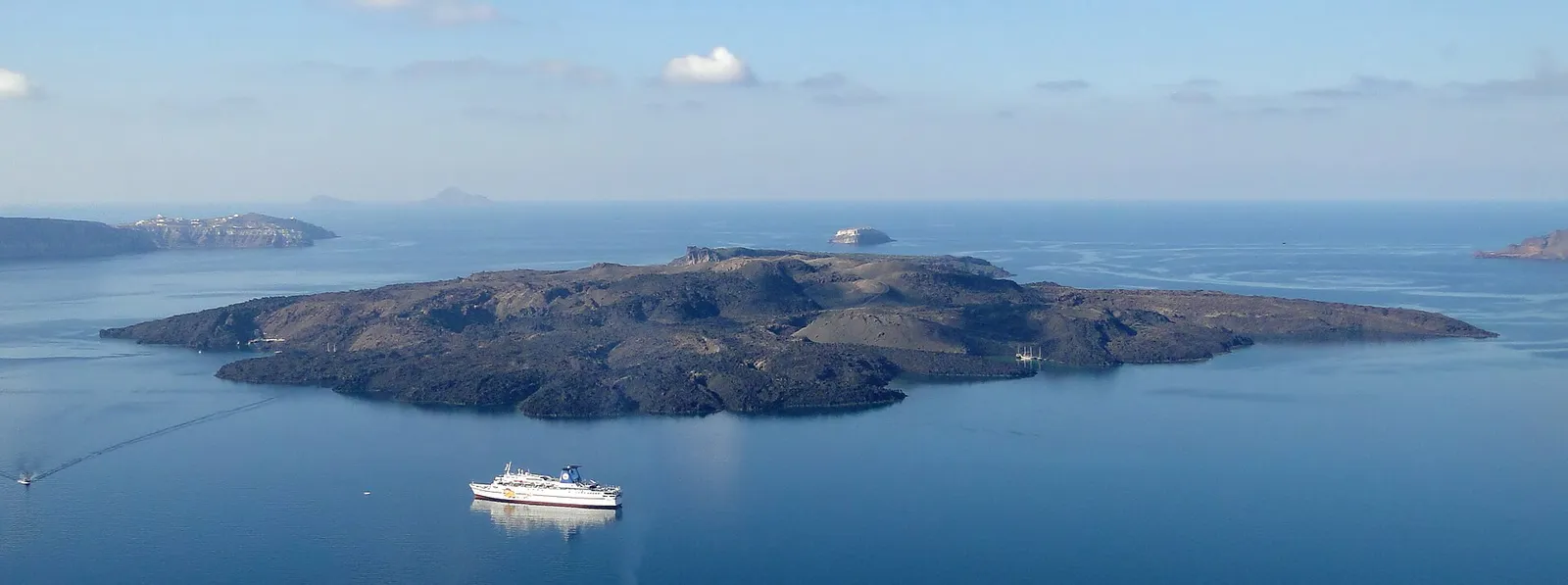
Most first-time visitors to Greece end up in the Cyclades, and the Cyclades are magnificent: white cubes, bare rock, blue domes, and a light that photographs better than almost anywhere on earth. They are also dry, treeless and, in high season, extremely full.
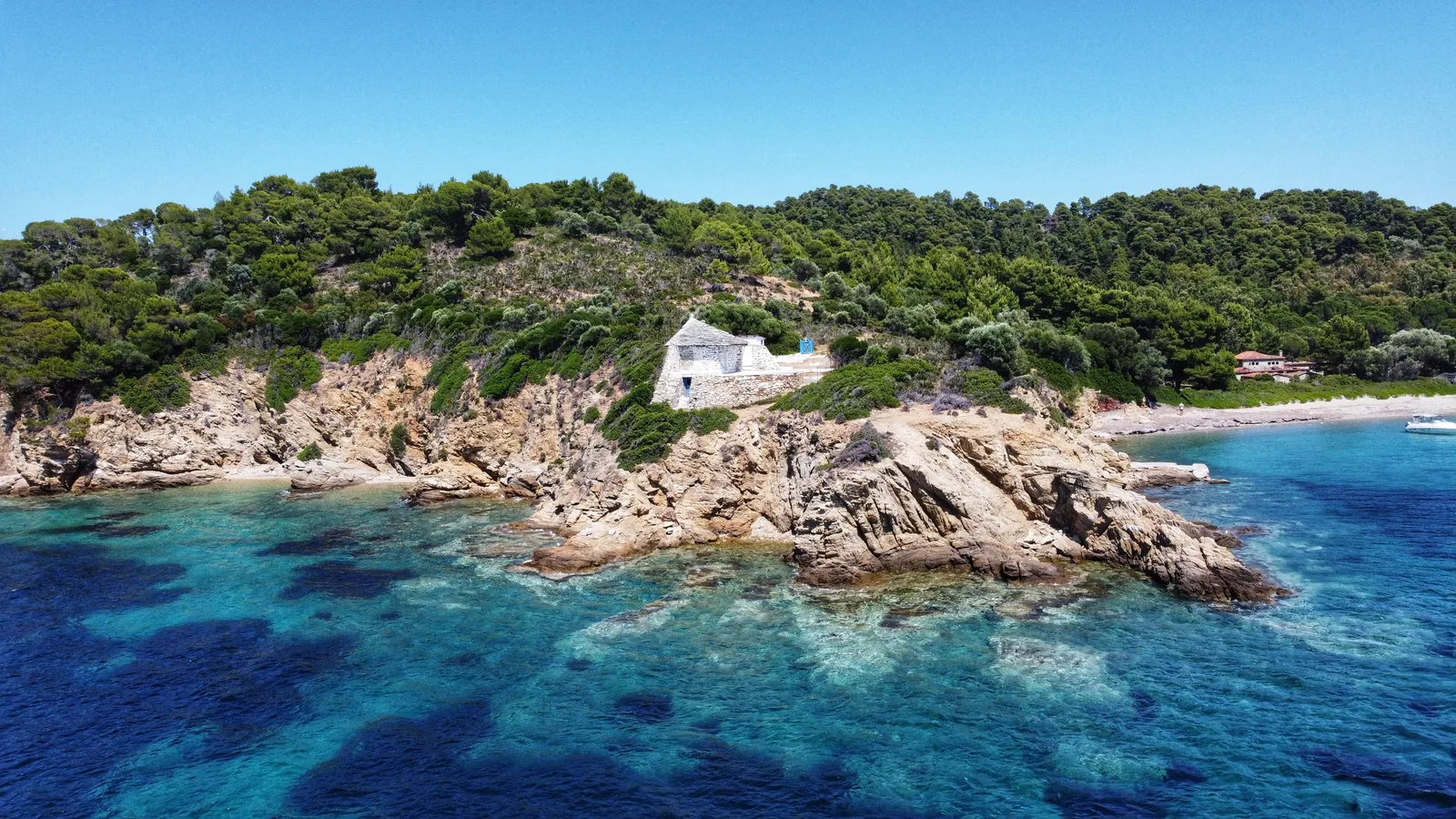
The Sporades are the other thing. They sit in the western Aegean off the coast of Thessaly, they are covered in pine forest down to the waterline, and the contrast with the postcard version of Greece is immediate. Green hills, sheltered bays, shade on the beach, and a good deal less of everybody.
The three islands, and how they differ
Skiathos is the busy one and the entry point, because it has the airport. It carries the largest choice of hotels, the liveliest town and nightlife, and a genuinely remarkable set of beaches for an island of its size, including one on the south-west corner that appears on a great many lists of the best in Greece. It is also the most developed and the most crowded in August.
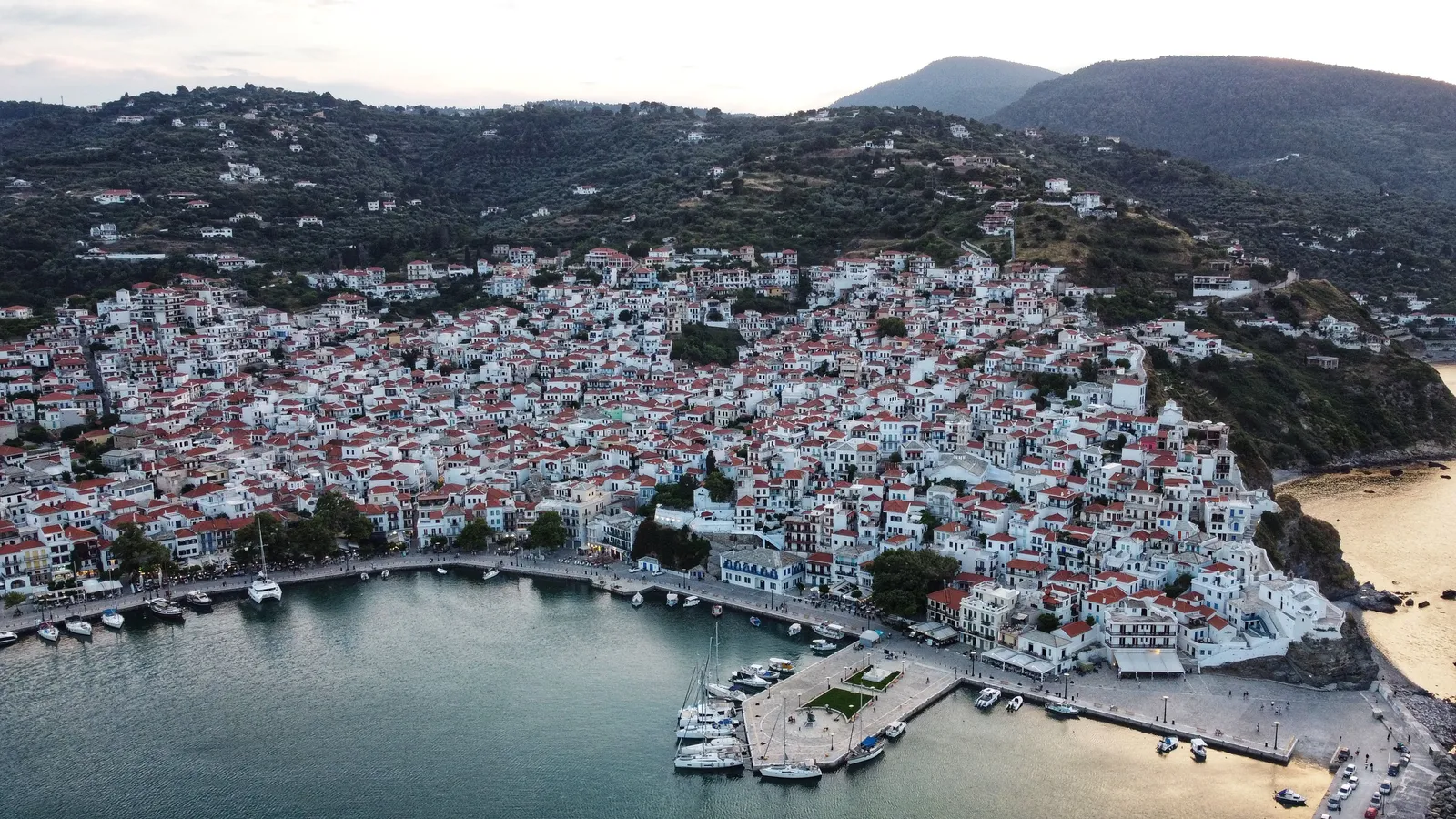
Skopelos is larger, greener and considerably quieter. The main town climbs a hillside above the harbour in tiers of white houses and slate roofs, the interior is forest and orchard, and the north coast holds the chapel that every visitor recognises from the film. It has beaches, though fewer sandy ones than Skiathos, and a slower rhythm throughout.
Alonissos is the quiet one. It sits inside a national marine park established to protect the Mediterranean monk seal, development is minimal, and the appeal is walking, swimming and doing very little. Visitors who find Skiathos too busy come here and stay.
There is a fourth, Skyros, further east and awkward to combine with the other three. Treat it as a separate trip.
Getting there, which shapes the trip
Skiathos airport takes seasonal international flights and domestic connections, and for most visitors that is the way in. The runway sits directly beside the road at the end of the bay, which has made it locally famous among people who like watching aircraft land.
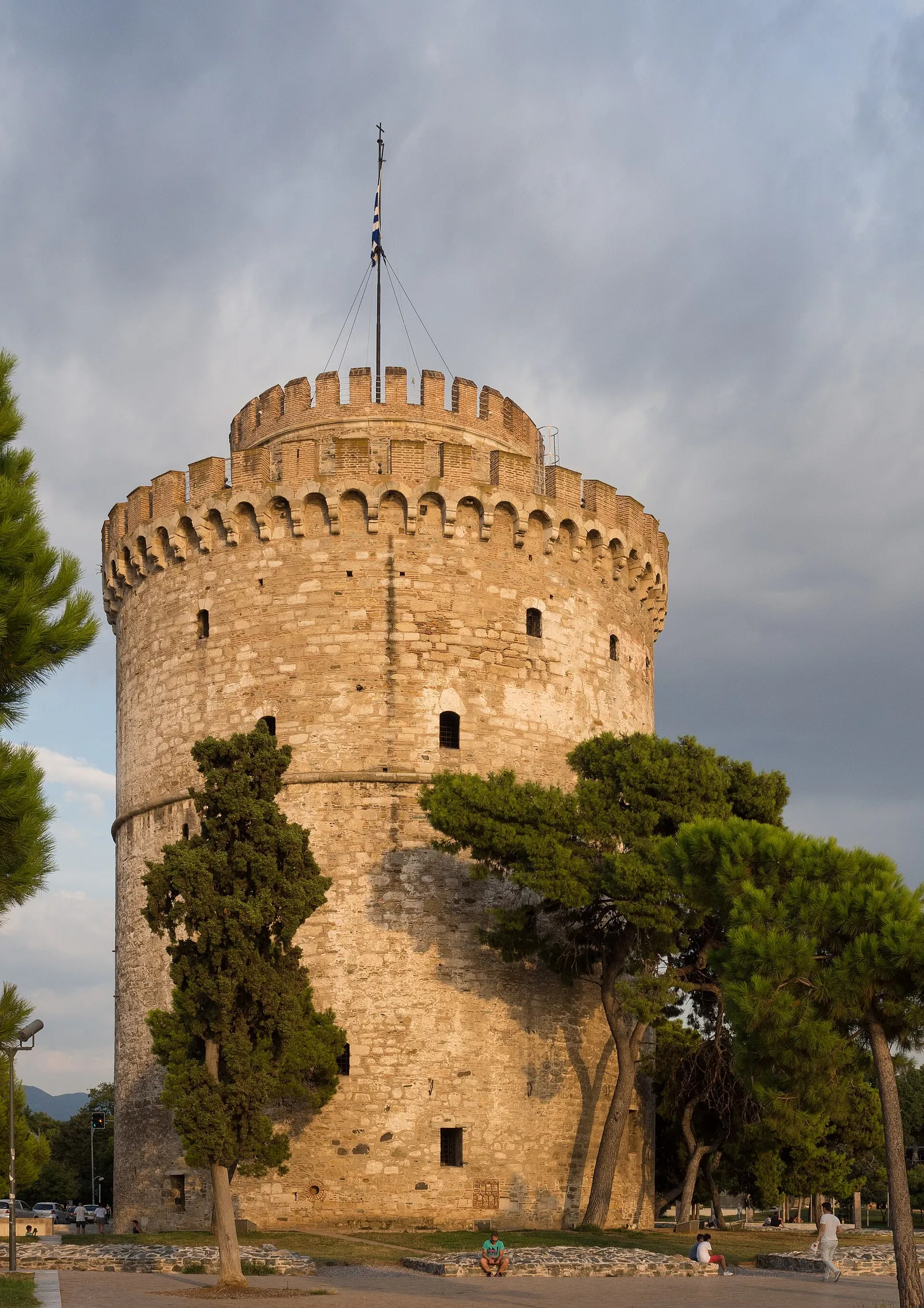
The alternative is by sea from the mainland, from Volos or Agios Konstantinos, both reachable by road from Athens or from the north. That route suits anyone already driving in mainland Greece, and it pairs naturally with a few days in the north. Our guide to Thessaloniki covers the northern city that makes the obvious mainland bookend to a Sporades week.
Between the islands, crossings are short and frequent in season. Schedules are seasonal and change, so confirm current times rather than working from last year’s timetable.
The beaches, which are the point
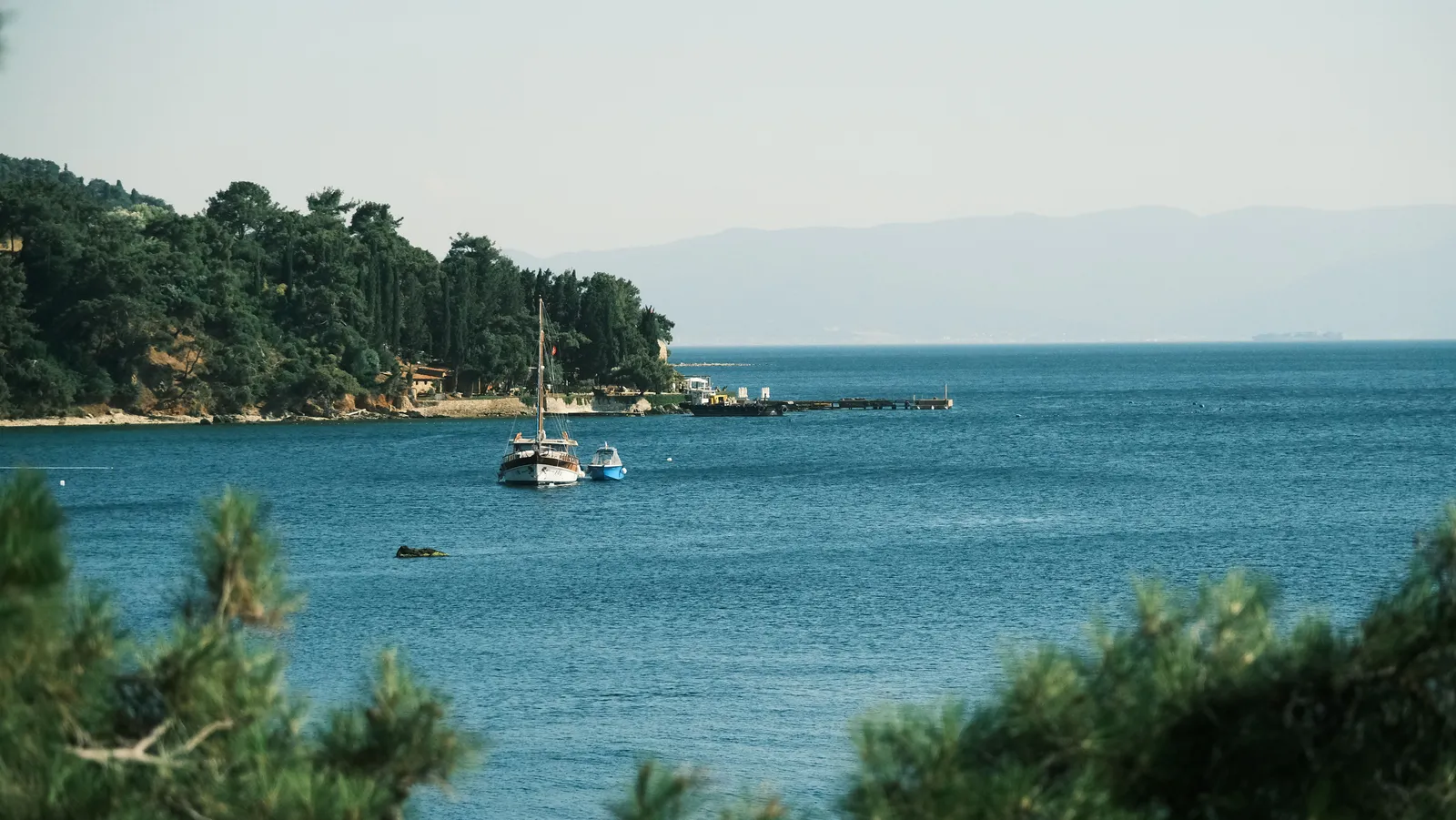
The Sporades beaches have a texture the Cyclades cannot offer, because there are trees. Pine runs down to the sand, which means natural shade, a green backdrop and a smell of resin in the heat that people remember longer than the view.
Skiathos has the greatest number and the best known, with a long south coast of organised bays and a scattering of smaller ones reachable only by boat or on foot. The ones without a road are, predictably, the good ones, and small boats run to them daily through the season from the main town.
Skopelos trades sand for pebble in many places, with clear water and fewer people. Alonissos has a handful of bays and a great deal of coastline with nothing on it at all.
Our guide to choosing a Greek island sets out how the island groups differ in character, and the Sporades sit firmly in the green-and-sheltered category rather than the bare-and-dramatic one.
The film locations
Skopelos carries the ones people ask about, above all the hilltop chapel on the north coast reached by a long flight of steps cut into the rock.
Two things worth saying about it. First, it is a working religious site rather than a set, so modest dress and quiet behaviour are expected, and there may be times when it is closed to visitors. Second, the steps are steep, exposed and considerably harder in August heat than they look in the film, so go early and carry water.
It is also, entirely separately from any of that, a spectacular place. The reason a location scout chose it is the reason it is worth the climb.
Fitting it into a Greek trip
The Sporades do not combine well with the Cyclades. They are a different corner of the sea, connected to a different set of mainland ports, and moving between the two groups eats days.
They combine very well with mainland Greece: Thessaloniki and the north, the Pelion peninsula immediately opposite on the coast, and Meteora inland. That is a strong two-week itinerary and one that almost no first-time visitor considers.
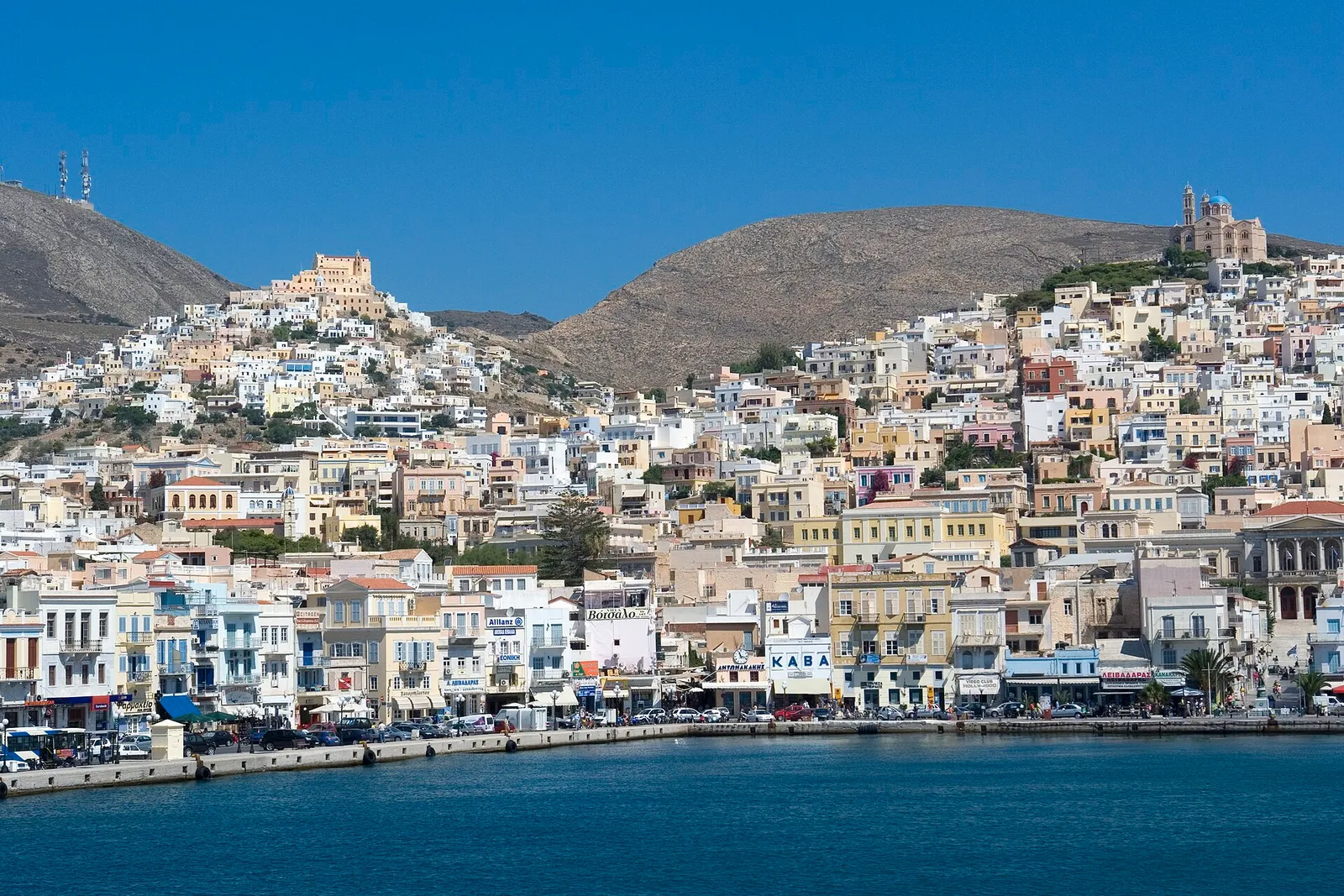
If you want a comparison point within the islands, our guide to Syros covers a Cycladic island that is similarly under-visited by foreign tourists but for entirely different reasons, and reading the two together is a quick way to work out which kind of Greek island you actually want.
Practical notes
Season is shorter here than in the southern islands. A good deal of the accommodation, the restaurants and the small boats operate from roughly late spring to early autumn and close outside that window. Check your dates against what is actually open.
June and September are the best value and the best weather-to-crowd ratio. August is busy and expensive, particularly on Skiathos.
A car is useful on Skopelos and Alonissos and close to unnecessary on Skiathos if you are staying in town, where boats and buses cover most of what you want.
Book ahead for August. These are small islands with a finite number of rooms.
In one line: the Sporades are Greece with trees, and they are the answer for anyone who loved the Cyclades but not the crowds.