The first time I tried to plan ten days in Greece I did the thing everyone does. I opened a map, saw how close the islands looked to each other, and drew a line that touched five of them. Then I read the ferry timetables and my beautiful line fell apart. Two of those hops did not connect on the days I wanted, one only ran three times a week, and I would have spent half my holiday sitting on a harbour bench with a coffee going cold, watching for a boat.
So let me save you that afternoon. Ten days in Greece is genuinely a lovely amount of time, enough to see real variety without rushing every morning. But ten days is not enough to do everything, and the single biggest mistake I see is treating the country like a checklist. Below are three routes that actually work, each with a different personality, and an honest account of what each one gives up. The ferry timetable, not your enthusiasm, is what really shapes the choice.
Why ten days is a real decision, not a formula
Greece is bigger and more spread out than the photos suggest. Athens sits on the mainland, the Cyclades scatter across the Aegean to the southeast, the Peloponnese hangs below Athens like a giant hand, and Crete sits far to the south, almost its own country in feel. You cannot stitch all of these together in ten days without spending most of your time in transit.
The honest maths: assume one day arriving and one day leaving, since flights rarely land at dawn and depart at midnight in your favour. That leaves you roughly eight usable days. Every island change costs you a slow morning or a slow afternoon, sometimes both. My rule is simple: no more than three bases in ten days, and ideally two. Fewer bases, more actual holiday.
The three routes in one glance
| Route | Best for | Pace | Car needed |
|---|---|---|---|
| Athens plus two Cyclades islands | First-timers who want the classic mix | Medium | No |
| Athens plus the Peloponnese by car | History, food, fewer crowds | Relaxed to medium | Yes |
| Crete done properly | One place, gone deep | Relaxed | Yes |
Route one: Athens plus two Cyclades islands
This is the classic, and it is popular for a reason. You get the ancient icons, the buzz of a real capital, and then two very different island moods. The trap is trying to squeeze in three islands. Two is the sweet spot for ten days.
How I would split the days
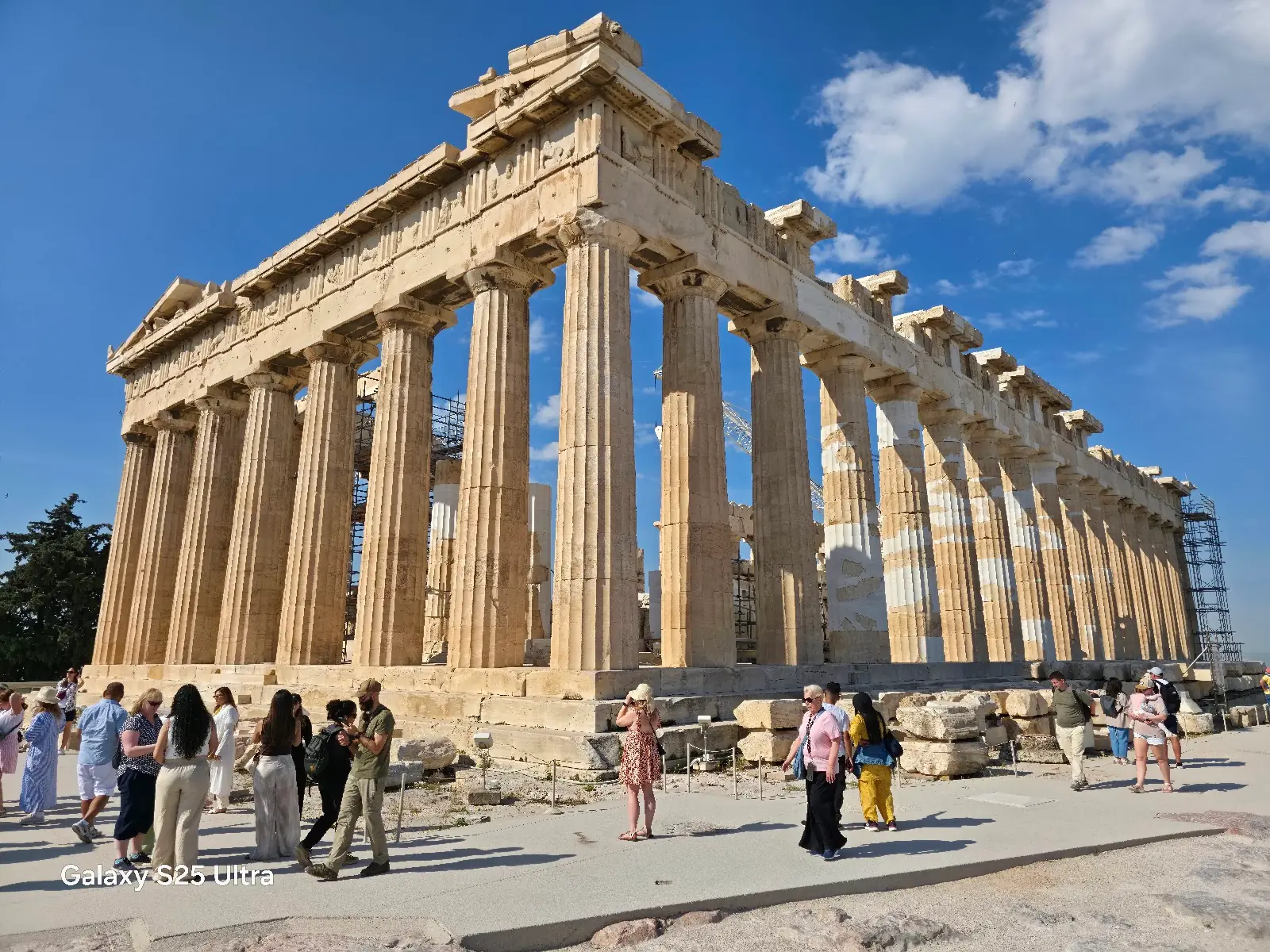
Give Athens two full days at the start. That is enough for the Acropolis and the Acropolis Museum, a wander through Plaka and Monastiraki, the food markets, and a sunset from Lycabettus or Filopappou Hill. Then ferry out for the island stretch and keep the last night back in Athens or near the airport, because trusting a same-day ferry to make your flight home is how people miss flights.
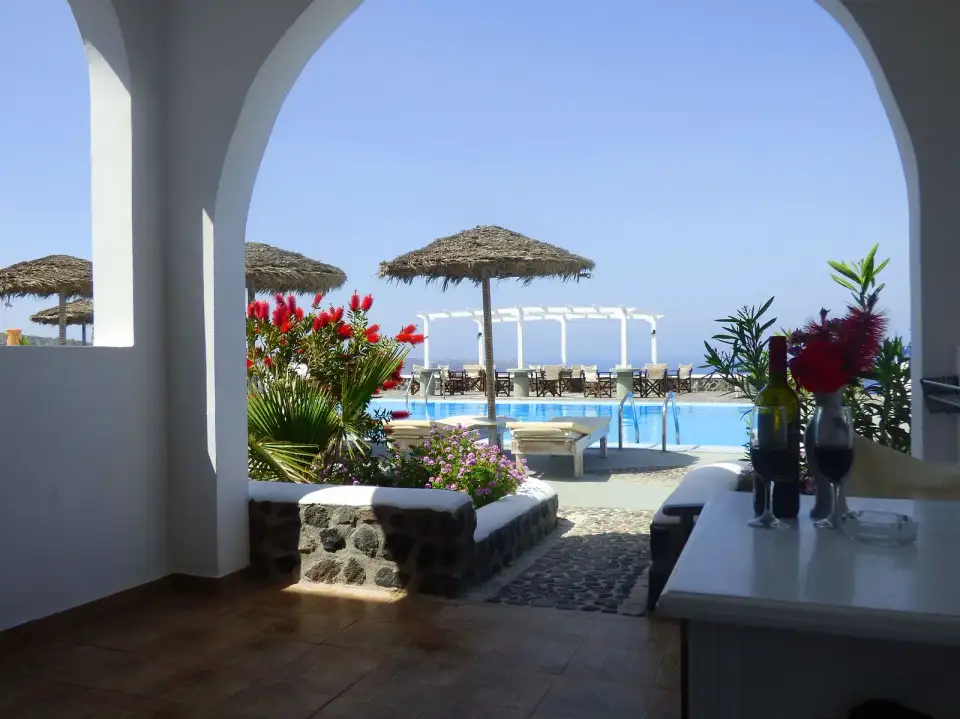
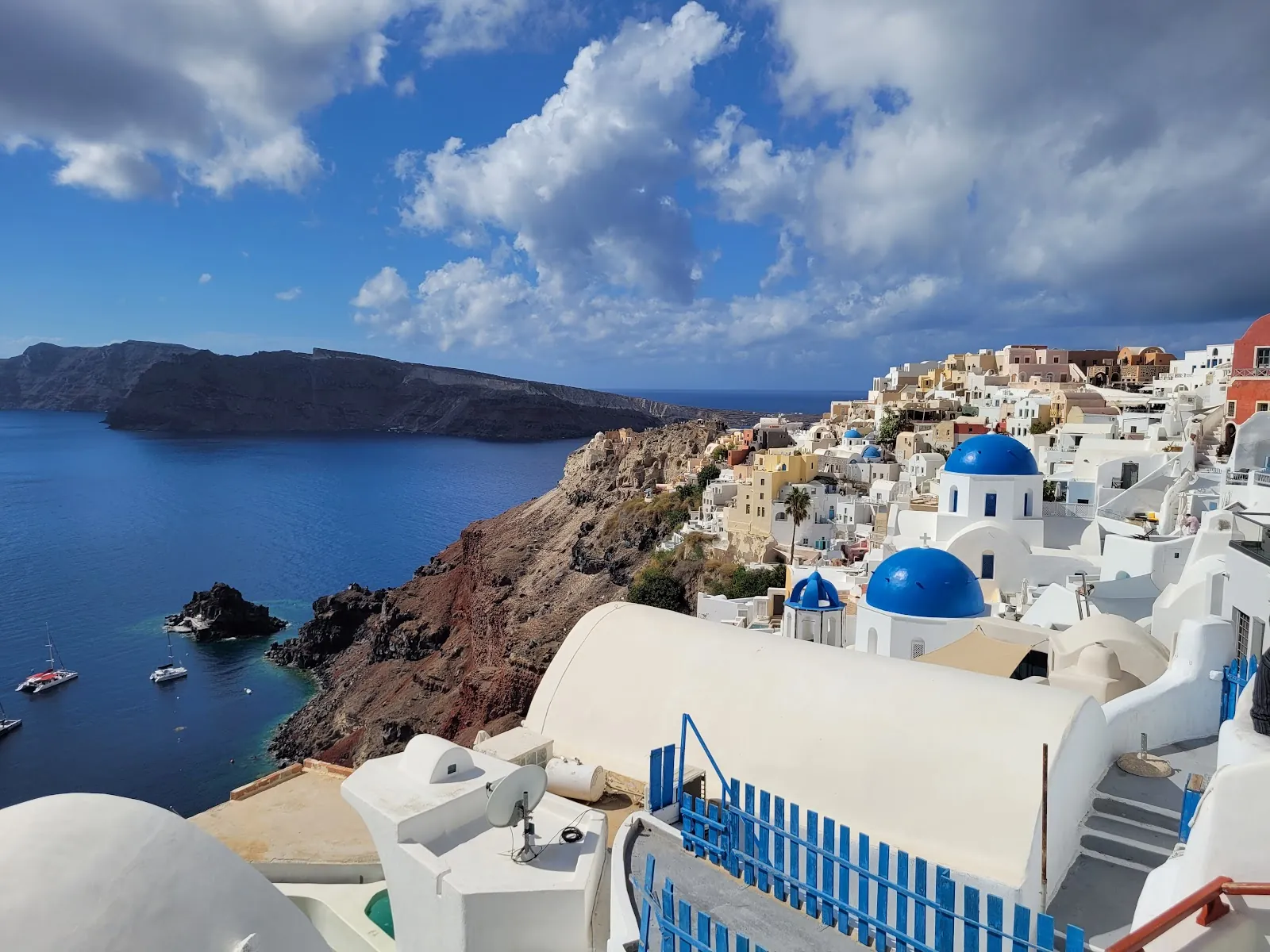
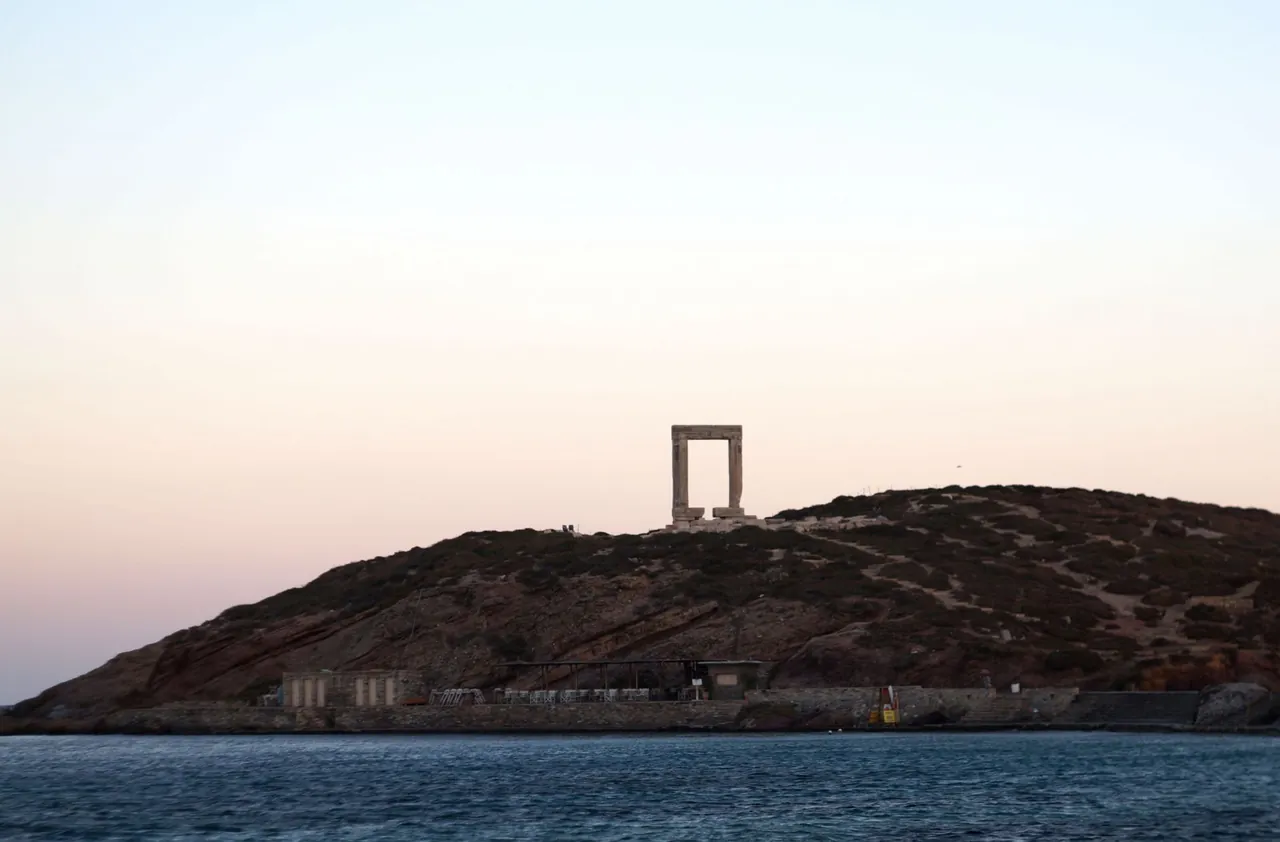
I would pair one lively island with one quieter one. Naxos and Paros are the reliable workhorses: well connected, big enough to hold your interest, with proper beaches, mountain villages and good food. Santorini is stunning and I will not pretend otherwise, but it is crowded, expensive and the sunset in Oia is a scrum. If you go, go knowing that.
What the ferry timetable does to this plan
High-speed catamarans run frequently between Athens (Piraeus or Rafina) and the central Cyclades in summer, but frequency drops sharply outside the peak months, and rough weather can cancel the fast boats when the slower, larger ferries still sail. Always check the schedule for your exact dates rather than assuming daily service, and book popular summer crossings in advance. Island-to-island hops are the fragile links, so choose two islands that have a direct connection rather than two that force you back through Piraeus.
Route two: Athens plus the Peloponnese by car
This is my personal favourite, and the one fewest first-timers consider. The Peloponnese is the big peninsula southwest of Athens, reachable by road, and it holds an astonishing density of history without the island logistics. No ferries to miss, no luggage dragged up harbour ramps. Just a car and open road.
A loop that flows
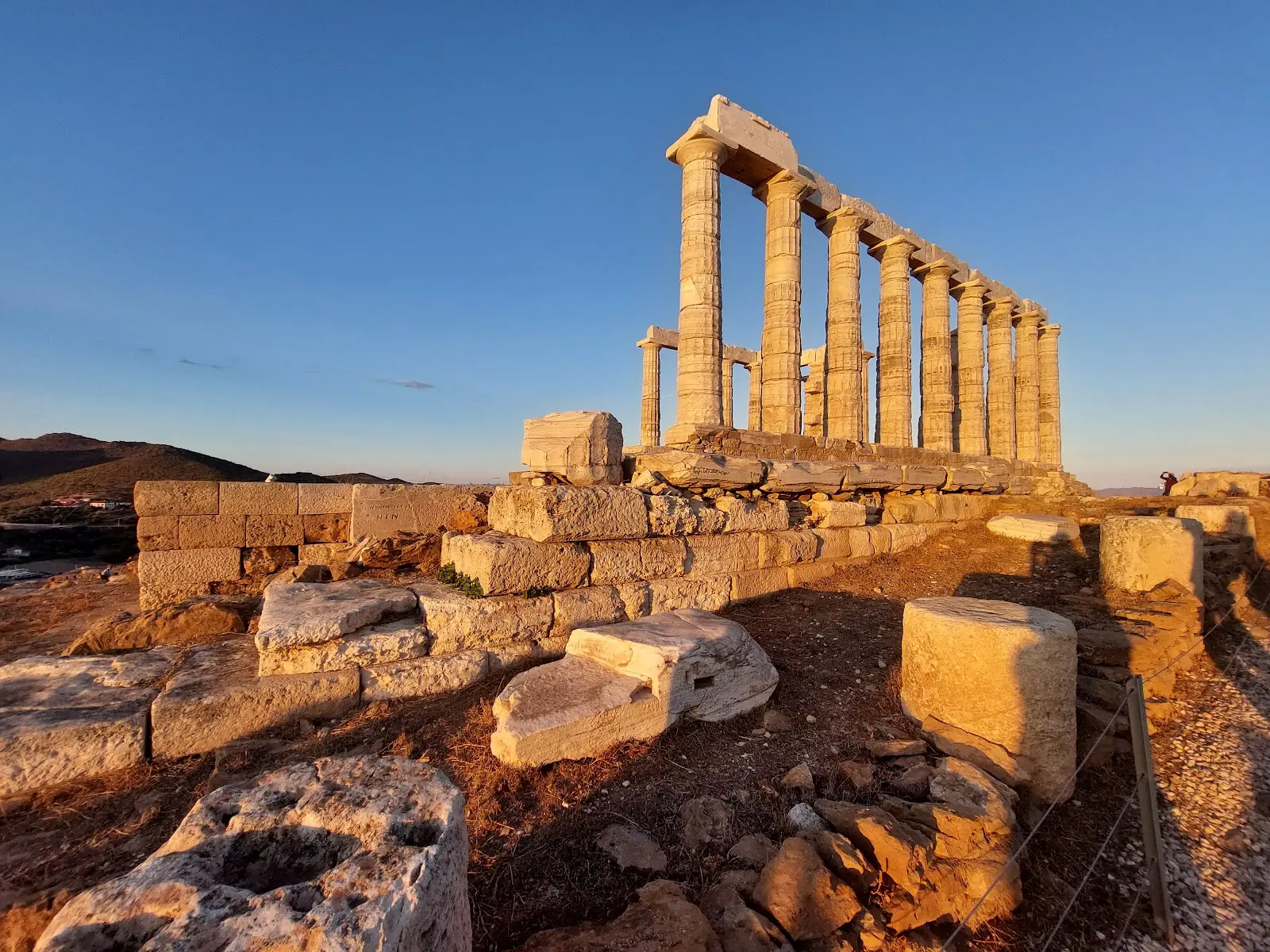
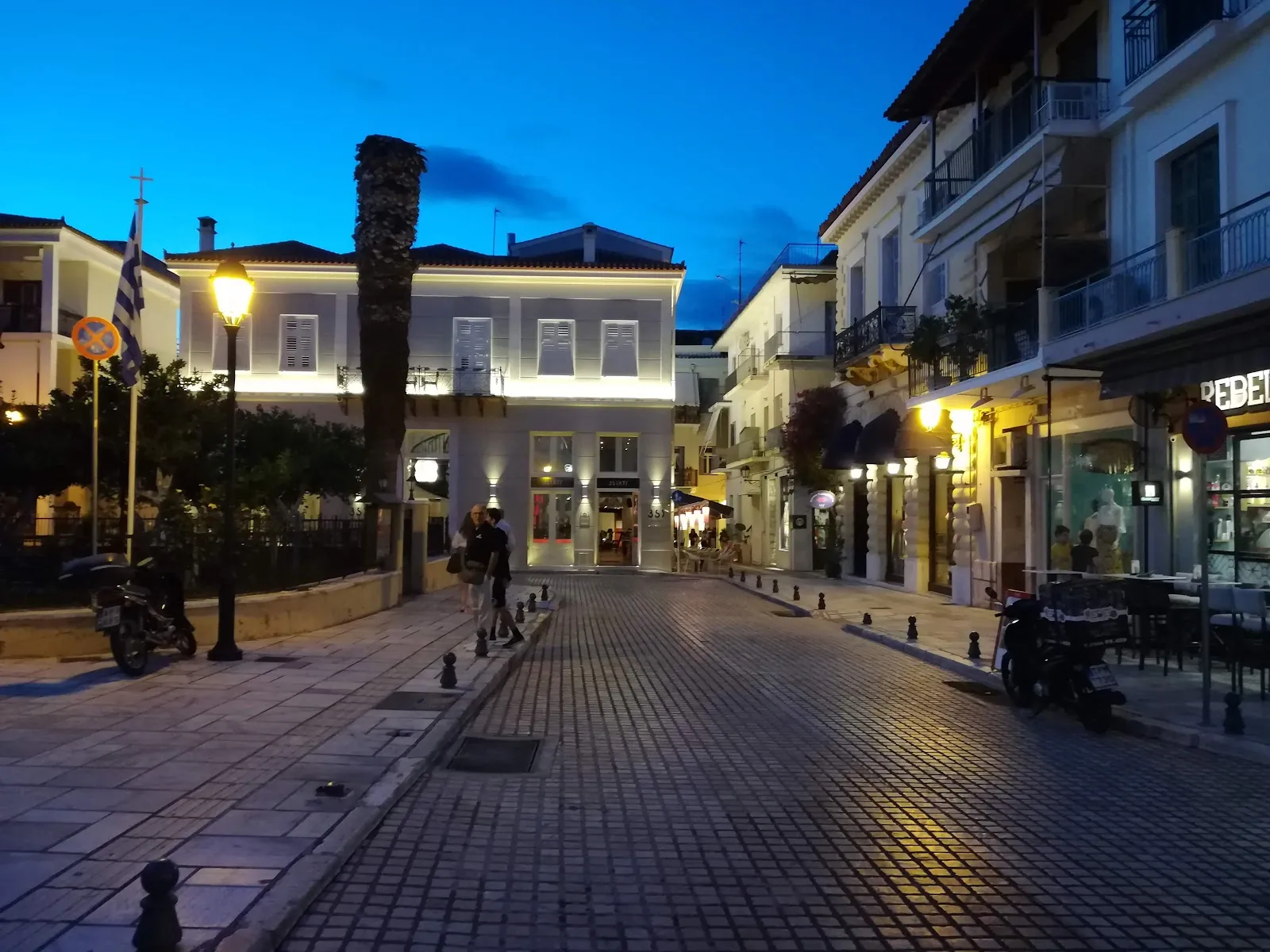
Start with two days in Athens as above, then pick up a hire car and drive out. A natural loop takes in Nafplio, which is the prettiest town in the country to my eye, with Venetian fortresses and a walkable old quarter. From there you reach Epidaurus with its perfectly preserved ancient theatre, Mycenae with its Bronze Age citadel, and then onward to Olympia, birthplace of the Games. Add Monemvasia, a fortified town clinging to a rock in the sea, if you want a slower coastal day.
Driving lets you eat where the locals eat and stop when a view demands it. The roads are mostly good, though mountain sections are slow and winding, so do not judge distance by the map alone. Give Nafplio two nights as a base, then move west.
What you should know before driving
Rules of the road, whether an International Driving Permit is required, and what documents you must carry can depend on the country that issued your licence, so confirm the current requirements for your own licence before you travel rather than assuming. Parking in the old towns is tight, so a smaller car pays off. Fuel is widely available on main routes but thins out in remote areas, so fill up before long mountain stretches.
Route three: Crete, done properly
Crete is large enough that people spend a whole holiday there and still leave things unseen. Trying to combine Crete with the Cyclades in ten days is the classic overreach, because the ferry between them is long and infrequent. My advice is to commit. Fly into Crete, base yourself in one or two places, and go deep.
West or east, pick a half
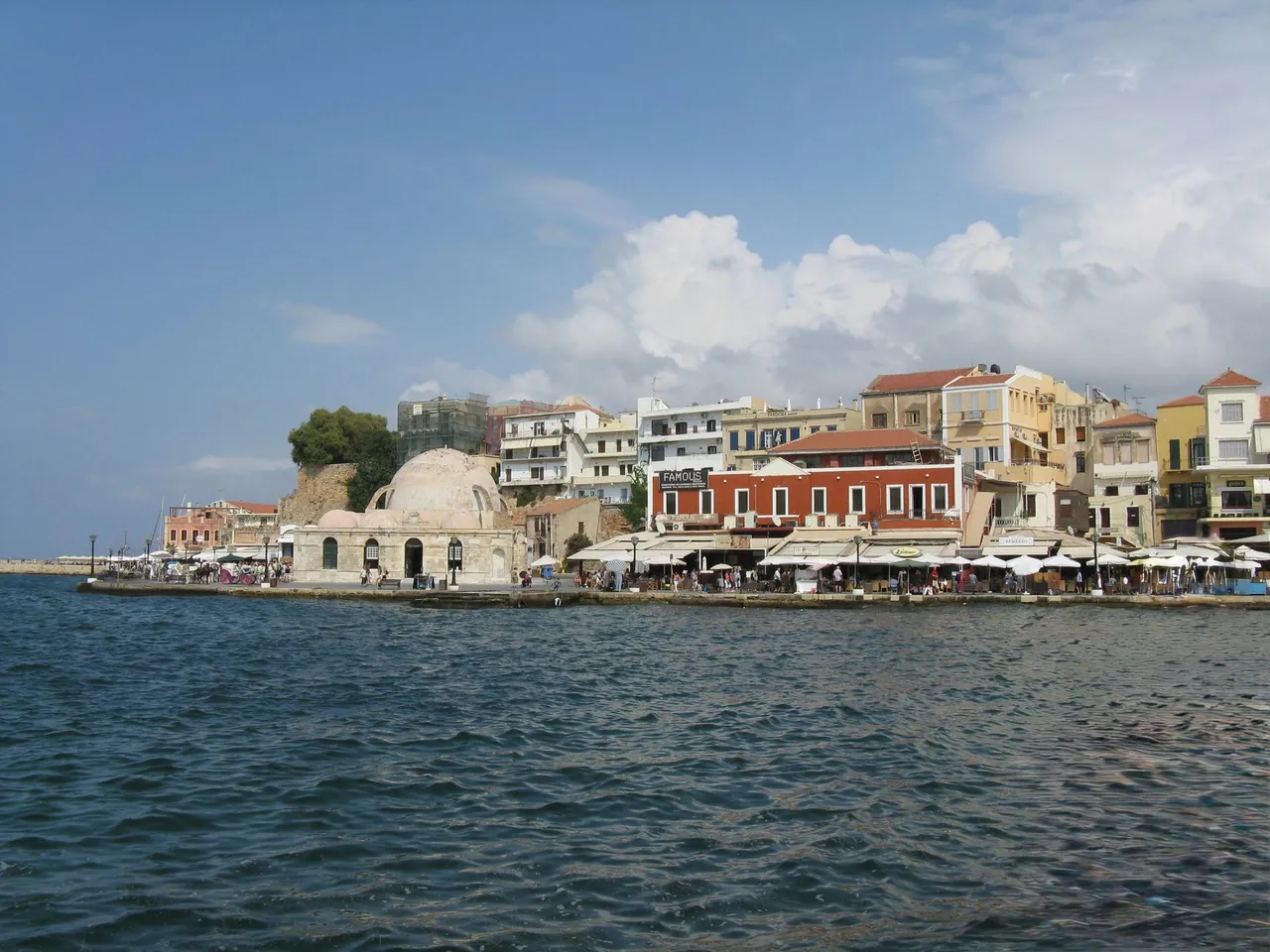
Crete stretches a long way from end to end, and driving the whole island eats your days. I would choose a half. The west, based around Chania, gives you a gorgeous Venetian harbour town, the pink-tinged sands of Elafonisi and Balos, and the dramatic Samaria Gorge for hikers. The east, based around Heraklion or Agios Nikolaos, puts you near the Minoan palace of Knossos and the Lasithi plateau.
For ten days I might split three nights in Chania and the rest around Rethymno, with a hire car throughout. This route sacrifices the island-hopping romance entirely, but it rewards you with the one thing the ferry-heavy routes cannot: no packing and unpacking every two days.
Getting there and around
Crete has airports at Heraklion and Chania with domestic connections to Athens and seasonal international flights, and there are also overnight ferries from Piraeus. Check current routes and schedules for your travel dates. Within the island a car is close to essential, as buses connect the main towns but leave the best beaches and villages out of easy reach.
Flying into Athens or straight to Crete?Compare routes and dates to see which entry point saves you a travel day.Where food fits into every route
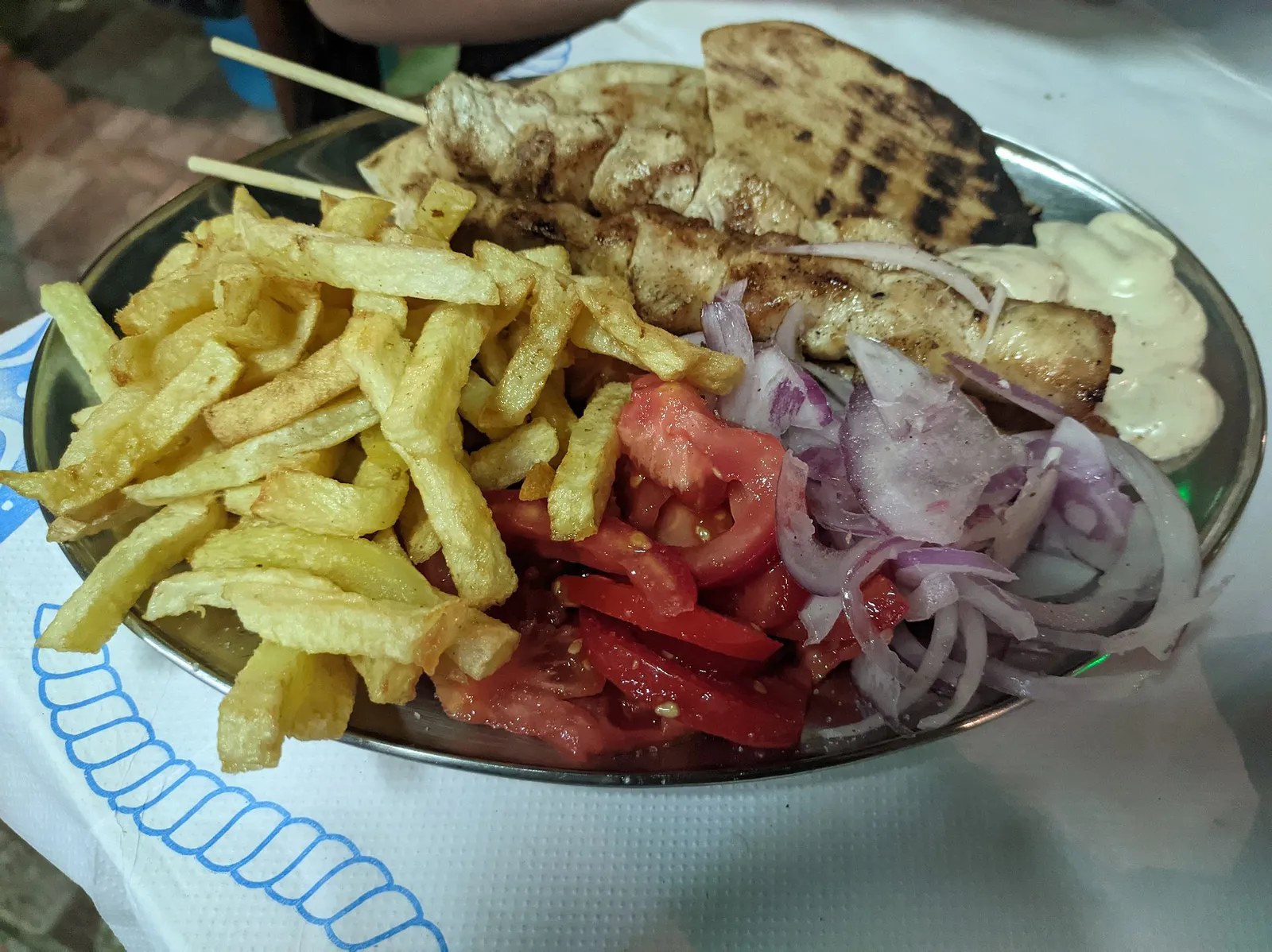
Whatever route you pick, eat like you mean it. Crete has its own extraordinary cuisine, the Peloponnese is olive-oil country with superb mountain cheeses and honey, and the islands each guard their own specialities. If you want to order with confidence rather than pointing at menus, my Greek Food Guide walks through the dishes worth seeking out and the ones aimed squarely at tourists. A slow taverna dinner is not downtime on these trips, it is the point.
Budget and season, the honest version
July and August are hot, crowded and dear, and the fast ferries book out. Late May, June, September and early October are the sweet spot: warm sea, thinner crowds, calmer prices, and boats that still run often. Winter is quiet and many island businesses close, so a winter ten days leans toward Athens, the Peloponnese and Crete rather than the Cyclades.
Prices move a lot by season, so treat any figure as a rough guide and confirm before you book. In shoulder season a comfortable island or town double room often runs somewhere in the region of 70 to 130 euros a night, more in Santorini and in peak summer, less in simple guesthouses. A relaxed taverna dinner with wine tends to land around 20 to 35 euros per person. Ferry fares vary widely by route and speed, and a hire car in shoulder season is usually reasonable if booked ahead.
The moving days, and how to lose fewer of them
Every version of a ten-day Greece trip is really seven or eight days of holiday and two or three days of transport, and the difference between a good route and a tiring one is how honestly you count them.
A ferry day is a day. Between checkout, getting to the port early enough for boarding, the crossing itself and finding your room at the other end, an island hop consumes most of the daylight even when the sailing is short. Two hops in ten days is comfortable. Four is a boat holiday.
Flights inside Greece are worth considering on the long legs, particularly to and from Crete, where the ferry is an overnight commitment and the flight is an hour. Domestic fares are reasonable outside the peak weeks.
Do not schedule a crossing on your departure day. Wind cancels sailings at short notice in every season, and the Aegean does not care about your flight. Come back to the mainland the day before and sleep near the airport.
Book the awkward legs first. Ferries in high season, any car you are taking on a boat, and the first and last nights. Everything else in Greece can be arranged a few days out, usually for the same money.
What each route asks of you
The three routes are not simply different scenery, they demand different things, and matching that to your temperament matters more than matching the sights.
The islands route asks for flexibility. Ferry times shape the days, weather occasionally rewrites them, and the pleasure is in accepting that rhythm rather than fighting it. It rewards travellers who are happy to sit at a harbour with a coffee when the plan changes.
The Peloponnese route asks for a driver and a willingness to cover ground. The reward is that nothing is dictated by a timetable: you stop where you like, the ancient sites are gloriously uncrowded compared with the islands, and the coastal roads are the trip rather than the transfer.
The Crete route asks for the least and gives the most to people who dislike packing. One or two bases, a car, and an island large enough to hold mountains, gorges, beaches, a serious food culture and four thousand years of history without a ferry in sight.
There is a fourth question worth asking before any of them: what do you want the last two days to feel like? If the answer is “slow”, build the route so it ends somewhere you can do nothing, rather than somewhere you have to leave early.
Two variations are worth naming. If you have fourteen days rather than ten, the answer is not to add two more islands but to slow the same route down and add one region, and our two-week Greece itinerary sets out how that extra time is best spent. And if this is a honeymoon or a special trip, the calculation changes entirely: fewer moves, better rooms and sunsets you do not have to share, which our Greece honeymoon guide is built around.
Which route should you actually choose?
If it is your first trip and you want the postcard mix of ruins and islands, take route one and resist the urge to add a third island. If you love history, food and driving, and you would rather not watch a harbour for boats, take route two through the Peloponnese. If you want to unpack once and let a place seep in, give all ten days to Crete.
There is no wrong answer here, only the wrong number of stops. Ten days rewards depth over distance every single time. Pick two bases, let the ferry or the road set your rhythm, and leave a little unseen so you have a reason to come back.
So, which of the three is calling you, and if you have done a ten-day route in Greece that worked, what would you change next time? Tell me in the comments.