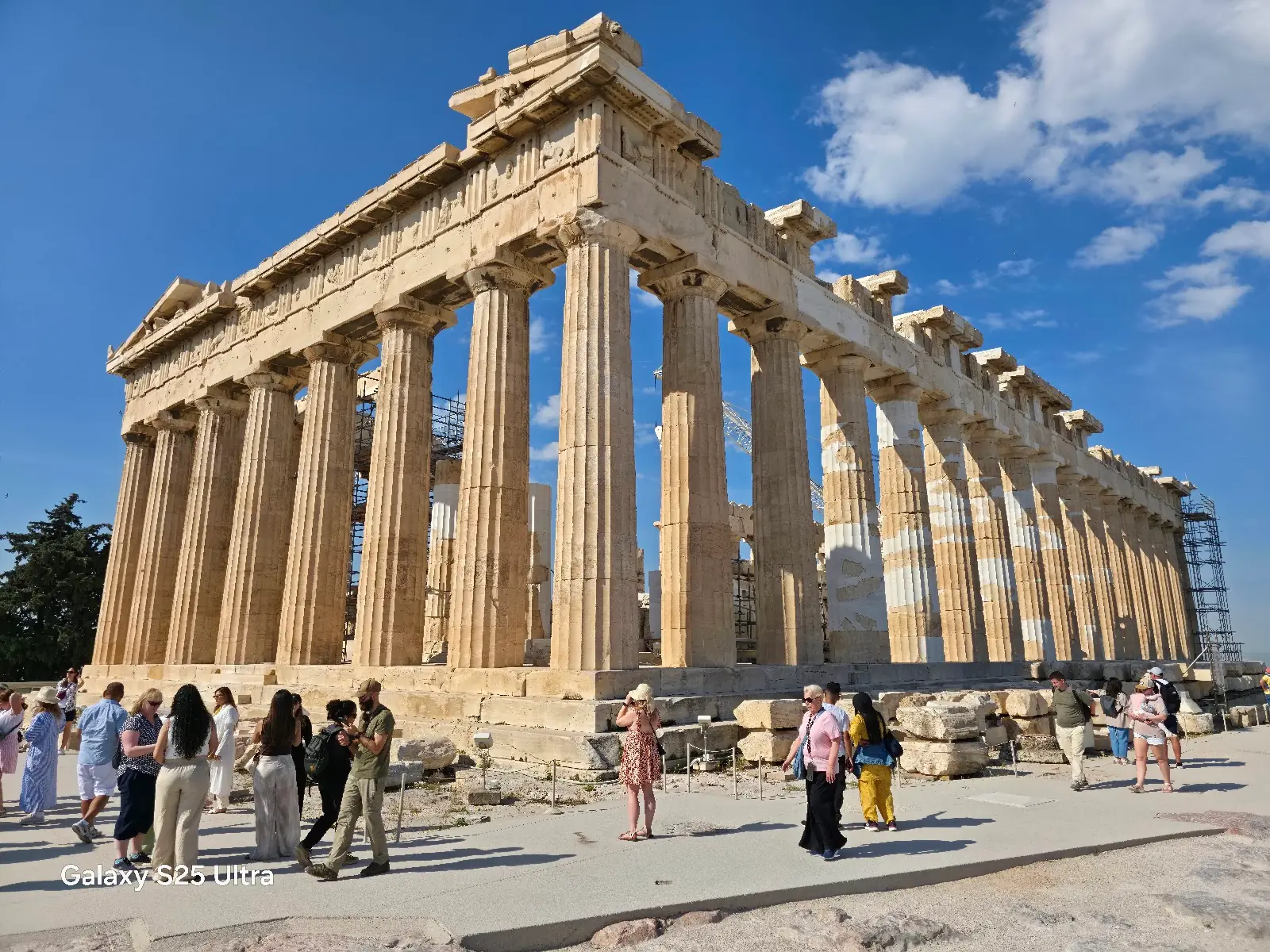
The first time I did Athens in two days I made the classic mistake: I strolled up to the Acropolis at eleven in the morning in July and stood in a slow, sweating queue with a few thousand other people, all of us squinting at the Parthenon through our own sunscreen. The second time I got it right, and two days in Athens turned out to be genuinely enough to see the big things, eat well and still have a slow coffee in a square. The trick is planning the order, because in this city the order is everything.
Here is the itinerary I now give to friends. It assumes you are staying somewhere central, roughly Plaka, Monastiraki, Koukaki or Syntagma, and that you are happy to walk. Athens is compact and walkable, and the historic centre stitches together on foot far better than it looks on a map.
Day one, morning: the Acropolis before the crowds
Be at the gate when it opens. That is the whole secret. In summer the site opens early, and the first hour, before the tour groups arrive and before the marble starts to bake, is the difference between magic and misery. Buy your ticket online the night before so you skip the ticket line entirely.
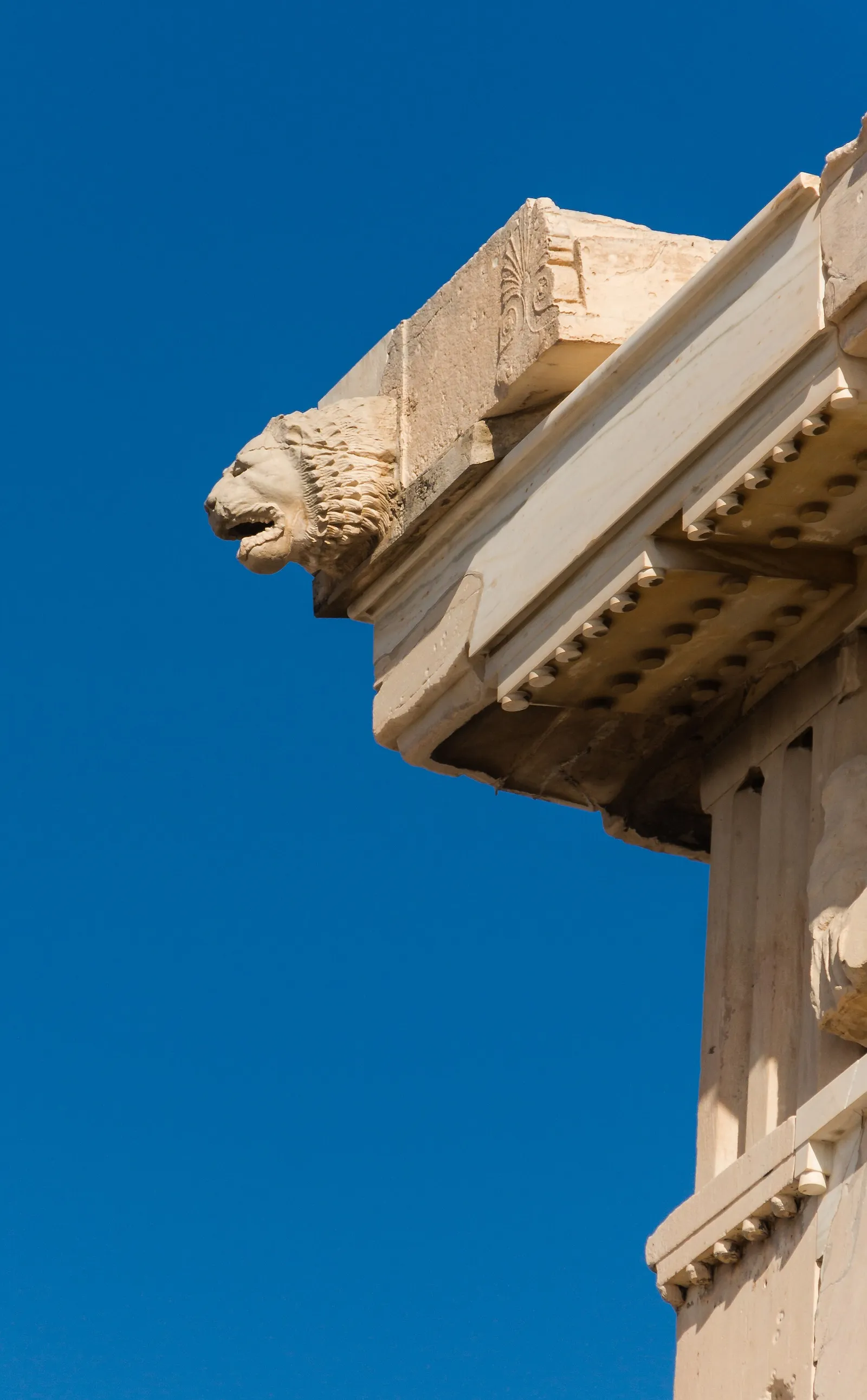
Go up, take your time with the Parthenon, the Erechtheion with its caryatids, and the view over the whole city, then come down through the Theatre of Dionysus. If you want the full context of what you are looking at, the entrances, the ticket types and the order to walk it, I put everything in The Acropolis and Athens: A Complete Sights Guide, which is worth a read before you go.
Day one, late morning: the Acropolis Museum
Come straight down the south slope to the Acropolis Museum, a short walk away. Doing it in this direction, ruins first and museum second, means you already recognise the sculptures and friezes when you meet them indoors, and it feels like the story completing itself. The top-floor Parthenon gallery, with the frieze laid out at the real dimensions and the actual hill framed in the glass behind it, is the single best hour of indoor time in the city. There is a good cafe on the second floor with a terrace view if you need to sit down.
Day one, afternoon: Plaka and Monastiraki
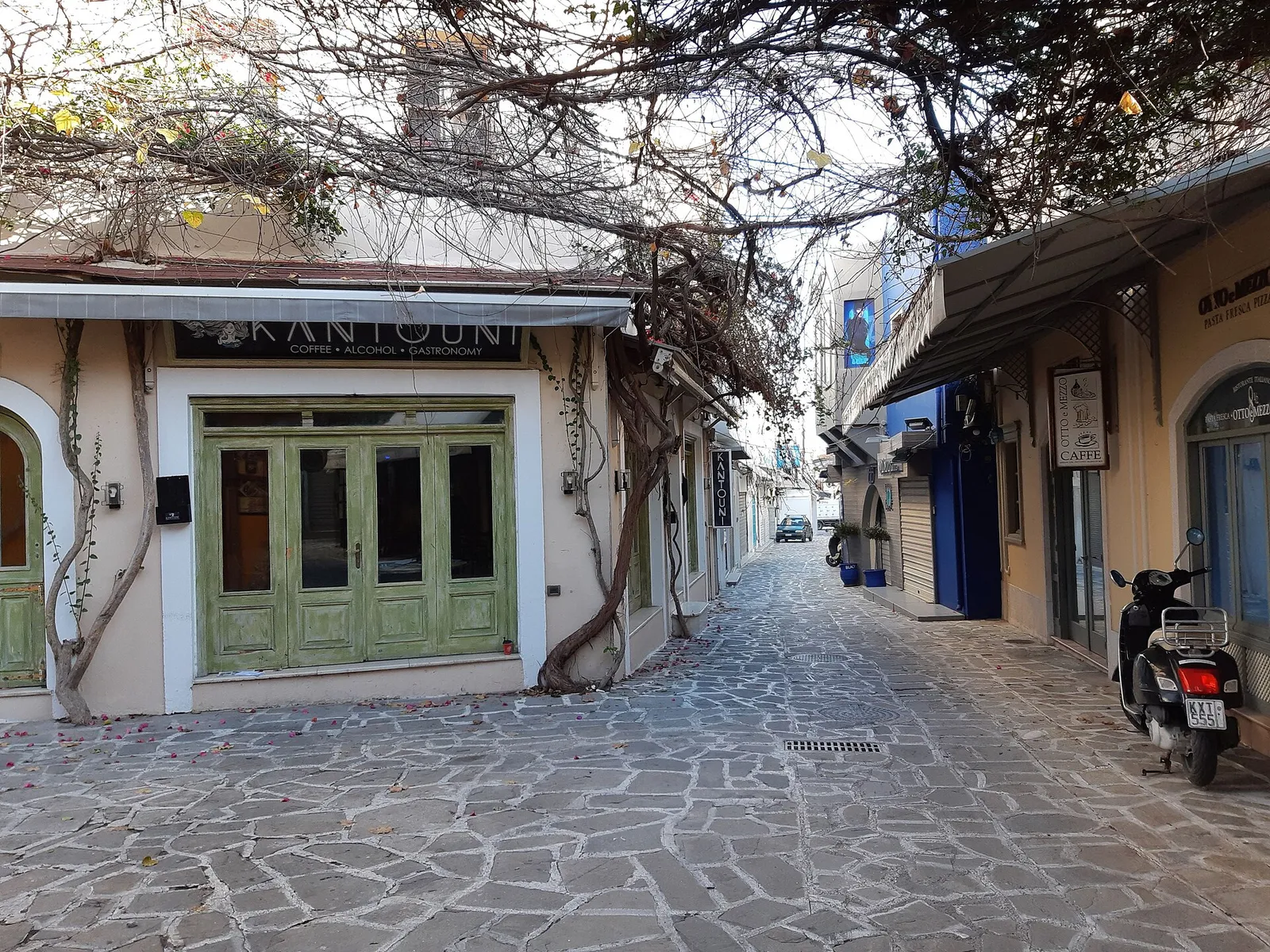
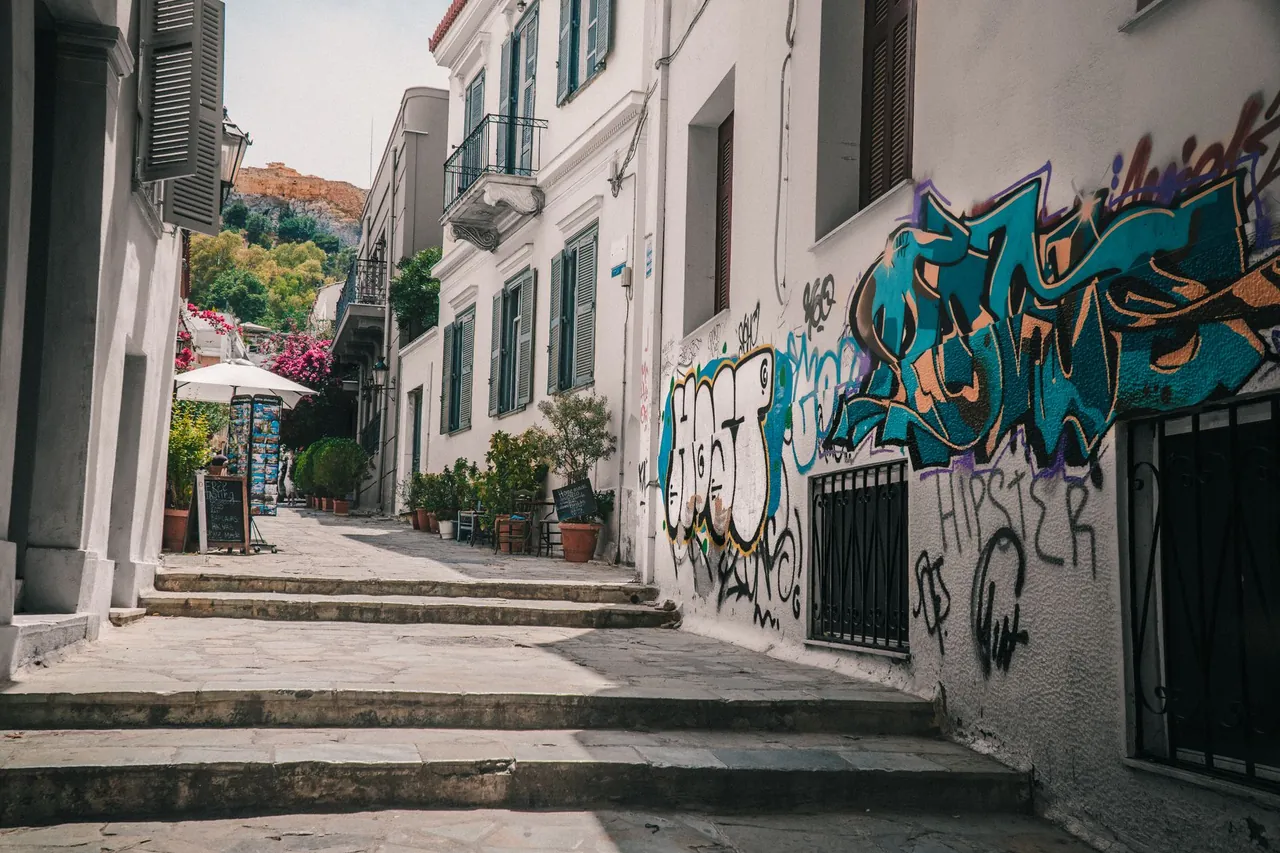
Walk north into Plaka, the oldest neighbourhood, all narrow lanes, bougainvillea and stepped streets climbing towards the rock. It is touristy, no argument, but it is also genuinely pretty, and the Anafiotika pocket at the top, a cluster of tiny whitewashed houses that feels like a Cycladic island dropped into the city, is worth the climb.
From there drift down to Monastiraki, the flea-market square with the little metro station and the view back up to the Parthenon. This is where you eat lunch. Skip the aggressive touts with laminated menus on the main square and duck one street back.
Where to eat around here
For a quick, honest lunch, a proper souvlaki or a pita gyros runs around 4 to 5 euros at the stands off Mitropoleos Street, and it is one of the best cheap meals in Europe. For a sit-down mezze lunch expect roughly 15 to 25 euros a head with a drink. Prices creep up the closer you sit to the square, so wander a block first.
Day one, evening: a hill for sunset
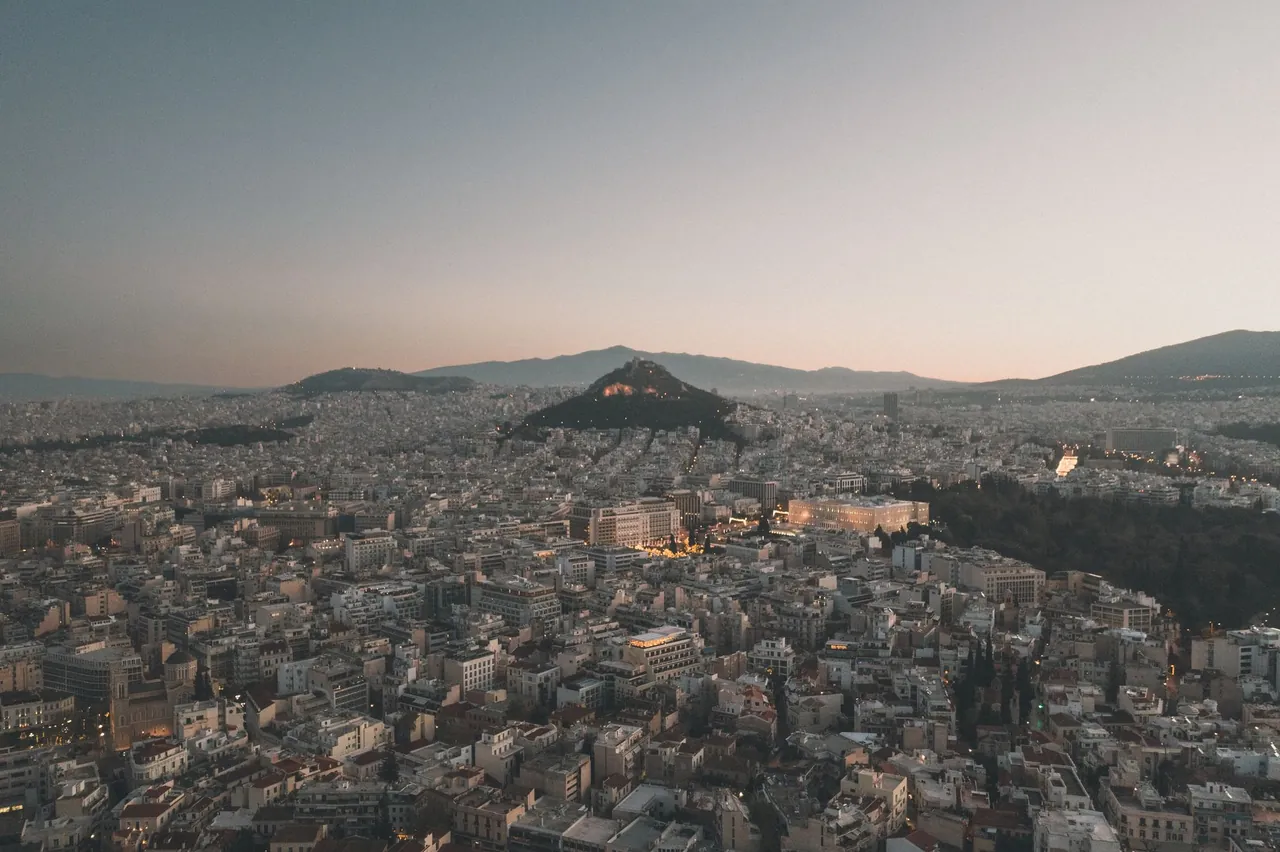
Athens does sunsets from its hills. My favourite is Lycabettus, the highest point in the city, reachable on foot or by the funicular from Kolonaki. The view stretches from the Acropolis to the sea, and the light going gold over the marble is the postcard you came for. If you want something lower and easier, Filopappou Hill or the Areopagus rock beside the Acropolis both work beautifully and cost nothing.
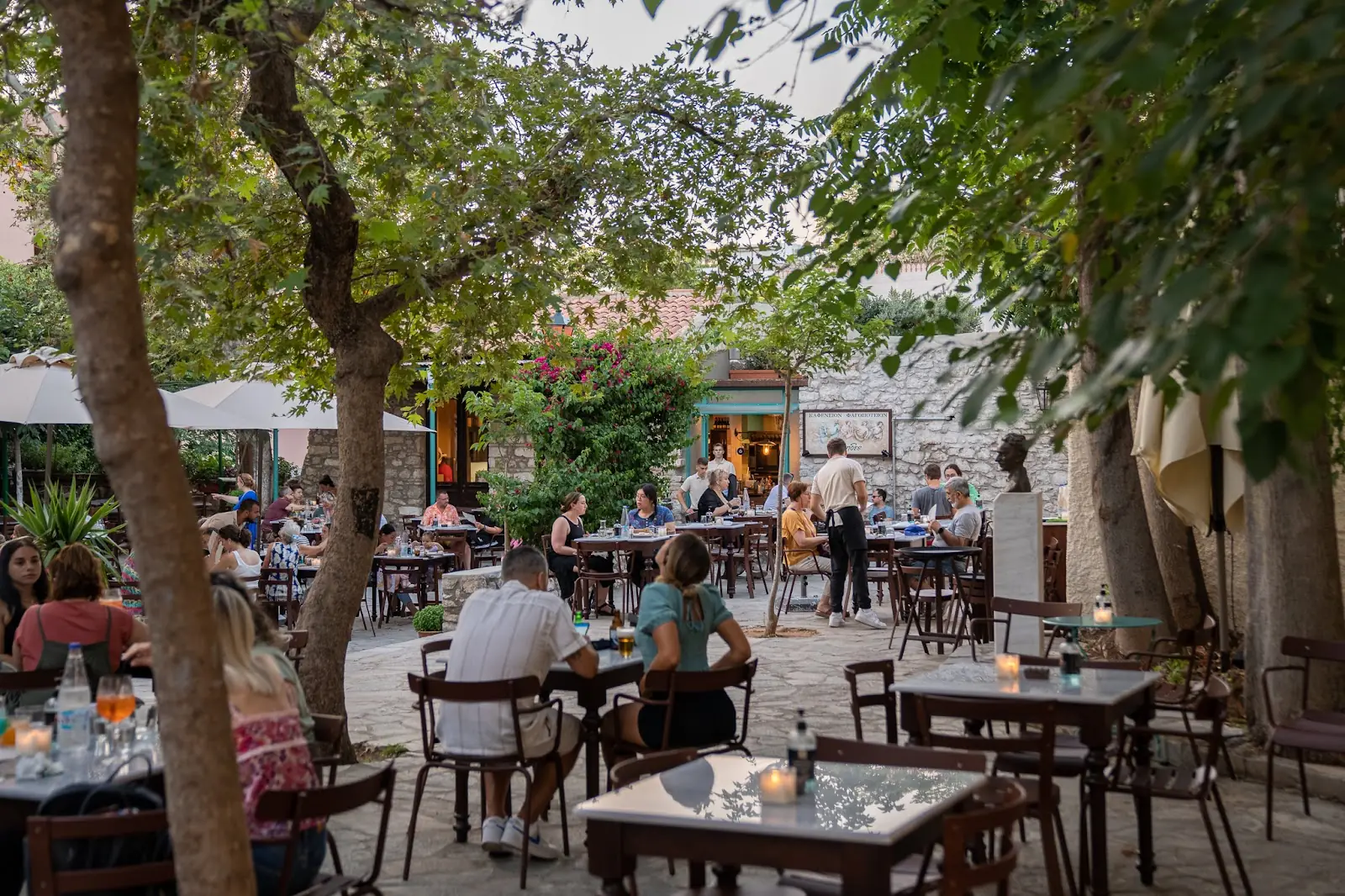
For dinner, head back down to Psiri or Koukaki, both packed with tavernas and small plates. A relaxed dinner with wine sits at roughly 20 to 35 euros a head.
Day two, morning: the National Archaeological Museum
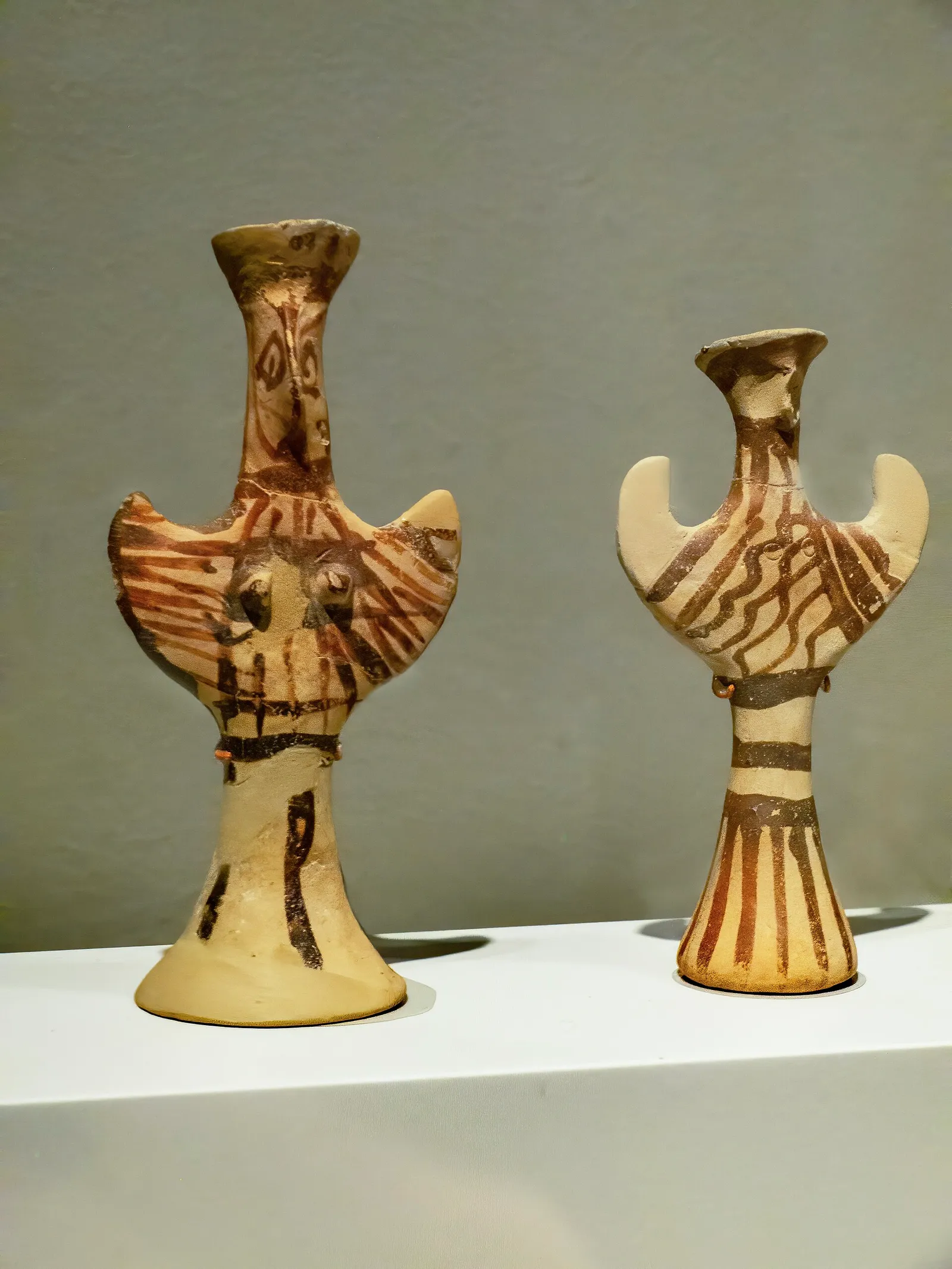
Day two starts indoors, and I would not skip this even if museums are not usually your thing. The National Archaeological Museum, north of the centre near Exarcheia, holds the gold of Mycenae, the bronze warrior statues pulled from shipwrecks, and the Antikythera mechanism, the ancient geared device that still baffles people. Give it two hours. It is a short taxi or a pleasant walk from the centre, and it is far calmer than the Acropolis sites.
Staying central makes this itinerary workPlaka and Koukaki bases from around EUR 70 a night, many with free cancellationDay two, midday: the Agora and the Roman side
Walk back down towards the Ancient Agora, the old civic heart of the city, where the beautifully preserved Temple of Hephaestus sits on a low rise. Next to it are the Roman Agora and the octagonal Tower of the Winds. This is the layer of Athens most visitors rush past, and it is quieter and shadier than the rock above it. From here you are already back in Monastiraki for a late lunch.
Day two, afternoon: markets, coffee and the National Garden
If it is a weekday, the Central Municipal Market (Varvakios) on Athinas Street is a loud, wonderful sprawl of fishmongers and butchers, worth a walk-through even if you buy nothing. Then slow the day right down: a freddo espresso in a Kolonaki cafe, a stroll through the National Garden behind Parliament, and, if the timing lands, the changing of the guard at the Tomb of the Unknown Soldier on Syntagma Square, which happens on the hour.
A two-day plan at a glance
| Time | Day 1 | Day 2 |
|---|---|---|
| Morning | Acropolis at opening | National Archaeological Museum |
| Late morning | Acropolis Museum | Ancient and Roman Agora |
| Afternoon | Plaka and Monastiraki, lunch | Central Market, coffee, garden |
| Evening | Lycabettus sunset, dinner in Psiri | Syntagma and a farewell meal |
If you have a third day, or a spare evening
Two more things sit within reach of the same base.
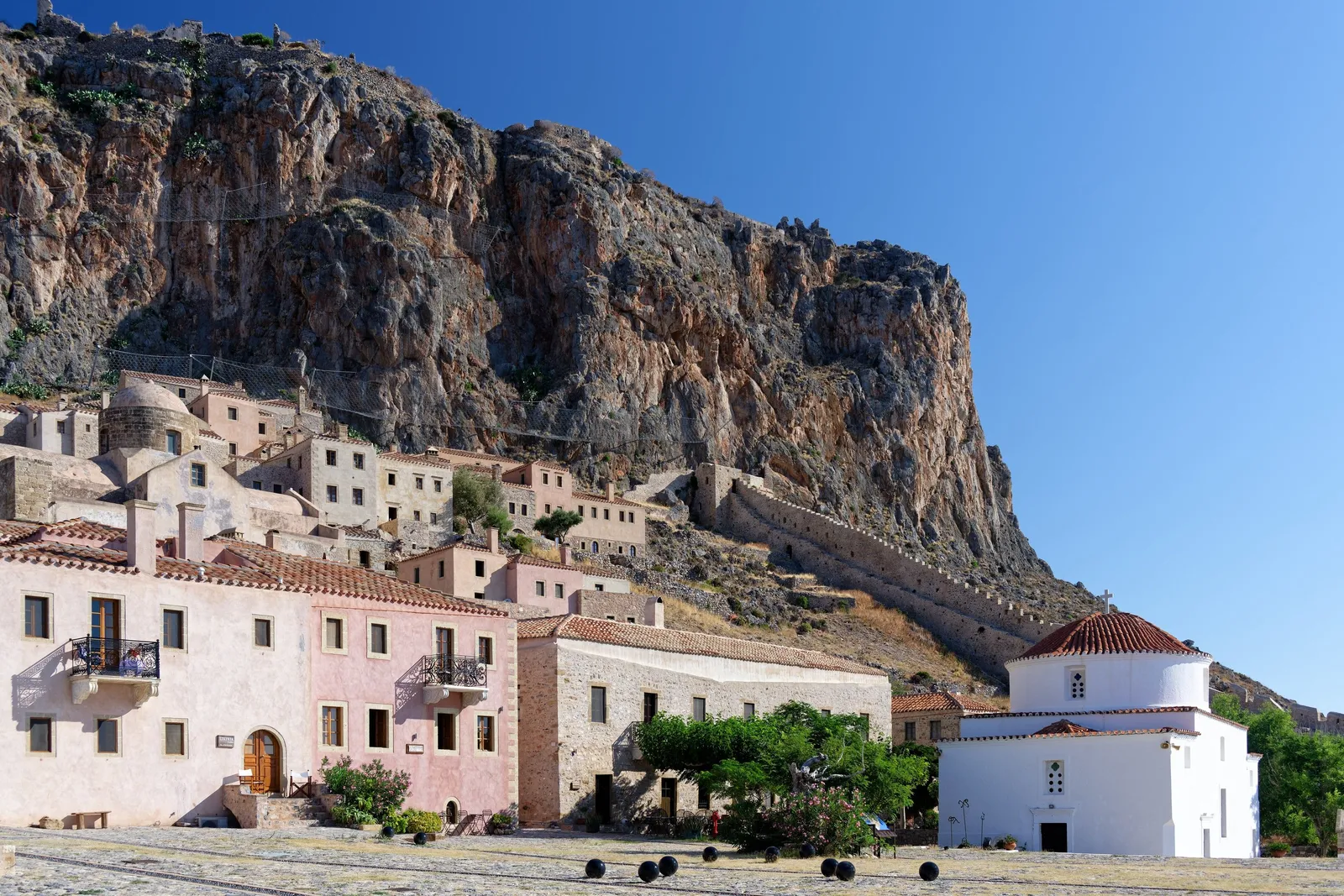
A day out of the city is the obvious use of a third day, since the classical sites, the coast and the mountain monasteries are all within a comfortable return trip; our day trips from Athens guide covers which are worth the early start.
And the eating deserves more than a gap between sights. Athens has become one of the more interesting food cities in the Mediterranean, and our Athens restaurants guide covers where to go and, more usefully, at what hour.
Is two days really enough for Athens?
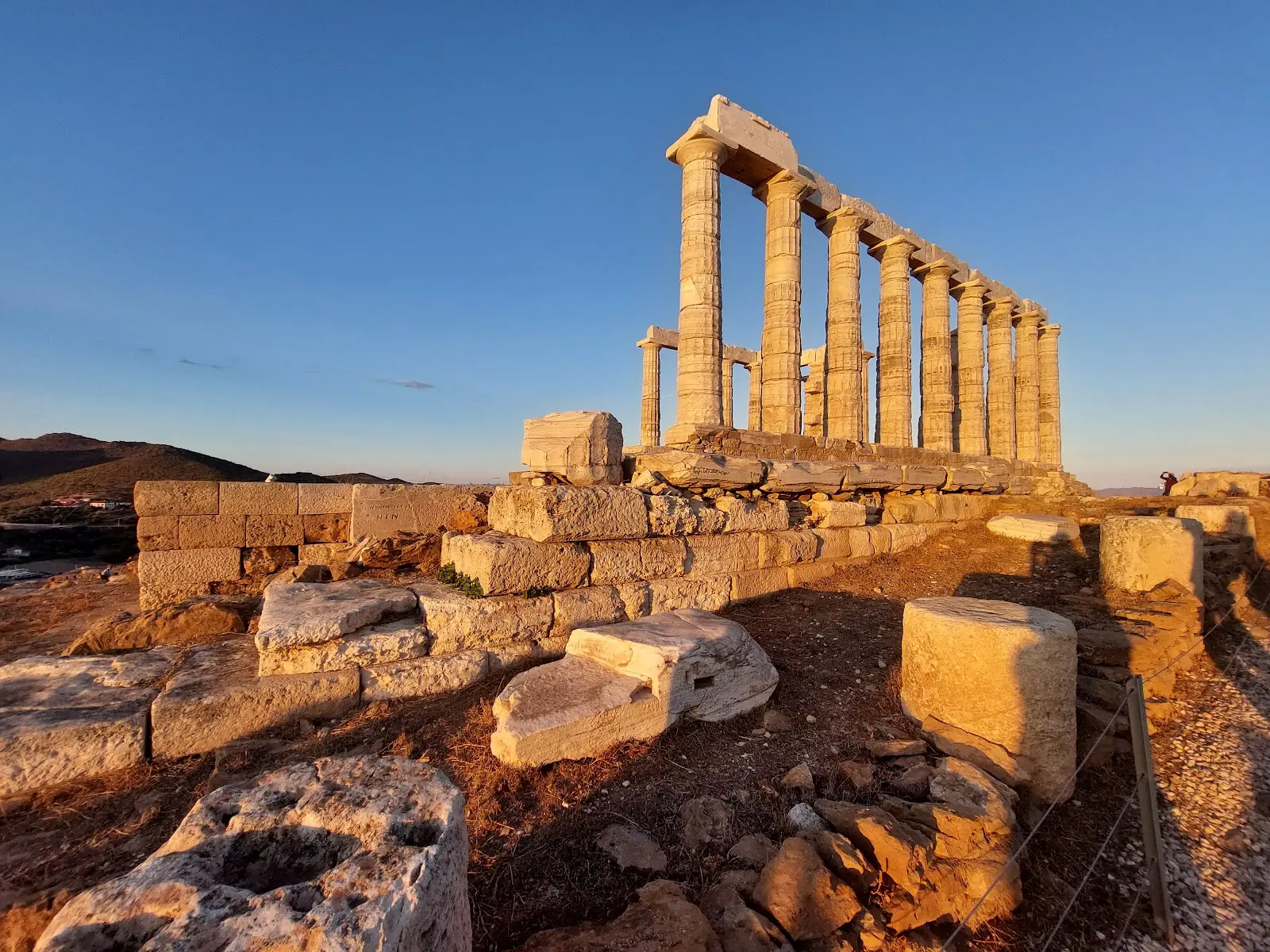
Honestly, yes, for the essentials. Two days covers the Acropolis, both major museums, the old neighbourhoods, a sunset and a lot of good food. What you sacrifice is depth and day trips: Cape Sounion, Delphi and the beaches of the Athens Riviera all need their own day. If you have a third day, that is where I would spend it. But if two is what you have, plan the order, start early, and the city gives you plenty.
What would you cut from this plan, and what would you add if you had a third day? Tell me in the comments, I am always rebuilding my own Athens list.