Rhodes is bigger than most people expect, which is the single fact that should drive where you book. It is not an island you can base yourself on anywhere and reach everything from, and the difference between sleeping inside a medieval walled city and sleeping in a resort forty minutes down the coast is a difference in the whole holiday, not just the room. Here is how the island divides.
The old town, for atmosphere
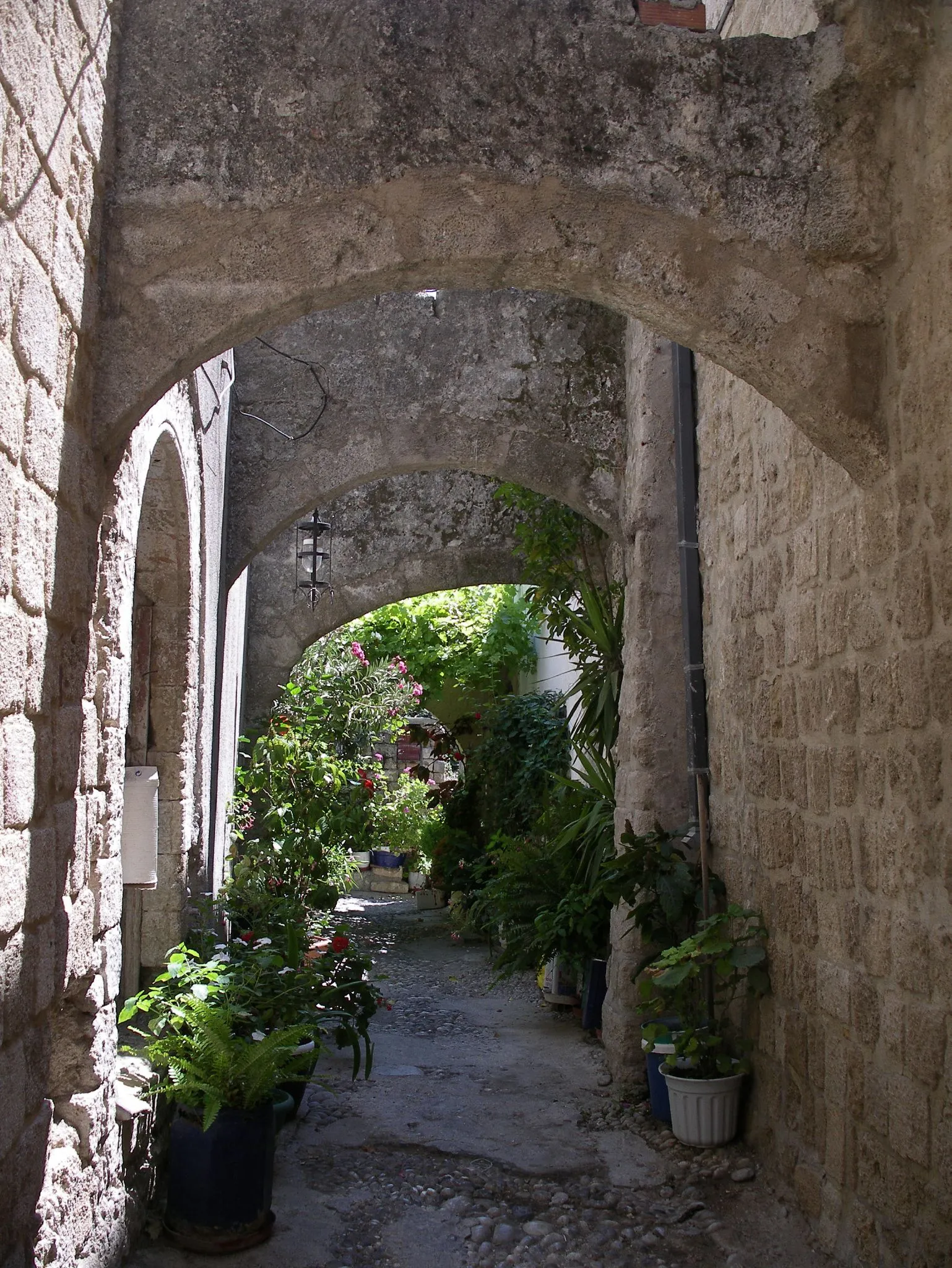
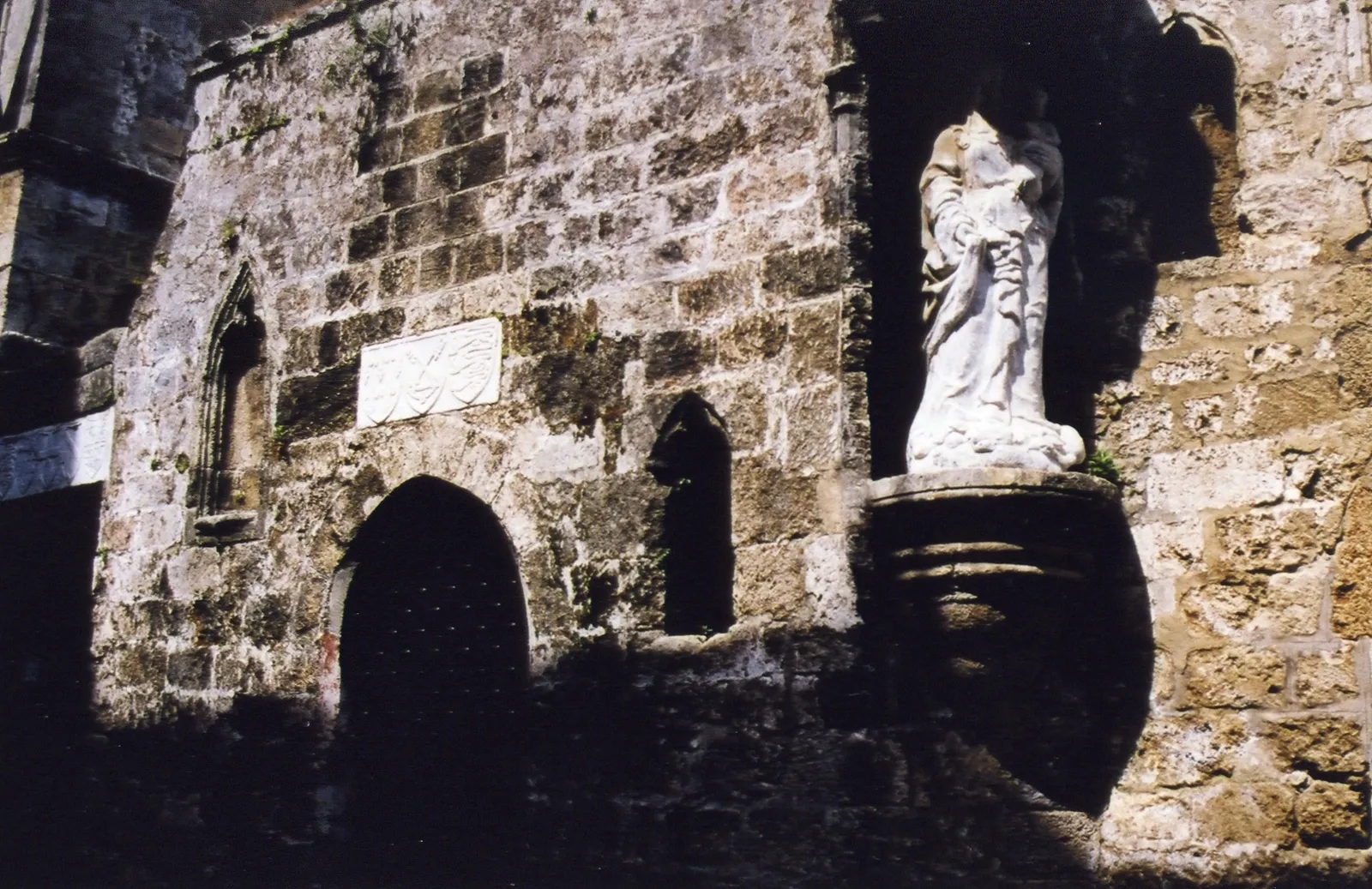
Rhodes Town’s medieval core is a UNESCO World Heritage Site, built by the Knights of St John from the fourteenth century and lived in continuously since, rather than preserved as a museum piece. Sleeping inside the walls means cobbled lanes, stone archways, next to no through traffic in much of it, and a city that empties of day visitors by early evening and becomes genuinely atmospheric once the tour groups leave.
The costs are real and worth naming. Luggage over cobbles is hard work, and general vehicle access into the historic centre is restricted to protect the walled city, so expect to walk the last stretch from wherever a taxi can actually drop you. Some quarters carry noise that runs late, while others just a few lanes over are quiet by ten. Rooms inside centuries-old buildings vary enormously too: some are genuinely special conversions with high stone ceilings, others are small and low-lit because they were never built as hotel rooms in the first place, so read recent reviews rather than judging from photos alone.
For a first visit that is more about the place than the beach, staying inside the walls is still the most rewarding choice, provided you pick a quiet lane and are honest about how much luggage you are bringing.
The new town, for convenience
Neochori, the modern town immediately north of the walls, is the practical option. It has Elli beach on its doorstep, a wide spread of ordinary restaurants and shops rather than tourist-facing ones, and the bus station close by, useful for island hopping through the Dodecanese. Mandraki, the old harbour separating the new town from the walled city, is where the small ferries and day-trip boats to islands such as Symi tie up, and a room near it keeps both the old town and the transport links close.
It is less photogenic and considerably easier to live in day to day. For anyone arriving late, leaving early, travelling with a lot of luggage, or using Rhodes as a hub for boats to other islands, Neochori around Mandraki is the sensible base.
Lindos, for the picture
Lindos sits roughly an hour down the east coast from the capital: a cluster of white houses beneath an acropolis on a rock, with a sheltered bay below. It is the image of Rhodes that sells the island, and it lives up to it.
Two practical realities sit behind the beauty. The village centre is car-free and steeply stepped, which is charming on arrival and less so with suitcases in August heat, and donkeys still work the route up to the acropolis. And Lindos absorbs a large volume of day trippers through the middle of the day in season, so the quiet version of the village exists early and late rather than at lunchtime.
There is also a distance to reckon with that catches people out. The airport sits on the far side of the island near the west coast, so a transfer to Lindos takes noticeably longer than one to the capital or the nearby east coast resorts. Treat any journey time you see online as approximate, and confirm the current transfer time or bus timetable before planning around an early or late flight.
Book the area before you book the roomOn an island this size, the difference between the old town and a south coast village is a different holiday, not a different addressThe resort coasts
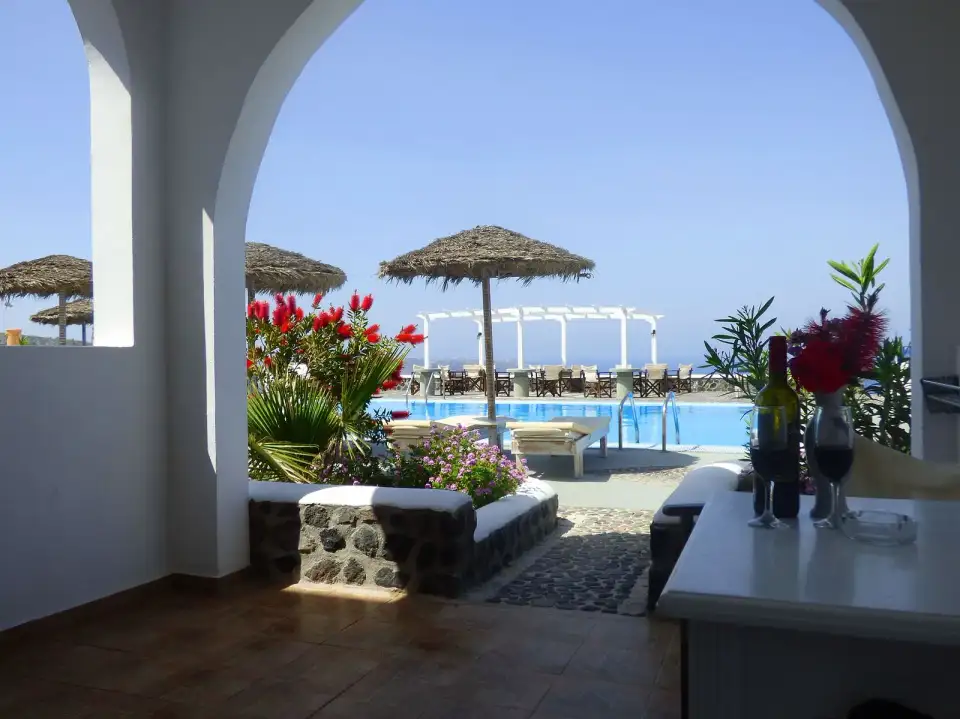
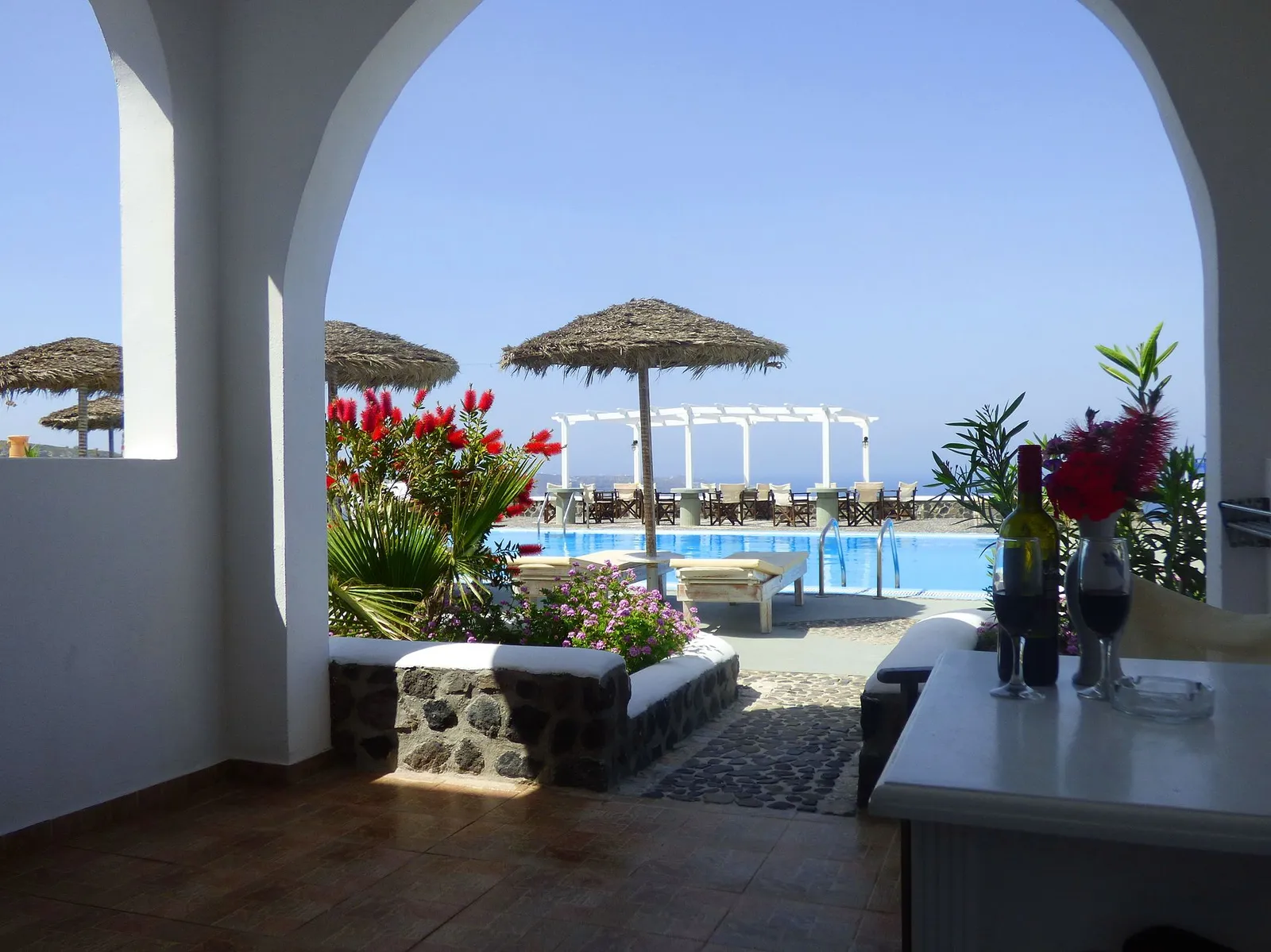
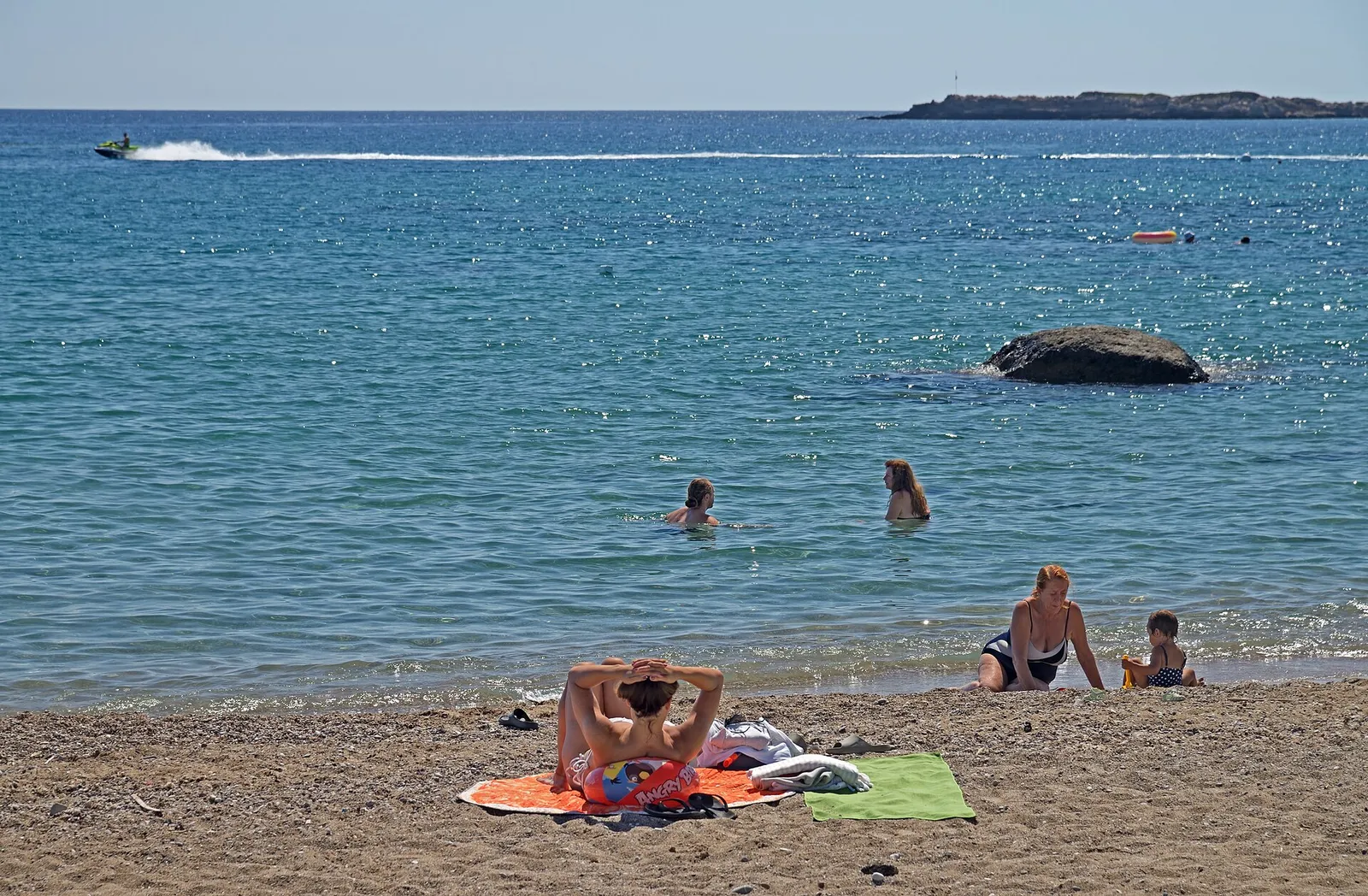
The east coast is the sheltered side, with calmer water and most of the island’s large hotels. Faliraki is the most developed point on it: a package resort strip with a water park, a long stretch of bars and clubs, and hotels ranging from big family resorts to livelier options aimed at groups on a night out. It suits travellers who want pool, beach and nightlife within a short walk, without much local character, so check exactly where a specific hotel sits relative to the noisier stretch before booking it as a family holiday. Further south, past Kolympia and Afandou, the resorts thin out and quieten down well before Lindos.
The west coast, around Ixia and Ialyssos near the capital, faces the open Aegean and is reliably windy: a drawback for lying on a beach, and exactly the attraction for windsurfing and kitesurfing. Further south, past the airport, the coast turns rural and considerably quieter, with fewer big hotels and the same wind, better suited to drivers who want a beach to themselves. Choose a coast deliberately rather than by price alone.
The quiet south and the interior
Between Lindos and the far south sits Kiotari, the pick for anyone who wants a straightforward beach holiday and nothing more: a run of mid-range and family hotels, several all-inclusive, set behind a good sandy beach, with a small evening strip and little else. It has none of the history of the old town or the intensity of Faliraki, which is precisely its appeal for anyone who came just to sit by the sea.
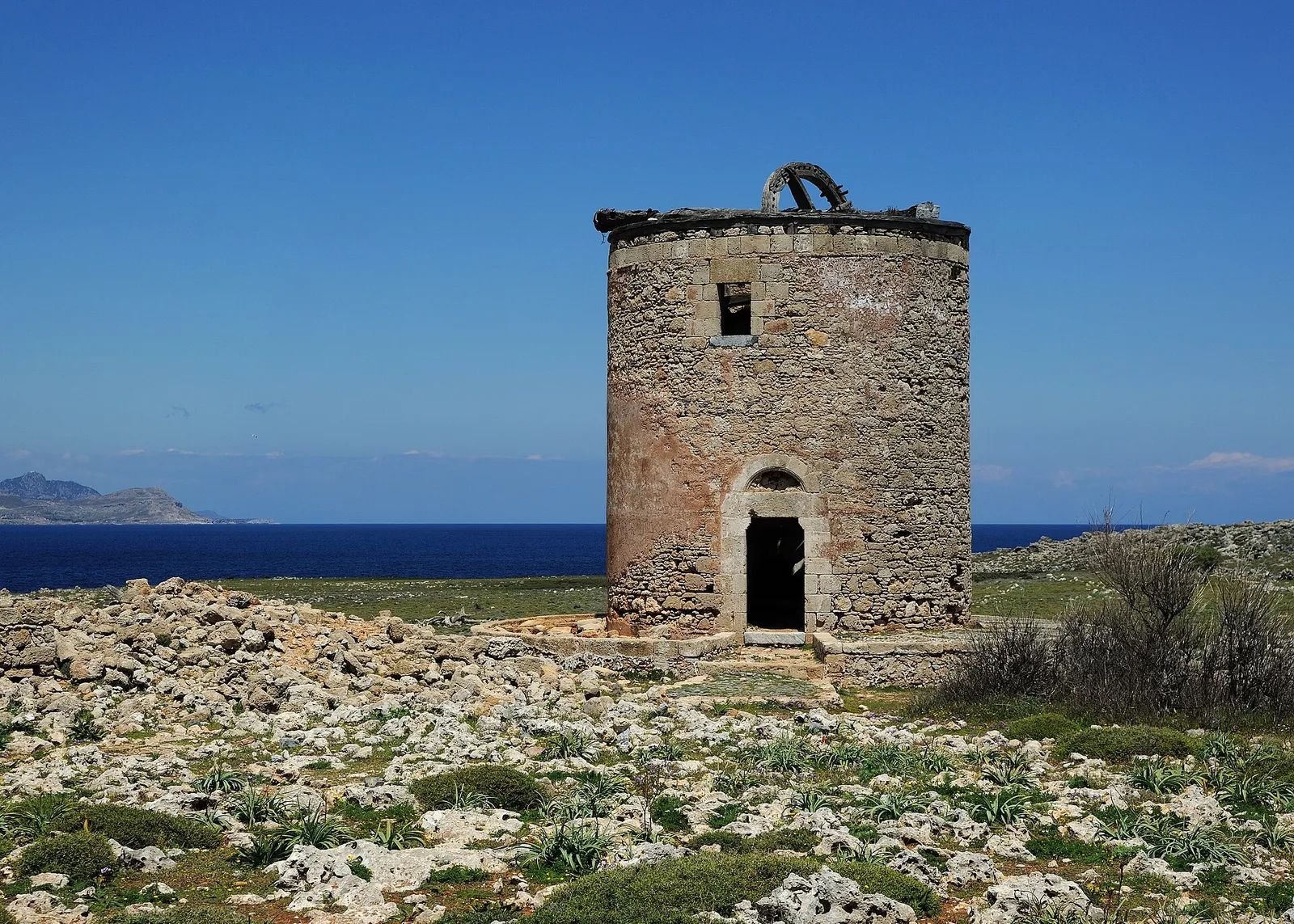
South and inland of that the island properly empties out. Villages such as Gennadi and Lachania, and the sandspit at Prasonisi at the very southern tip where two seas meet, are a different Rhodes again: agricultural, low-rise and noticeably cheaper.
This part of the island effectively requires a car. Buses run the main east coast route but thin out considerably beyond Lindos, and the interior villages and mountain roads are not realistically reachable without one. For anyone who wants a Greek island rather than a resort, and is content to drive, this stretch from Kiotari south is where to look. Our Rhodes guide covers what there is to do once you are down there.
Choosing, in one paragraph
With three nights, a common length of stay for anyone adding Rhodes onto a wider Greek trip, the old town is the base that makes the most of a short visit: you can walk to dinner every night, and a single day trip out to Lindos and back barely dents that time. With a full week, split the stay between a few nights in the old town and a few on the coast to get both sides of the island without either feeling rushed. If you are here for a beach holiday with children, the sheltered east coast is built for it. If you are island hopping, staying near Mandraki keeps you next to the boats. If you want quiet and have a car, head south past Kiotari. The wider question of how Rhodes compares with the alternatives is covered in our guides to choosing a Greek island and where to stay in Greece more generally.