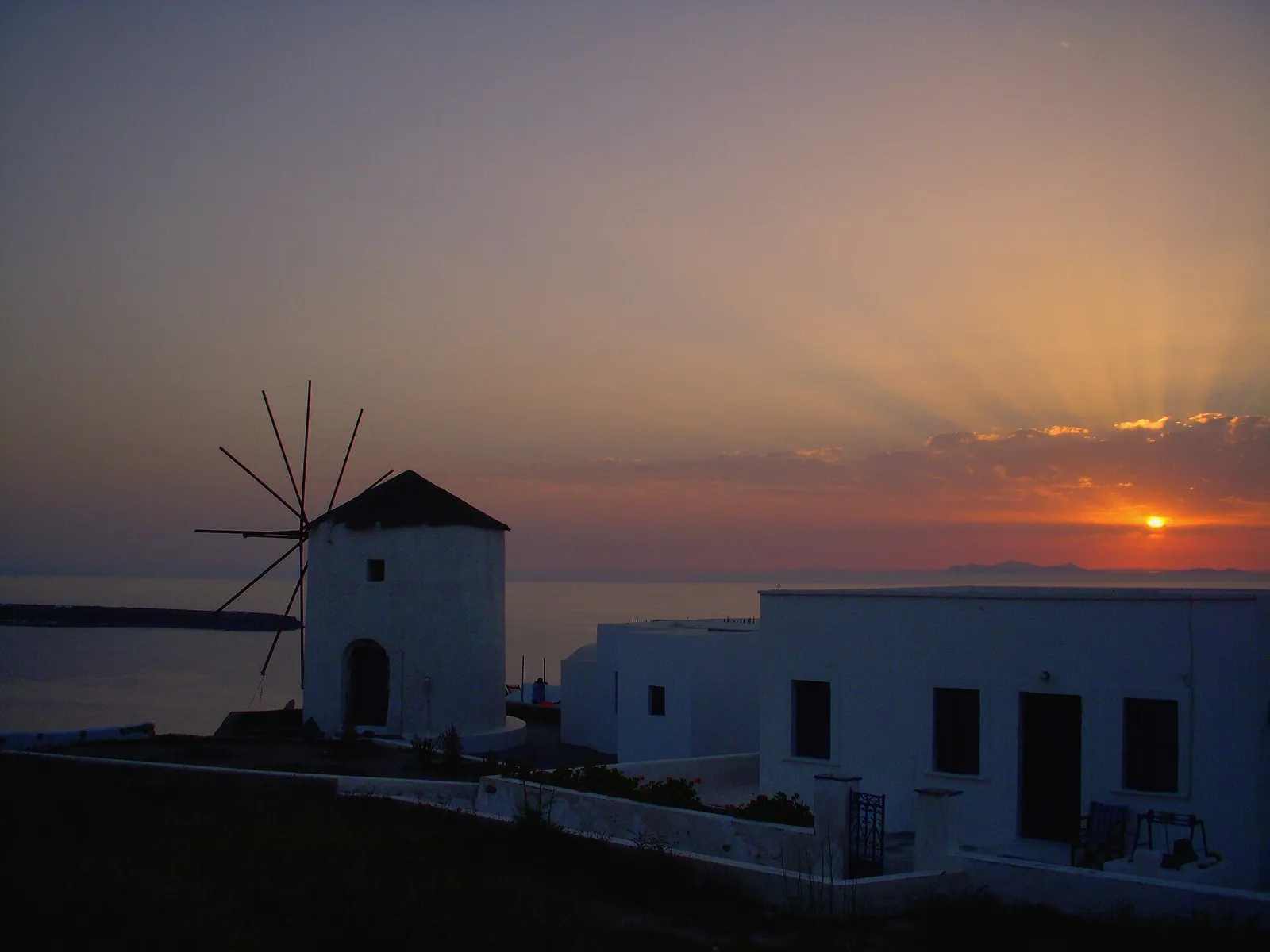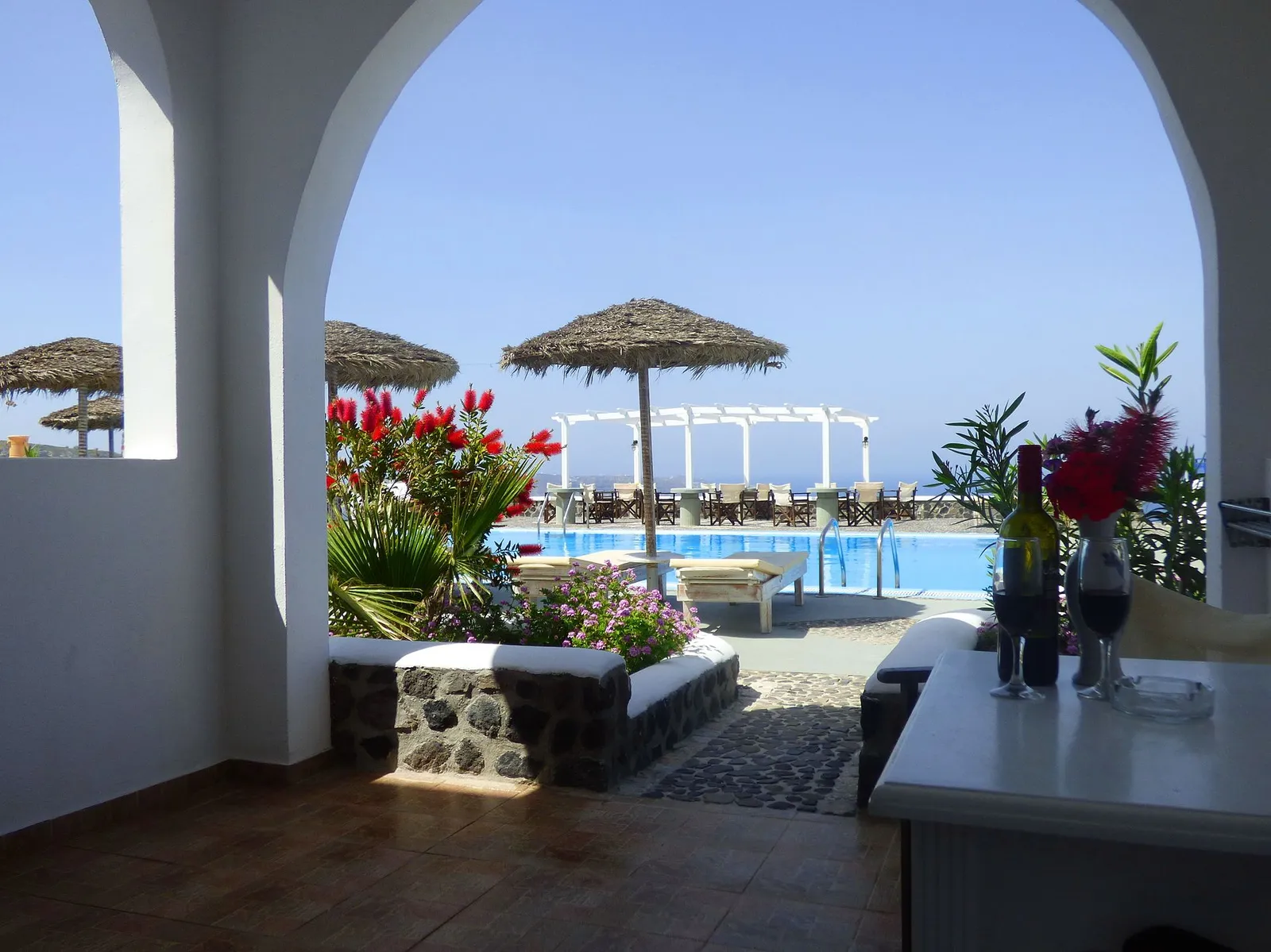
The biggest decision in a Greek trip is not which island to visit. It is how many places you sleep, and in what order. Greece is spread across a great deal of water, its connections run on a timetable rather than on demand, and every change of base costs more of the day than people budget for. Get the structure right and an ordinary itinerary feels generous. Get it wrong and a beautiful trip turns into a sequence of ports.
How many bases
Two bases in a week. One island and Athens, or two islands close together. This is the shape that leaves you feeling rested.
Three bases in ten days. Athens plus two islands, or one island plus a mainland region plus Athens. This is the standard and it works.
Four in two weeks, and no more. Each additional move is roughly half a day gone, and the fourth one is usually the one people say they would drop.
Two nights is the floor. A one-night stop is an arrival and a departure with a dinner in between, and it costs the same day as a three-night stay.
Athens, and when to sleep in it
Athens is not just a place to change planes, and it is also the insurance policy for the rest of the trip.
A night at the start gets the flight out of your system and puts you at the Acropolis gate early the next morning, which is worth a great deal in summer.
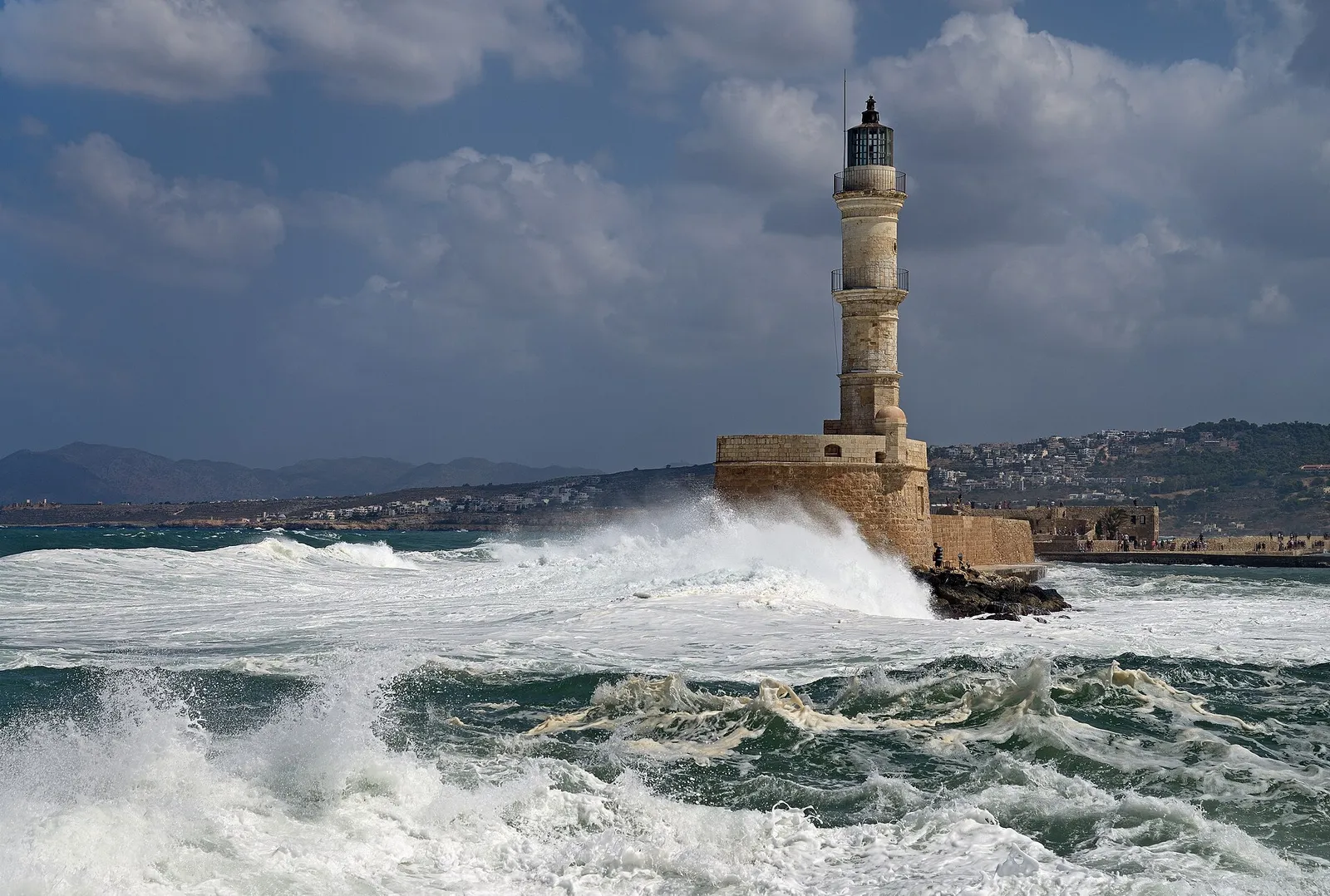
A night at the end is close to essential. Ferries are suspended when the wind is up, with no alternative operator to switch to, and a same-day connection between an island and an international flight is the most common way a Greek holiday ends badly.
Where to stay in the city depends on whether you want the ancient centre on your doorstep or a quieter residential neighbourhood with better food and a short metro ride, and both work.
Islands or mainland
The islands are what most first-time visitors picture and they deliver it: the sea, the whitewashed villages, the ferry arrivals, the long lunches. They are also the expensive half of the country in July and August.
The mainland holds the great classical sites, the mountain villages, the north, the Peloponnese and prices that have not moved the way the islands have. It is a driving holiday rather than a boat one.
A mixed trip works well over two weeks: a mainland loop by car and one or two islands to finish, which also puts the ferry risk in the middle rather than the end.
Choosing within an island
Once you have picked an island, the choice of base changes the holiday more than people expect.
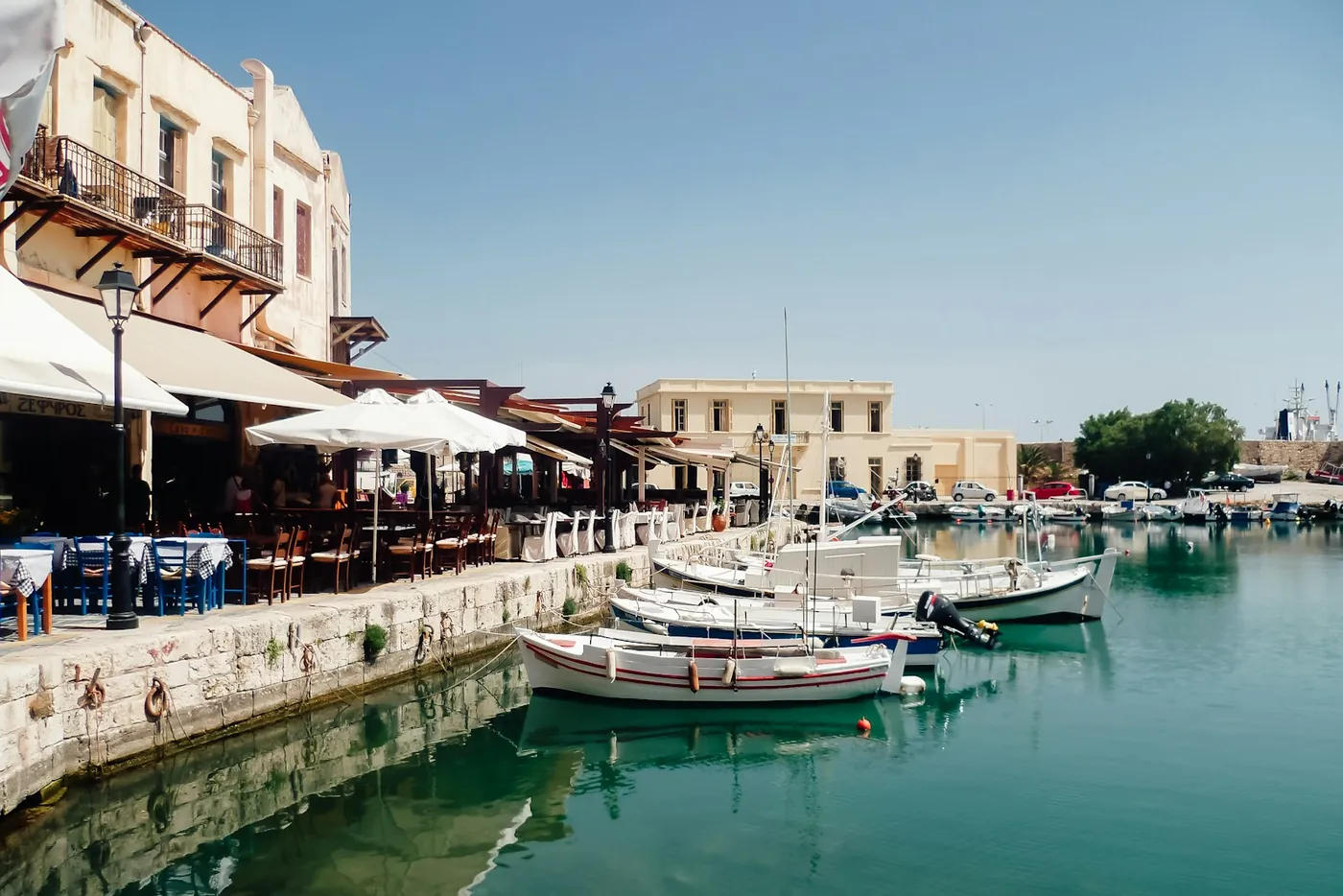
Port towns are convenient, cheaper, and have the ferries, the buses, the supermarkets and the late food.
Beach villages put you in the water and take you away from the evening life.
Hill villages are cooler, quieter, cheaper and require a car.
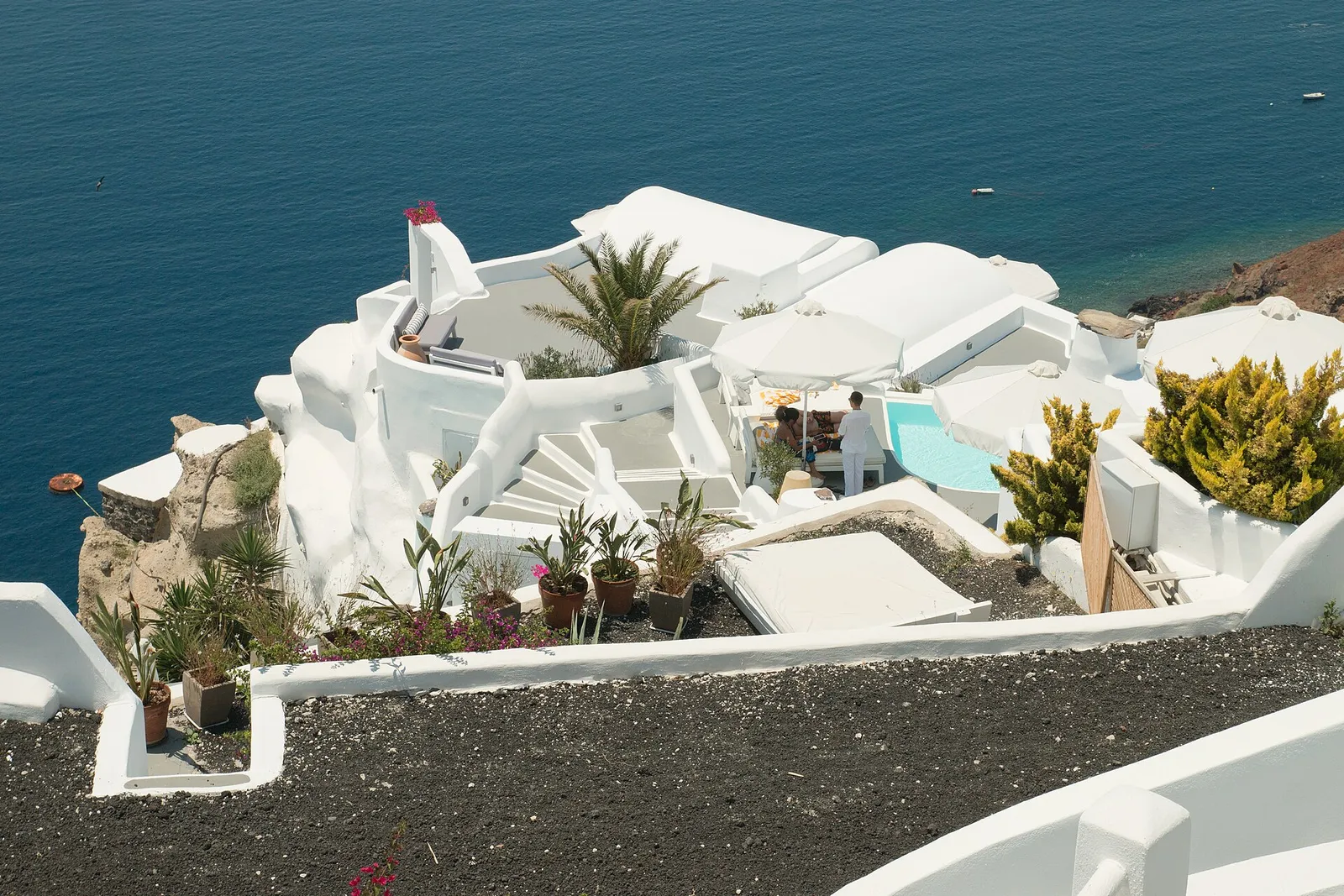
The famous view costs a premium everywhere it exists, and on some islands it is genuinely the reason to come while on others it is a photograph you could have taken on a day trip.
The room types Greece does well
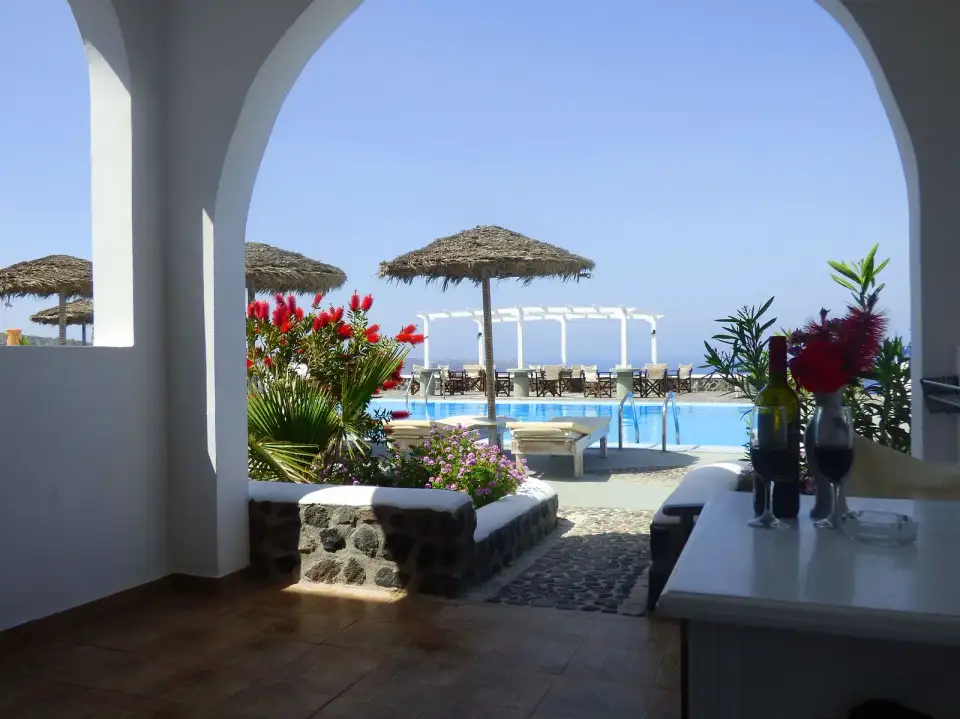
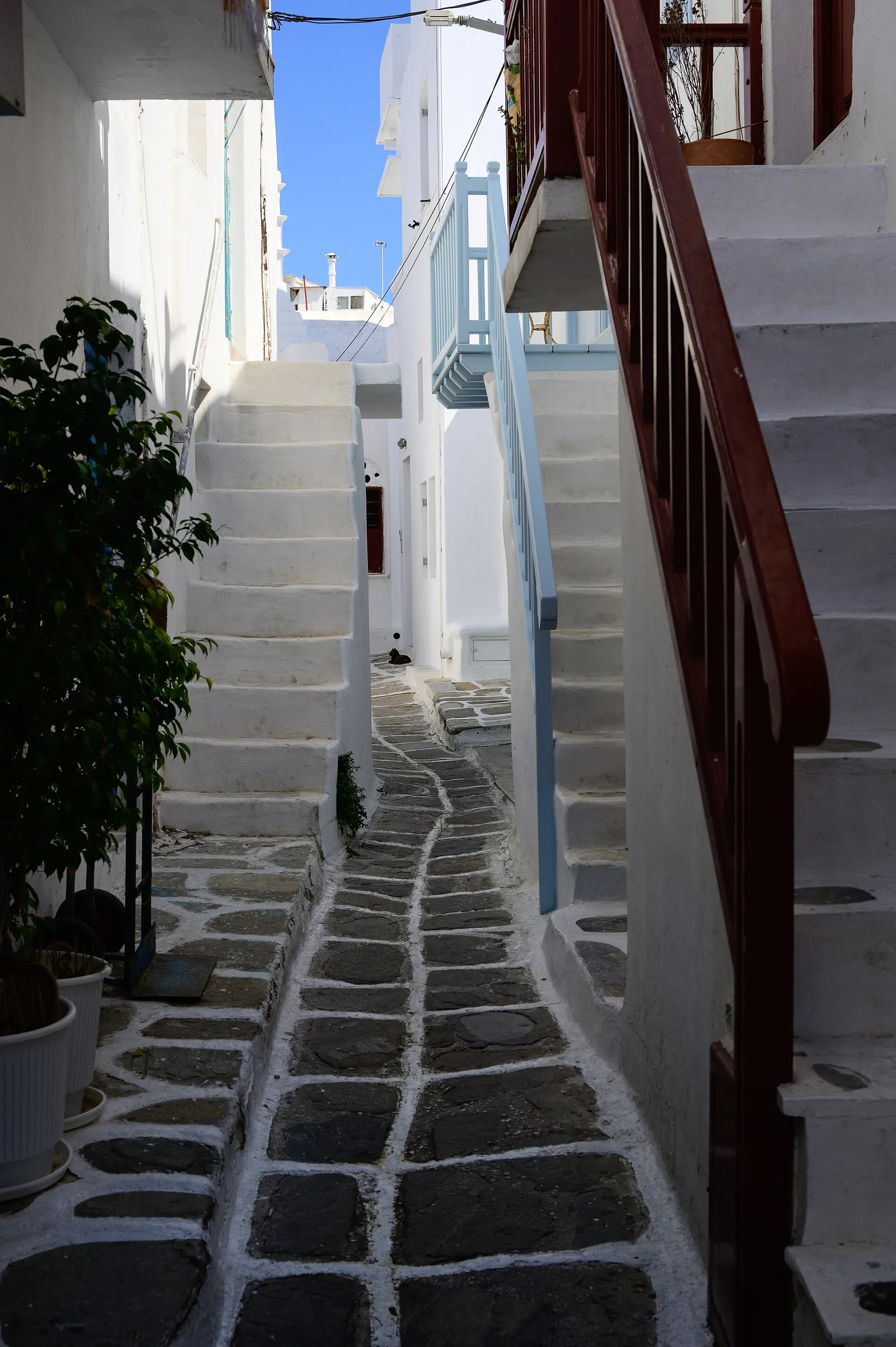
Studios and apartments with a kitchenette are the backbone of Greek accommodation, family run, well priced, and a large saving for anyone travelling with children.
Rooms above a taverna are the traditional version of the same thing and frequently the warmest welcome you will get.
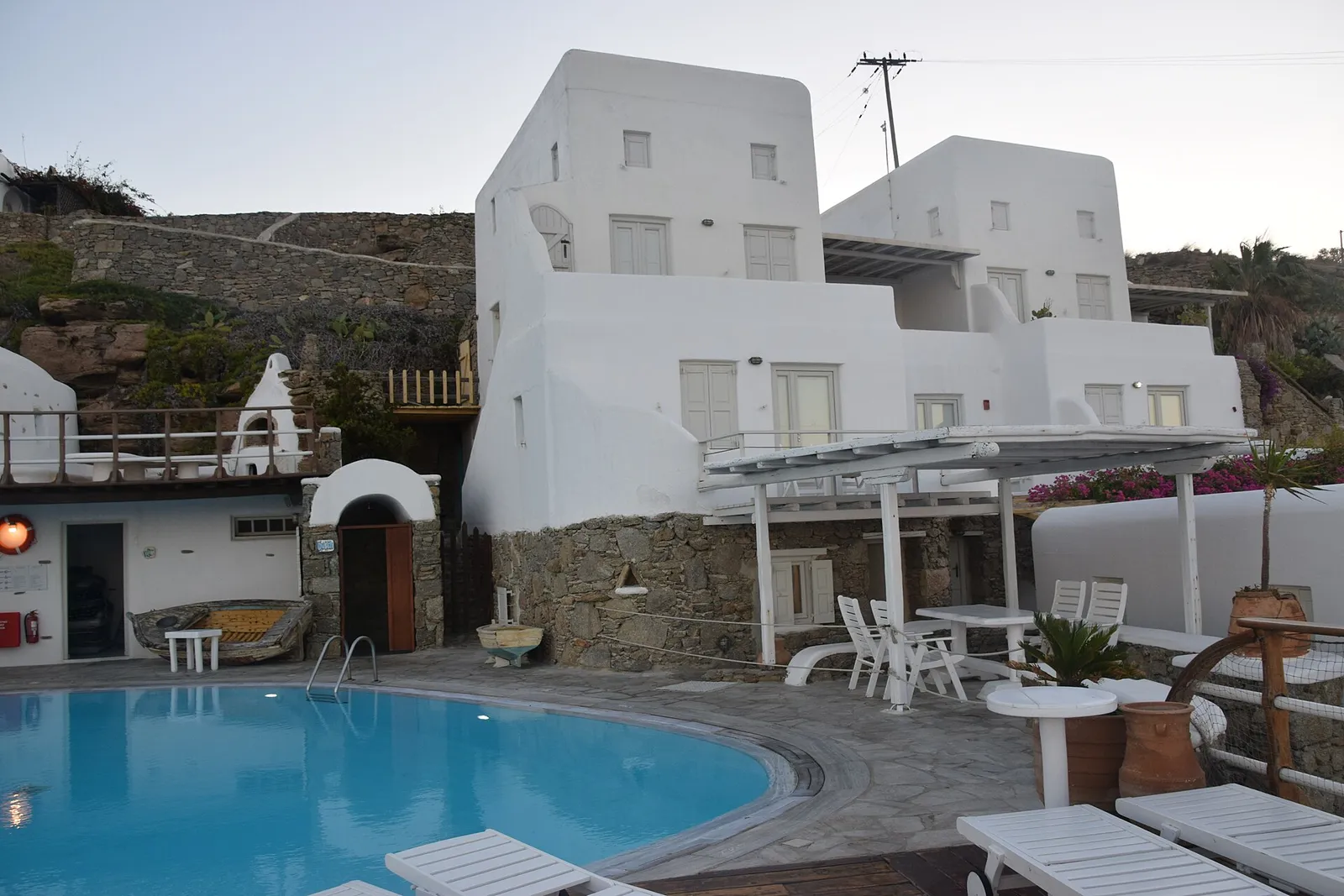
Small boutique hotels have multiplied on the popular islands and are where the design and the price both live.
Big resorts cluster on Crete, Rhodes, Corfu and the Halkidiki coast, and are the right answer for a one-base beach week.
Camping exists and is decent on several islands, and is a genuine budget option in high season.
Where this fits
For the island where the choice of base matters more than anywhere else in Greece, our guide to where to stay in Santorini covers the difference between a caldera room and the coast, which is the biggest single spending decision on a Greek trip.
For the largest island and the one where a wrong base means an hour in the car every morning, our guide to where to stay in Crete covers how to split it.
And for the island where the neighbourhoods differ most in mood, from party beach to quiet north, our guide to where to stay in Mykonos sets out which area matches which trip.
The short version
Use three bases in ten days and four in two weeks, never fewer than two nights each. Put a night in Athens at the end of the trip whatever else you do, because it is what protects your flight home from the wind. Decide between the islands and the mainland by whether you want a boat timetable or a car, and consider mixing them over a longer trip. Within an island, choose between the port, the beach and the hills deliberately, since they are three different holidays. And book the mid-range rooms early, because they go first.