Piraeus is the busiest passenger port in Europe and it does not behave like an airport. There is no single terminal, no central departures board that covers everything, and the walk between two gates can take twenty minutes. Almost every Greek island trip passes through it, and almost every problem people have with it comes down to the same two things: not knowing which gate they need, and not leaving enough room in the plan for the weather. Both are easy to solve.
The shape of the port
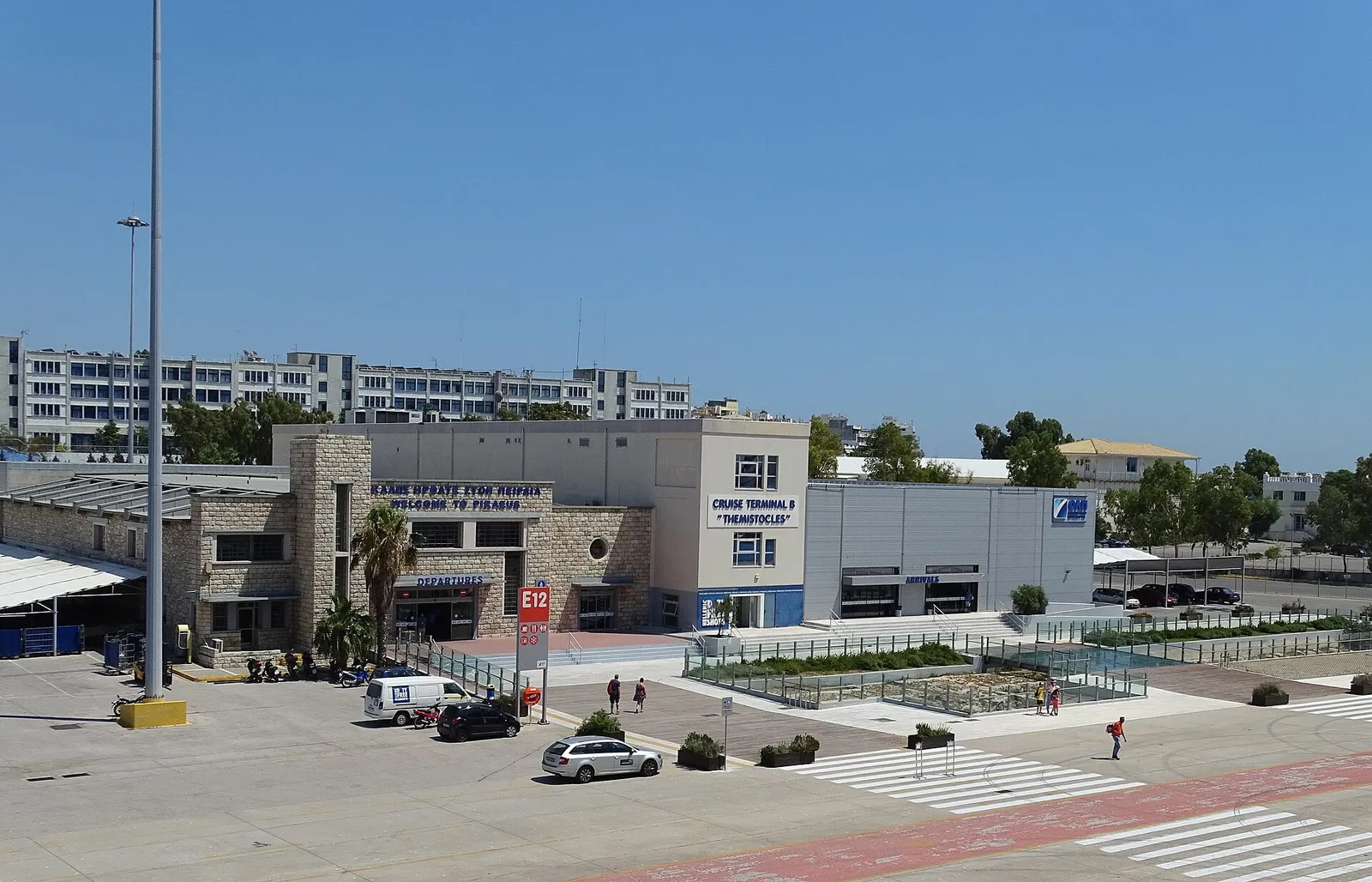
It is a large basin ringed by numbered gates, each serving particular destinations, spread over a distance you would not want to walk with luggage.
Free shuttle buses circulate between the gates through the day, and they are the sensible way to move around once you are inside.
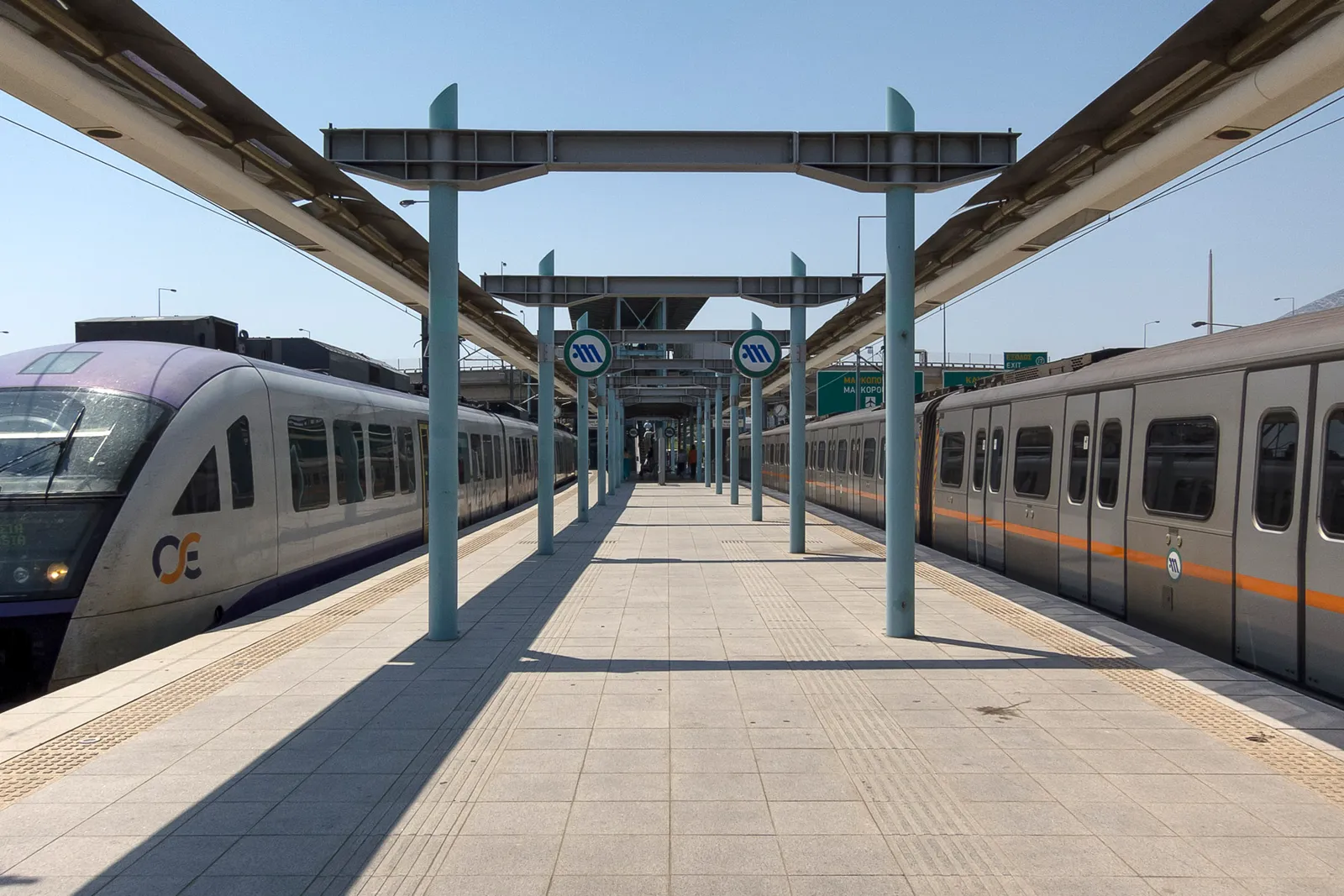
The metro and suburban rail station sits at one end, which is not necessarily the end you need.
Your gate is on your ticket and on the operator’s website, and it is worth checking the day before rather than on the morning.
The area around the port is an ordinary working city rather than a tourist quarter, with plenty of cheap food and a few hotels aimed squarely at early sailings.
Fast boats and conventional ferries
Both run from Piraeus to most of the popular destinations and they are genuinely different products.
The conventional ferry is a large ship with open decks, seating areas, cafeterias, cabins on longer routes and a vehicle deck. It is slower, considerably cheaper, and far more comfortable in a swell.
The high-speed catamaran roughly halves the journey time for a higher fare, with fixed airline-style seating, no outside deck to speak of, and a bumpier ride when the sea is up.
Fast boats are suspended first when the wind rises, which matters more than the timetable difference in the meltemi months.
For a long crossing overnight, a cabin on a conventional ferry is a genuinely pleasant way to travel and saves a night’s accommodation.
Booking and prices
Book early for July and August, and earlier still for anything with a car on it, since vehicle space sells out long before passenger space.
Shoulder months are more relaxed for foot passengers, though weekend sailings on popular routes still fill.
Fares vary by boat type far more than by operator, so compare the crossing rather than the brand.
Tickets are usually collected or scanned at the gate, and some operators still require a paper ticket, so read what yours says instead of assuming a phone screen will do.
Children, students and residents have reduced fares on many routes.
On the day
Arrive an hour early as a foot passenger, more with a vehicle.
Find the gate first, then relax. Once you can see your ship, the rest of the wait is comfortable.
Boarding is not orderly by northern European standards and it does not need to be. Everybody gets on.
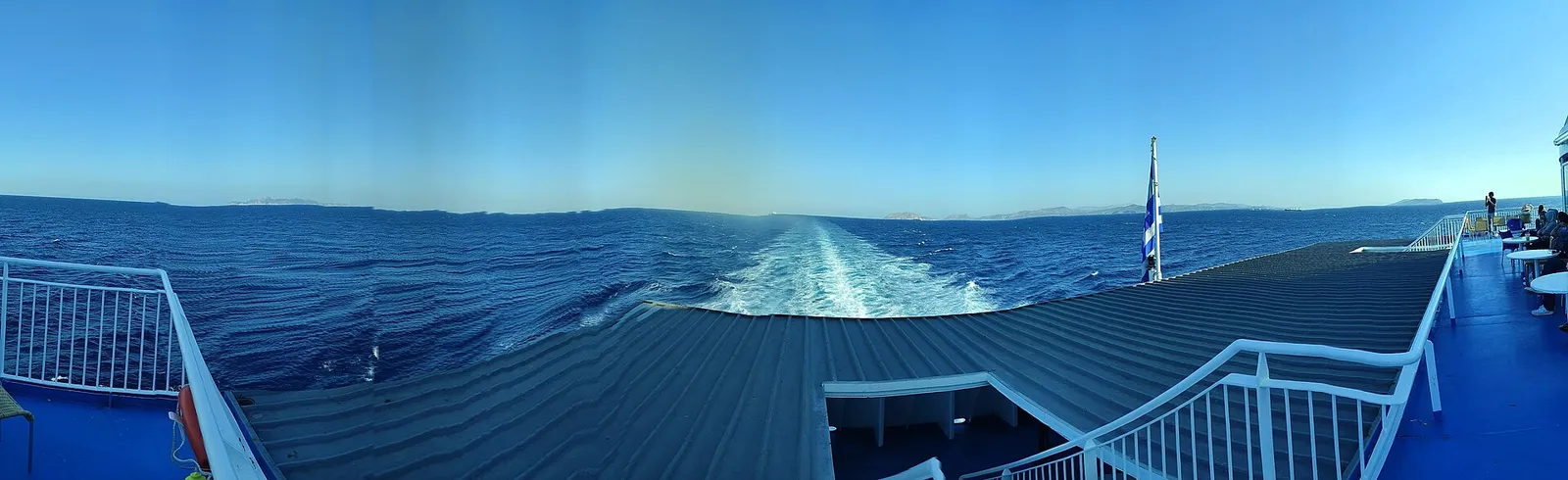
On a conventional ferry, go up to the deck once you leave the harbour, because the run out past the islands is one of the better free experiences in Greece.
Bring water and something to eat on long crossings, since onboard catering is functional rather than good.
The other ports
Piraeus is not the only option and sometimes not the best one.
Rafina, on the east coast of Attica, is closer to the airport than Piraeus and serves several Cycladic destinations, which can save an hour and a transfer.
Lavrio, further south, serves a smaller set of routes.
Checking whether your island is served from Rafina before defaulting to Piraeus is worth two minutes, particularly if you are arriving by air.
Where this fits
For the wider picture of how island routes connect to each other, which combinations are realistic in a week and where the timetables thin out, our guide to island hopping and ferries in Greece covers planning the whole chain rather than the single crossing.
Getting from the airport to the port, and the choices between the bus, the metro and a taxi, is covered in our guide to Athens airport transfers.
And if you are considering taking a vehicle across rather than hiring on each island, our guide to car hire in Greece covers what that actually costs and when it is worth it.
The short version
Check your gate the day before, allow an hour at the port as a foot passenger and more with a car, and use the free shuttles rather than walking. Book well ahead for July and August and for any vehicle. Take the conventional ferry when you have time and the fast boat when you do not, remembering that the fast boat is the first to be stopped by wind. Consider Rafina if you are coming straight from the airport. And whatever else you do, put a night in Athens between your last ferry and your flight home.