Island hopping is the quintessential Greek adventure: stepping off a ferry onto a new island every few days, each with its own character, beaches and rhythm. Done right it is one of travel’s great pleasures. Done without a plan, in peak season, it can mean sold-out boats and a scramble for rooms. Here is how the ferry system actually works, and how to build a route that flows instead of fights you, wherever you are flying in from.
The two Athens ports: Piraeus and Rafina
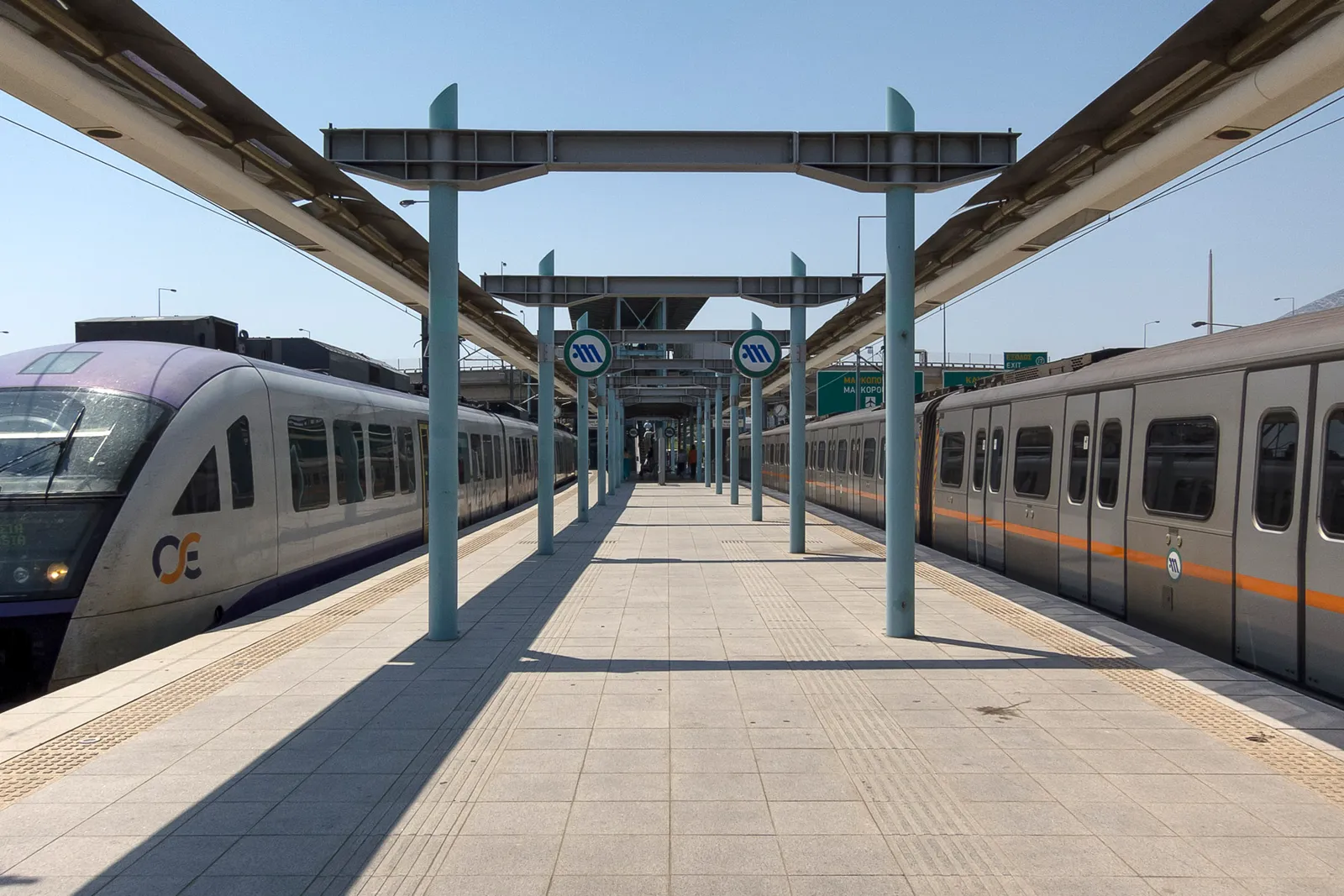
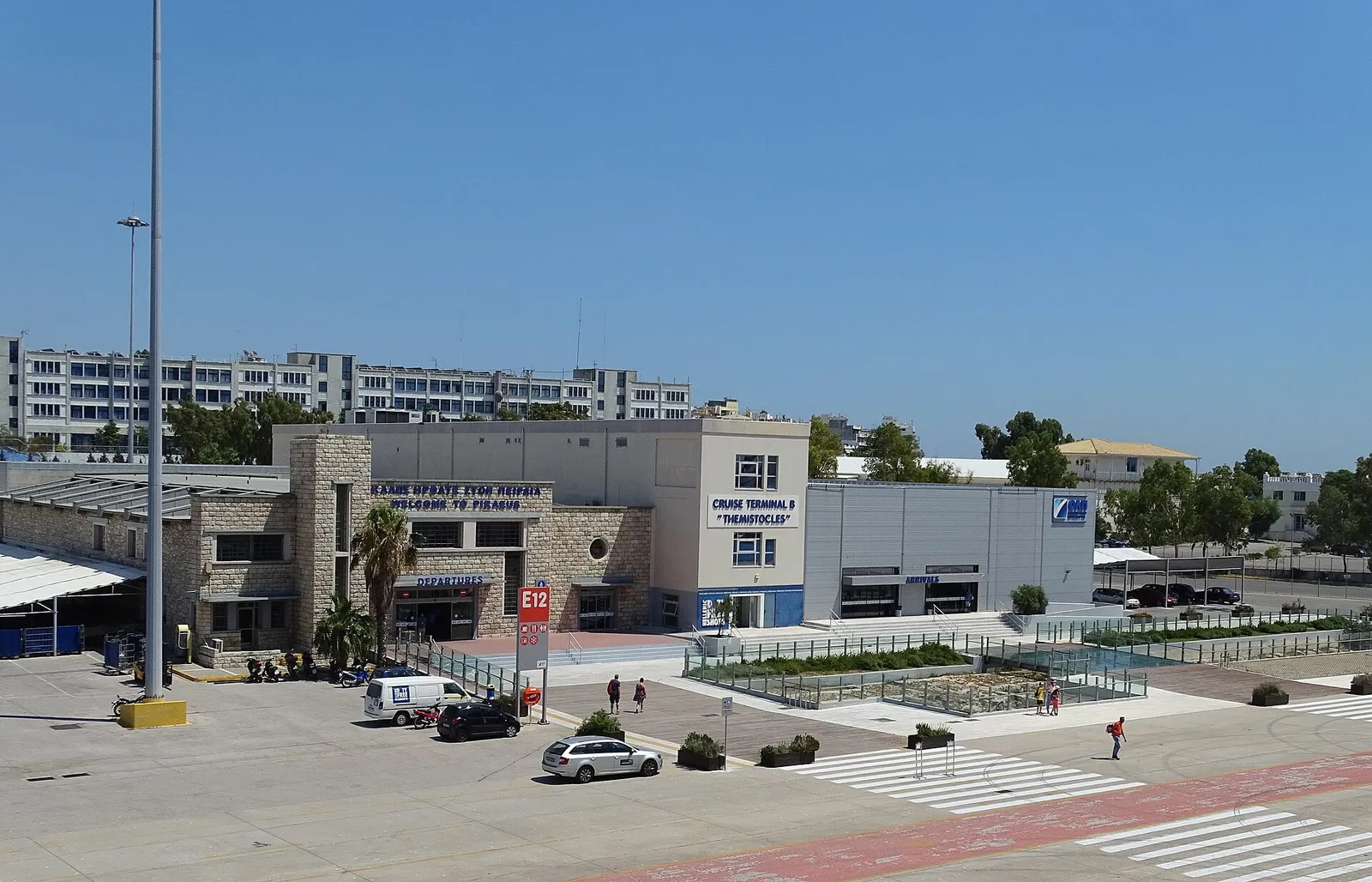
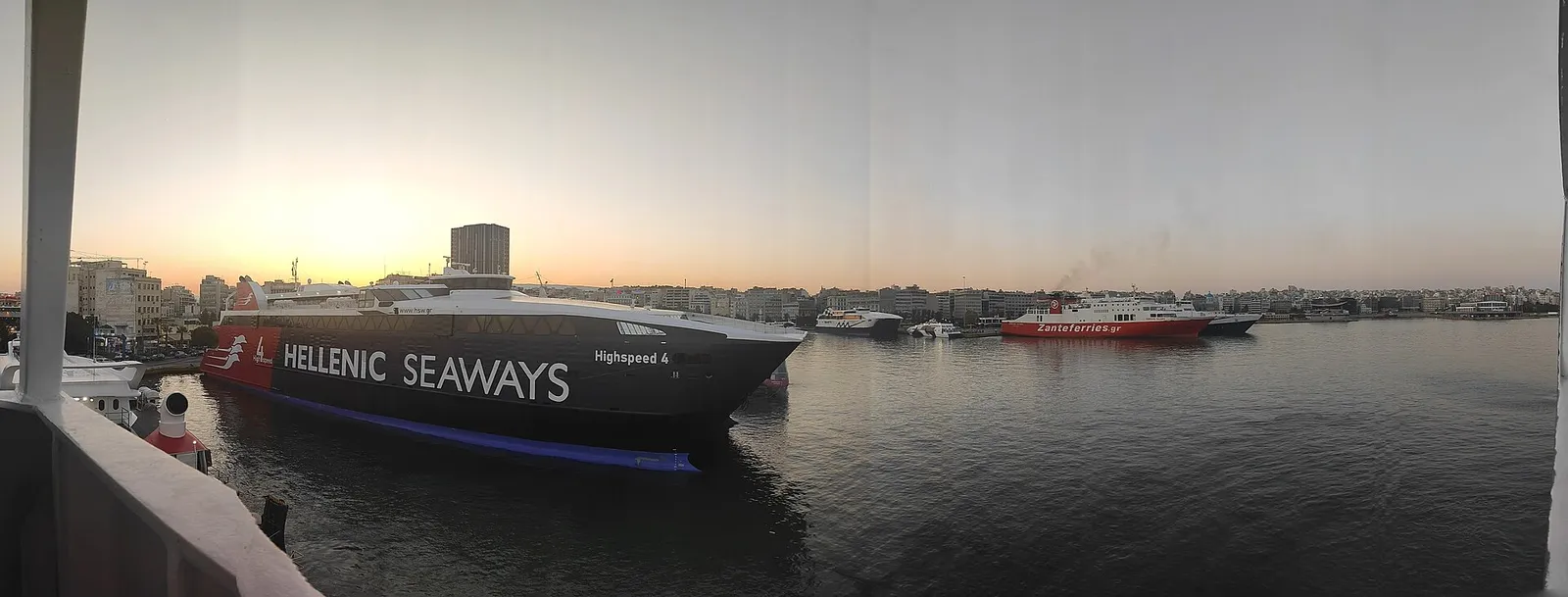
Almost every hop starts from Athens, and the city has two ferry ports. Piraeus is the giant main port, connected to central Athens by metro, and it serves most island groups: the Cyclades, the Saronic islands close to Athens, Crete and the Dodecanese. Rafina, smaller and closer to the airport, serves Mykonos, Andros, Tinos and some other Cyclades, and is often the faster choice if you are heading straight from a flight.
Check which port your ferry leaves from when you book, since they are on opposite sides of the city and turning up at the wrong one is a classic, painful mistake.
The second trap is the size of Piraeus itself. It is not a building, it is a working port several kilometres around, with numbered gates that can be a long walk or a shuttle ride apart, and the gate is often confirmed only shortly before departure. Allow an hour there, and considerably less at a small island quay where the boat pulls up almost at your feet.
If you are coming straight from the airport, which port you need changes the whole journey: our guide to Athens airport transfers covers the metro, the buses and the taxi options for reaching Piraeus. Rafina sits on the airport side of the city, so if your island sails from there, check the current bus and taxi options to Rafina rather than crossing Athens by default.
Fast ferries versus slow: which to take
Most popular routes offer two kinds of boat. The fast ferries and catamarans roughly halve the journey time but cost more and are more easily grounded by strong wind. The big conventional ferries are slower and cheaper, but more stable in rough seas, more comfortable, and often more fun, with open decks, cafeterias and room to stretch out.
A good rule: take the fast boat when you are short on time or crossing a long gap, and enjoy the slow ferry on a relaxed day when the scenery and deck life are half the point.
| Fast ferry / catamaran | Conventional ferry | |
|---|---|---|
| Journey time | Roughly half | Longer, sometimes much |
| Price | Higher | Lower |
| In rough seas | Cancelled first, bumpier | Stable, sails in more weather |
| On board | Enclosed, assigned seats, no deck | Open decks, cafeteria, space to move |
| Best for | Long gaps, tight schedules | Relaxed days, seasickness, budget |
There is a third consideration people miss: if anyone in your group gets seasick, the big conventional ferry is meaningfully better, because it is heavier, more stable and lets you get outside into fresh air. The fast catamaran is enclosed, and in a chop it is the less pleasant place to be.
Which islands connect to which
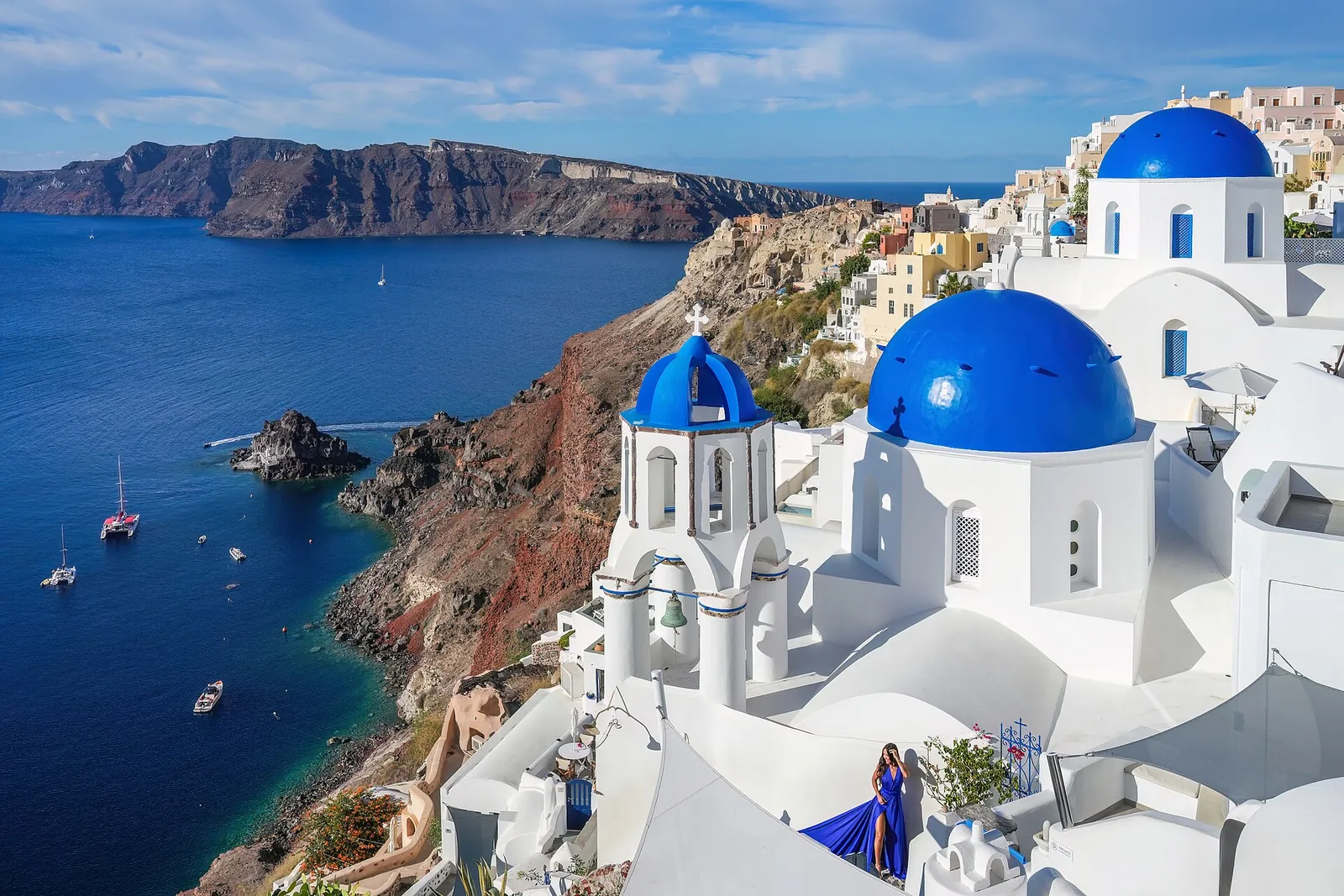
The islands cluster into groups, and hopping within a group is easy while jumping between groups can be slow. The Cyclades, Mykonos, Santorini, Naxos, Paros, Ios, Milos and more, are the classic hopping playground, well connected to each other and to Athens. The Dodecanese (Rhodes, Kos, Symi) sit off the southeast coast, the Ionian islands (Corfu, Kefalonia, Zakynthos) are reached from the western mainland, and the Saronic islands are quick escapes right by Athens.
For a first trip, pick one group and hop within it. A loop like Athens to Mykonos to Naxos to Santorini and back keeps the crossings short and the logistics simple.
The reason that advice matters so much is that the network is hub and spoke rather than a web. Islands within a group are well linked to each other and to Athens; islands in different groups frequently are not linked at all, and getting between them means going back through Athens or accepting a very long day. The Ionian islands in particular are reached from the western mainland rather than from Athens, so combining them with the Cyclades in one week is a route that looks fine on a map and does not work in practice.
Three routes that actually flow
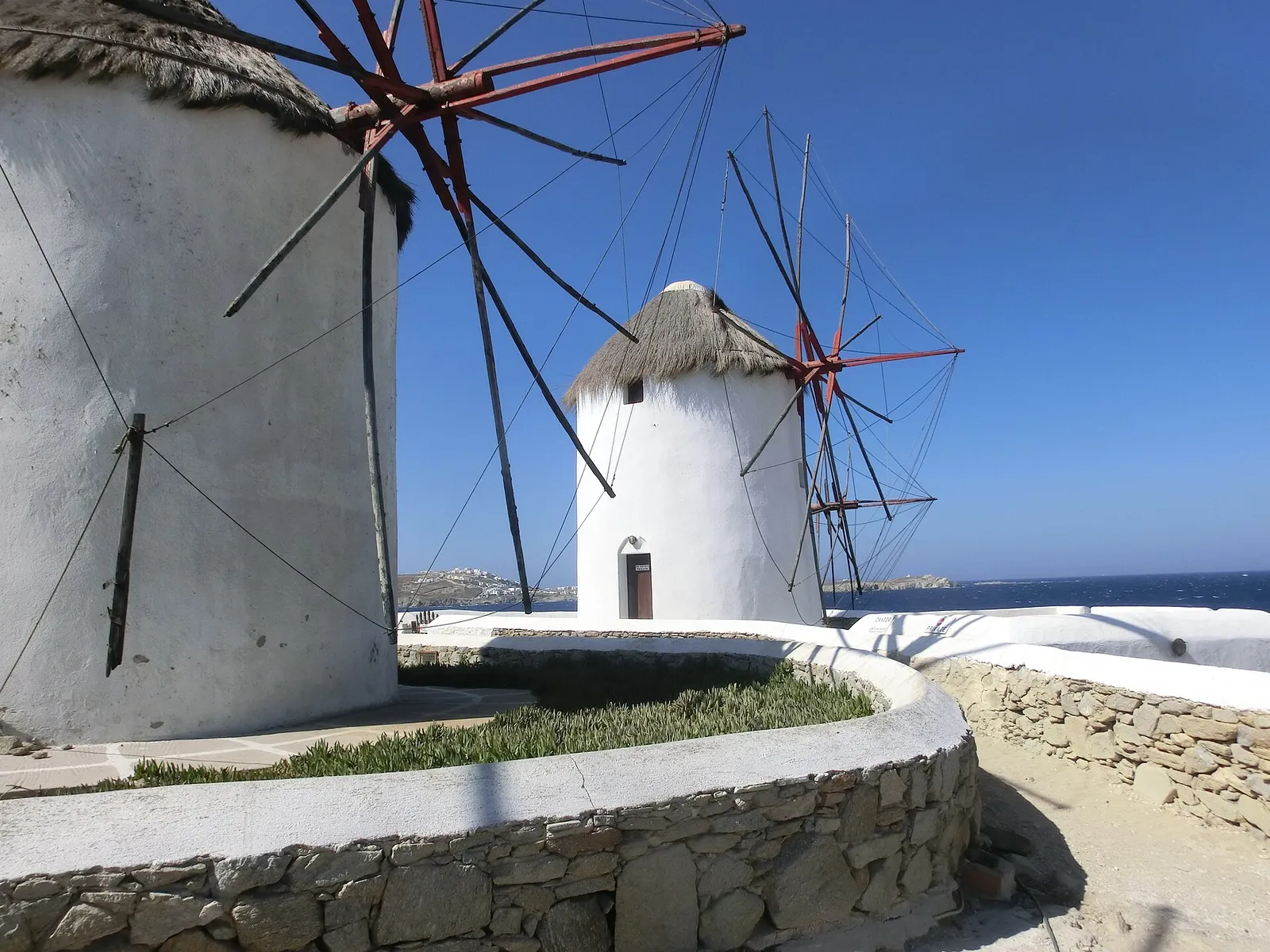
The classic Cyclades run: Athens to Mykonos, then Naxos, then Santorini, flying home from Santorini or sailing back. Short crossings, frequent boats, and three completely different islands: nightlife and beach clubs, then a big island with villages and mountains, then the caldera. At the three to four nights an island that this guide recommends, that is a ten-day route rather than a week; on seven days drop the middle stop and sail Mykonos to Santorini directly, which is the pairing most first trips end up making. Mykonos divides opinion more than any other Greek island, and our guide to Mykonos is worth reading before you decide whether it earns its nights.
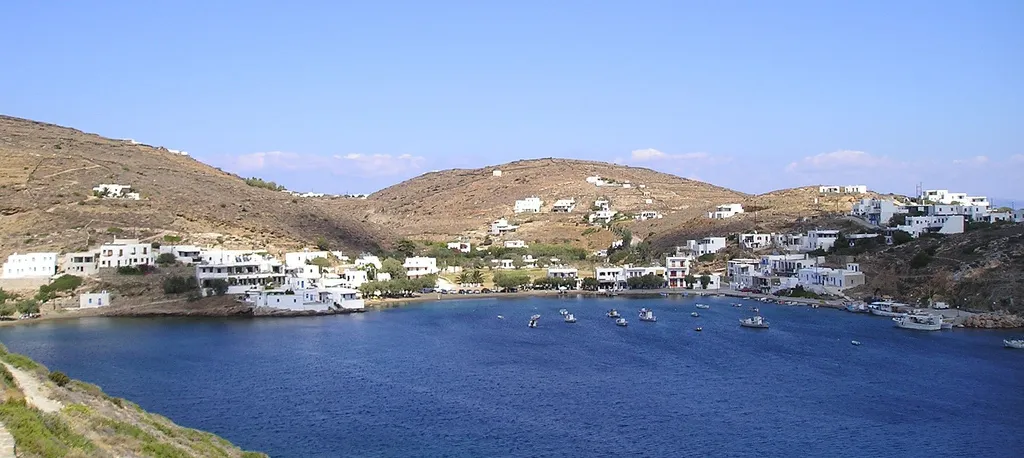
The quieter alternative: Athens to Milos, then Sifnos or Serifos, then back. Fewer crowds, better food, lower prices, and scenery that stands comparison with anywhere in the Cyclades.
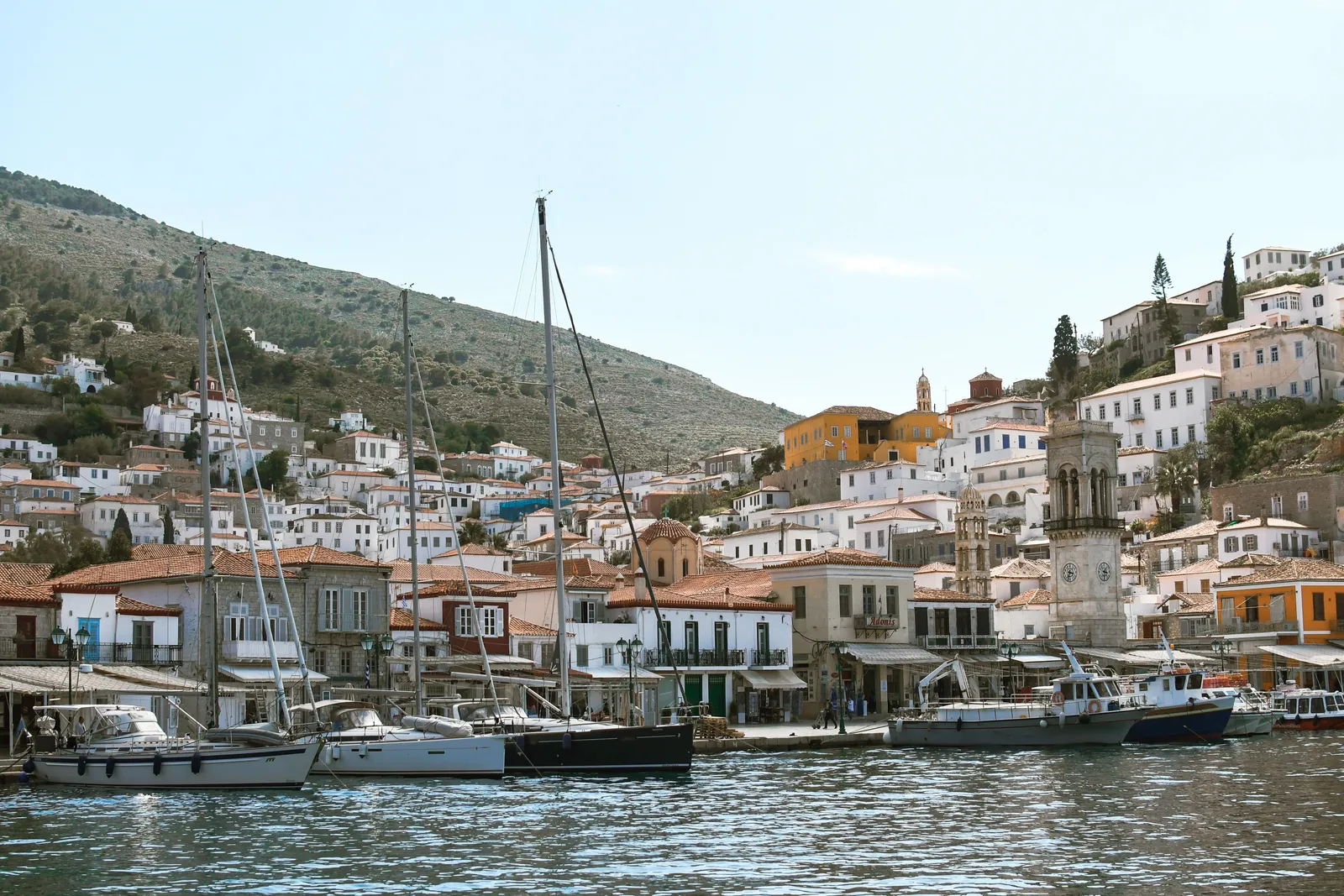
The short break: the Saronic islands, Hydra, Poros and Aegina, all reachable in a couple of hours from Piraeus, which makes them the answer when you have four days rather than ten and do not want to spend them at sea.
When to book, and how
In July and August, book the busy sailings ahead, particularly the fast catamarans on Cyclades routes and anything on a specific date. In spring and autumn you have more flexibility and can often buy nearer the day, though reserving still locks in your preferred time. If you are bringing a car, always book ahead, since vehicle space fills fastest.
You can book online through the ferry companies or an aggregator, or in person at port ticket offices and travel agents. Have your passport details ready, and print or screenshot your tickets, since phone signal at some small ports is patchy.
One detail worth confirming when you book: whether your ticket is a true e-ticket or a booking reference you must exchange for a paper ticket at the port before boarding. Some operators still require the latter, and discovering it twenty minutes before departure at a busy Piraeus gate is a bad way to start a holiday.
What a ferry day actually looks like
Boarding is informal and slightly chaotic in a way that is entirely normal here. On the big ferries you usually walk on through the car deck ramp at the stern, alongside vehicles, then up into the passenger decks. Foot passengers are rarely checked in advance the way an airline would; you show your ticket at the ramp and find your own way.
Luggage generally goes into open racks near the entrance rather than travelling with you, so keep passports, money and anything fragile in a day bag you carry. Seats vary by ticket class, from unreserved deck space on some routes through airline-style assigned seats to cabins on overnight sailings. On a long crossing the cafeteria and the outside deck are where the time goes, and the deck at sunset is one of the genuine pleasures of a Greek summer.
Arriving is quick. The ramp goes down, everyone walks off, and on small islands you will find accommodation owners, taxi drivers and rental agents waiting at the quay, which is convenient rather than pushy.
Add a day sail between the big hopsSmall-group boat trips reach the coves and neighbouring islets that scheduled ferries skipThe meltemi, and what happens when a sailing is scrapped
The meltemi is the strong, dry northerly wind that blows across the Aegean in high summer, and it is the single biggest variable in an island-hopping plan. It is not a storm and the weather can look perfect from the shore; the issue is sea state, and the fast catamarans are grounded first while the heavy conventional ferries keep sailing in conditions that stop them.
If a sailing is cancelled, the operator will normally offer a later departure or a refund, and the port ticket office is the place to sort it. The practical response is the same either way: have a backup boat in mind on any leg that matters, prefer the conventional ferry when the forecast is windy, and never build a plan where one specific sailing has to happen. A buffer day is not padding, it is the thing that turns a cancellation into an extra afternoon somewhere pleasant.
Cars, scooters and how much to carry
The usual advice is to hire on the island rather than bring the car. Vehicle space is expensive and sells out first, and most islands are small enough that a car for two or three specific days is cheaper and easier than ferrying one around for a fortnight. Crete and a long stay are the exceptions.
On luggage, travel considerably lighter than you would for a hotel holiday. You will be carrying bags up ramps, along quays and over cobbles in the heat, frequently without a lift at the other end, and a case with good wheels beats a large one every time. Book three to four nights per island: every move costs a morning of packing and a crossing, and two islands enjoyed beats four glimpsed.
Planning a route that actually works
The single best piece of advice: build in a buffer. The summer meltemi wind can slow or cancel sailings with little notice, so never schedule a tight connection to your flight home on the day you leave your final island. Instead, return to Athens or a well-connected island the night before you fly.
Keep the hops sensible, three to four nights per island beats a new bed every night, travel light because you will be hauling bags on and off boats, and leave one loose day for a beach you did not plan or a boat that got cancelled. Read the first-time guide for the wider trip logistics.
The short version
Start from the right Athens port and allow an hour at Piraeus for the walk to your gate. Pick one island group and hop within it, choose fast or slow ferries to suit the day and the forecast, and take the conventional boat if anyone gets seasick. Book the summer sailings and any car space ahead, check whether you need a paper ticket, hire vehicles on arrival rather than shipping them, keep three to four nights per island, and always spend the last night somewhere with an airport. Do that, and island hopping becomes exactly what it should be: the easy, romantic heart of a Greek summer.
Which group are you hopping, the classic Cyclades or somewhere quieter?