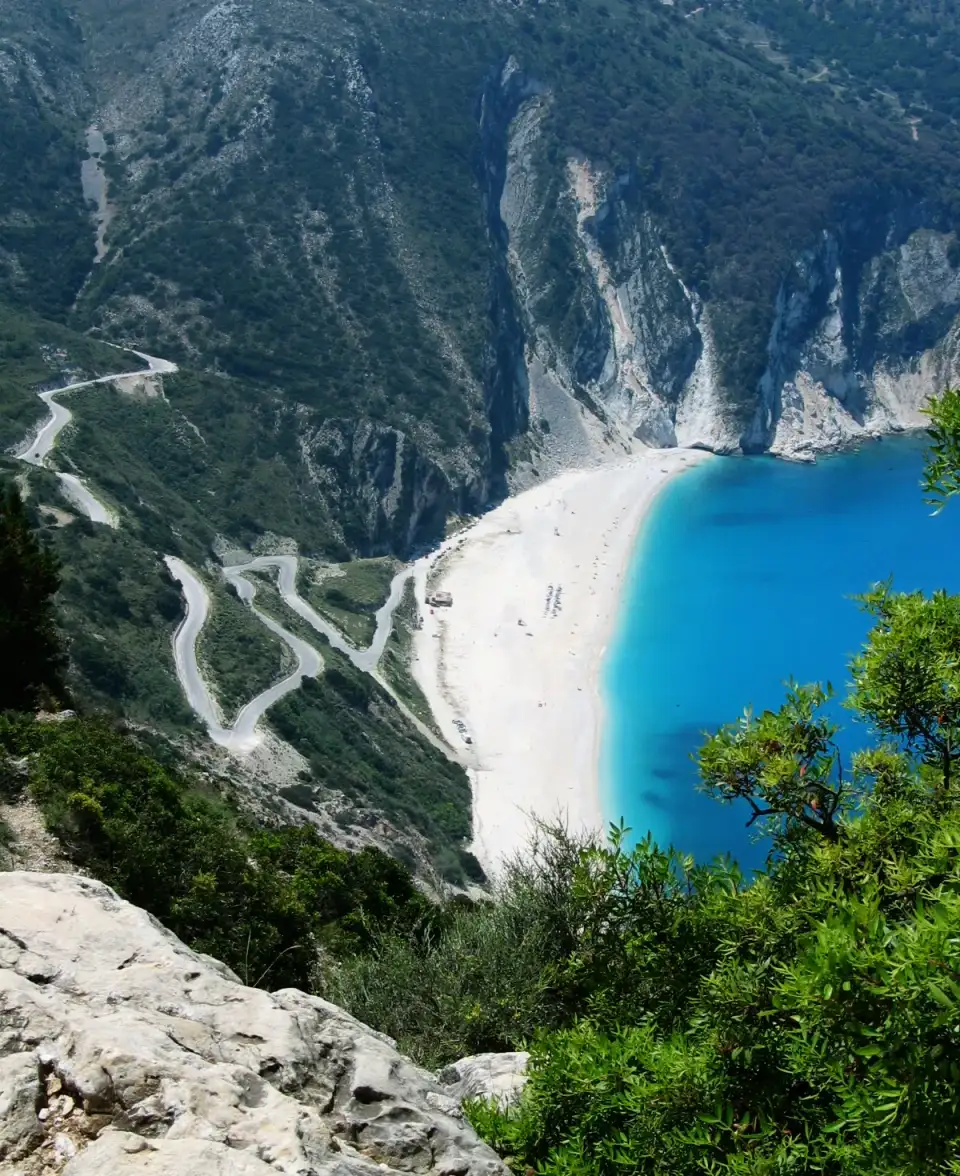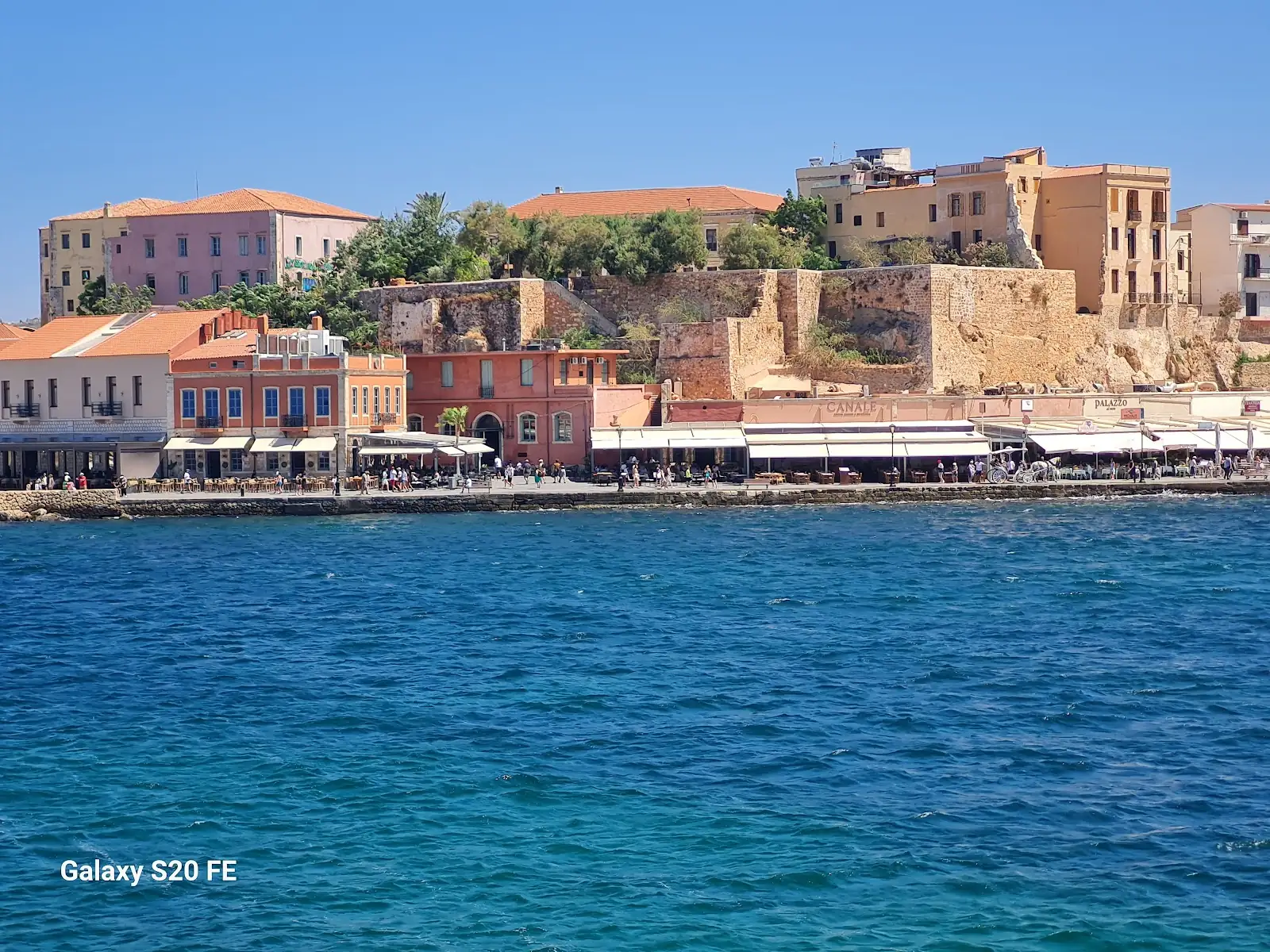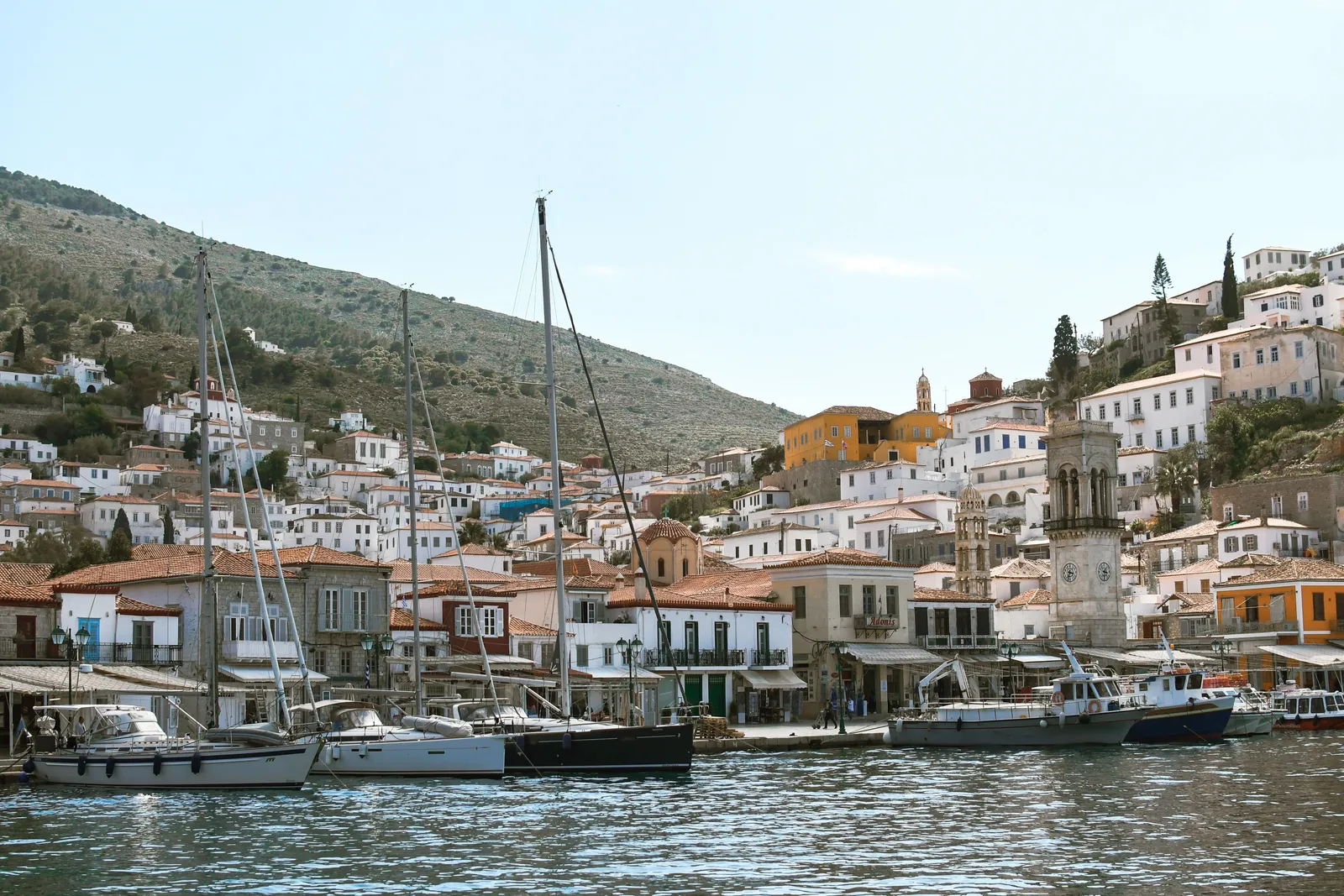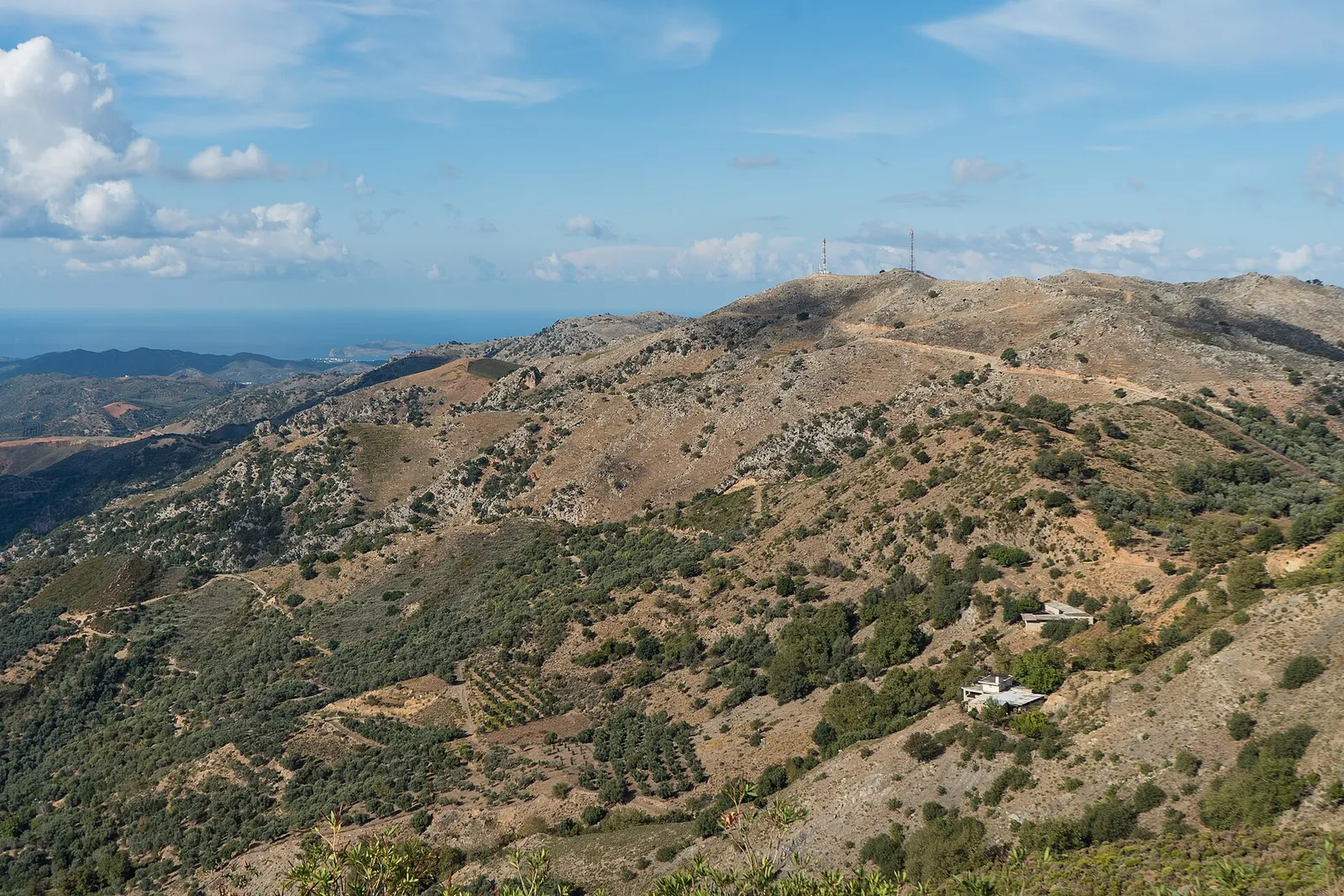
A hire car in Greece is either the best money you spend or a bill for a parking problem, and which one it turns out to be is decided before you book. The country rewards driving more than almost anywhere in Europe: the mountain villages, the gorges, the beaches at the end of a track and the tavernas with no bus stop are all things a car unlocks. It also has a capital city where nobody sane drives, small islands where a scooter is better, and rental contracts with exclusions written specifically for the roads you will be tempted by.
Where a car earns its keep
The big islands. Crete, Rhodes, Naxos, Corfu and their peers are too large and too spread out for buses to serve properly, and their interiors are the reason to visit them.
The mainland. The Peloponnese, the north, the mountain villages and the archaeological sites are a driving country, and public transport between them is slow.
Anywhere with a scattered coastline, which on a Cycladic island means the difference between three beaches and thirty.
Any trip with small children, where the logistics of buses with a pushchair and beach gear overwhelm the saving.
Where it does not
Athens. Traffic, restricted zones in the centre, aggressive parking rules and excellent public transport make a car in the capital a clear mistake. Hire it on the day you leave the city.
Small islands, where a scooter, a quad or your feet cover everything and parking in the port village does not exist in August.
Island hopping weeks, where the car spends its days on a quayside and the ferry charges you for it.
Santorini and Mykonos in peak season, where the roads and the car parks are simply full.
The insurance question
This is where Greek car hire actually costs people money.
The standard excess is large, and it applies to the smallest scrape.
The usual exclusions are the parts that break on island roads: tyres, wheels, the underside, the windscreen, the mirrors and the roof. A basic policy frequently covers none of them.
Either take the agency’s full cover at the desk, or buy a standalone excess policy before you travel, which is generally cheaper and pays you back after the agency charges your card.
Photograph everything at pickup, slowly, including the wheels, the roof, the underside if you can, and the fuel gauge, with the date visible. Do the same at return.
Practical driving notes
Motorways are tolled and modern, and the tolls add up over a long mainland drive.
Fuel stations close earlier than you expect outside cities and on islands, and not all take cards at night.
Parking in island port villages is genuinely difficult in July and August, and the signposted car parks at the edge are the answer.
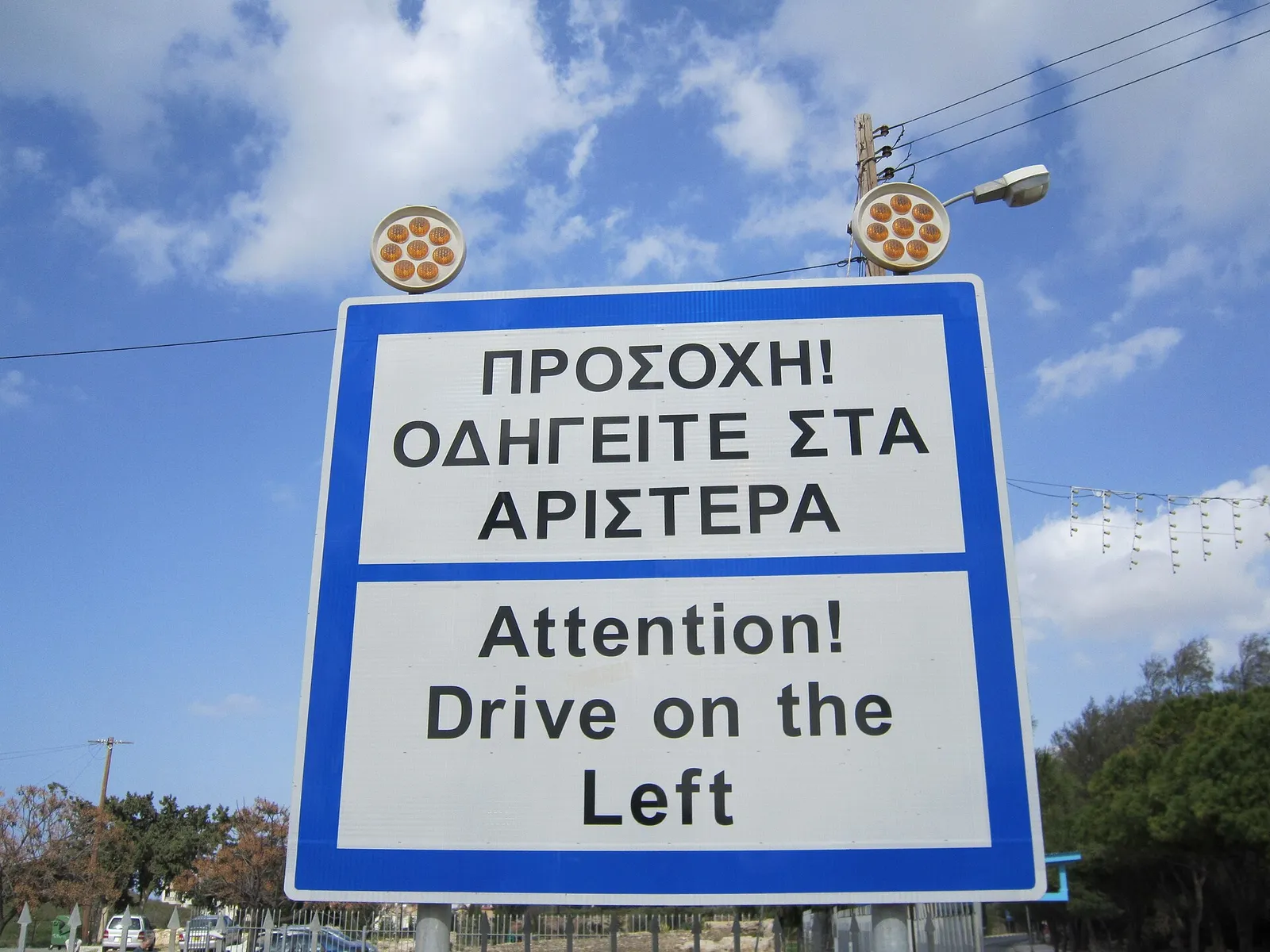
Village roads are narrow. A small car is the right car in Greece, and the one you can actually turn around in.
Speed cameras and alcohol limits are enforced; the Greek limit is lower than some visitors assume, so treat driving and drinking as separate activities and check the current threshold before you rely on any number.
Livestock, scooters and sudden potholes are all part of a mountain road here, so drive at a pace that leaves room for them.

Booking it well
Book ahead for July and August, when islands genuinely run out of cars rather than merely raising prices.
Compare local agencies as well as the international brands. On the islands the family-run agencies are often cheaper, more flexible about pickup, and considerably easier to deal with when something goes wrong.
Check the fuel policy, and prefer full to full over anything more creative.
Confirm what your own licence needs, since permit requirements vary by issuing country and are not something to guess at the desk.
Hire from the airport or the port on the day you leave the city, rather than the day you arrive.
Where this fits
If the trip is mostly islands, the ferries do the heavy lifting and the car is a local tool: our guide to island hopping and ferries in Greece covers how to build the chain of crossings that the driving hangs off.
For the crossing itself and whether to take a vehicle on it, our guide to ferries from Piraeus covers vehicle space, gates and timings at the main port.
And for the island where hiring a car is least optional of all, our guide to Crete covers a place large enough that the bus timetable decides your holiday if you let it.
The short version
Hire a car for the parts of the trip where the roads are the point, which means the big islands and the mainland, and go without in Athens, on small islands and on ferry days. Take real insurance, either the agency’s full cover or a standalone excess policy, and photograph the car in detail at both ends. Read the unpaved road clause before you drive to a beach down a track. Take a small car, book ahead for August, look at local agencies as well as the big names, and confirm what your own licence requires before you arrive at the desk.