The first thing that hits you on Hydra is the quiet. No engines, no horns, none of the low hum that sits under every other Greek port town. Just hooves on stone, the slap of water against the harbour wall, and the occasional bray of a donkey being loaded with someone’s shopping. If you are weighing up which of the day trips from Athens to take, Hydra is the one that feels the most like stepping out of the country entirely, without ever leaving Attica behind by more than a couple of hours.
An island that banned cars and never looked back
Hydra’s ban on motor vehicles is not a marketing decision, it predates mass tourism entirely and has simply never been reversed. The steep, narrow lanes that climb from the harbour were never built for cars in the first place, and locals seem to prefer it that way. A few official vehicles handle rubbish collection and emergencies, and that is essentially the full exception list. Everything else, from a tourist’s suitcase to a shop’s weekly delivery, moves by donkey, by mule, or by hand.
It gives the island a particular rhythm. Mornings start with the sound of hooves as goods are hauled up from the boats, afternoons are for the harbour cafes and a swim, and evenings settle into something close to silence once the day-trip boats have pulled out and only those staying overnight remain.
The harbour, and why the town looks the way it does
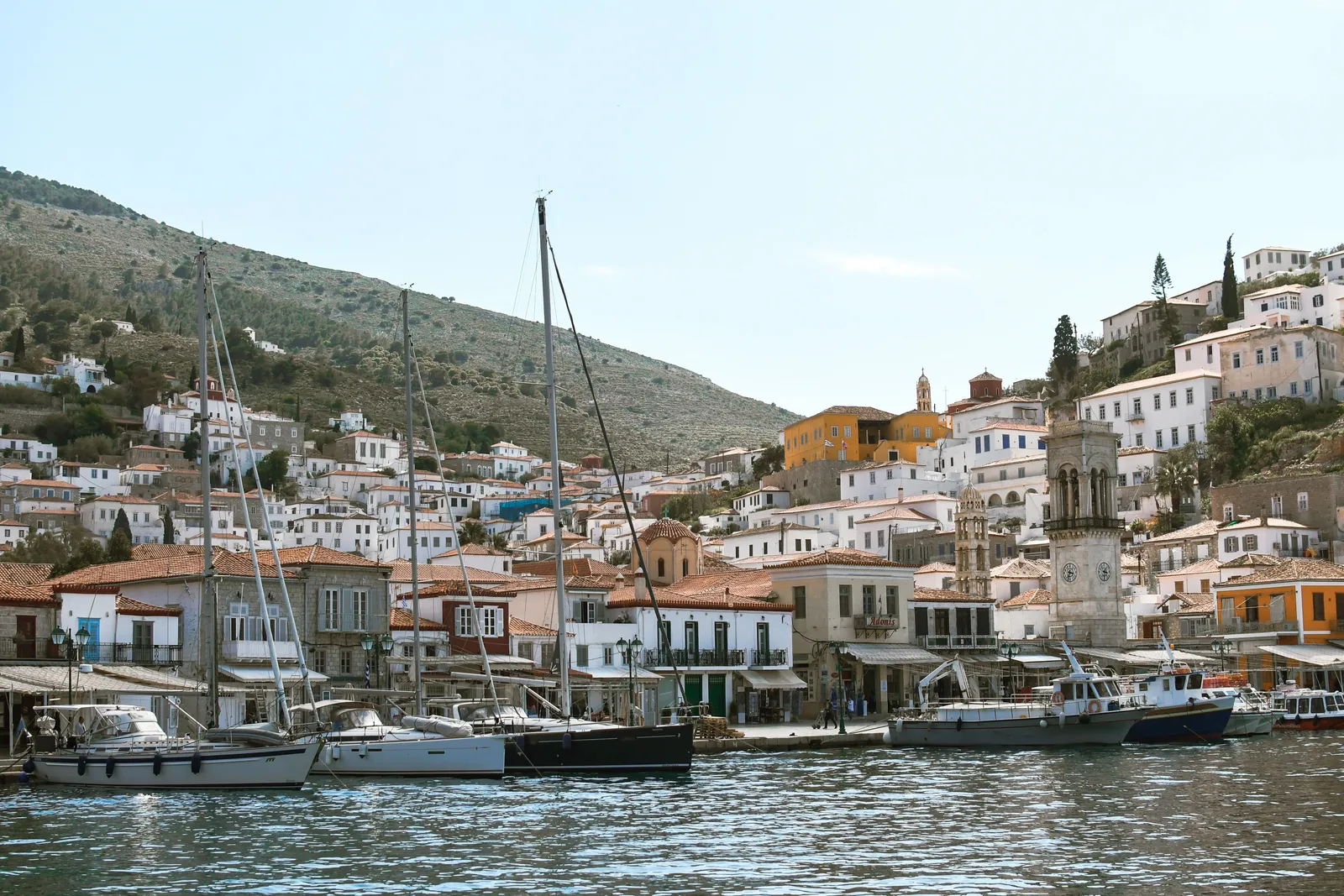
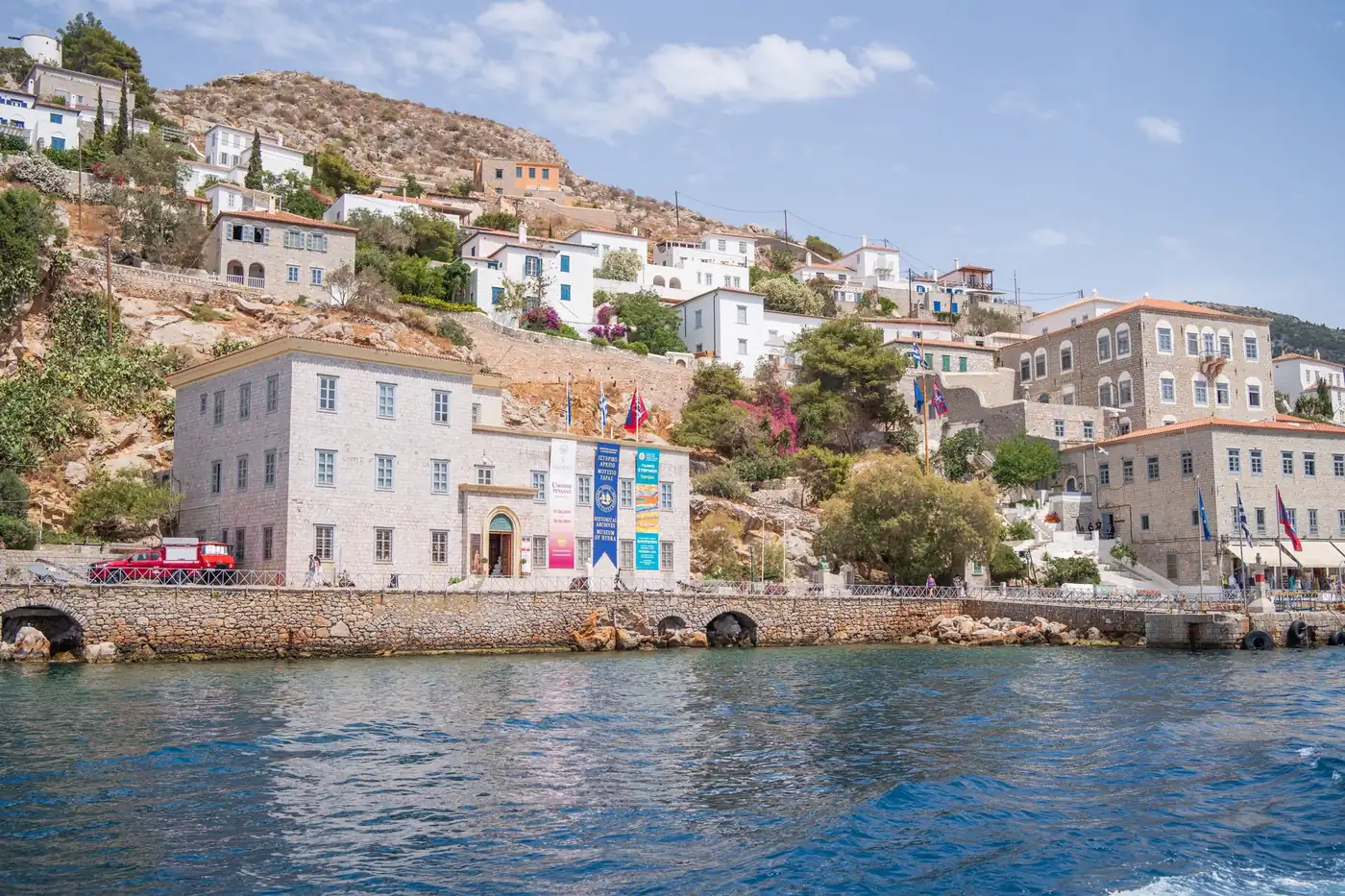
Hydra town wraps around a horseshoe-shaped harbour, and the view from the water as you arrive, tiers of grey stone mansions climbing the hillside behind the waterfront, is one of the more memorable approaches to any Greek island. Those mansions were built by the wealthy shipping families who made Hydra rich in the eighteenth and early nineteenth centuries, when the island’s fleet played a significant role in the Greek War of Independence, and several are still owned by descendants of the same families today.
The harbour itself is small enough to walk end to end in a few minutes, lined with cafes, a scatter of galleries and a few small museums covering the island’s maritime and revolutionary history. Hydra has long attracted artists and writers, most famously the Canadian singer Leonard Cohen, who bought a house here in the 1960s and returned for years afterwards, and the island still carries a slightly bohemian streak alongside the working harbour.
Getting there from Piraeus
Fast ferries leave from the port of Piraeus and take roughly an hour and a half to two hours, with the exact time depending on the boat and whether it calls at Poros or Aegina along the way. Sailings run several times a day through the warmer months and drop off in winter, so it is worth checking the timetable a day or two ahead rather than assuming there will be a convenient departure whenever you show up. Book a return crossing for a sensible time in the late afternoon or evening if you are doing this as a day trip, since the last boat back can fill up in high season.
Swimming on Hydra
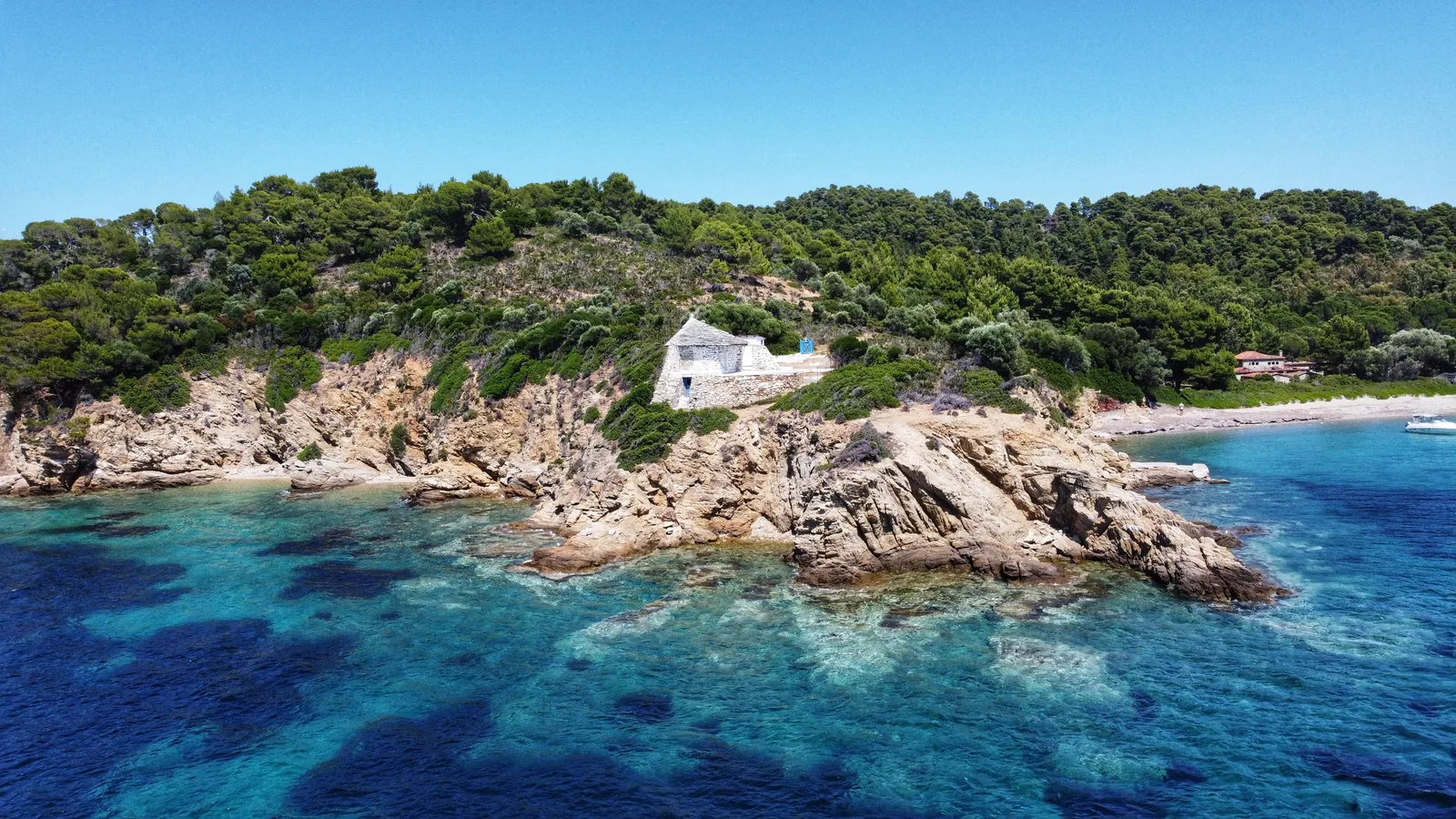
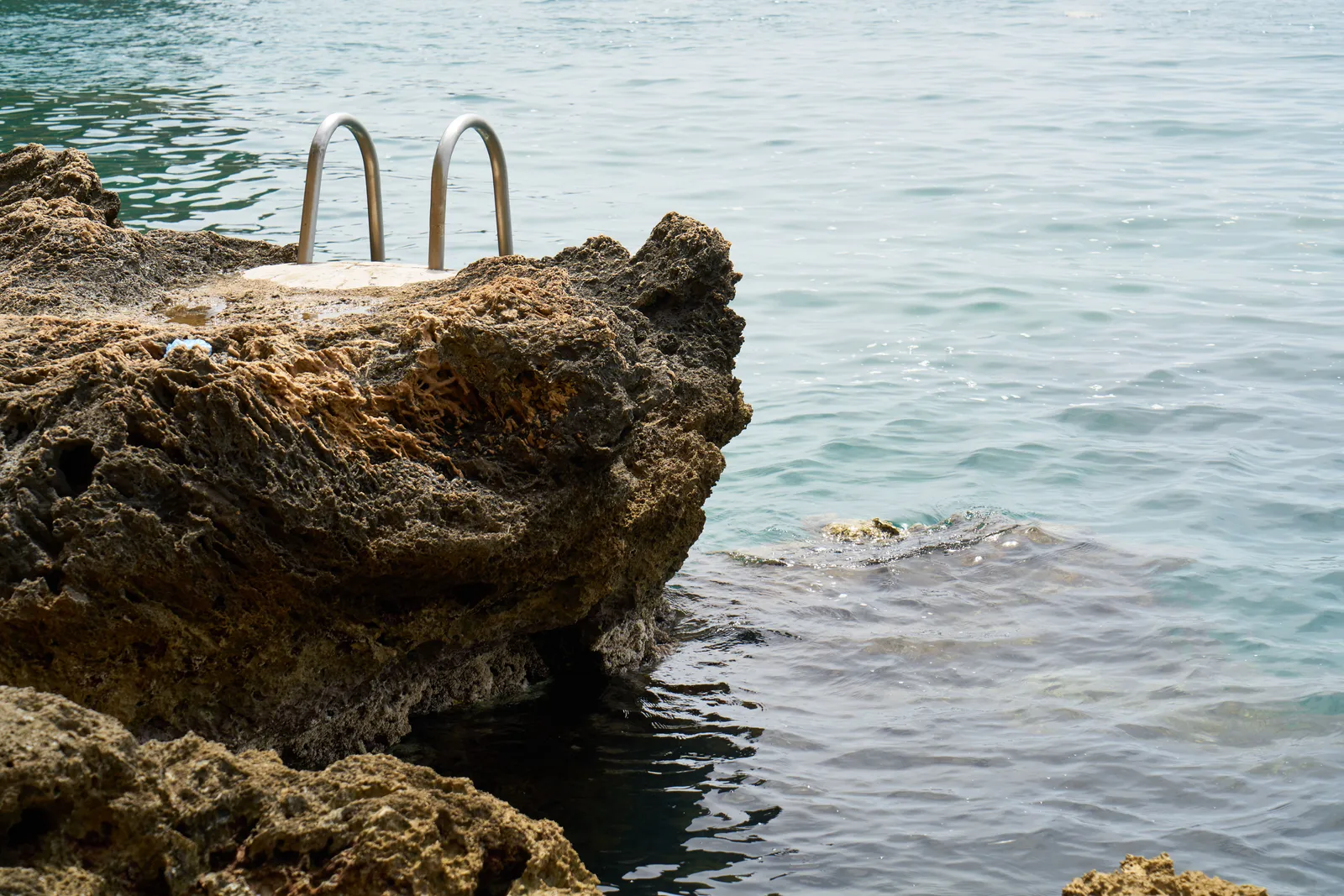
Do not come expecting long sandy beaches, Hydra’s coastline is mostly rock, and swimming here means platforms and ladders rather than a gentle wade in. The closest spots, a short walk east or west along the coastal path from the harbour, are easy to reach and busy in the middle of the day. For a quieter swim, small boats and water taxis run out to coves further around the coast, which take a bit more effort to reach but reward you with clearer water and a lot more space.
A night here changes everythingOnce the day boats leave, Hydra empties out and the harbour is genuinely quiet, worth booking a room to experienceEating by the harbour
The tavernas cluster right along the waterfront, and the setting does most of the work, tables a few steps from the fishing boats with the stone mansions rising behind. Grilled fish and octopus are the obvious order, priced by weight at the better places, and it is worth wandering a street or two back from the harbour front for a taverna that leans more local and a little less aimed at the day-trip crowd. Because everything on Hydra arrives by boat rather than by truck, prices tend to run a touch higher than on the mainland, which is worth knowing before you sit down expecting mainland prices.
Day trip or overnight
A day trip works, and it is how most visitors experience Hydra: over on the morning fast ferry, a walk around the harbour, a swim, lunch at a waterside taverna, and back on an afternoon or early evening sailing. It is a satisfying use of a spare day from Athens, and you get a real sense of the island without needing to pack a bag.
That said, Hydra is one of those places where the difference between a day visit and a night is unusually large. Once the last boat pulls out, the crowds go with it, and the harbour settles into something much closer to what drew artists and writers here in the first place. If your schedule has any flexibility at all, even one night lets you see the island at its best, quiet lanes in the evening light and a harbour that finally belongs to the people staying rather than passing through.
| Option | Time needed | Best for |
|---|---|---|
| Day trip from Piraeus | Full day | Travellers short on time who still want the harbour and a swim |
| Overnight stay | One night or more | Experiencing the island once the day boats leave |
| Combined with Poros or Aegina | Full day | A taste of several Saronic islands without an overnight |
So is Hydra worth the ferry crossing? For the harbour view alone, yes, and the no-cars rule turns what could be just another pretty stop into something genuinely distinctive. If you want to compare it against the rest of the Saronic and beyond, our guide to choosing a Greek island covers how Hydra stacks up, and if you are building a Peloponnese leg into the same trip, our Nafplio guide covers the harbour town on the mainland side of the same stretch of coast.