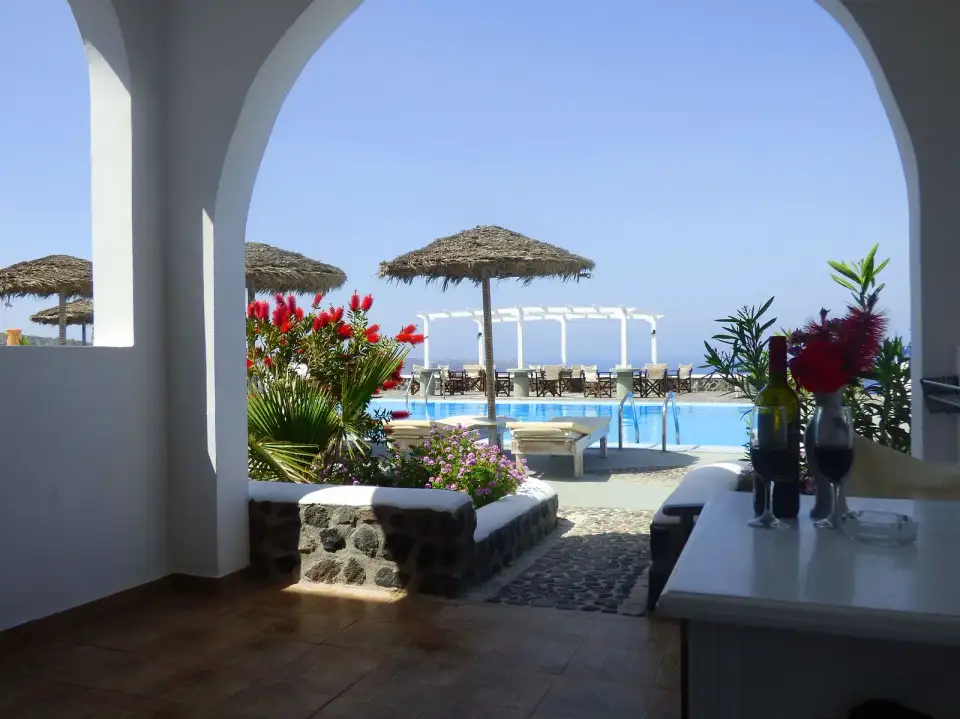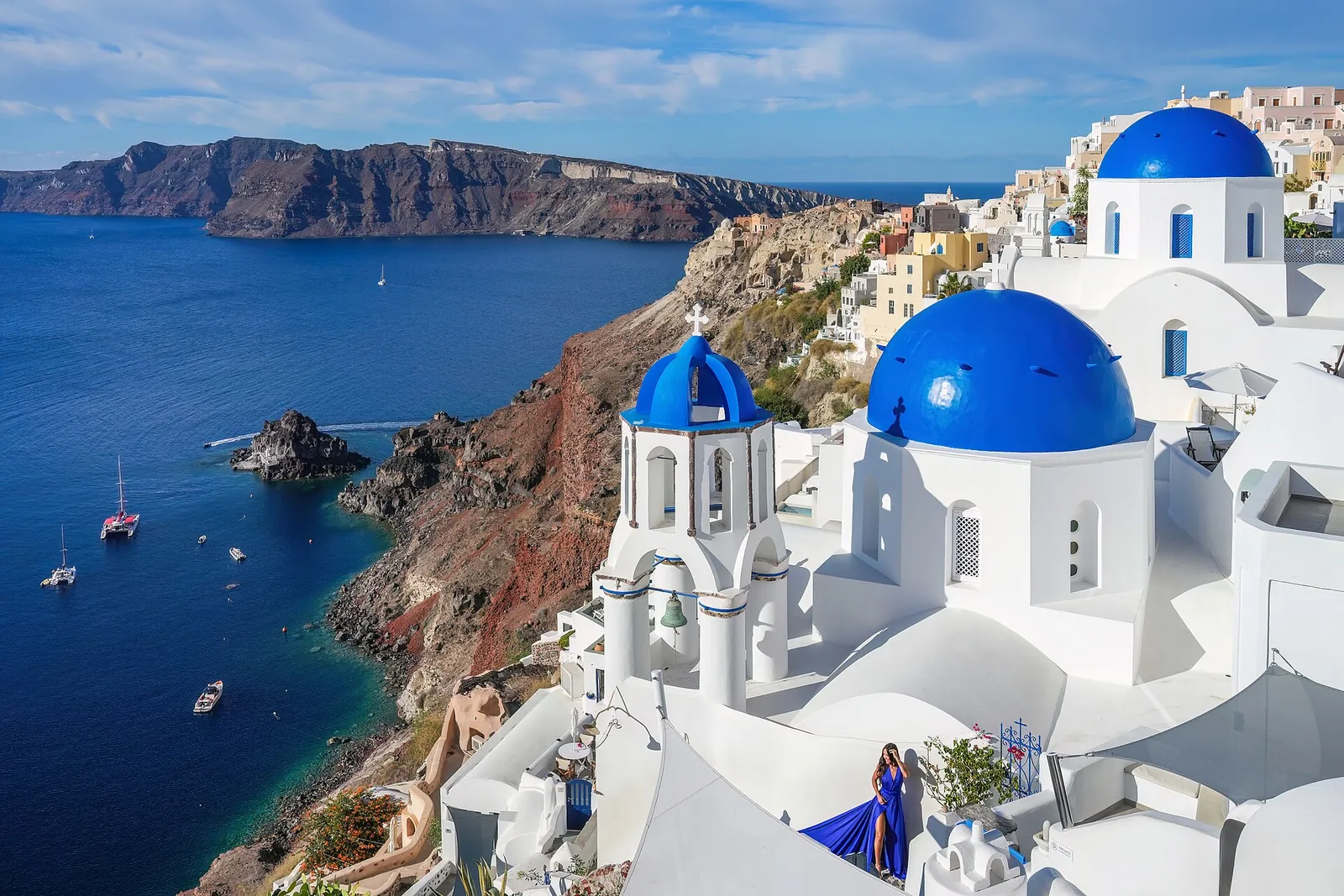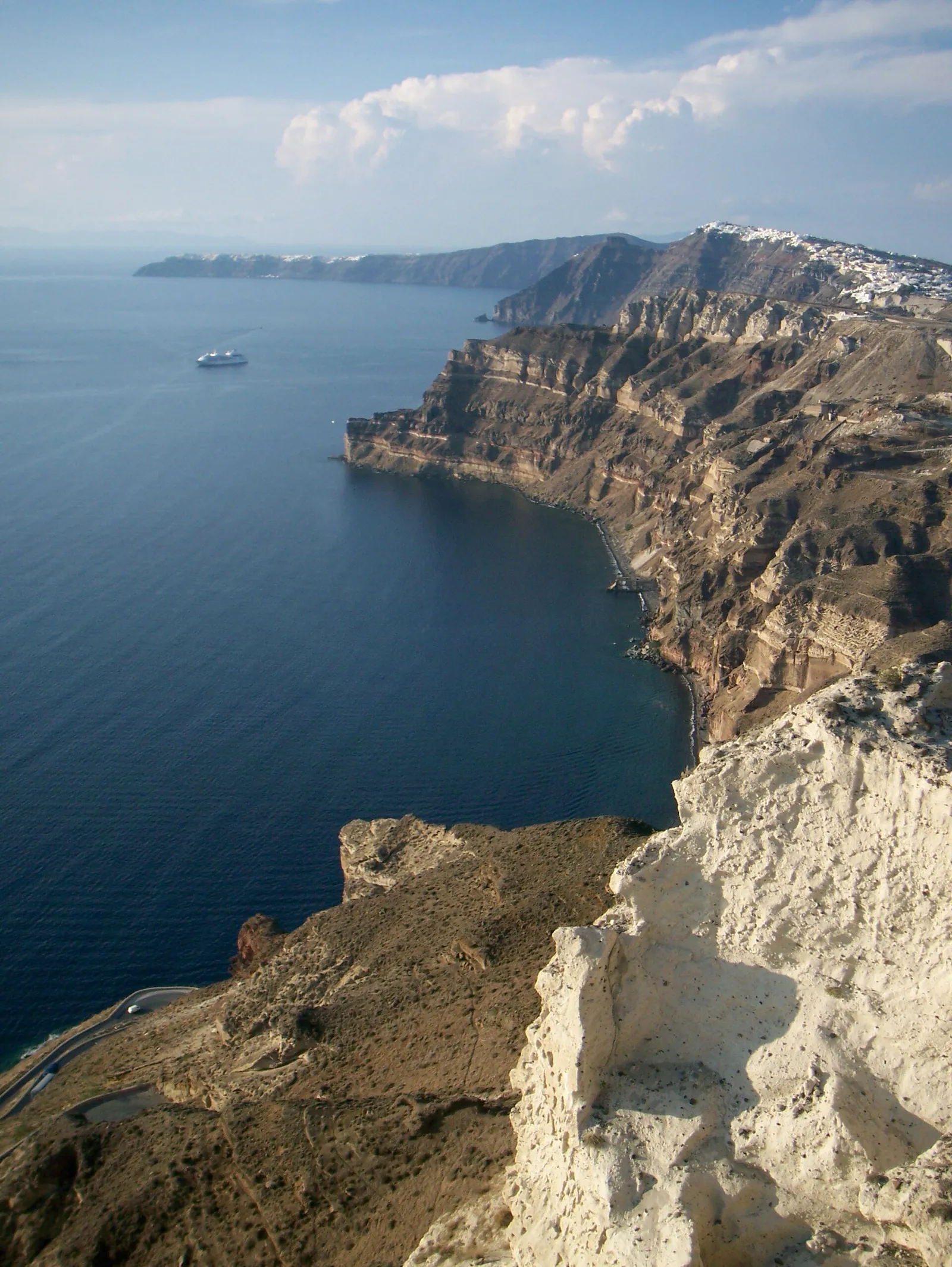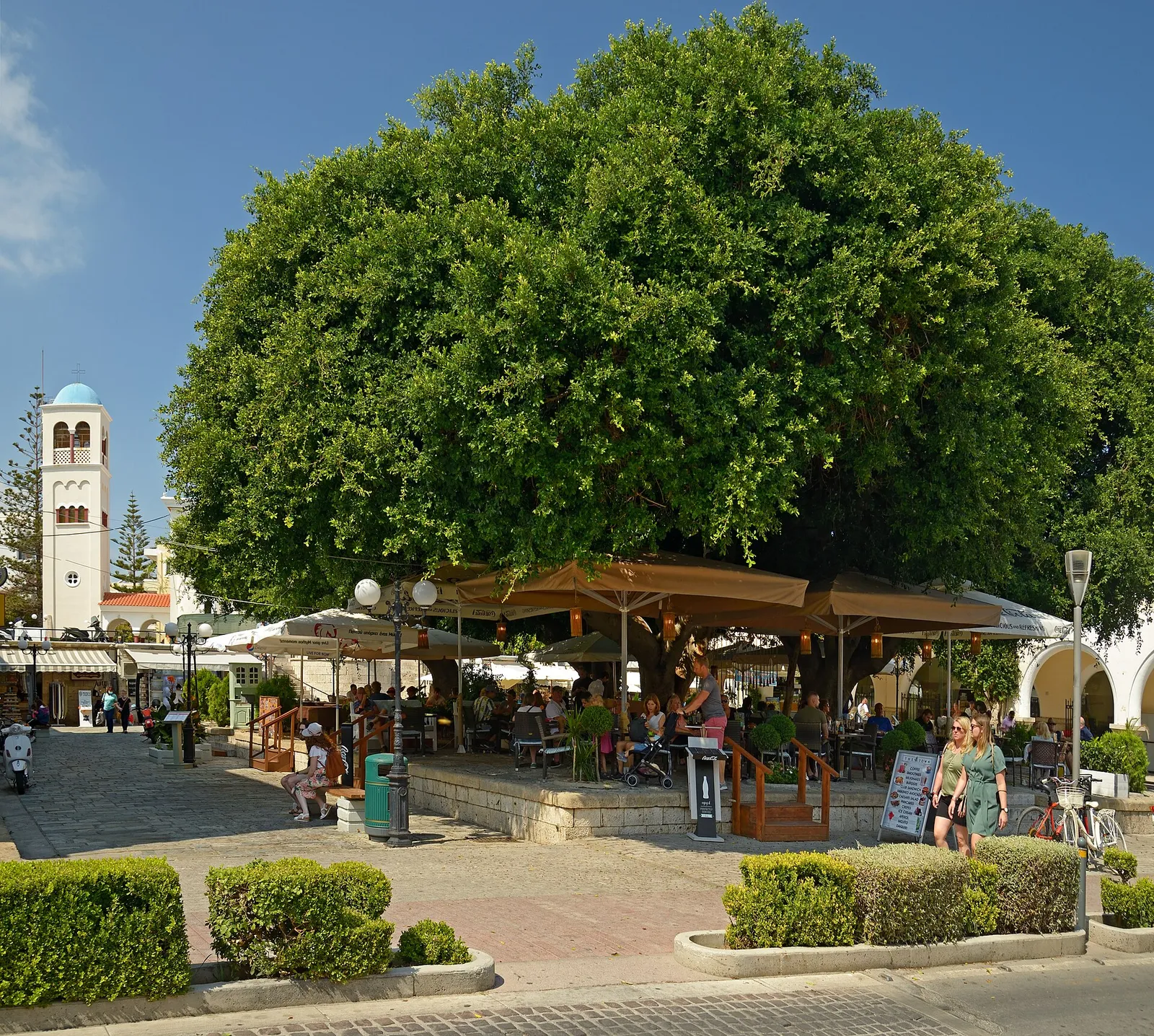
Greece has a reputation for being cheap and a reputation for being expensive, and both are earned by different parts of the same country in different months. A week on a well-known island in August and a week on a bigger island in late September can differ by more than the cost of the flights, with no difference at all in the weather or the quality of the food. Almost everything that matters to a Greek budget is decided before you arrive, which is good news, because it means you can move the number without spending the holiday counting.
The two decisions that set the budget
The month. Accommodation on the popular islands peaks hard in July and August and falls sharply either side. Late September in particular gives you a warm sea, open restaurants and a quiet island at a fraction of the August rate.
The islands. The gap between the famous names and their larger, less photographed neighbours is substantial in high season. Swapping one island in a two-island trip is frequently worth more than a fortnight of careful spending.
Everything below these two matters far less than people expect.
What is genuinely inexpensive
This is where Greece earns its other reputation, and it holds across the whole country.
Eating out. A taverna meal of shared plates, salad, bread and house wine remains one of the better value meals in Europe, and the cheap end of it is not a lesser experience.
Local transport. Buses on the islands and the mainland, the Athens metro and the local ferries are all cheap.
Archaeological sites and museums. Entry prices to even the major sites are modest, and combined tickets and free days exist.
Coffee and bakeries. A pastry and a coffee for breakfast costs very little and is what most Greeks actually eat.
Beaches. Free, everywhere, with a sunbed charge only where somebody has put sunbeds out.
Where the money goes instead
Accommodation in high season, which for most trips is the single largest line by a wide margin.
Ferries, particularly high-speed boats and any crossing with a vehicle. A multi-island trip accumulates these quickly.
Domestic flights, which are convenient and add up.
Car hire in August, when supply on the islands runs out and the price reflects it.
Cocktails and beach clubs on the famous islands, which are priced at international resort rates rather than Greek ones.
Ferries against flights
The choice comes up on almost every multi-stop Greek trip.
Conventional ferries are the cheap option and the slow one, with open decks and cabins on long routes.
High-speed boats cost more and halve the time, and are the first to be stopped when the wind is up.
Domestic flights are quick and frequently competitive if booked early, and they add an airport transfer at each end plus a baggage allowance to think about.
Compare the whole journey, door to door, including the transfers and the risk of cancellation, rather than the headline fare.

Everyday money
Cards are widely accepted, including in most tavernas and shops, though small village businesses, kiosks and some boat operators still prefer cash.
ATMs are everywhere in towns and thin on small islands, so draw cash before a ferry to somewhere small.
Prices are in euros, and this guide deliberately does not quote figures for meals, tickets or rooms, because they move faster than any article can and a stale number is worse than none. Check current prices when you book.
Tipping is modest and appreciated rather than expected, with rounding up or a small amount at a taverna being normal.
Seasonal price differences within a single island are large, so the same room in the same place is a different product in August.
Where this fits
For the groundwork of a first trip, from how the country fits together to what to expect on arrival, our first-time guide to Greece covers what this article assumes you already know.
For the one expense that is genuinely worth paying rather than trimming, our guide to travel insurance for Greece covers what actually needs covering on an island trip.
And for the numbers to have saved before anything goes wrong, our guide to emergency numbers in Greece is a two-minute read that belongs in every trip.
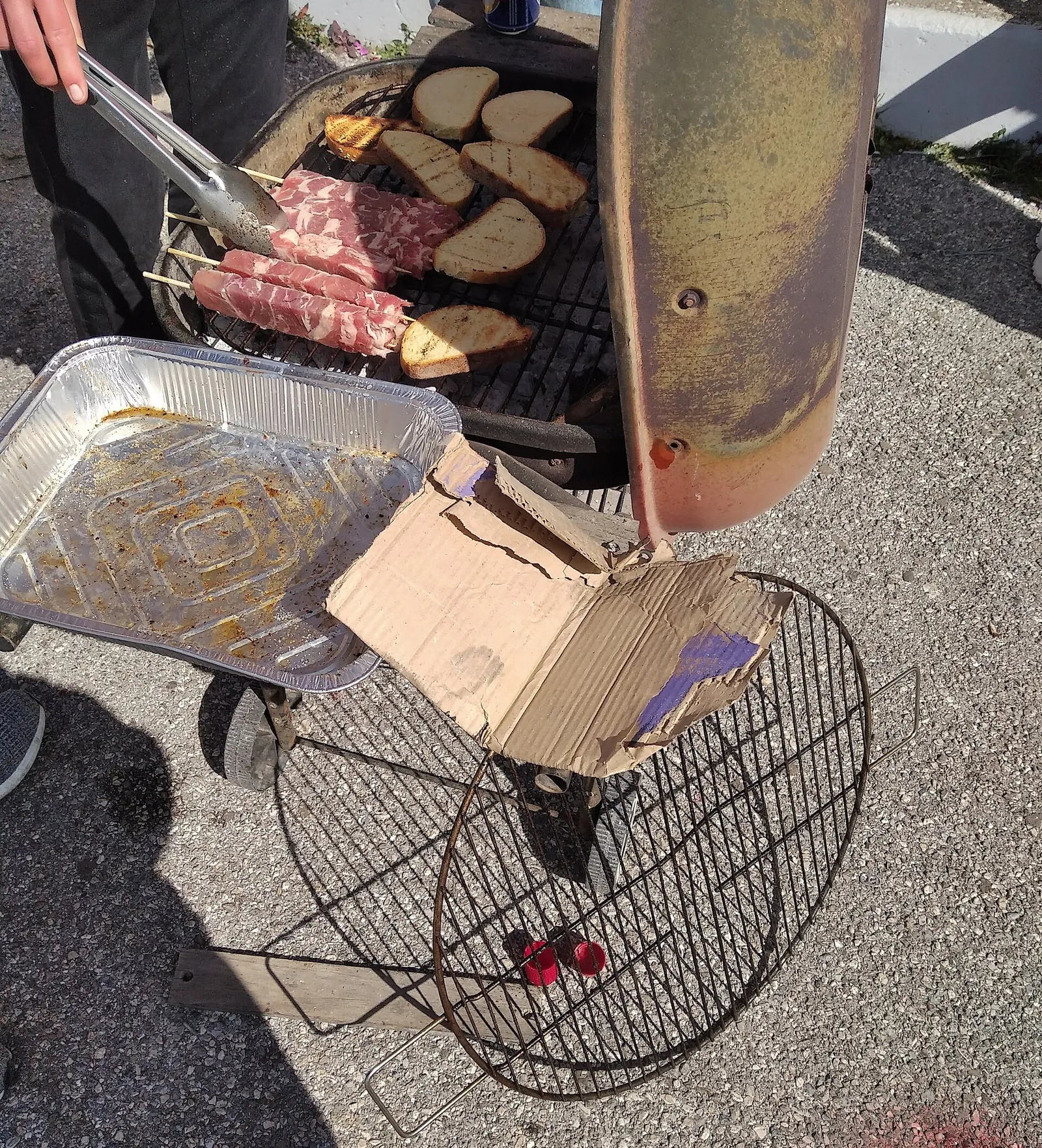
The short version
Choose the month and the islands first, because those two decisions account for most of what a Greek trip costs and nothing you do afterwards moves the number as far. Late September and late May are the sweet spots. Take a studio with a kitchenette and use it for breakfast rather than dinners. Prefer conventional ferries to high-speed boats when you have the time. Carry some cash for the small islands and the village kiosks. And spend freely on the food, because eating well here remains one of the best value things in Europe.