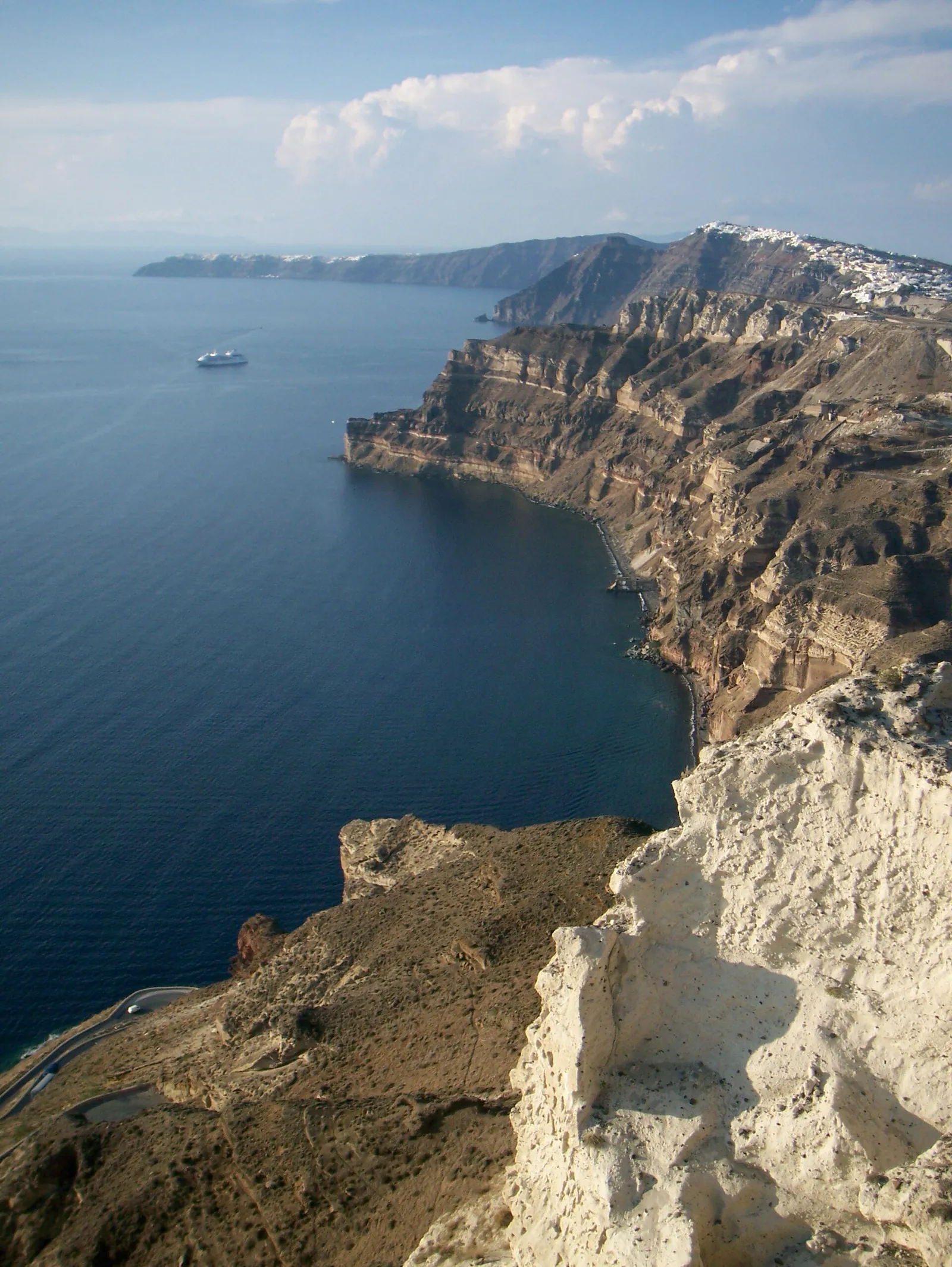
Greece does not feel like a place where you need insurance. The sea is calm, the tavernas are friendly, and the biggest danger seems to be ordering a second dessert. Then the wind cancels your ferry the night before your flight home, or the quad bike you rented for 25 EUR meets a patch of gravel, and suddenly the cheapest thing you skipped becomes the most expensive decision of the trip. Here is an honest look at what actually goes wrong in Greece, and what a good policy should cover.
Island medicine has limits, and evacuation is expensive
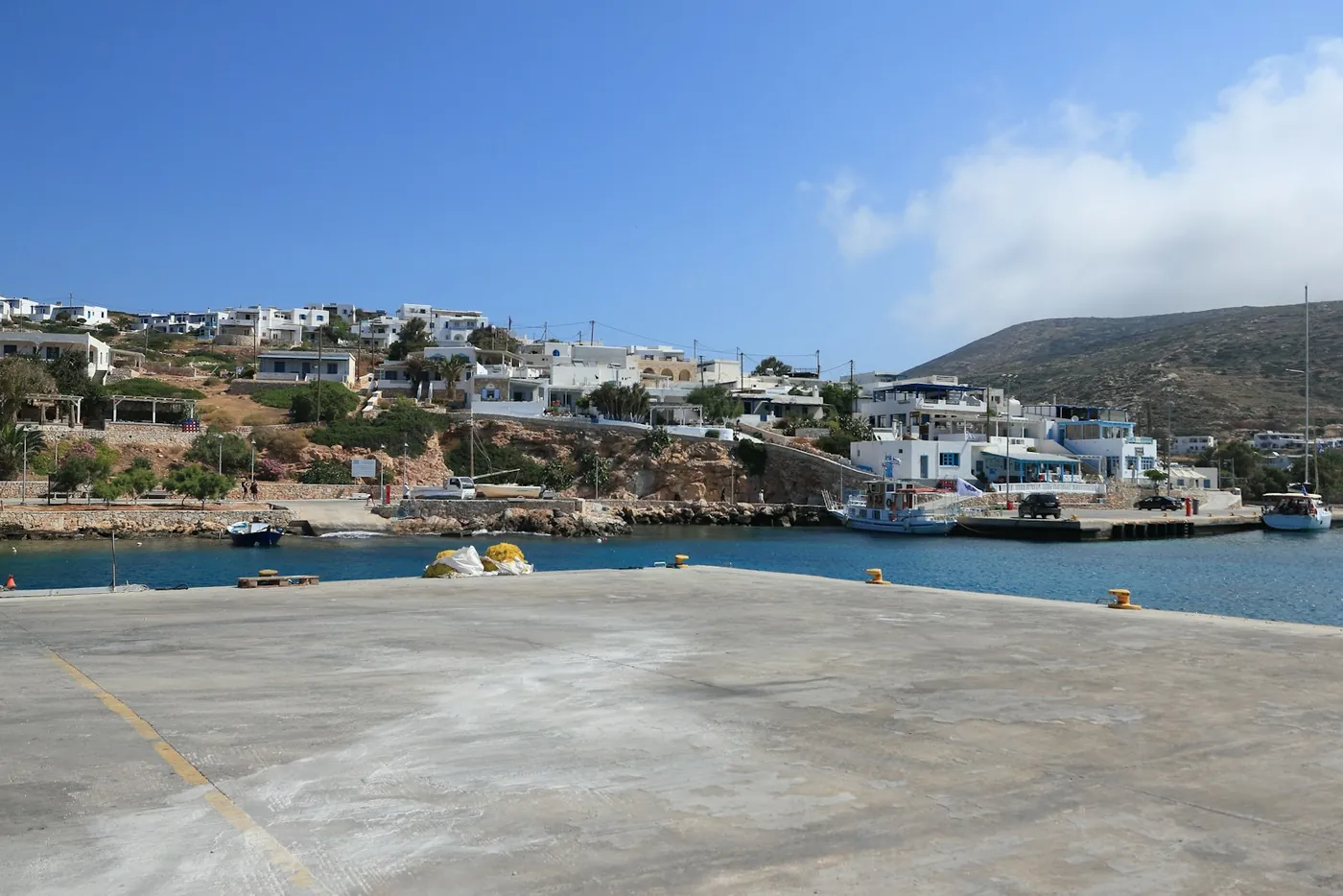
Greek healthcare is good, but it is concentrated in Athens, Thessaloniki and the biggest islands. On a small Cycladic island, the medical infrastructure may be a single regional clinic: excellent for stitches, dehydration and broken wrists, not equipped for surgery or serious emergencies. Anything major means a transfer to a bigger hospital, sometimes by helicopter or air ambulance to Athens or Crete.
That evacuation, plus private treatment, plus a possible medically escorted flight home, is where bills climb into five figures fast. EU and UK residents can use their EHIC or GHIC card for public care, and it is genuinely useful, but it covers none of the transport, none of the private clinics that dominate on resort islands, and none of the repatriation. This is the single strongest reason to carry real insurance in Greece: not the everyday scrapes, but the rare event that involves an aircraft with a stretcher in it.
Ferries, wind and the missed flight home
The Greek ferry network is wonderful and mostly reliable, but it answers to the weather. In July and August the meltemi wind can shut down sailings across the Cyclades for a day or more; in spring and autumn, storms do the same. The ferry company refunds the ticket, and that is where its responsibility ends. The extra hotel night, the rebooked connection and the international flight you miss out of Athens are all yours.
This is why seasoned island-hoppers build a buffer day before any flight, as we explain in the island hopping guide, and why trip delay and missed connection cover earns its keep in Greece more than almost anywhere in Europe. Check the policy pays for extra accommodation and rebooking when a scheduled carrier, including a ferry, is delayed or cancelled.
Quads, scooters and watersports: read the exclusions
Walk around any island port and you will see rows of quad bikes and ATVs for rent. They look like toys; they are the source of a large share of serious tourist injuries in Greece every summer. Many standard policies exclude motorised two and four wheelers by default, or cover them only with an adventure add-on, a valid licence of the right category, and a helmet. Rent one uninsured, crash it, and you can be facing both the medical bill and the rental company’s damage claim on your own.
The same logic applies to the fun stuff on the water: jet skis, parasailing, diving, sea kayaking in open water. None of it is a reason to stay on your sunbed, all of it is a reason to spend five minutes with the policy wording and tick the right add-on before you fly.
Riding a quad or hitting the water?Make sure your policy actually covers ATVs, scooters and watersports before you rentHeat, hiking and the everyday stuff
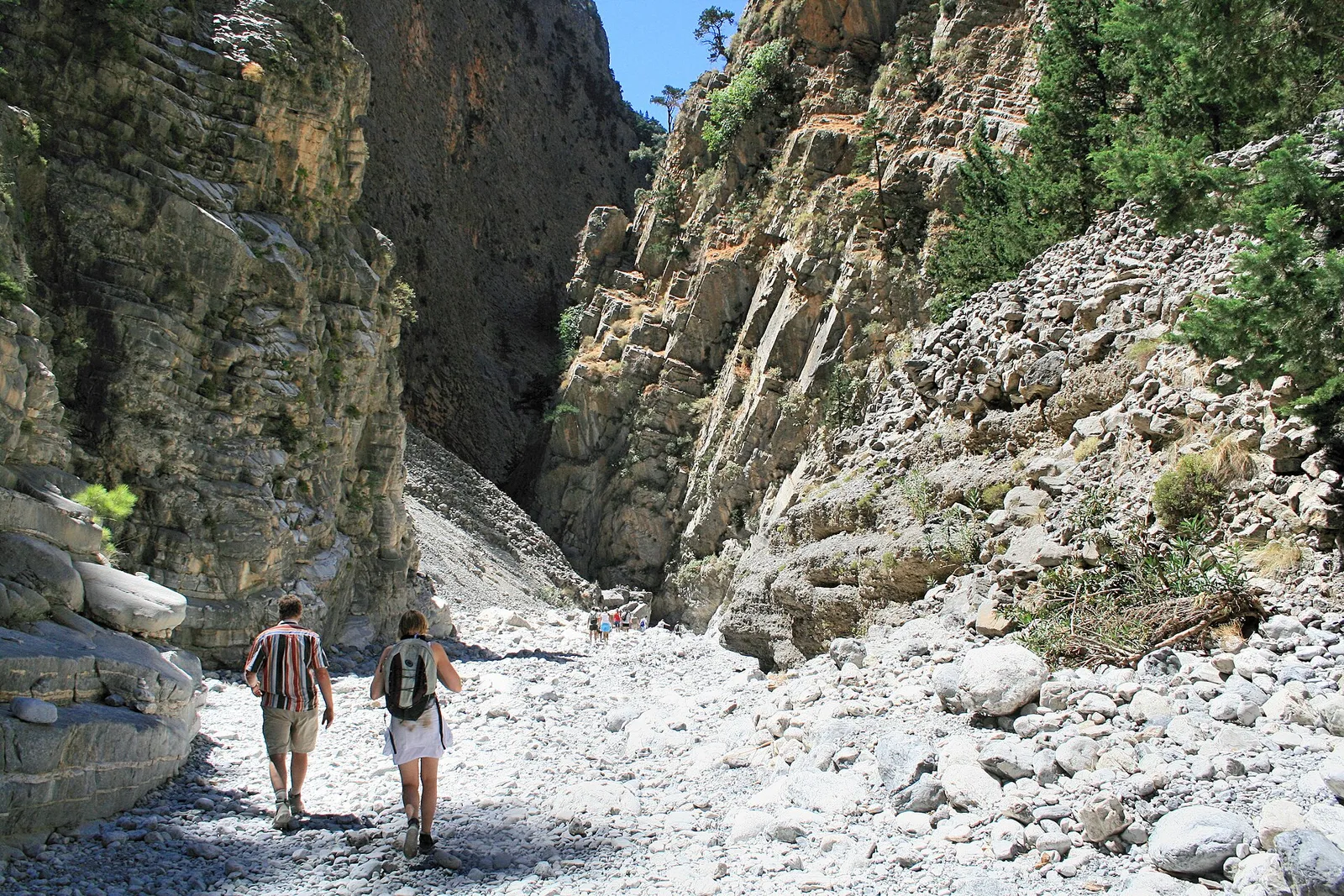
Greek summer is hot, and getting hotter: heatwaves above 40 degrees now close the Acropolis at midday several times each summer. Heatstroke and dehydration send a steady stream of visitors to clinics, and hikers on trails like the Samaria Gorge or the Santorini caldera path are exposed for hours with little shade. Medical cover handles the treatment; common sense, water and an early start prevent it.
Then there is the ordinary, boring risk: a phone lifted in a packed Athens metro carriage, a bag that flies to the wrong country, a family emergency that cancels the trip a week before departure. Petty theft in Greece is low by big-city standards but real in crowded tourist zones. Baggage, gadget and cancellation cover are the parts of a policy you are statistically most likely to actually use.
What a good Greece policy looks like
Here is the checklist that matters for this specific country:
| Cover | Why it matters in Greece | What to look for |
|---|---|---|
| Emergency medical | Small-island clinics are limited | At least 100,000 EUR, ideally more |
| Evacuation and repatriation | Air transfer to Athens or home | Explicitly included, high limit |
| Trip delay and missed connection | Wind-cancelled ferries before flights | Covers ferries as scheduled carriers |
| Cancellation | Booked months ahead for summer | Starts from the day you buy |
| Adventure add-on | Quads, scooters, jet skis, diving | Named activities, licence rules |
| Baggage and gadgets | Theft in crowded tourist areas | Realistic per-item limits |
On providers: international insurers such as SafetyWing, World Nomads, Allianz and IMG all cover Greece and are popular with travellers from many countries, each with different strengths in price, adventure cover, trip length and medical limits. There is no universal winner. Get two or three quotes for your exact dates, ages and activities, then read the exclusions for whatever you actually plan to do.
The two things that go with the policy
The local numbers. A policy reference is only useful alongside the number you dial first; our guide to emergency numbers in Greece lists them and takes half a minute to save.
A realistic view of the trip. Insurance costs are driven by what you actually plan to do, and a Greek itinerary with scooters, boat days and swimming is a different risk profile from a city break. If you are still choosing the destination, our comparison of Greece and Italy covers how the two trips differ in practice.
The short version
You will almost certainly spend a week in Greece and claim nothing. But the two risks that define this destination, a medical evacuation from a small island and a wind-cancelled ferry before an international flight, are exactly the ones that cost the most and that no health card or ferry refund covers. Buy a policy when you book the trip, add cover for quads or watersports if that is your plan, keep the emergency number saved offline, and then forget about it and enjoy the best first trip Greece can give you.