Greece is a safe, easygoing country, and the odds are excellent that you will never dial any number in this guide. But emergencies are precisely the moment you do not want to be searching the internet on a beach with one bar of signal. Save the numbers below, skim the island healthcare section, and then go back to planning the fun parts.
The numbers to save
112 is the number. It is the pan-European emergency line, it works from any phone including foreign SIMs and locked screens, operators speak English, and it dispatches police, ambulance, fire and coast guard. If you memorize one thing, memorize that.
Greece also keeps its traditional direct lines, useful when you know exactly which service you need:
| Service | Number |
|---|---|
| All emergencies (English spoken) | 112 |
| Police | 100 |
| Ambulance (EKAB) | 166 |
| Fire brigade | 199 |
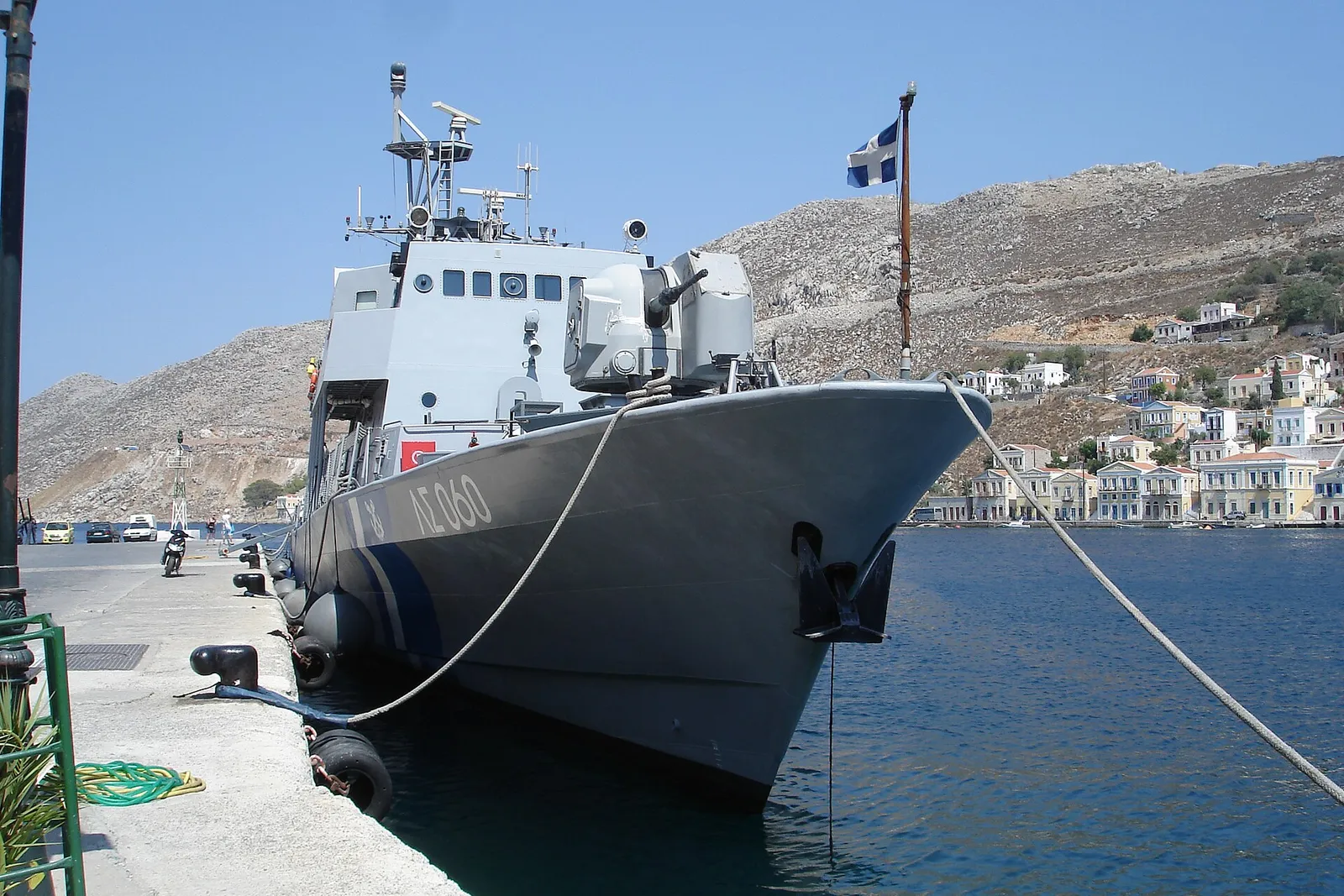
| Coast guard (emergencies at sea) | 108 |
| Tourist police (advice, complaints) | 1571 |
The tourist police deserve a note: it is a dedicated line for visitors, with multilingual staff who help with lost documents, disputes with businesses and pointing you to the right authority. Not for life-threatening situations, but genuinely useful.
When you call any emergency line, give your location first: town or beach name, the nearest landmark or business, and GPS coordinates from your phone’s map app if you have them. Greek place names repeat across the country, so “Paradise Beach” alone helps nobody.
Hospitals, health centres and pharmacies
Athens, Thessaloniki and the large islands like Crete, Rhodes and Corfu have full hospitals, public and private. Mid-sized islands run health centres capable of handling most problems, and small islands may have a single rural doctor. Public emergency departments will treat anyone in a genuine emergency; private clinics are faster and more comfortable, and this is where travel insurance earns its keep.
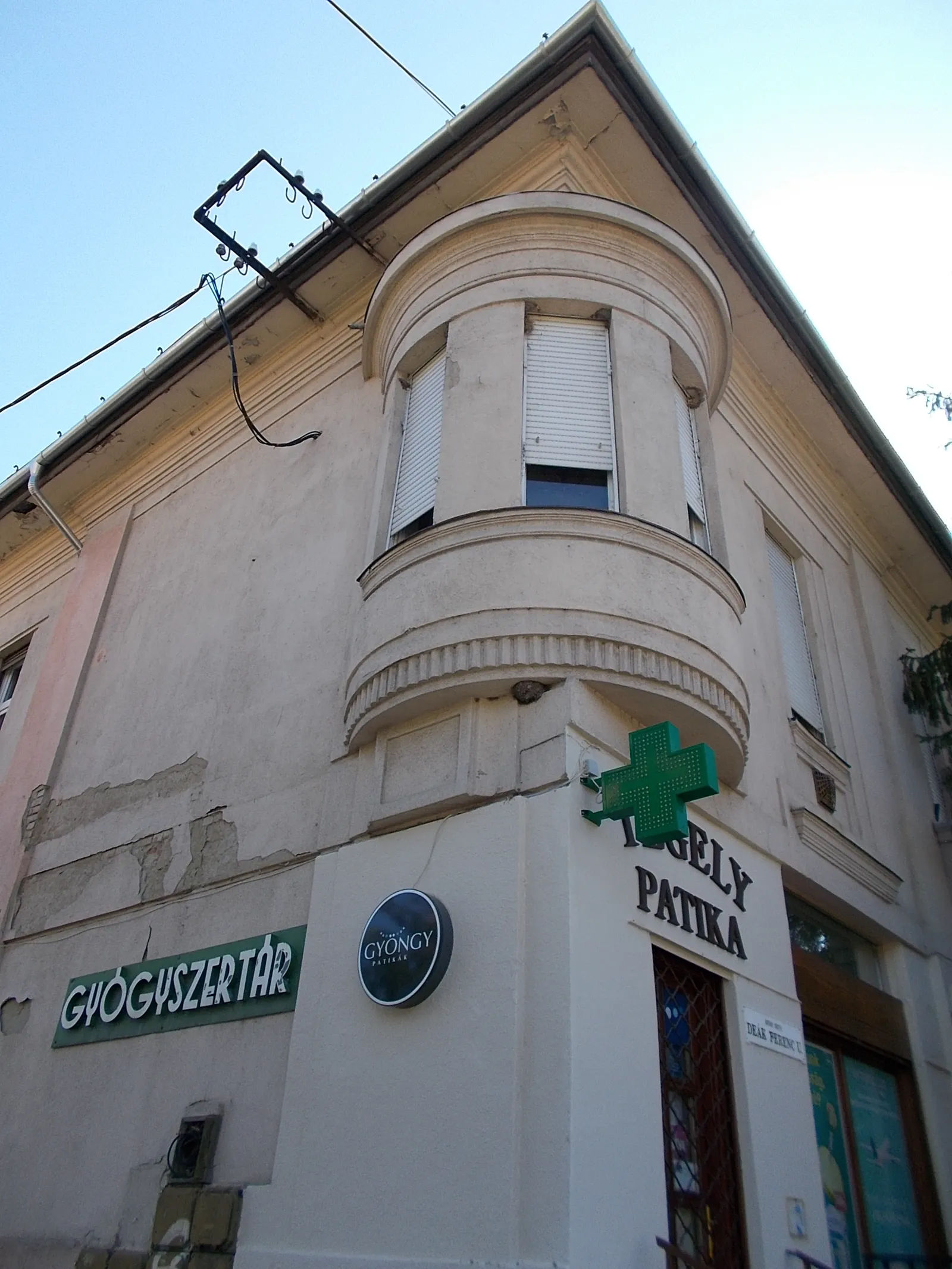
For everything minor, start at a pharmacy. Greek pharmacists are superbly trained, nearly always speak English, and solve sunburn, stomach trouble, allergies and cut knees on the spot. Look for the green cross; every neighbourhood posts a rotating after-hours duty pharmacy on the door of the closed ones. If you take prescription medication, bring enough for the trip plus a few spare days, in its original packaging.
The island reality: limits and evacuation
Here is the honest part that brochures skip. On a small island, medical care is built for stabilization, not surgery. A serious accident or illness means transfer to a bigger hospital by ferry, coast guard vessel or air ambulance to the mainland. The system is well practiced and works, but it takes time and, for visitors, it can be expensive without cover.
Practical conclusions: carry travel insurance that explicitly covers medical evacuation, think twice about renting quads and scooters (they cause a large share of tourist injuries, and some policies exclude them without the right licence), and if someone in your group has a fragile medical condition, favour islands with hospitals. None of this should scare you off the small islands, which are the soul of the country; it should just shape your paperwork.
An emergency plan needs a working phoneAn eSIM with Greek data means maps, alerts and the 112 callback all work wherever the trip takes youHeat, wildfires and the alerts on your phone
Greek summers have grown fiercer, and the state has responded with an effective emergency alert system: when extreme heat or a wildfire threatens an area, every phone in it, foreign SIMs included, receives a loud alert with instructions in Greek and English. Do not dismiss these. In a heat wave, sightsee early, siesta at midday, and drink far more water than feels necessary; archaeological sites sometimes close during the hottest hours, and the best months to visit largely sidestep the problem. In a wildfire alert, follow the evacuation instructions immediately and completely. Never light fires or discard cigarettes outdoors in summer; causing a fire, even by negligence, is a serious crime in Greece.
The sea: respect the wind
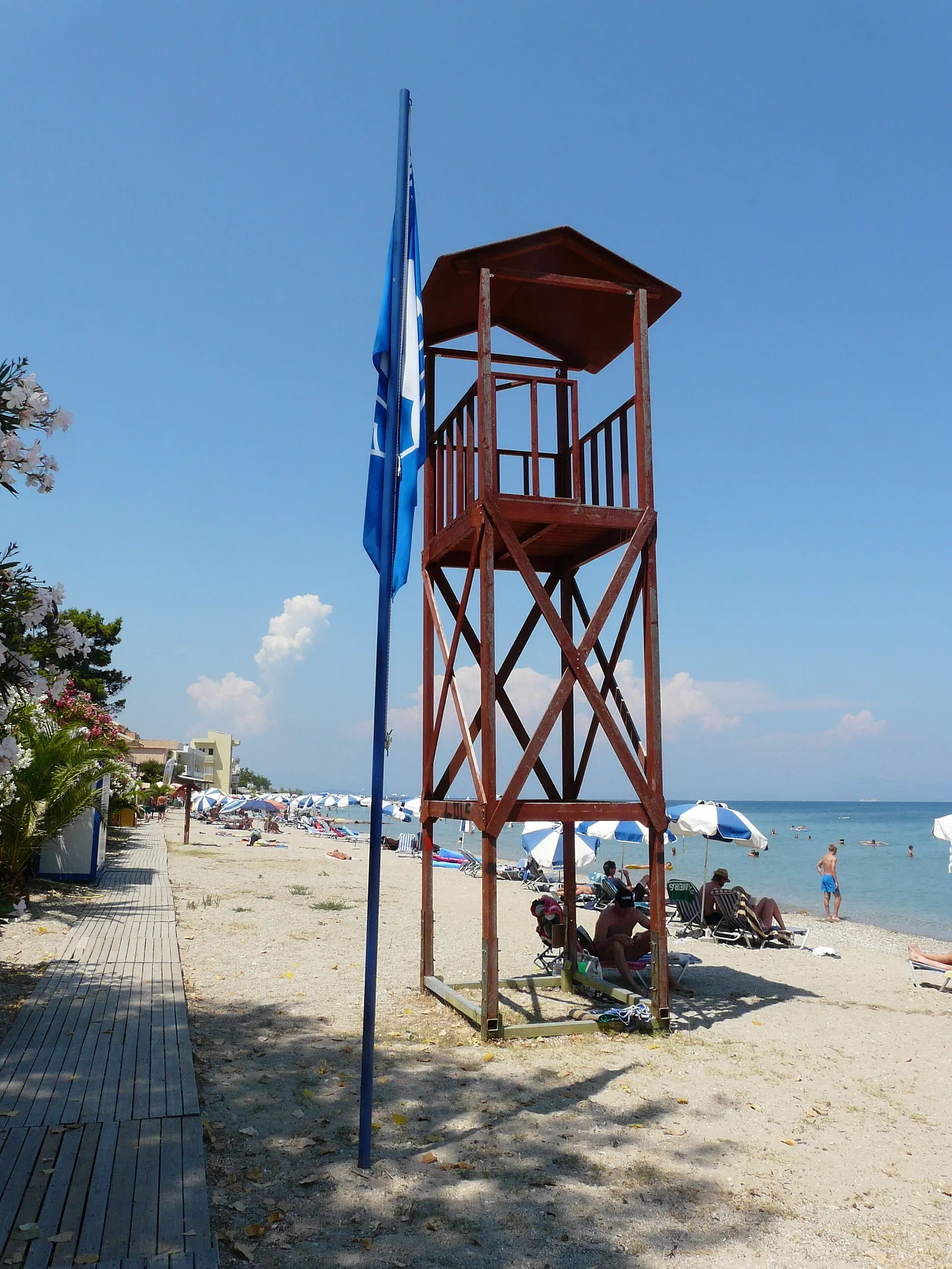
Most Greek beach days are blissfully calm, and many organized beaches have lifeguards in season. The risk concentrates on windy days, when the summer meltemi builds waves and rip currents on exposed coasts. Watch the flags, ask locals whether a beach is safe in today’s wind, keep children close, and be cautious with standup paddleboards and inflatables, which offshore winds can carry out fast. For emergencies at sea call 108 or 112, and the coast guard will respond. Boat renters: file your route with the rental office and respect the wind forecast, because the same meltemi that cancels ferries also strands small boats.
Strikes, cancelled ferries and other non-emergencies
Some Greek “emergencies” are just logistics. Ferry strikes are announced days ahead and typically last 24 or 48 hours; operators rebook you on the next sailing, and the fix is the same as for weather cancellations, keep a buffer day before any flight, as the ferry guide explains. Lost passport? Report to the police (the tourist police line 1571 will direct you), then contact your country’s embassy or consulate in Athens for an emergency travel document; nearly every nationality has representation there. Pickpocketed in Athens? File a police report the same day, since your insurer will require it, and cancel cards immediately.
The three things to sort alongside the numbers
Cover. Numbers get you help and insurance pays for it, and the exclusions that matter here are the ones around scooters, boats and water sports, so read those clauses before you buy rather than after something happens.
Slack in the budget. A stolen phone, a cancelled ferry and an unplanned night in a clinic are all financial events as well as stressful ones, and a trip costed to the last euro has nowhere to absorb them; our guide to Greece on a budget covers where the money in a Greek trip actually goes and which decisions leave you room to move.
The airport journey. A surprising share of the problems visitors report happen on arrival or departure day rather than in the middle of a trip, from missed transfers to disputes over fares; our Athens airport transfers guide sets out the official routes and prices so there is nothing to argue about.
The short version
Save 112, plus 108 for the sea and 1571 for the tourist police. Use pharmacies for the small stuff, know that small islands stabilize and transfer serious cases, and carry insurance with evacuation cover. Heed the heat and wildfire alerts your phone will show you, respect the wind at the beach, and treat strikes as a scheduling nuisance rather than a crisis. That is the whole safety briefing; Greece is on the easy list, and a well-planned first trip will almost certainly never need this page.