Greece rewards a little planning and forgives almost none of the panic. You can land in Athens with nothing booked and still have the trip of your life, but a handful of decisions made before you fly, where you go, how you get between the islands, and when you visit, are the difference between a smooth first trip and a week spent chasing ferries you missed. This is the guide we wish someone had handed us the first time, wherever you are flying from.
When to go
Greece has a long, generous season. The sweet spots are May to June and September to October, when the days are warm, the sea is swimmable and the islands are lively without being overwhelmed. July and August bring the hottest weather, the biggest crowds and the highest prices, along with the strong summer meltemi wind that can whip up the Cyclades and cancel the odd ferry.
If you can only travel in high summer, go anyway, just book early and build in a buffer day. If you have the freedom to choose, aim for the shoulder months and you will get the best of everything.
The visa and entry, sorted in one paragraph
Greece is part of the Schengen area, so EU, UK, Irish, US, Canadian, Australian and New Zealand passport holders enter visa-free for up to 90 days in any 180-day period. Not everyone reading this is in that group: South African passport holders, among others, need a Schengen visa arranged weeks in advance, so check your own passport rather than assuming. Non-EU passports need 3 months of validity beyond your departure and must have been issued within the last 10 years. Since April 2026 the EU’s biometric EES border system has replaced passport stamps, which adds a few minutes to your first crossing. The separate ETIAS authorisation has been delayed repeatedly and is still not in force, so there is nothing to apply for right now. Our full entry guide has the detail, and the official EU pages have the last word.
How long, and what shape
| Length | A shape that works | What you give up |
|---|---|---|
| 4 to 5 days | Athens plus one nearby island | The Cyclades proper |
| 7 days | Athens plus two islands in one group | A third island, or the mainland |
| 10 days | Athens plus two islands, unhurried, or three with a ferry day | Crossing between island groups |
| 14 days | Athens, an island group and the mainland | Very little |
The number that matters is not the total but how many times you move. Each island change costs a morning of packing, a ferry and an afternoon finding your feet, so four islands in a week is really four half days of travel plus some beaches. Two islands with three or four nights each is the shape that feels like a holiday.
Athens first, then the islands
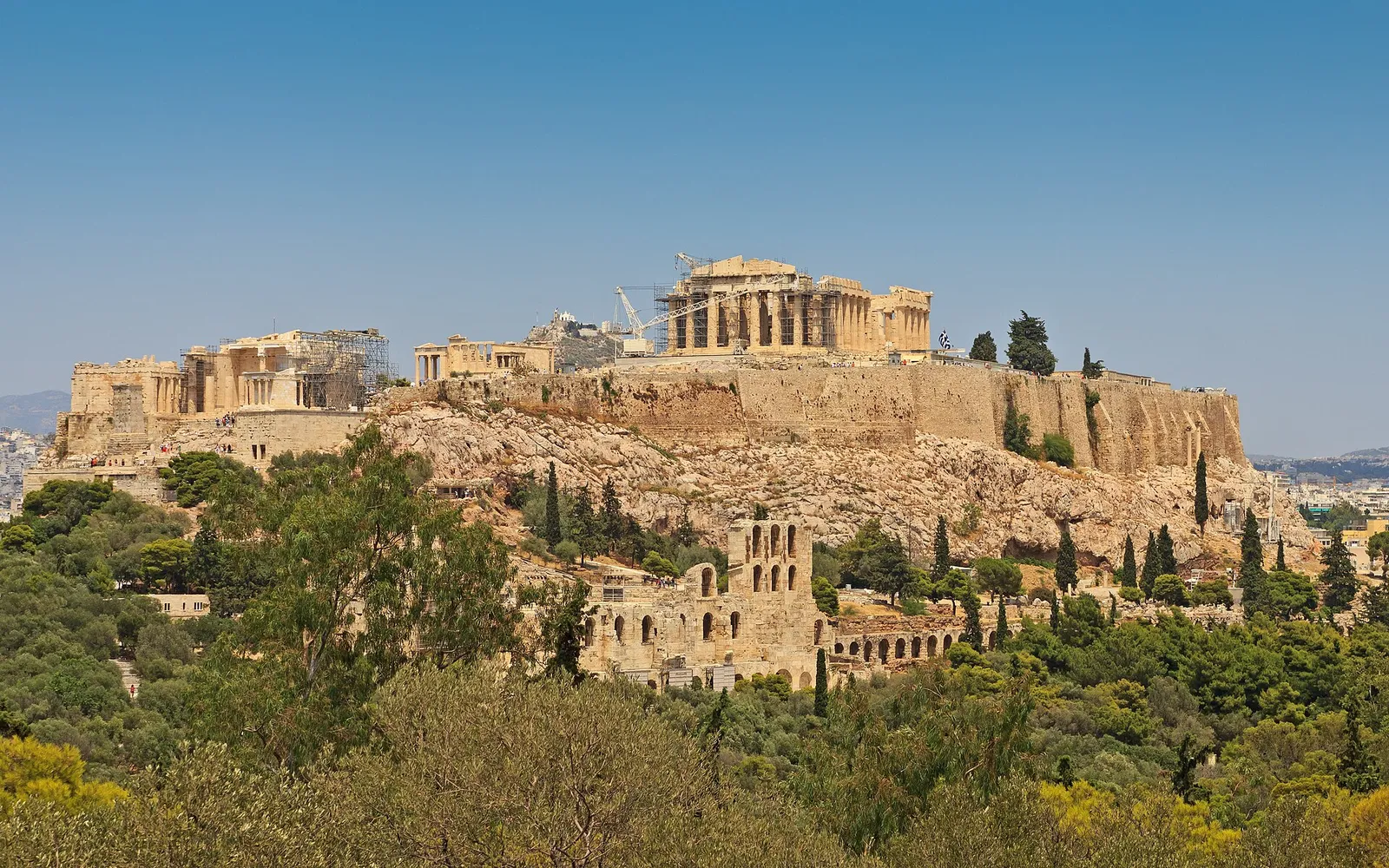
Almost every first trip starts in Athens. Give it at least a full day and a half: the Acropolis and the ancient sights, the buzzing Plaka and Monastiraki lanes, and a long dinner in a rooftop taverna with the floodlit Parthenon above you. It is the historical heart of the country and the hub from which the ferries and flights fan out.
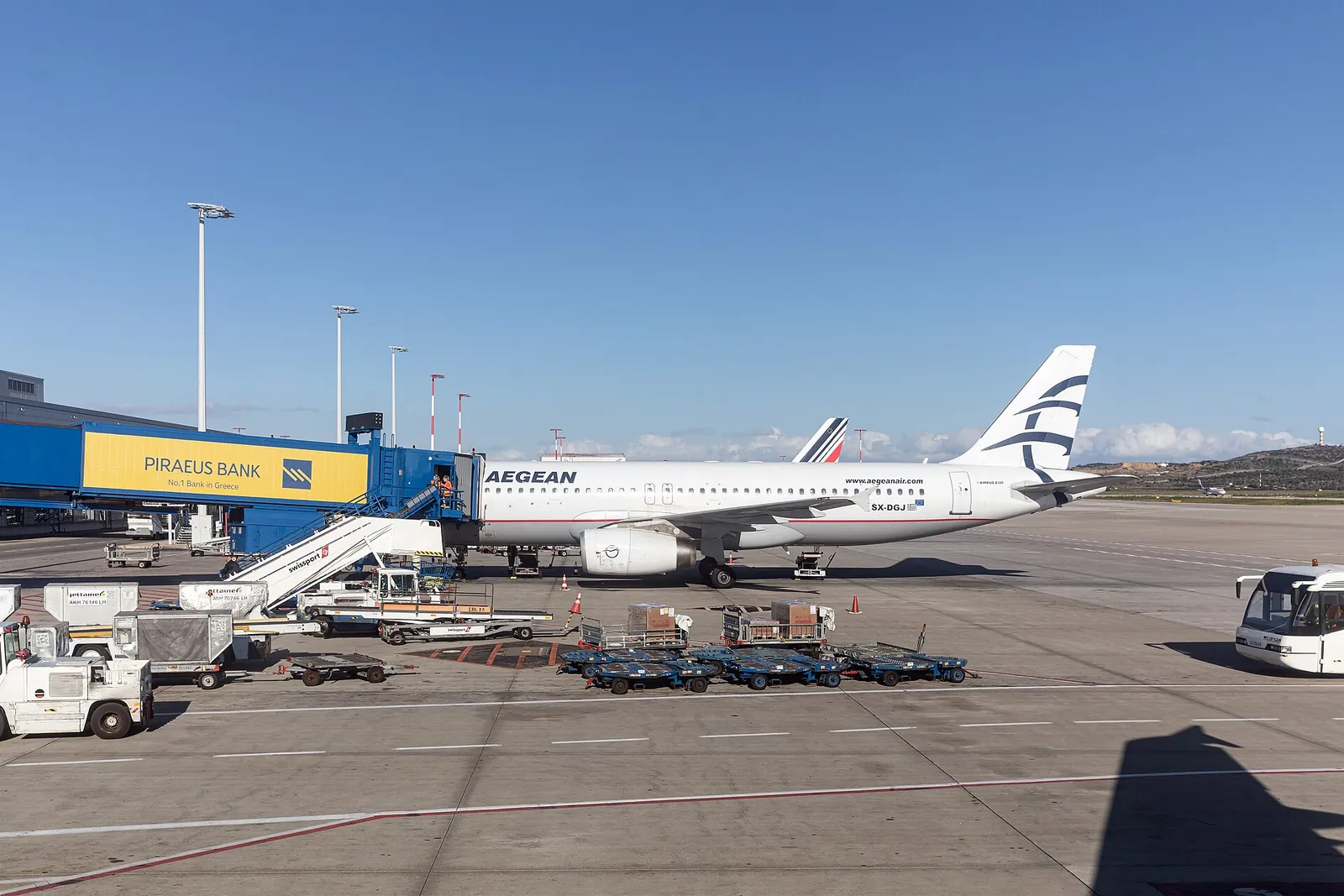
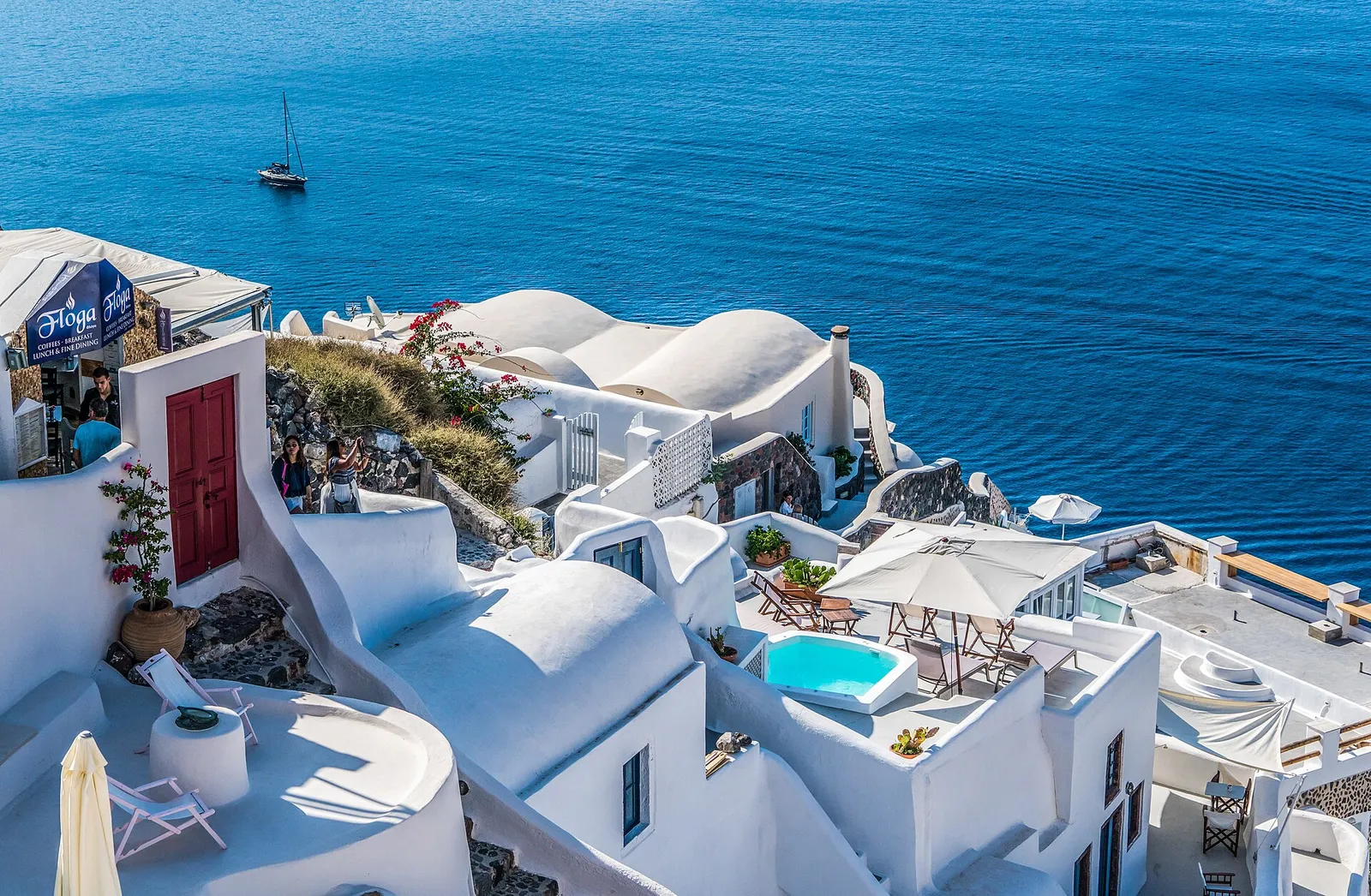
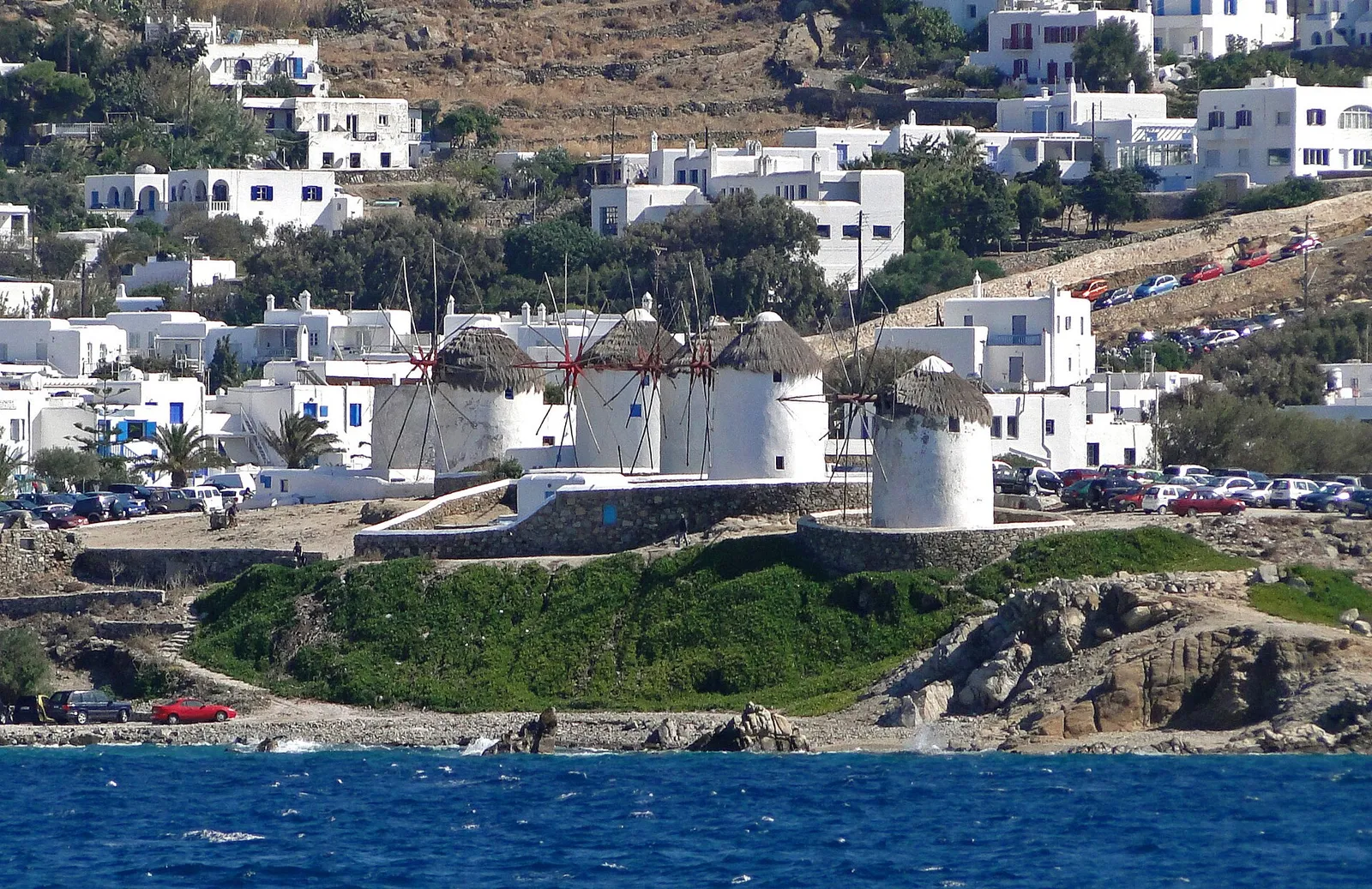
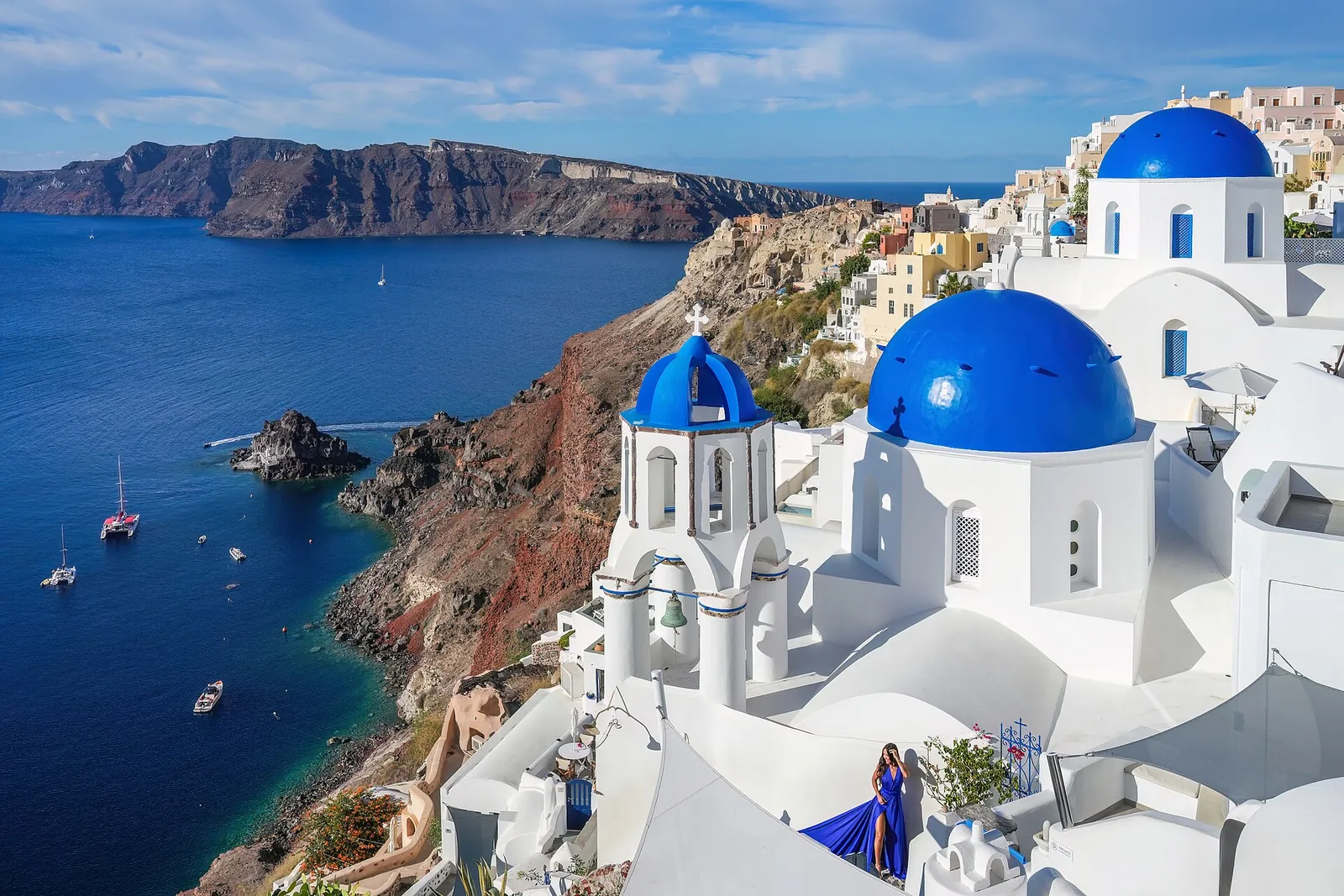
From Athens you reach the islands two ways: ferries from the ports of Piraeus and Rafina, or domestic flights to the farther islands like Rhodes, Crete and Corfu. For a first week, most people pair Athens with one or two of the Cyclades, say Mykonos and Santorini, or a quieter alternative like Naxos or Paros.
How to get around
There is no single network that ties Greece together, so match your transport to your plan. Ferries are the classic island link: comfortable, scenic and cheap, but slower and occasionally weather-dependent. Domestic flights save a whole day when you are heading to a far island. On the bigger islands and across the mainland, the freedom of a rental car is worth it, since buses are limited and the best beaches and villages sit down winding side roads.
One thing to sort before you fly if you plan to drive: whether you need an International Driving Permit depends on where your licence was issued, not on where you are going. EU, EEA and UK licences are accepted in Greece as they are. The rules for licences from outside Europe have changed in recent years and the guidance is not always consistent, so if you hold a US, Canadian, Australian, New Zealand or South African licence, the safe move is to buy an IDP at home (they are cheap, and issued by motoring bodies like AAA, CAA, the AA and the RAC) and carry it with your national licence. Some rental desks still ask for one, and driving without a document the police expect can complicate an insurance claim. Ask your rental company what they require when you book.
In Athens itself the metro is clean, cheap and reaches the airport and Piraeus port directly, which makes ferry-day logistics painless.
Turn ferry days into easy day sailsA small-group boat trip reaches the coves and beaches you cannot get to by roadWhat to book ahead, and what to leave loose
Book your first two nights so you land somewhere sorted, your island accommodation for July and August (the good-value rooms vanish first), your ferries in peak season, and your headline experiences like a Santorini sunset cruise or a guided Acropolis tour. Sort an eSIM too, so you have data the moment you land. Almost everything else, tavernas, beaches, day trips, extra boat rides, can be arranged on the ground for less, so resist over-planning and leave room to follow a local recommendation.
What a trip actually costs
Greece flexes widely, and where the money goes is predictable. Accommodation is the biggest line and the one that swings hardest: a room on Mykonos or Santorini in August can cost several times the same standard on Naxos or Milos, and that single choice moves a budget more than anything else you decide.
Food is where Greece is generous. A taverna meal with house wine is good value everywhere, souvlaki is close to free, and the coffee habit costs little. Ferries are cheap for the slow boats and noticeably dearer for the fast ones. The extras that add up are boat trips, sunbeds and airport transfers, none of them large individually.
The practical conclusion: if the budget is tight, change the island rather than economising on the food. Swapping one famous island for a quieter one buys you a better trip and a smaller bill at the same time.
Money, food and small courtesies
The currency is the euro (EUR). Cards are widely accepted in towns and on the bigger islands, but carry some cash for small tavernas, kiosks, remote beach bars and the occasional cash-only ferry snack counter. Tipping is modest and optional: rounding up or leaving a euro or two for good service is normal, not expected.
Greek food is one of the great joys of the trip, so come hungry. Meals run late by some standards, meze is made for sharing, and the house wine is usually a bargain. Read the food guide before you go so you order like you have done this before.
Two islands, and how to choose them
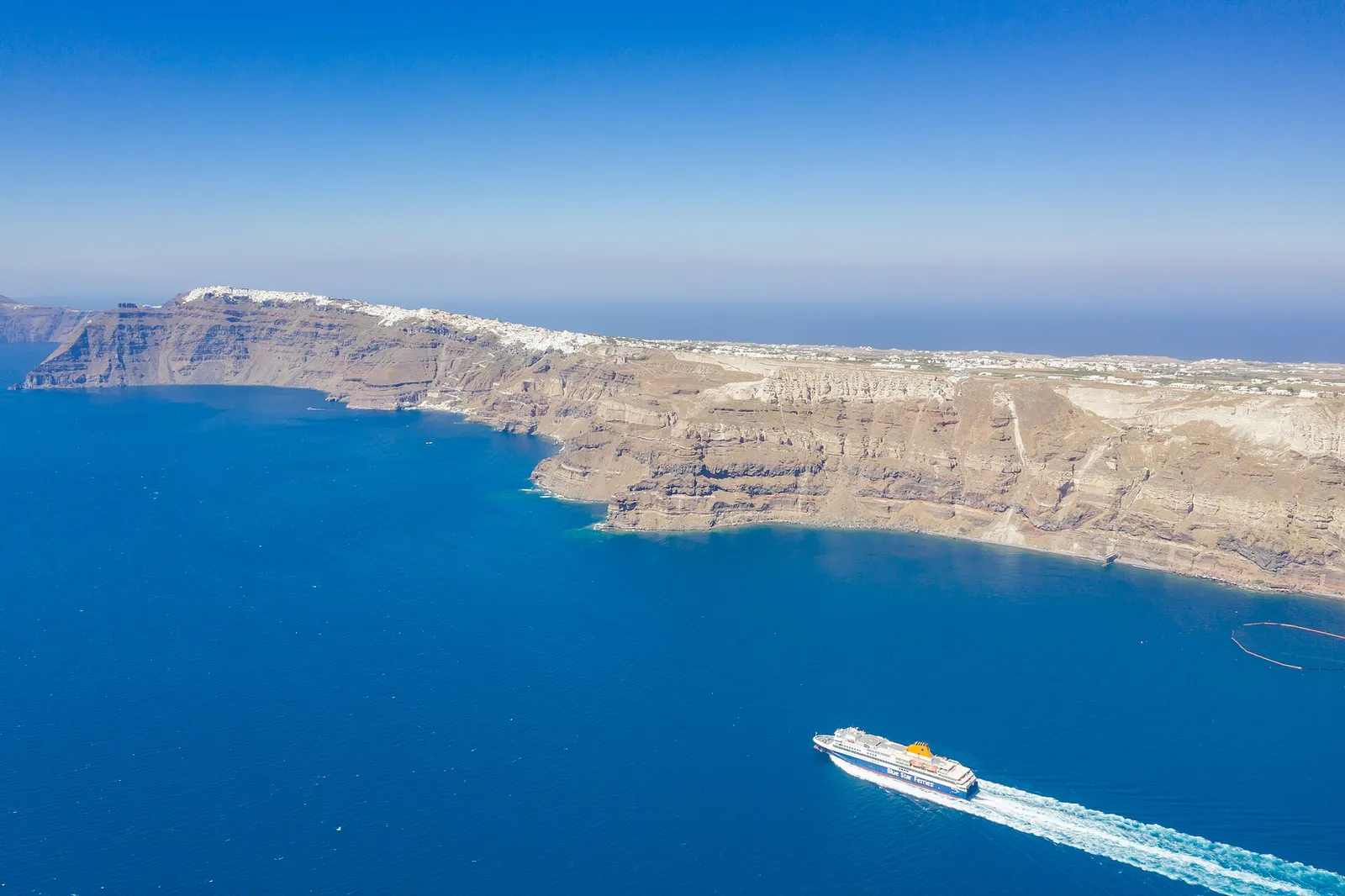
The most useful way to pick is by pairing one lively island with one quiet one, rather than two of the same. That gives the trip a shape: a few days of scene, beach clubs and late dinners, then a few days where nothing is scheduled and the loudest thing is the sea.
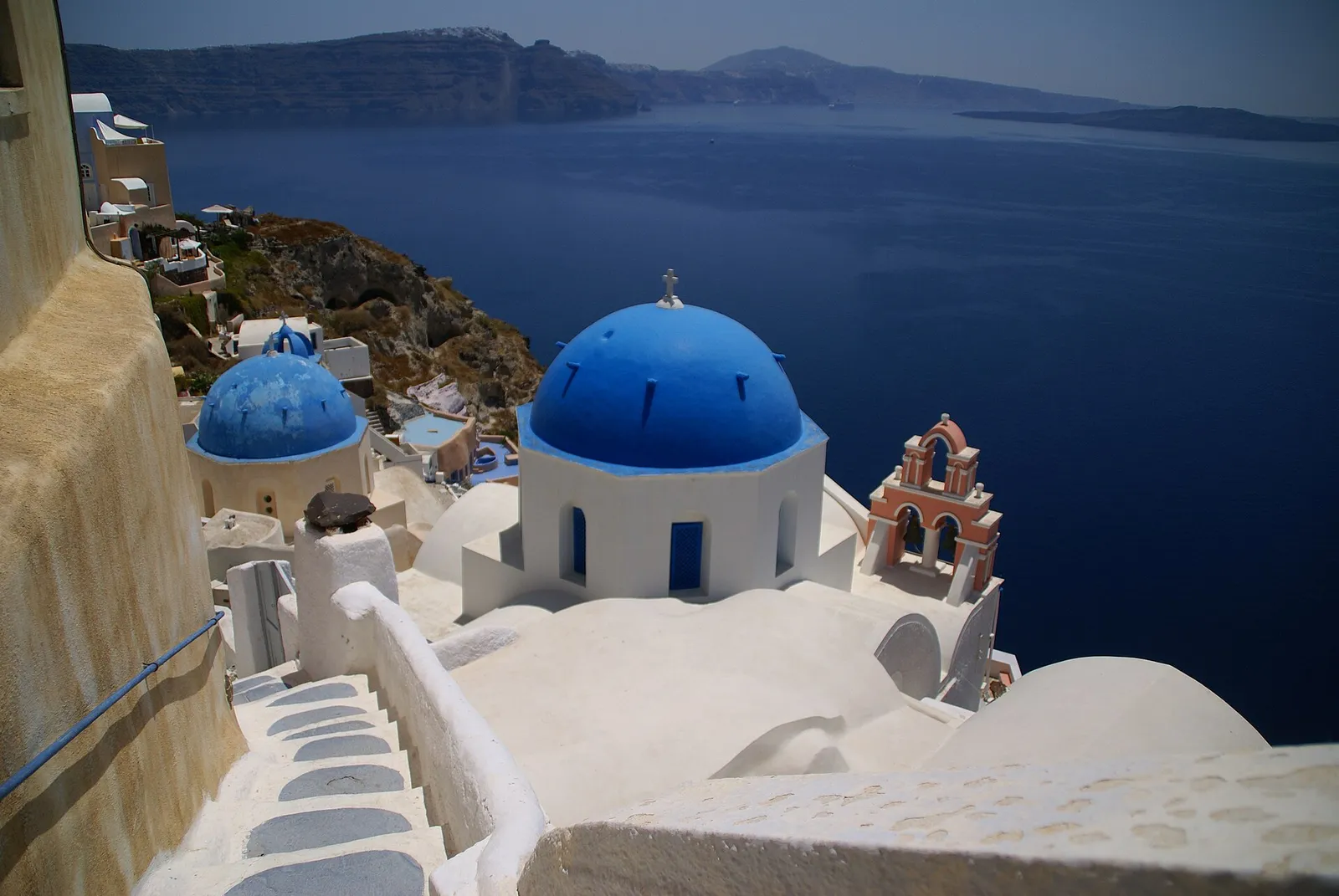
Within the Cyclades that might be Mykonos or Santorini for the first half and Naxos, Paros or Milos for the second. The famous two earn their reputation and they are also the busiest and priciest, so putting the quiet island second means the trip winds down rather than up, which is the right direction for a holiday.
Whatever you choose, keep the crossings short and within one island group. Islands in the same group are well connected to each other; islands in different groups frequently are not, and the day it takes to get between them is a day you meant to spend swimming.
Staying safe and well
Greece is a safe country and the risks are mundane rather than alarming. The heat does more damage than anything else, particularly at the unshaded archaeological sites, which is why the local rhythm of early mornings, a long lazy middle of the day and late evenings is advice rather than tradition. Carry water, wear a hat, and treat two in the afternoon as museum or sea time.
Three more. Ancient marble is polished and genuinely slippery, so shoes with grip beat sandals at the sites. Many beaches have no lifeguard, and the emptiest coves are the ones nobody is watching. And scooters and quads, the classic island rental, are the most common way visitors get injured here.
That last one is also the most common insurance gap: many policies exclude two wheels entirely, or require a licence category most holidaymakers do not hold. Our guide to travel insurance for Greece covers what to check before you rent anything, along with what a policy does about a ferry cancelled by wind.
Greece or Italy, if you are still choosing?
They are the two great Mediterranean first trips and they offer genuinely different holidays. Greece is islands, sea and antiquity, with a slower pace, lower prices and more time spent on beaches and boats. Italy is cities, art and food, denser and busier, with far more to see per square kilometre and correspondingly less lying down.
The practical difference is transport: Italy is stitched together by fast trains and rewards a multi-city route, while Greece is stitched together by ferries and rewards staying put. Our comparison of Greece and Italy weighs cost, food, crowds and pace properly if the decision is still open.
The rookie mistakes
Four, in order of how much they cost. Too many islands, which turns a holiday into a ferry timetable. Flying home from the last island, which works until the wind says otherwise. Booking Mykonos and Santorini in August without checking the alternatives, which is how a budget disappears. And sightseeing at midday in July, which is the fastest way to hate a ruin you crossed a continent to see.
The short version
Start in Athens, then pick one or two islands rather than five. Go in the shoulder season if you can, book your summer rooms and ferries early, sort the entry rules and an eSIM before you fly, rent a car on the bigger islands, and leave your evenings loose for long taverna dinners. Do that, and your first Greek trip will feel less like a logistics puzzle and more like the start of a lifelong habit of coming back.