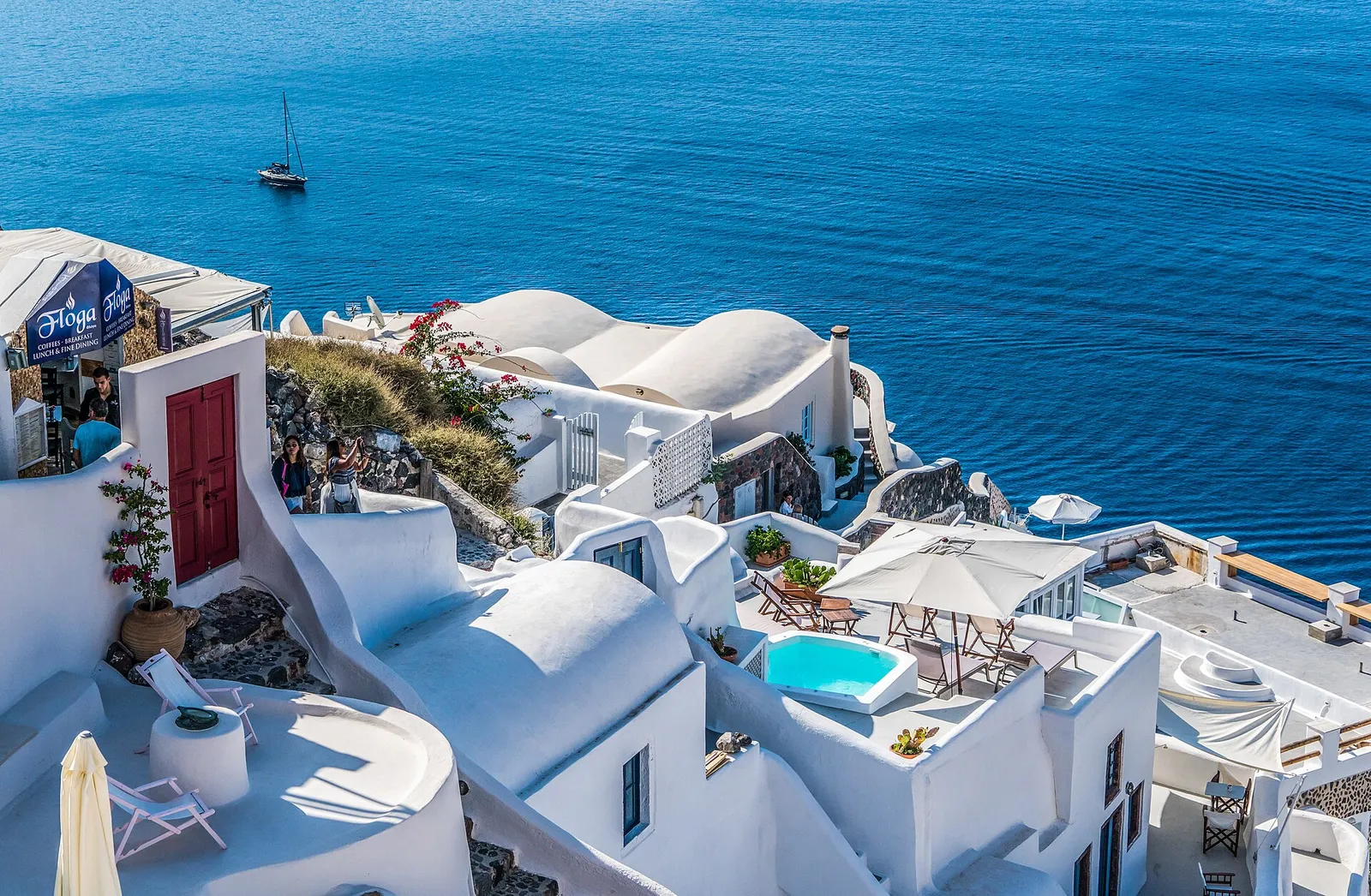
Greece has one of the longest, most forgiving travel seasons in Europe, which is good news and a small trap: there is no single right time to go, only the right time for the trip you want. The weather, the crowds and the prices all swing through the year, and knowing how they move lets you land in the version of Greece you are actually dreaming of. Here is the country month by month.
The big picture: four moods, not four seasons
Think of the Greek year in four stretches. High summer (July and August) is hot, busy and expensive, the classic beach-and-party season. The shoulder months (May, June, September, October) are the connoisseur’s choice: warm, swimmable and far calmer. Spring (April) is green, fresh and cheap, better for hiking and cities than swimming. Winter (November to March) is quiet and mild, a mainland-and-culture season when many islands close down.
For most people the honest answer is simple: go in the shoulder season if you possibly can.
| Month | Islands | Sea | Crowds and price | Verdict |
|---|---|---|---|---|
| January | Mostly closed | Cold | Lowest | Athens, museums, mountains |
| February | Mostly closed | Cold | Lowest | Carnival, cheap city breaks |
| March | Waking up | Cold | Low | Green mainland, hiking |
| April | Opening around Easter | Cool | Rising at Easter | Wildflowers, sightseeing |
| May | Fully open | Warming | Moderate | Superb, still quiet |
| June | Lively | Comfortable | Building | The best all-rounder |
| July | Full swing | Warm | High | Hot, busy, meltemi |
| August | Full swing | Warmest | Highest | Peak everything |
| September | Lively, easing | Warmest | Falling | The connoisseur’s month |
| October | Winding down late | Still warm early | Low | Warm sea, empty beaches |
| November | Closing | Cooling | Lowest | Mainland only |
| December | Closed | Cold | Low, festive | Cities and food |
Air temperature and sea temperature are not the same calendar
This is the detail that decides more trips than any other. The air peaks in late July and August, but the sea lags behind by weeks, absorbing heat all summer and reaching its warmest in late August and September, staying pleasant well into October.
The practical consequence is that early June, which feels reliably summery on land, has noticeably cooler water than early October, which feels autumnal on land. If swimming is the point of your trip, plan around the sea rather than the sunshine, and the second half of September becomes the obvious answer.
May and June: the sweet spot begins
May wakes the islands up. The countryside is green and flowering, the sea is warming (a touch brisk early on), prices are still reasonable and the crowds are thin. It is glorious for hiking, sightseeing and early beach days. By June, the water is warm, the days are long and sunny, and everything is open and lively, but the peak-season crush and prices have not yet arrived. June is arguably the best all-round month of the year to visit Greece.
July and August: peak heat, peak crowds
This is the postcard summer, and it comes at a cost. The weather is reliably hot and dry, often well into the thirties Celsius, the islands are buzzing, and every beach club and taverna is in full swing. But it is also the busiest and most expensive stretch, with sold-out ferries, packed sights and premium room rates.
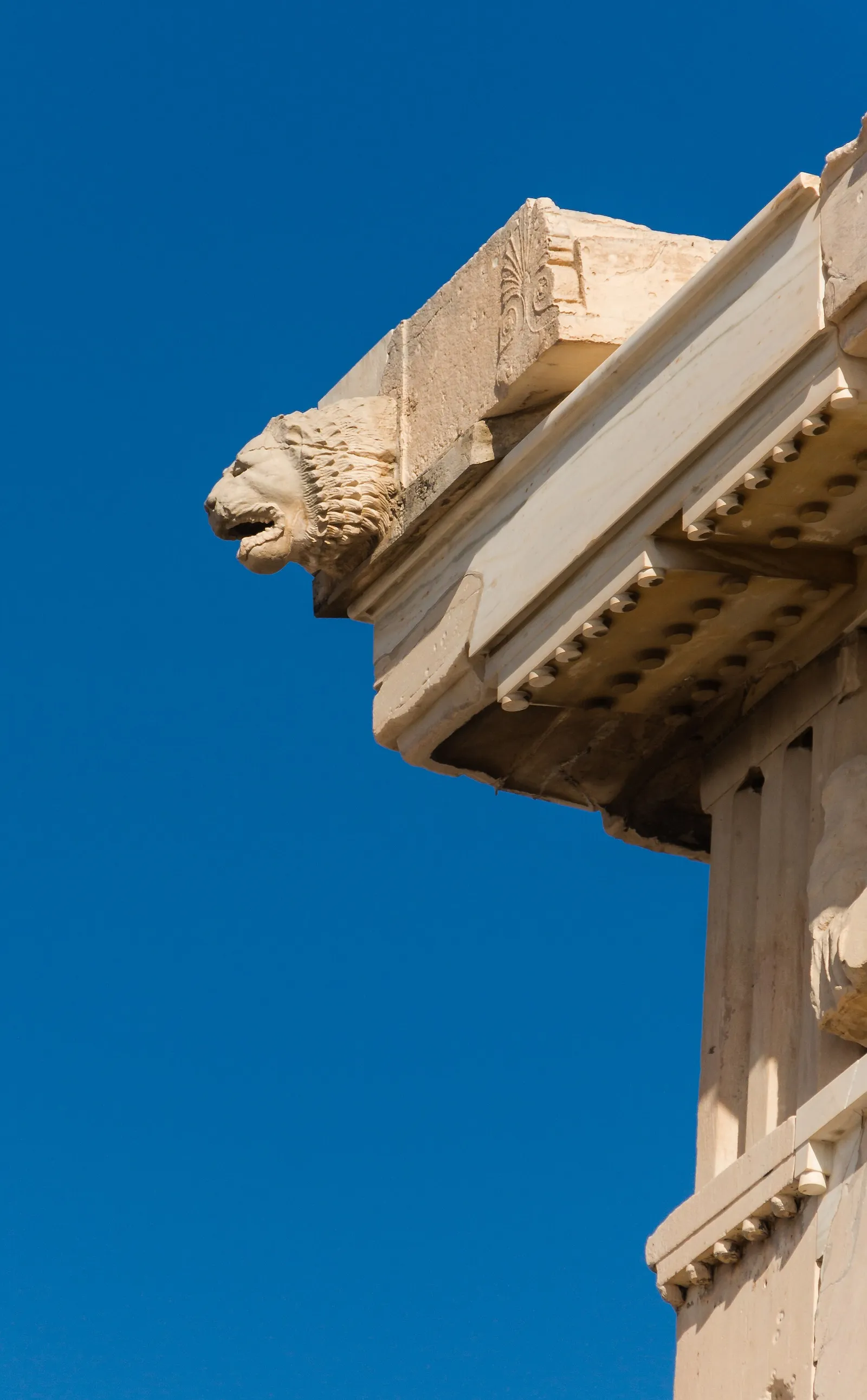
Two things make midsummer easier. First, the islands are cooled by sea breezes and the meltemi wind, so they are far more bearable than the baking mainland cities. Second, timing: see the Acropolis and other exposed ruins early or late, and give the scorching middle of the day to the sea or a siesta.
The meltemi: the wind you should know about
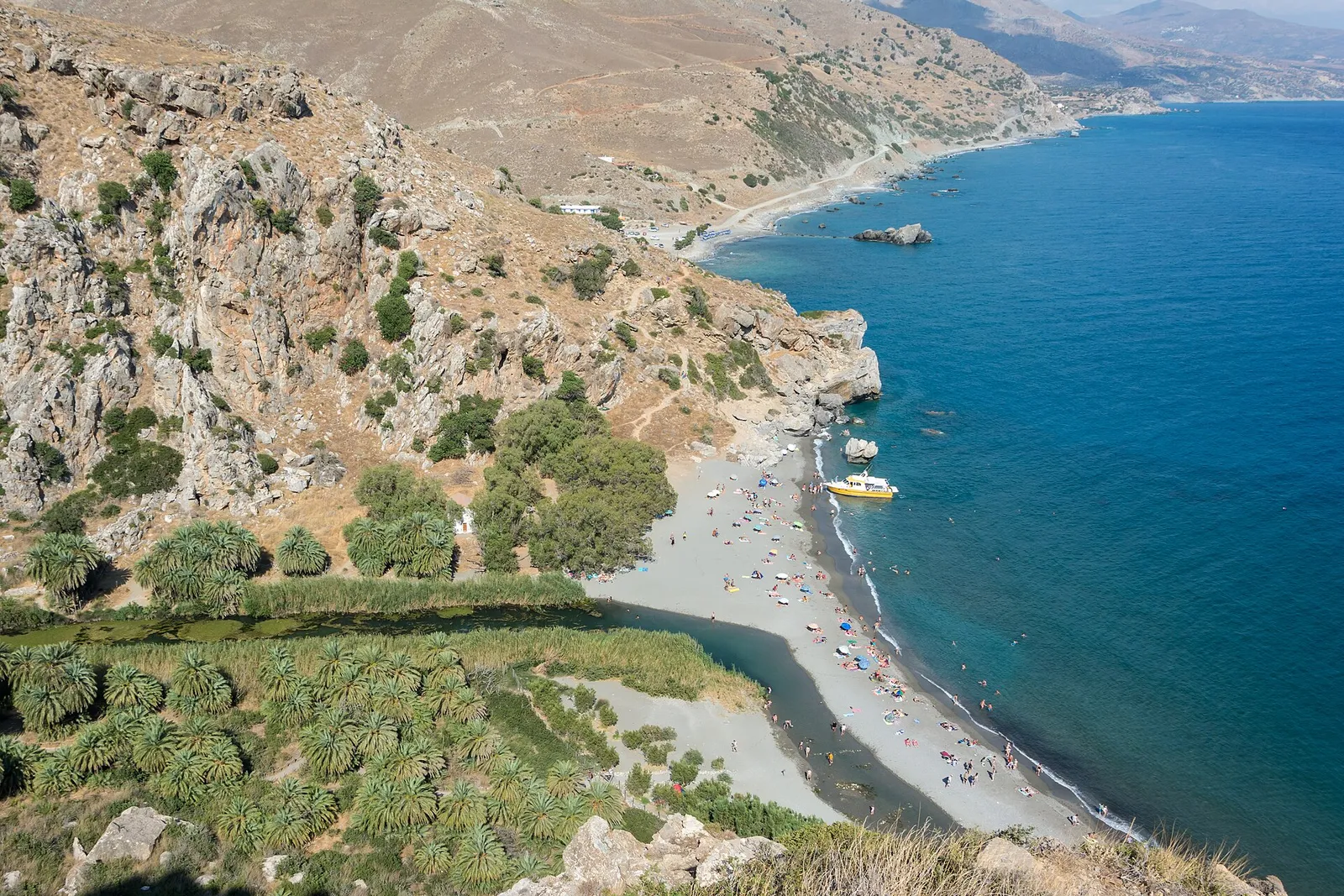
The meltemi is a strong, dry north wind that sweeps the Aegean chiefly in July and August. On the plus side it cools the Cyclades beautifully and keeps the heat honest. On the minus side it can churn up choppy seas, sandblast exposed beaches and, when it really blows, delay or cancel the fast ferries.
You do not need to fear it, just plan around it: keep a sheltered beach in reserve on the lee side of each island, and never book a tight ferry-to-flight connection on your departure day. A single buffer day removes almost all the stress.
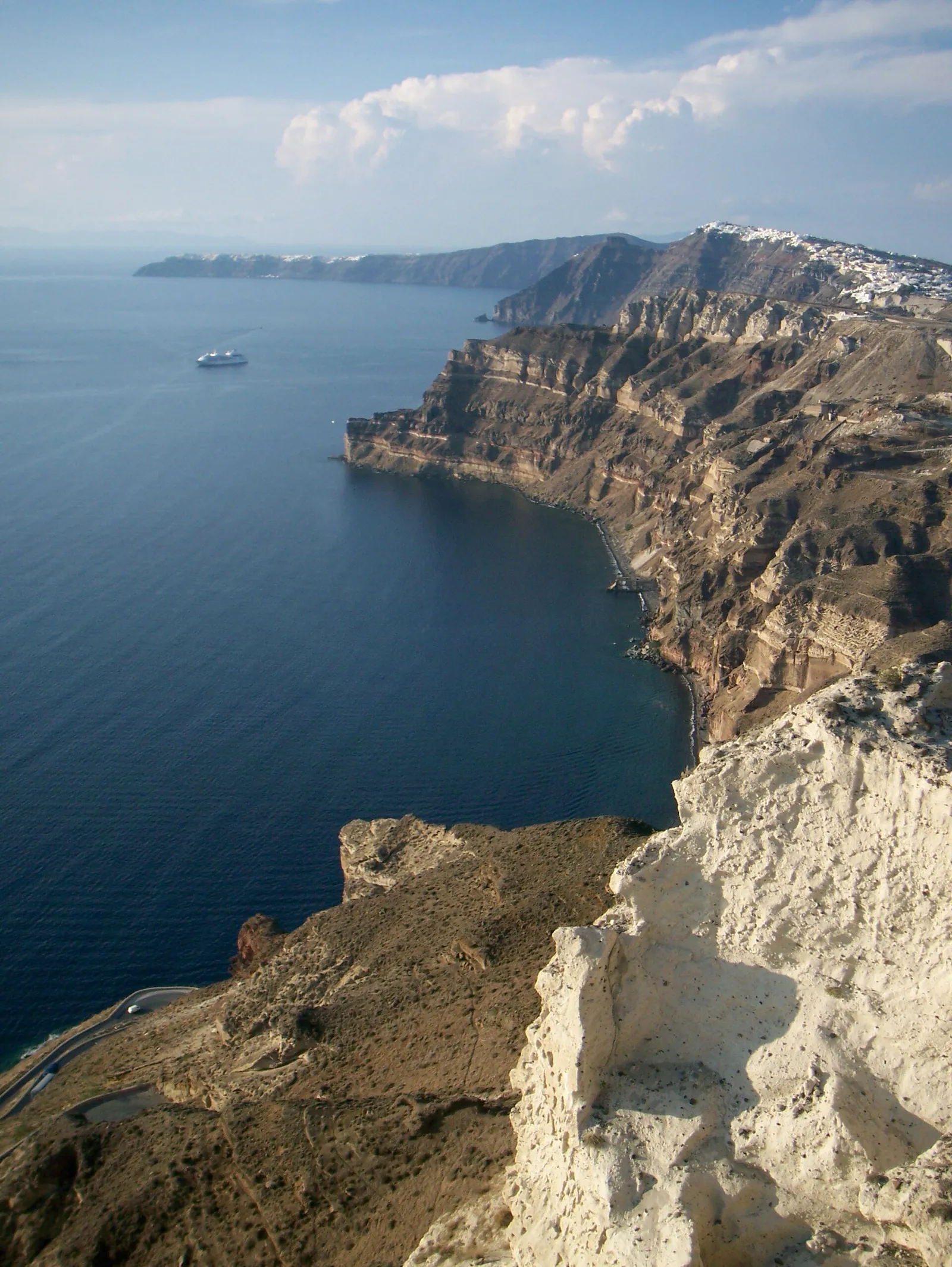
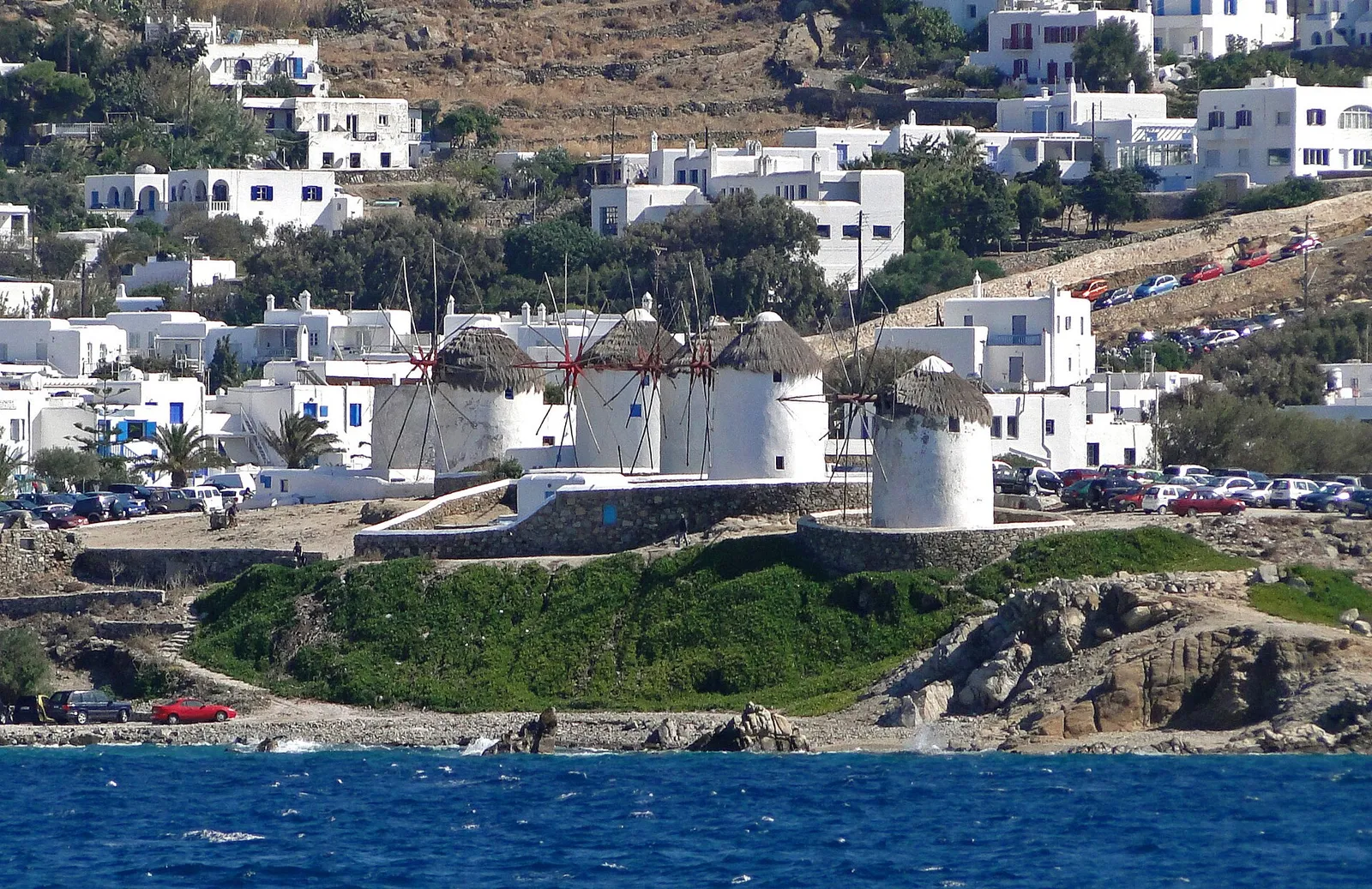
It also affects which island suits which week. The Cyclades take the full force of it, which is exactly why Mykonos and Santorini are famously windy, while the Dodecanese and the Ionian sit out of its path and stay calmer. If a windless beach fortnight is the dream, that is a genuine argument for looking beyond the two most famous islands: our comparison of Mykonos and Santorini covers what each actually offers, including how differently they handle a windy week.
September and October: the quiet reward
For many seasoned travellers, September is the finest month of all. The sea is at its warmest after a summer of heating, the fierce crowds have thinned, prices ease, and the light turns golden. It is the ideal blend of good weather and breathing room. October carries the mood on, cooler and quieter still, with swimmable seas in many places well into the month, though some island venues begin to wind down toward the end.
Cover the shoulder-season what-ifsTravel insurance protects the odd wind-cancelled ferry or changed plan, whatever the monthWinter and early spring: the other Greece
From November to March, Greece changes character. Many islands go quiet, with slashed ferry schedules and shuttered hotels, so this is not the season for island hopping. But the mainland shines: Athens and Thessaloniki are mild, atmospheric and cheap, perfect for history, museums and long food-focused days, and the mountain villages even see snow. April then reopens the country, green and fresh and inexpensive, better for exploring and hiking than for swimming.
Easter, and the dates the whole country moves
Orthodox Easter is the biggest event in the Greek year, and it does not always fall on the same date as Western Easter. It is when the island season effectively begins, when families travel across the country, and when ferries, flights and village accommodation fill up. The atmosphere, from the midnight services to the roast lamb the next day, is genuinely extraordinary and worth planning a trip around.
Two other dates fill the transport network. August 15 is a major national holiday in the middle of the peak, when domestic travel spikes on top of the tourist season. And the carnival weeks before Lent liven up the mainland in late winter. None of these is a reason to avoid a date, all of them are a reason to book earlier than you otherwise would.
What the season decides about what is open
Greece runs on a season rather than a calendar, and on the islands that season runs roughly from Easter to late October. Inside it, everything works: hotels, tavernas, beach clubs, ferries, excursions. Outside it, a great deal simply closes, especially on smaller islands where the population drops and the ferry timetable thins to a lifeline service.
That is the real reason winter in Greece means Athens, Thessaloniki and the mainland rather than the islands, and it is also why late October and early November need a check rather than an assumption. A beautiful island with nothing open is a long, quiet week.
Heat, fires and what can disrupt a trip
Two summer realities deserve honest mention. Greek heatwaves are severe, and the exposed archaeological sites are the worst place to be in one; the authorities have closed major sites during the hottest afternoon hours when temperatures demanded it, which is one more reason to visit ruins at opening. Wildfires are a recurring feature of Greek summers, occasionally affecting roads, air quality and specific areas, and local instructions in such a situation are to be followed rather than assessed.
Neither should put you off a summer trip; both are reasons to keep plans flexible and to take cover seriously. Since ferries get cancelled by wind, sites close in heat and plans change, our guide to travel insurance for Greece covers what a policy does and does not do about disruption, and the timing rule that catches people out, which is that cover bought after a problem is already forecast rarely helps.
Matching the month to the trip you want
Different trips have different best months, and the disagreement between them is where people get stuck.
For beaches and swimming, aim at late May to early October, with the second half of September the sweet spot. For island hopping, June and September, when the boats run frequently and the wind is less of a factor than in high summer. For archaeology and cities, April, May and October, when you can stand in an unshaded ruin for two hours without suffering. For hiking and the mainland, spring and autumn, since summer is too hot and winter too wet in the mountains. And for budget, late April, October or the mainland in winter.
If two of those pull in different directions, follow the one that is the actual reason for the trip. A person who came for the sea and planned around the sightseeing weather will regret it, and so will the reverse.
What to pack, by season
High summer: the lightest clothes you own, a hat, serious sunscreen, and something with sleeves for the sites and churches, where shoulders and knees should be covered. Add sturdy sandals or trainers, because ancient marble is polished, slippery and unforgiving.
Shoulder months: the same, plus a proper layer for evenings, which cool quickly once the sun goes, and a light rain jacket for October. Winter on the mainland: warm layers and a waterproof, since Athens in January is mild rather than warm and the mountains are genuinely cold.
The short version
Aim for the shoulder months of May, June, September and October for the best all-round trip: warm sea, sunshine and space. Take July and August if that is when you can travel, but book early, sightsee early or late, and respect the meltemi with a buffer day. Save winter for the mainland, cities and culture. Match the month to the mood you are after, and Greece will deliver exactly the trip you pictured.