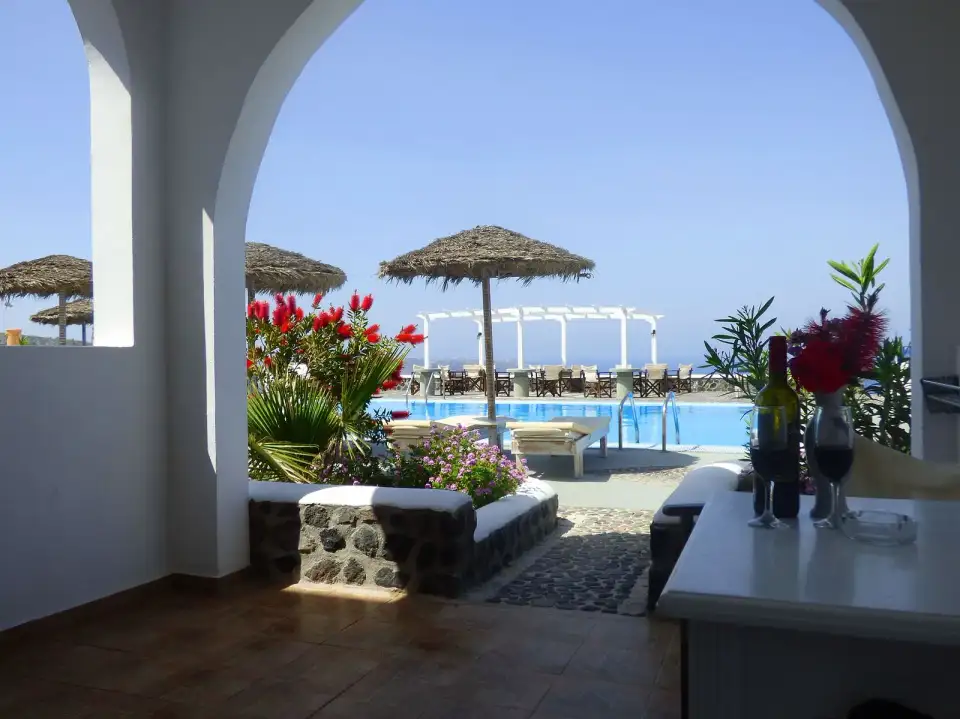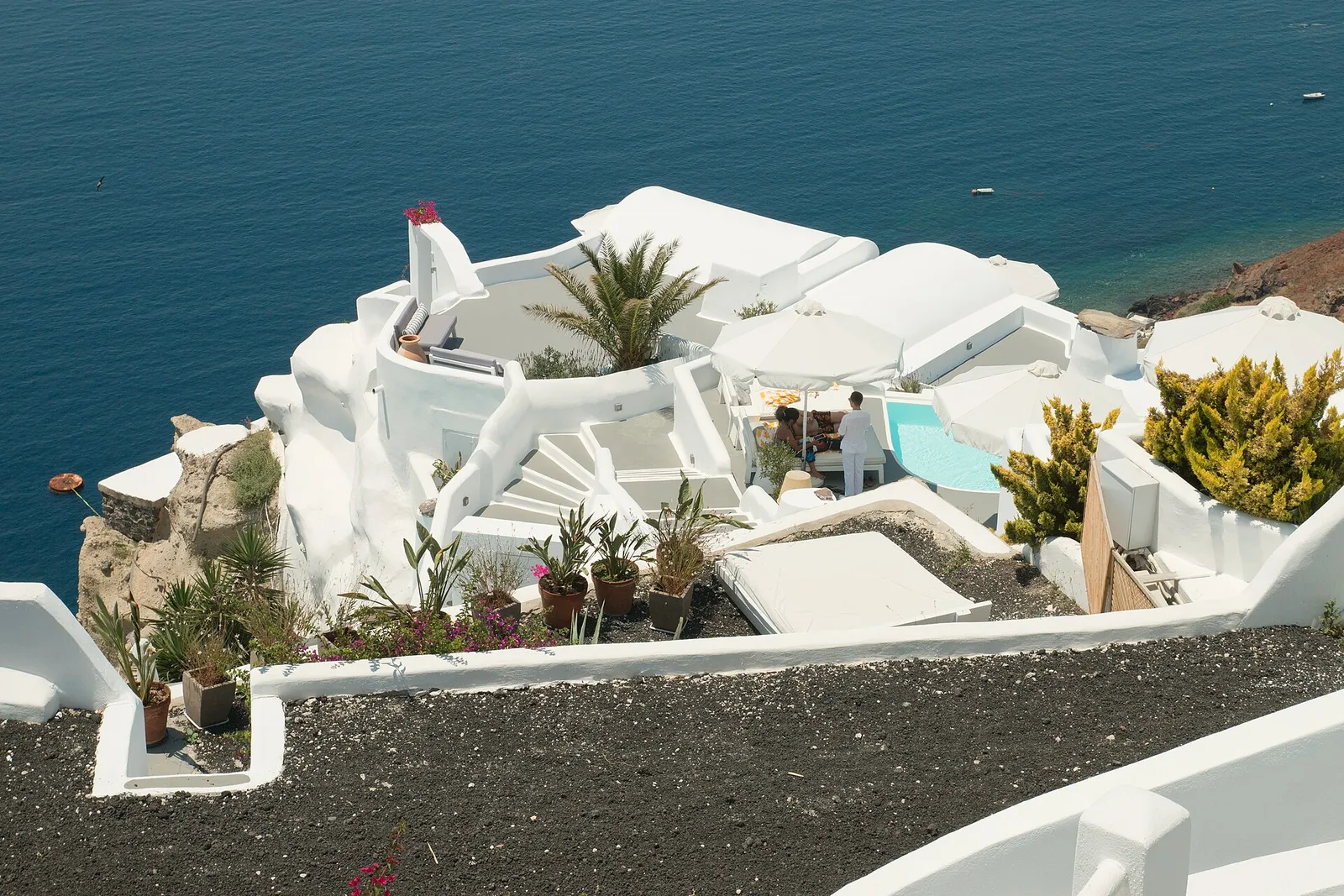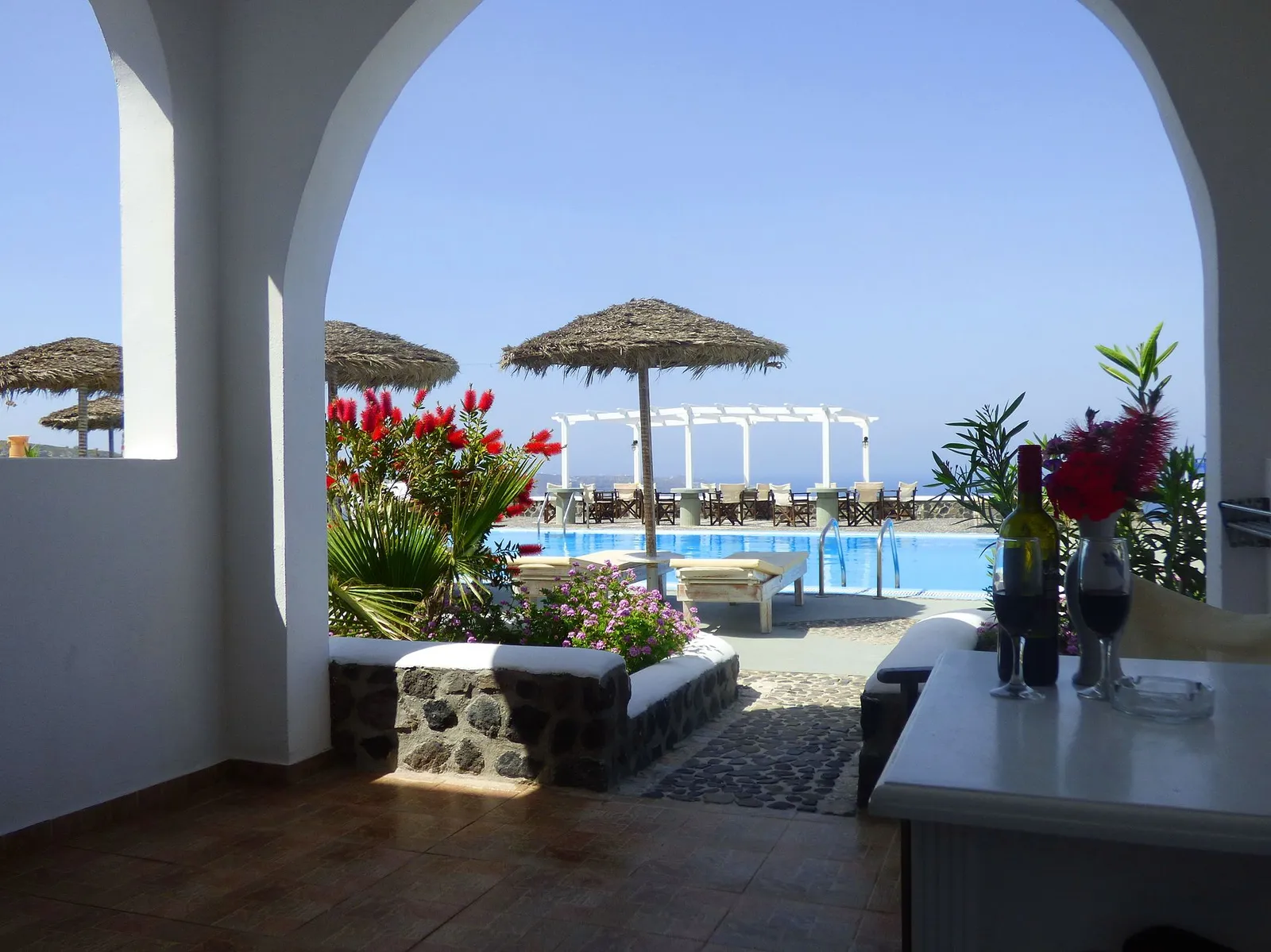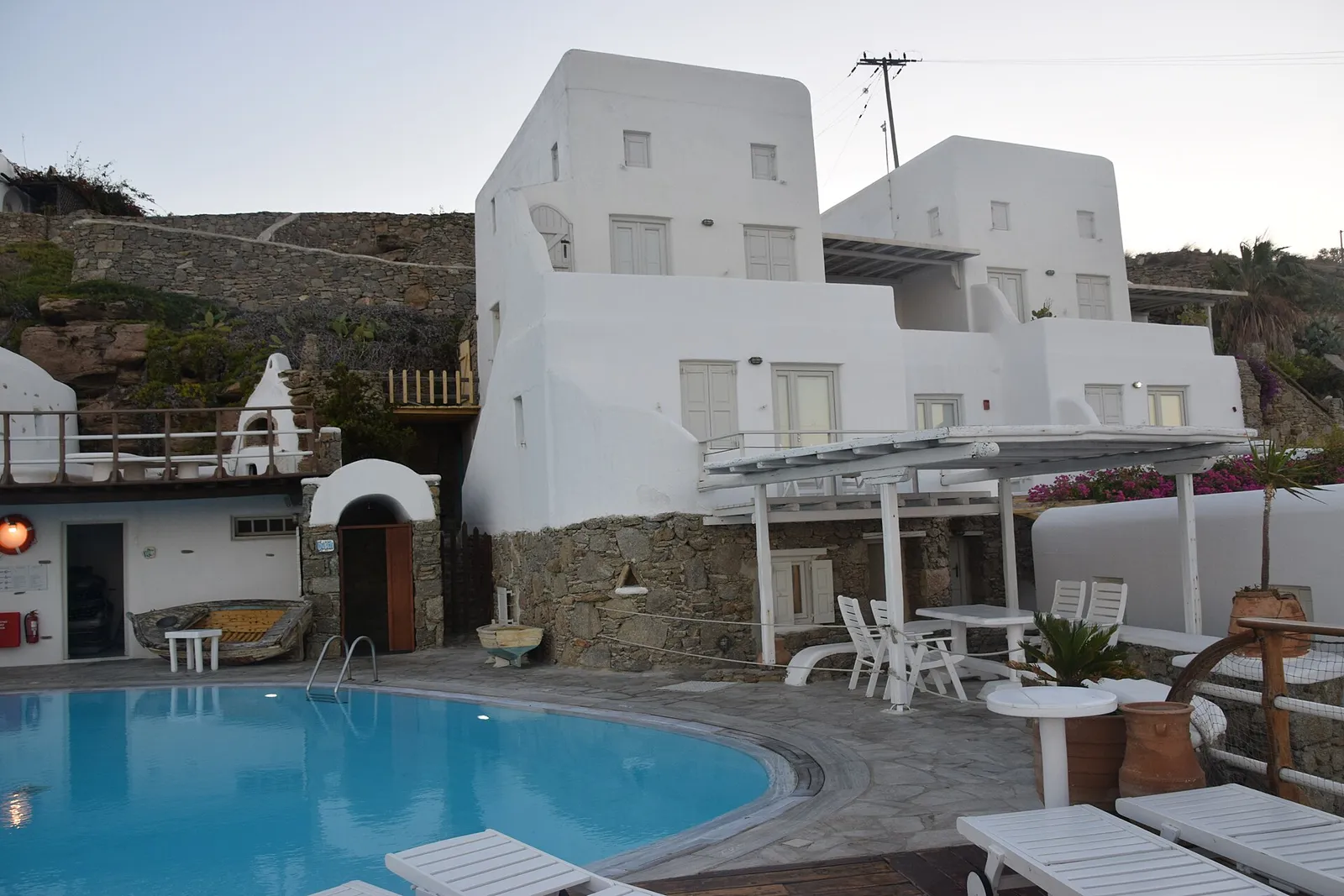
For most visitors the best place to stay in Mykonos is Mykonos Town for short stays and evenings on foot, or the sheltered bays just south of it for a beach base with a bus link. Choose the southern club beaches only if the music is the reason you came, and the north or west only if you want views and silence and have a vehicle. Mykonos is small enough to drive across in half an hour and varied enough that where you sleep decides what kind of holiday you have. The same island holds a walkable town of whitewashed lanes and late restaurants, a southern coast of beach clubs with sound systems, and northern bays where nothing happens after dark on purpose. People who come back disappointed have usually booked one and expected another. Here is what each area is actually like.
Which area of Mykonos suits you?
The four bases at a glance
| Area | Best for | Evenings | Getting around | Main downside |
|---|---|---|---|---|
| Mykonos Town (Chora) | Short stays, first visits, no car | Dinner and bars on foot | Walk, bus station nearby | Dearest, busy and noisy |
| Southern beach club coast | Daytime scene, late nights | Music on the doorstep | Walk back to your room | Loud, poor value |
| Sheltered bays near town | Families, couples, a balanced stay | Quiet, tavernas by the sand | Frequent bus, short taxi | Neither prettiest nor liveliest |
| North and quiet west | Views, honeymoons, repeat visitors | Very quiet | Vehicle or pre-booked transfer | Wind, no spontaneity |
A quick way to match your trip to a base
First visit of three nights or fewer: Mykonos Town or just outside it. Travelling with children: the sheltered bays. Here for the beach clubs: the southern coast. Here for a pool, a view and an early night: the north or west. If you are a light sleeper, rule out anything that faces a bar lane or a beach with a sound system, whichever area it is in.
Mykonos Town, or Chora
What it is and who it suits
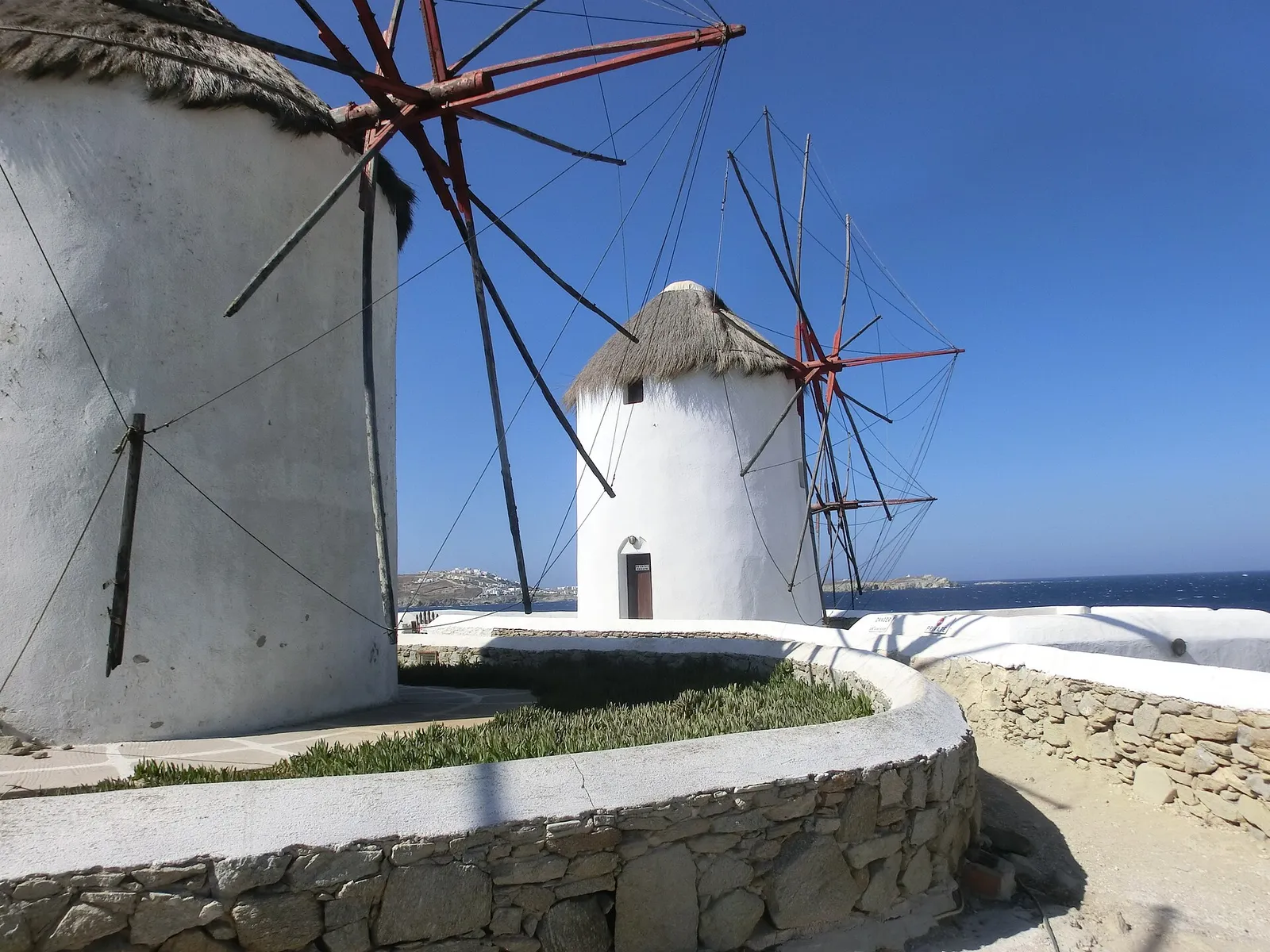
The main town, a maze of white lanes and blue shutters around a harbour, with the windmills above and Little Venice at the waterline. It suits anyone staying three nights or fewer, anyone without a car, and anyone whose evenings matter more than their mornings.
The advantage, and the trade-offs
The advantage is transport you do not need. Dinner, bars, shops and the bus station are all on foot, which on an island with a thin late-night taxi supply is worth real money. The trade-offs are that it is the most expensive area per night, the lanes are busy until late, and rooms facing a bar street are noisy in a way no photograph shows. Cars cannot reach most doors, so expect to walk the last stretch with your luggage.
The southern beaches
What it is and who it suits
The famous beach club coast, where the sunbeds, the music and the daytime scene are. It suits anyone who came for exactly that, and who wants to walk back to their room rather than find a taxi at three in the morning.
The advantage, and the trade-offs
The advantage is that you are in it, and you do not have to travel to it. The music is not a rumour, the value is poor for what the rooms are, and a family looking for a quiet swim is in the wrong bay. Be honest with yourself about sleep: if you plan to be in bed by eleven, this coast is working against you.
The sheltered bays near town
What it is and who it suits
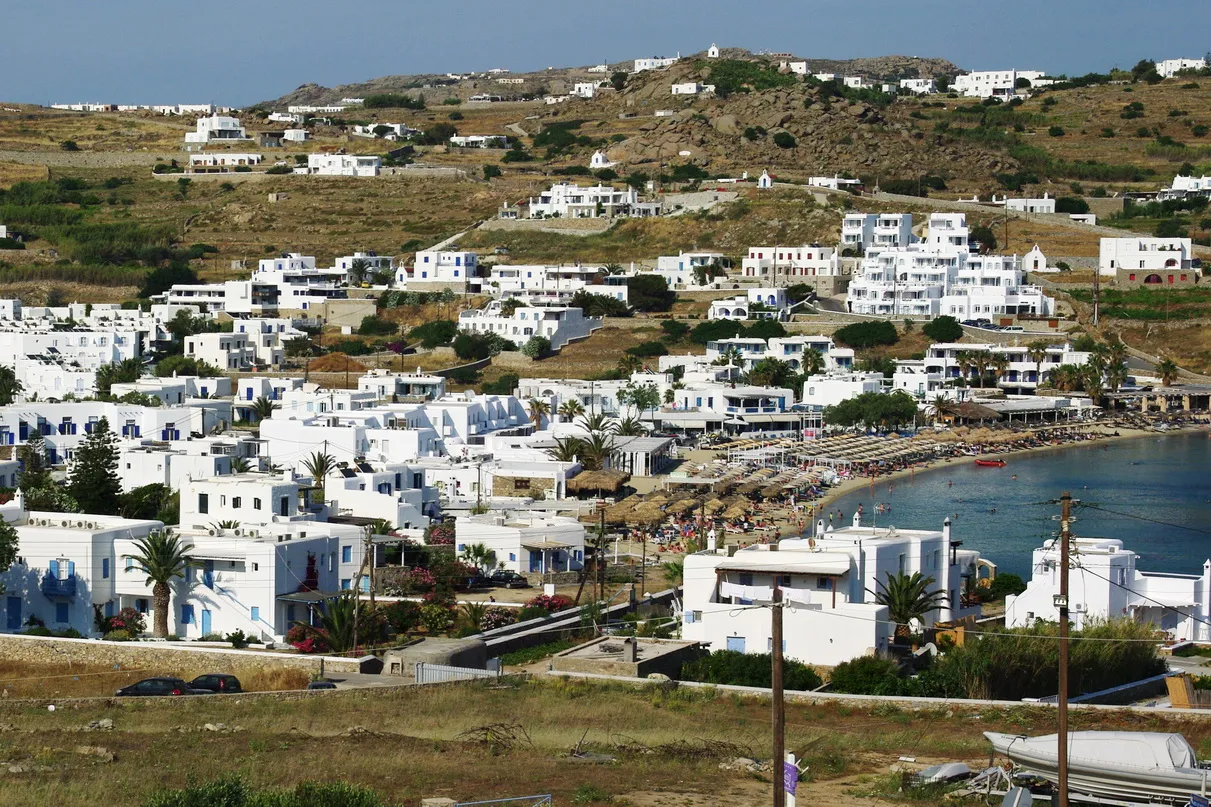
The cluster of south-facing bays a few minutes from town, with sand, shallow water, tavernas and a frequent bus. Ornos is the one most often mentioned, and the areas around it sit in the middle: walkable to a beach and calm at night without being remote. It suits families, couples wanting a beach without a scene, and anyone who wants both the town and the sea within easy reach.
The advantage, and the trade-offs
It is the practical middle of the island and the easiest base to recommend without knowing anything else about a trip. It is neither the prettiest nor the liveliest, which is the point. Check the current bus timetable with the local operator before you rely on it for late returns.
The north and the quiet west
What it is and who it suits
The windward side and the western headlands, with rugged bays, wide views, boutique hotels and very little else. It suits anyone here for a view and a pool, honeymooners, and repeat visitors who have done the town.
The advantage, and the trade-offs
The advantage is silence, space, and the best sunsets on the island. The trade-offs are that you need a vehicle or a pre-booked transfer for every dinner, the north catches the wind hard in the meltemi months, and spontaneity disappears. If the idea of arranging a ride home from every meal sounds tiring, this is not your base.
How to choose your base in four steps
Step by step
- Decide what your evenings look like. Walking to dinner and a drink points to town. Music until late points south. An early night with a view points north or west.
- Decide how you will move. With no car and no wish to depend on taxis, stay in town or in the bays near it. With a car or quad, a beach or northern base becomes comfortable, though parking in town is a problem.
- Look at the map, not the photographs. Check what sits around and below the room, and how many steps lie between the door and the nearest road.
- Fix your dates, then your budget. The area decides the character of the trip, but the month decides much of the price, so compare the same room across June and August before you commit.
Practical notes on booking
Timing, transfers and the walk
Book early and book the middle. The well-located mid-range rooms sell out months before the luxury ones, particularly for July and August.
Shoulder season is the real saving. Late May, June, late September and early October cut prices sharply while leaving the sea warm and most places open.
Transfers are worth pre-booking, because the island’s taxi supply is small and the queue at the port after a ferry arrives is long.
Check the walk, not the distance. Mykonos is steep and stepped in places, and four hundred metres with a suitcase in the old town is not the same as four hundred metres anywhere else.
Common mistakes to avoid
- Booking a room described as central without checking whether it overlooks a bar street.
- Choosing the north for the views and then discovering that every dinner needs a driver.
- Putting a family on a club beach because the photographs looked glamorous.
- Counting on finding a taxi at three in the morning.
- Treating Mykonos as the same price as its neighbours: in peak summer it costs far more, so compare it honestly with a quieter island if value matters.
Where this fits
For what to do once you have chosen a base, from the town and the windmills to the beaches and the boat to the ancient island offshore, our guide to Mykonos covers the island itself.
For the other island where the choice of room is the biggest single spending decision of the trip, our guide to where to stay in Santorini sets out the caldera premium and whether it is worth paying.
And for the wider structure of a Greek trip, how many bases to use and why a night in Athens at the end matters, our guide to where to stay in Greece covers the shape before the details.
The short version
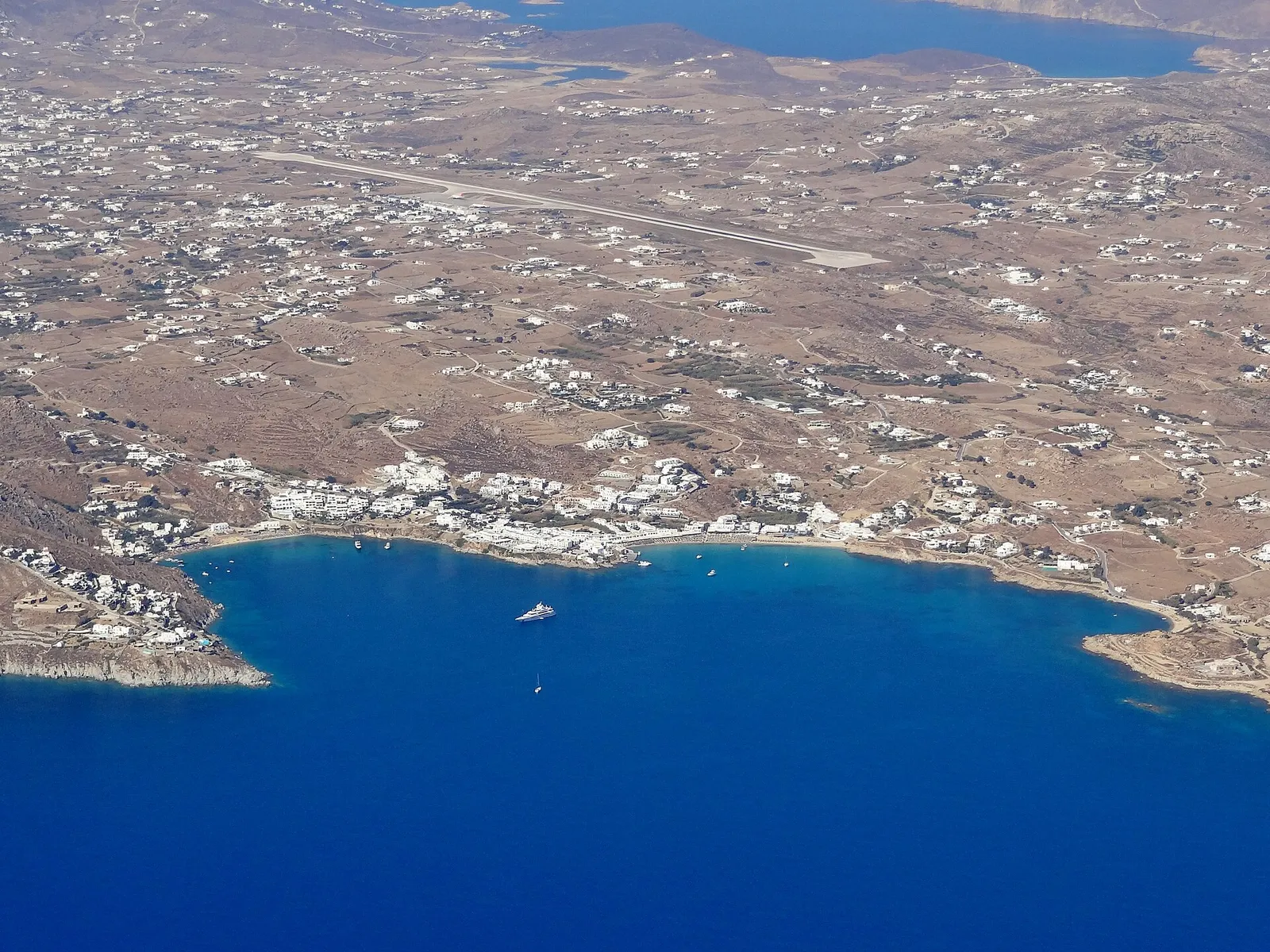
Decide first which of the three Mykonos you want, because the island offers all of them and the room assigns you to one. Take the town for short stays and evenings on foot, the sheltered southern bays for a balanced base with a bus, the club beaches only if that is the reason you came, and the north for views and silence with a vehicle. Book the mid-range rooms early, come in the shoulder months if the price matters, pre-book your port transfer, and check what is underneath the balcony before you pay.