The first time I drove into Crete I told myself a week would be plenty. By day three I was standing in a bakery in Rethymno at eight in the morning, still smelling the warm bougatsa the owner had just pulled from the oven, and I realised I had made a mistake. Not the bakery, that was perfect. The mistake was thinking Crete is an island you can “do”. It is the largest island in Greece and it behaves like a small country, with its own mountains, its own dialect, its own pride, and distances that quietly eat your afternoons. This is my honest, complete guide to Crete, and the short version is this: a week only covers about half.
Why Crete feels like its own country
Crete stretches roughly 260 kilometres from the far west to the far east, and a mountain spine runs the whole length of it. That geography changes everything. The north coast, where most people land and stay, is busy, developed and easy. The south coast, on the other side of the peaks, is a different world of dead-end villages, dramatic beaches and roads that switchback slowly. You cannot cut straight across the middle in most places, so you loop, and the loops take time.
People talk about Crete as one destination. Locally it splits neatly into four regions, and I think of them as four separate trips.
| Region | Base town | Best for | Pace |
|---|---|---|---|
| West | Chania | Old-town charm, west-coast beaches | Relaxed |
| West-central | Rethymno | Venetian streets, gorge day trips | Easy |
| Centre | Heraklion | Knossos, museums, wine country | Busy |
| East | Agios Nikolaos | Quiet drives, Lasithi plateau | Slow |
The west: Chania and Rethymno
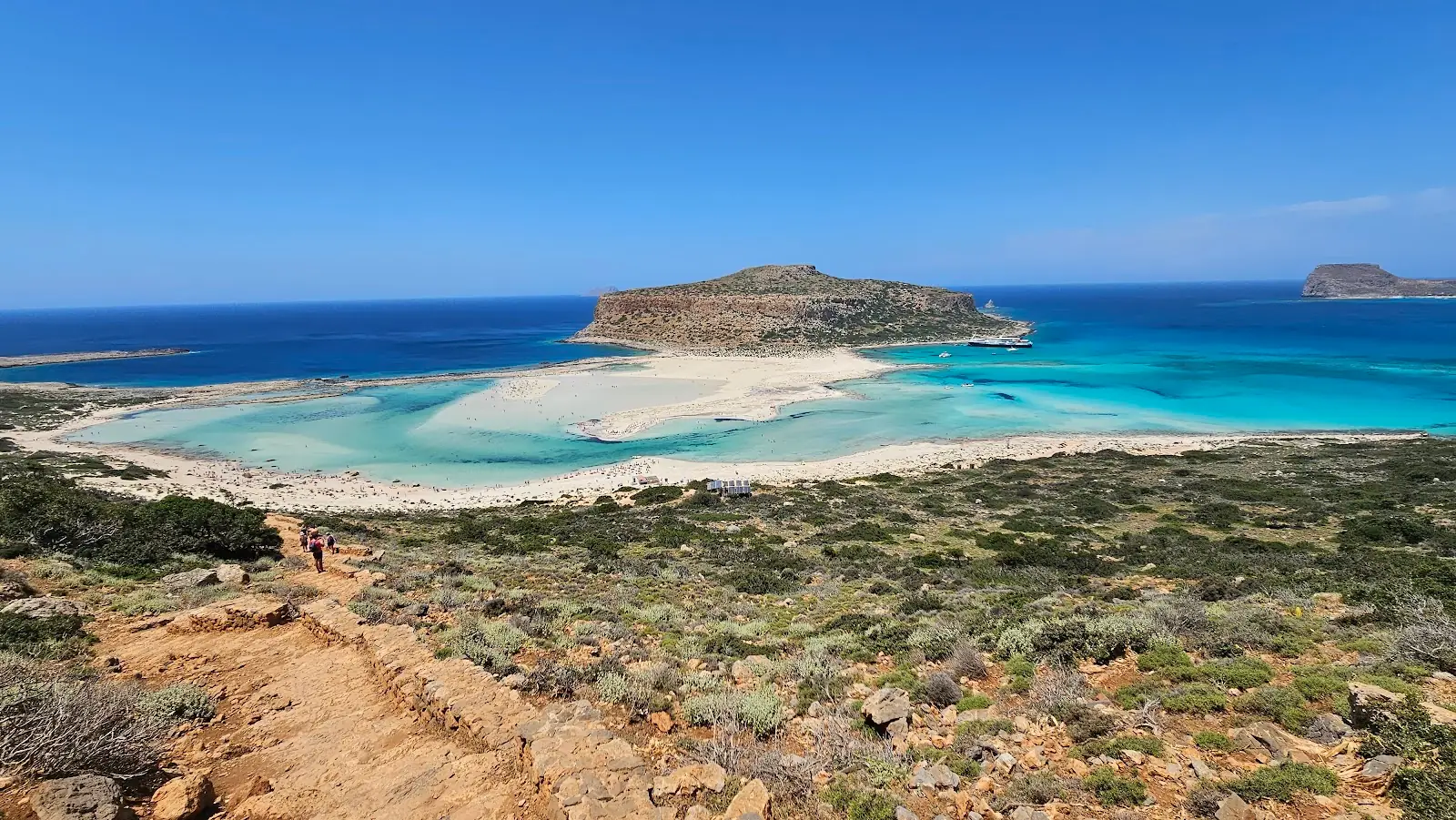
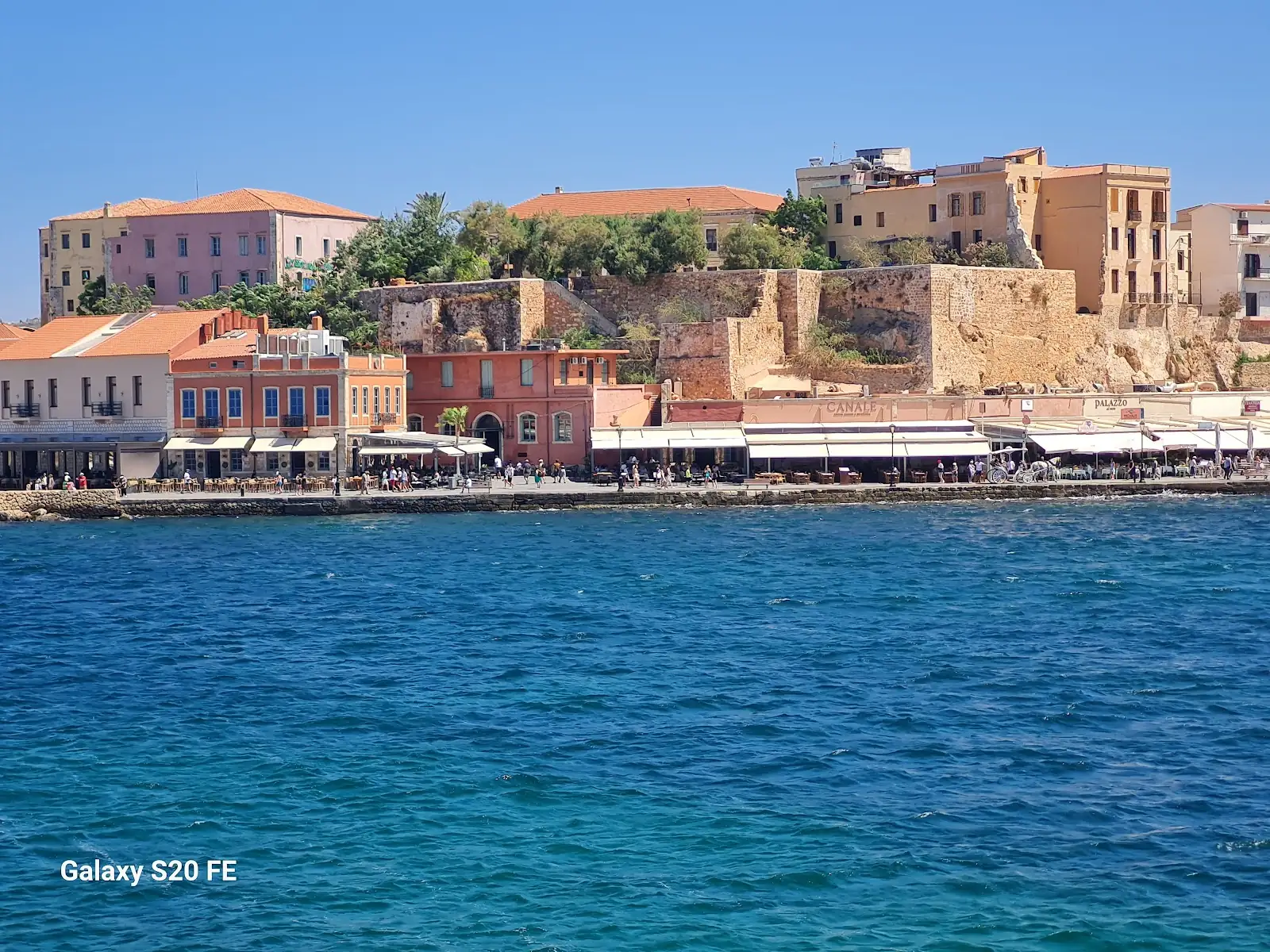
Chania is the town that makes people fall for Crete. The Venetian harbour with its lighthouse is genuinely lovely, even with the crowds, and the back lanes of the old town smell of jasmine and grilled fish. I stayed two nights and wished it were four. It is also the launch pad for the west-coast beaches, Balos and Elafonisi, which are stunning and, in July and August, completely overrun. Go early or go in shoulder season, or make peace with the crowds.
Rethymno, half an hour east, is smaller and, to me, more livable. The old town is a maze of Venetian and Ottoman buildings, the fortezza looks out over the sea, and the beach runs for kilometres right beside the town. It is also within easy reach of the mountains, which matters when you want a gorge for the day.
The centre: Heraklion and Knossos
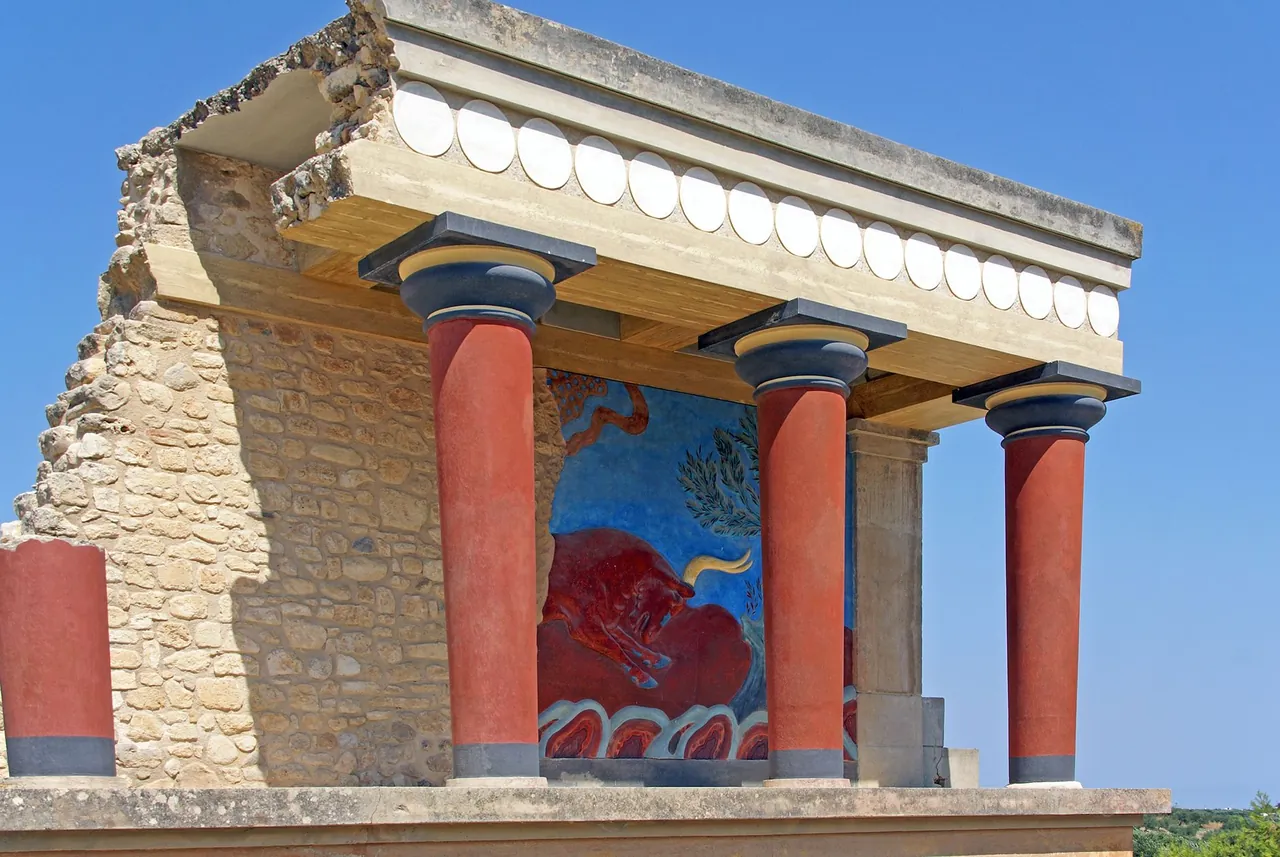
Heraklion is the island’s capital and its transport hub, and honestly it is not the prettiest city in Greece. But two things make it essential. First, the Heraklion Archaeological Museum, which holds the Minoan treasures and is world class, worth a couple of hours even if museums are not usually your thing. Second, Knossos, just outside town, the great Bronze Age palace complex tied to the legend of the Minotaur.
A word of honesty about Knossos: the early-twentieth-century reconstructions are controversial, and if you turn up at midday in summer with no shade and no context, you may leave underwhelmed. Go early, consider a guide or a good audio guide, and read a little first. With context it is extraordinary. Without it, it is a hot pile of stones with a queue.
Around Heraklion sits Crete’s wine country, and the villages inland make a calmer counterpoint to the city. This is where I would base myself for the Minoan sites rather than staying in the city centre itself.
The east: Lasithi and the slow roads
The further east you drive, the quieter Crete becomes. Agios Nikolaos is a pleasant, low-key town on a pretty lagoon, and it works well as an eastern base. From here you can reach the Lasithi plateau, a high mountain bowl of farmland and old stone windmills, and drive out to the palm beach at Vai, one of the few natural palm forests in Europe. It is a long way out, and that distance is exactly why it stays calmer than the west.
The east is where the “Crete is a country” feeling hits hardest. You can spend a full day driving between three villages and a beach and feel like you have travelled properly, not just ticked a box.
Basing yourself in Chania or Rethymno?Old-town rooms with free cancellation, from around EUR 60 a nightThe south coast and the Samaria gorge
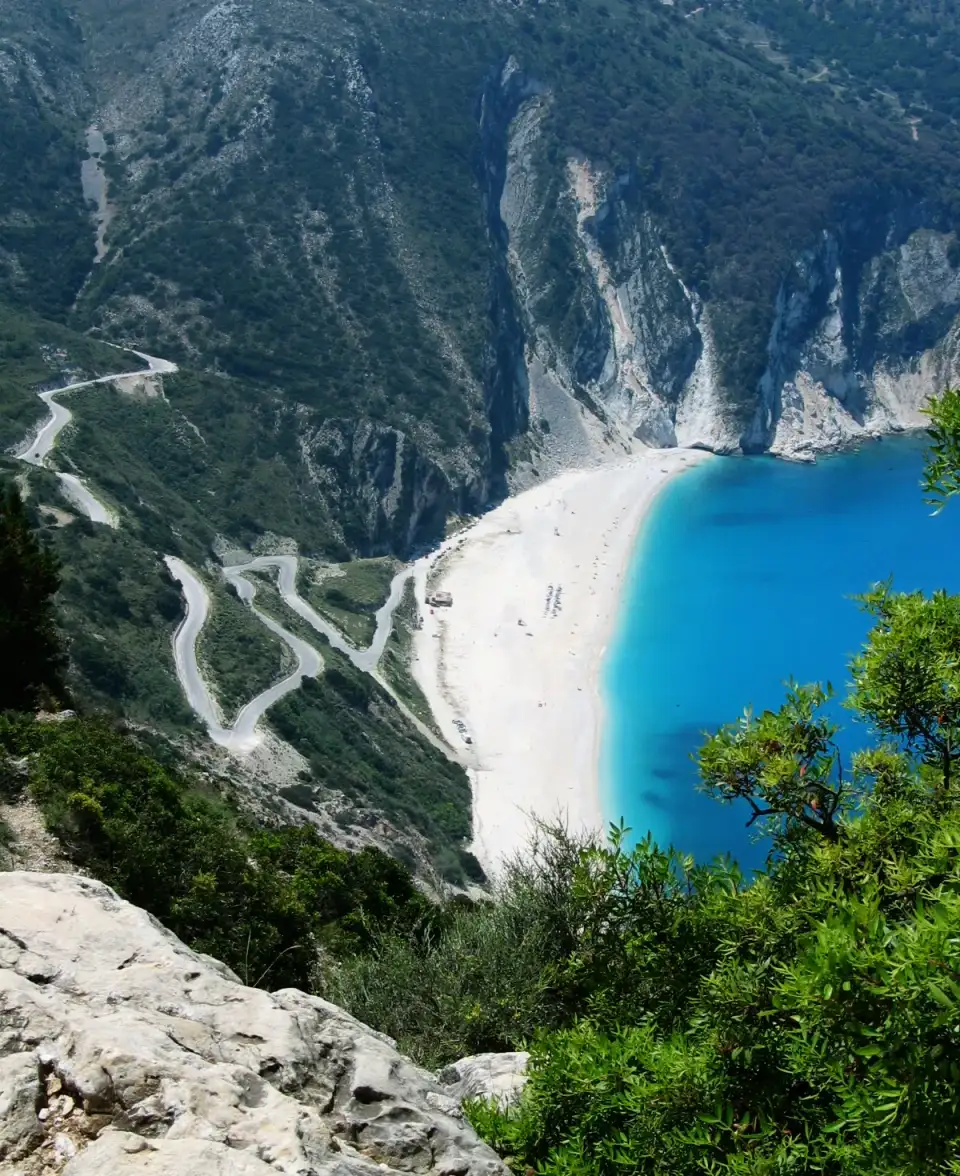
The south is where I lost my heart. Villages like Loutro, reachable mainly by boat, Agia Roumeli at the mouth of the Samaria gorge, and the long grey-sand sweep of the Libyan Sea beaches feel a world away from the northern resorts.
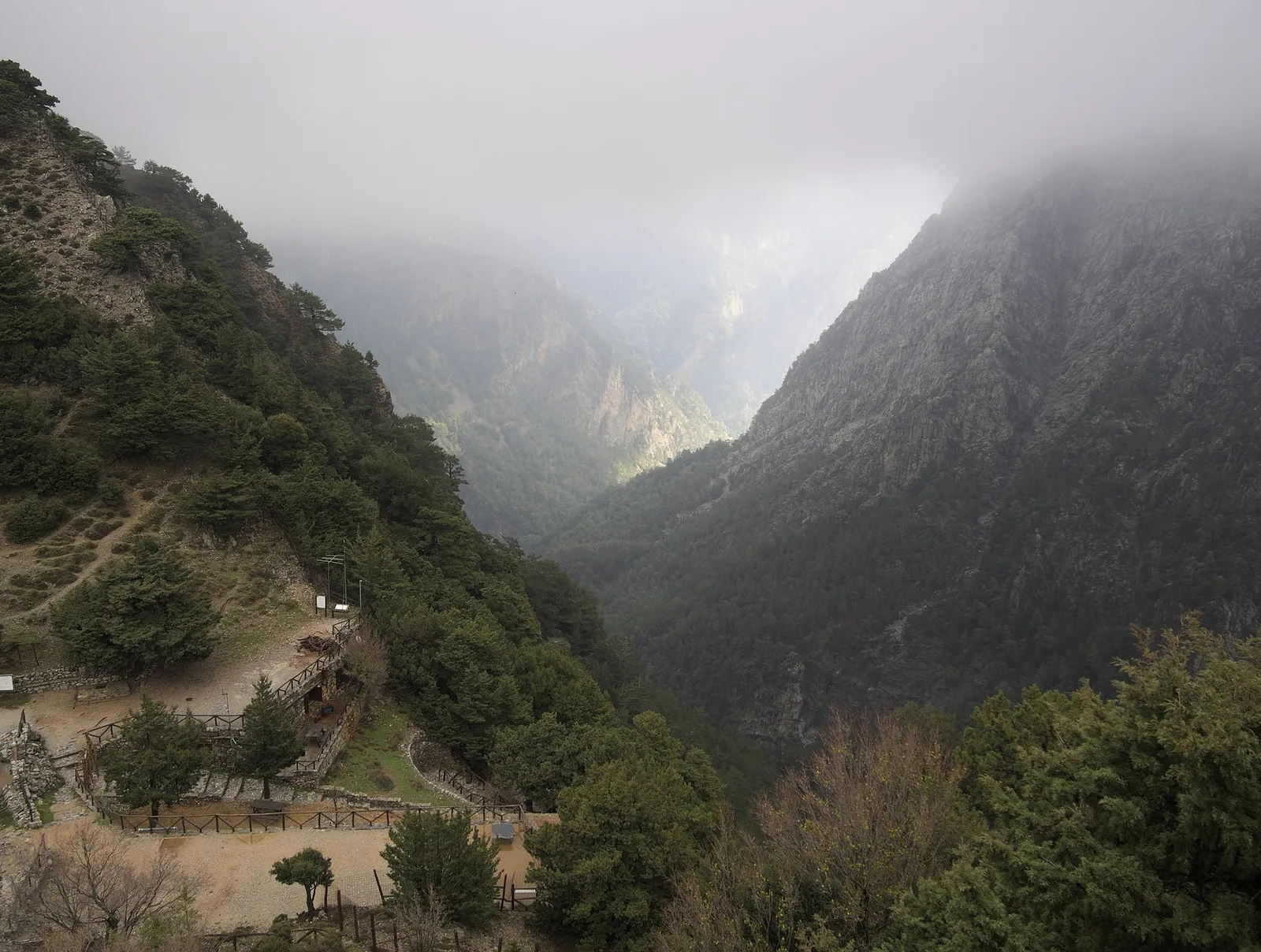
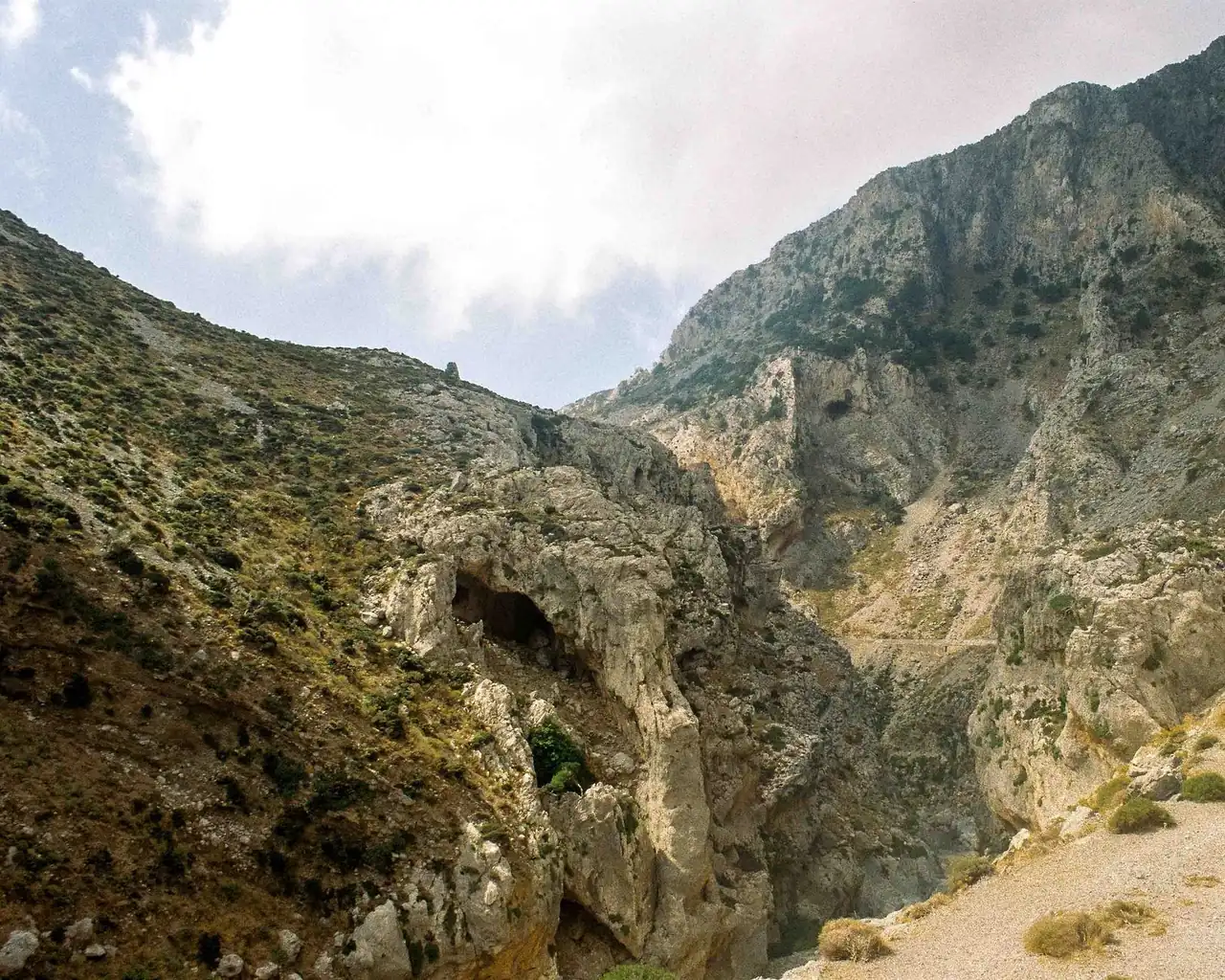
The Samaria gorge is the headline walk, around 16 kilometres downhill through the White Mountains, ending at the sea. It is glorious and it is hard on the knees, and it is seasonal, usually open roughly from May to October depending on conditions, so check the current status before you plan around it. Wear real shoes, carry water, and treat it as a full day, because the logistics of buses and boats at either end take time.
How long do you actually need in Crete?
Here is my straight answer. A week lets you do one half properly: either the west with a gorge and a couple of beaches, or the centre and east with Knossos and the slow drives. Ten days starts to feel honest. Two weeks lets you cross the mountains to the south coast without rushing. If you only have a week and try to see everything, you will spend it in the car and remember the road more than the island.
My advice for a first trip is to pick two bases, one in the west and one in the centre or east, and resist the urge to move hotels every night. Crete rewards staying put and going deep far more than it rewards racing across the map.
Crete against the alternatives
Crete solves a problem the smaller islands cannot: it is large enough for a two-week trip without a single ferry, with mountains, gorges, a serious food culture and beaches at both ends.
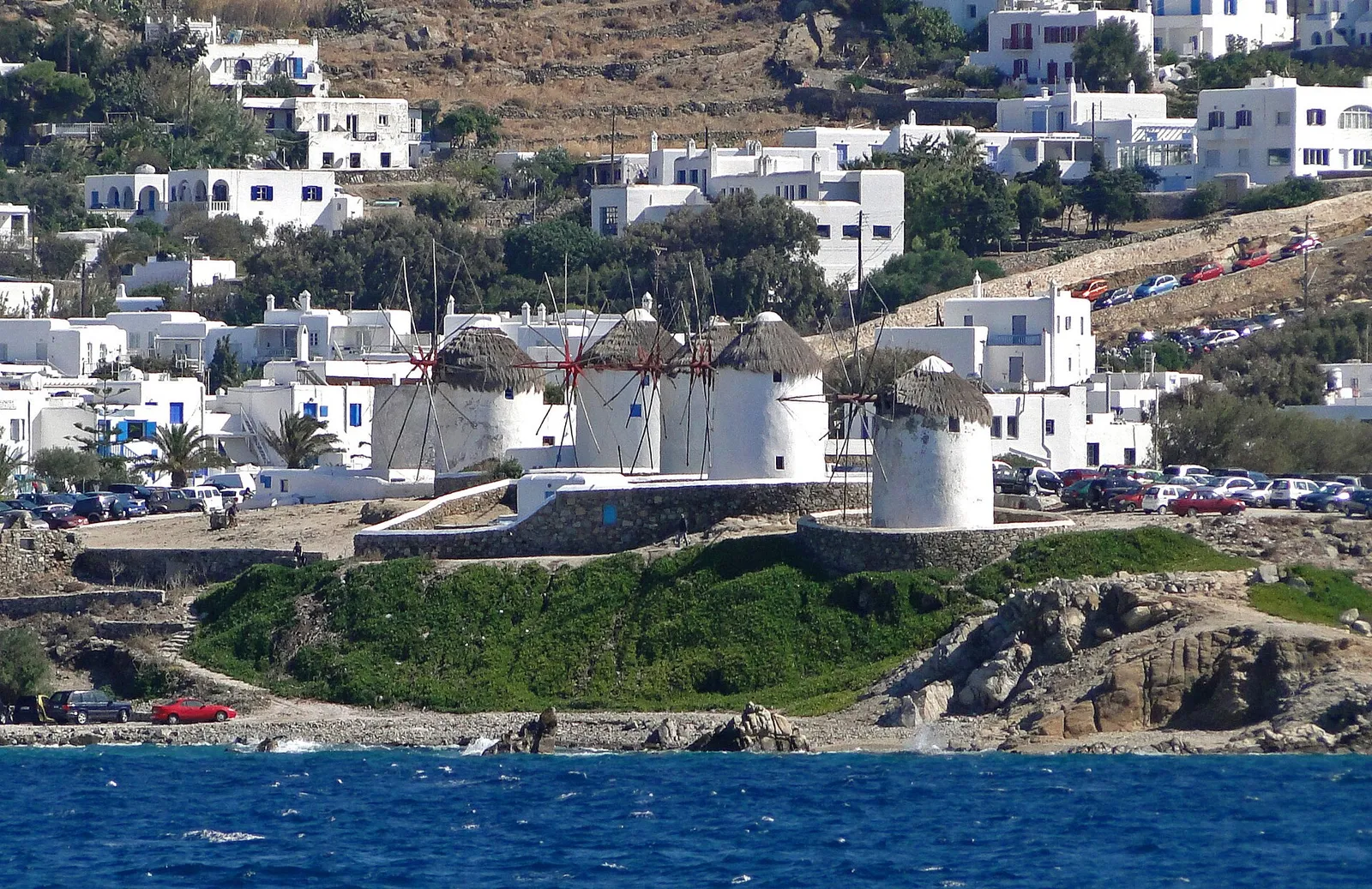
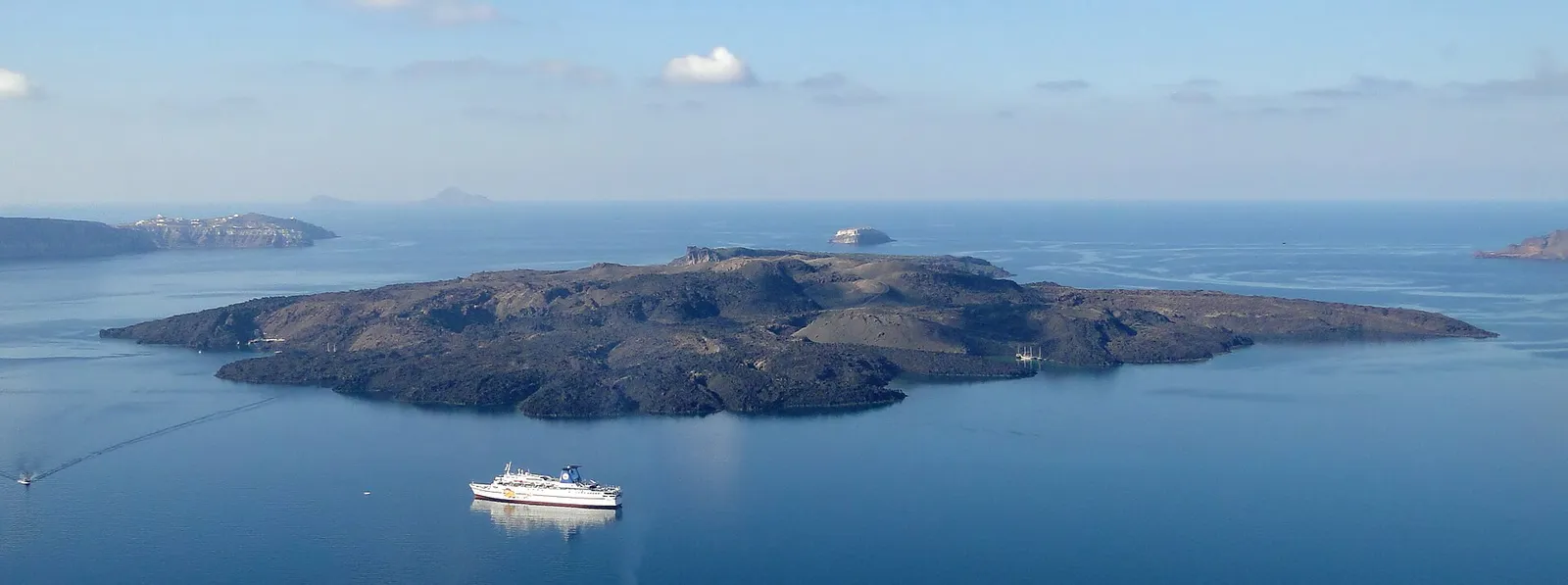
If you are still weighing it against the rest of the country, our guide to choosing a Greek island sets out the groups and who each suits, and our comparison of Mykonos and Santorini covers the two famous names that most first trips choose between.
And if the beaches are the reason you are considering the island at all, the two on the west coast are the ones people travel for; our Balos and Elafonisi guide covers how to reach them and when the boats actually run.
Getting around
A car is close to essential if you want to see more than one town. Public buses connect the main north-coast cities reasonably well, but the mountain villages, the good beaches and the south coast are hard or impossible without your own wheels. I picked up a car at the airport and never regretted it, though I did regret not booking a slightly bigger one for the mountain roads.
Crete is big, generous, contradictory and far too much for one visit. That is the whole point. So here is my open question to you: if you only had seven days, would you give them all to the wild west, or split them between Knossos and the quiet east? Tell me in the comments, I am genuinely curious.
Crete is too large to see in one go, which is why the sensible approach is to pick an end of it and stay there. For the western half, meaning Chania, the gorges and the lagoons on the far coast, our five day route through western Crete sets out the drive day by day and where each night is best spent.
Crete is too long to see in one base, and the east asks for its own trip. Our five days in eastern Crete runs from Knossos through Spinalonga to the palm beach at Vai.
The island also holds the walk most visitors have heard of and few plan properly. Our complete guide to the Samaria Gorge covers the descent, the bus and boat logistics at either end, and who should not attempt it.