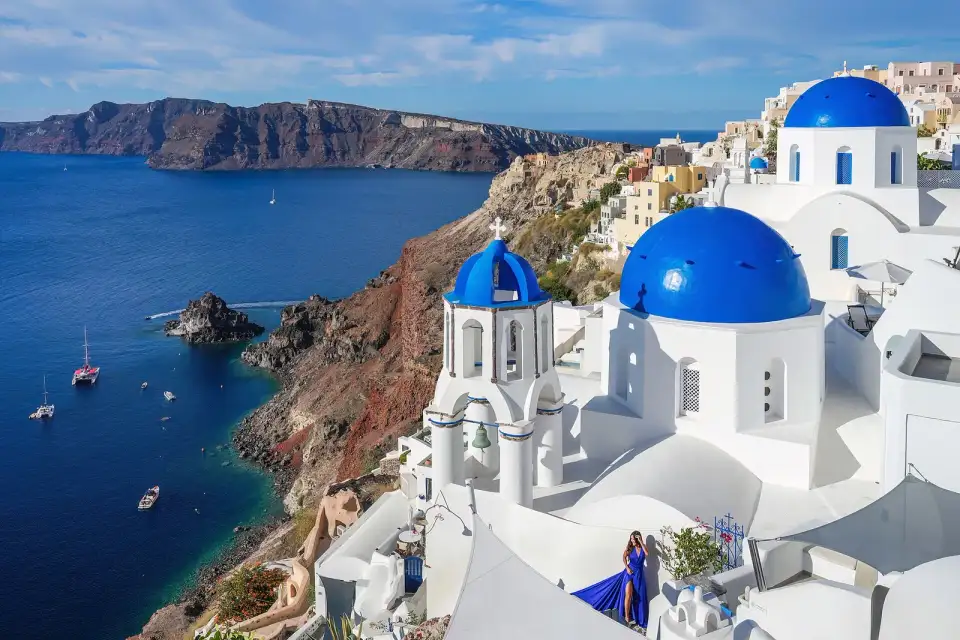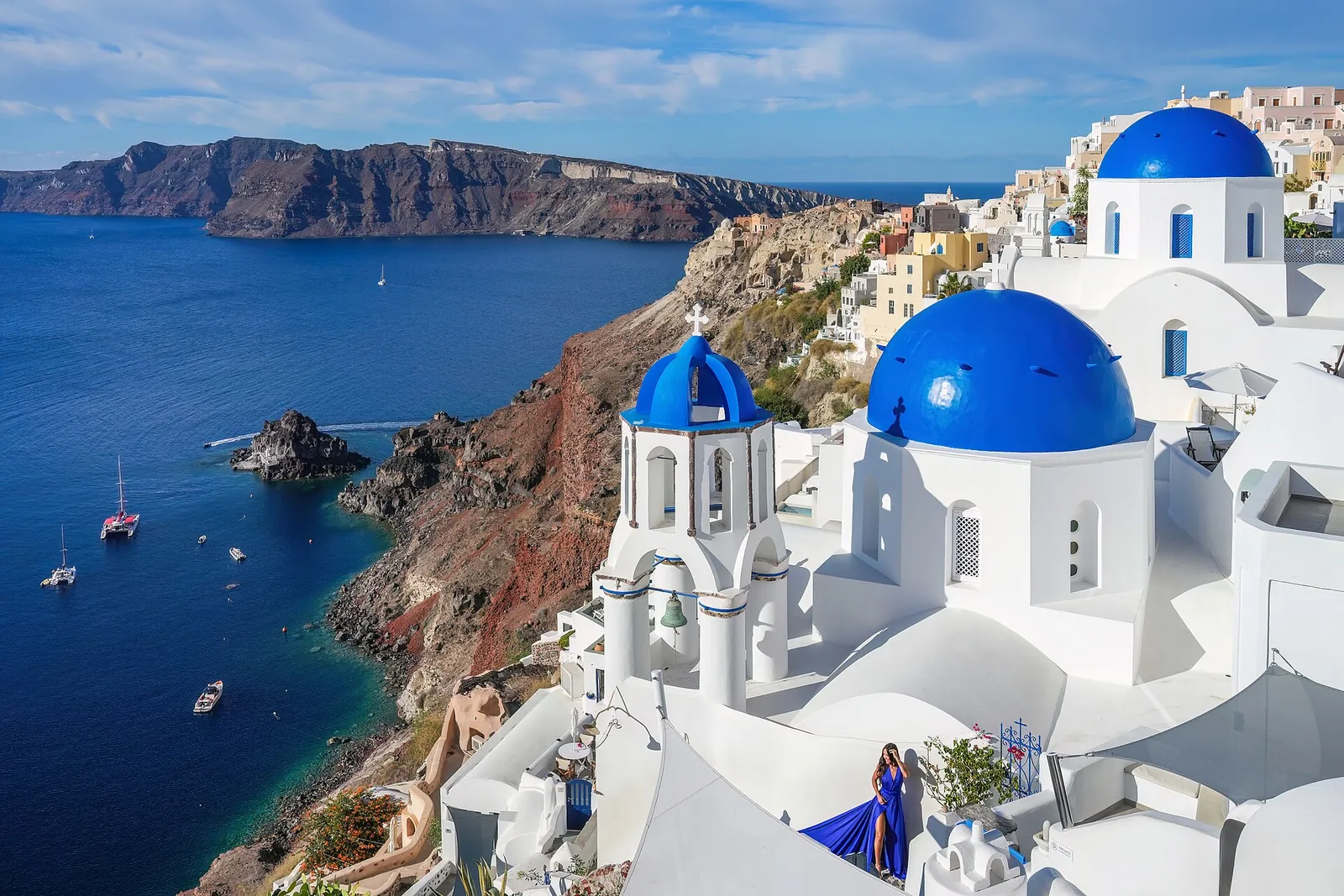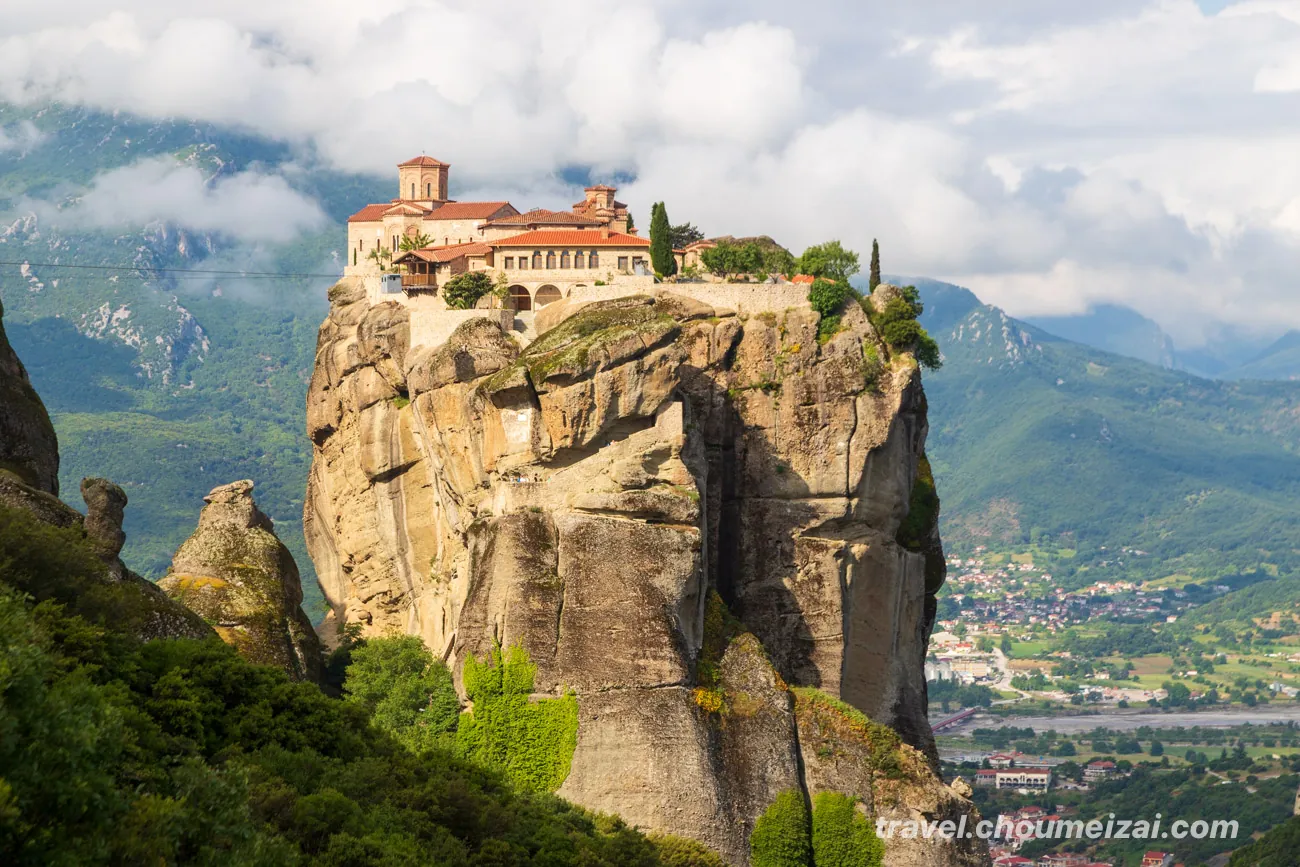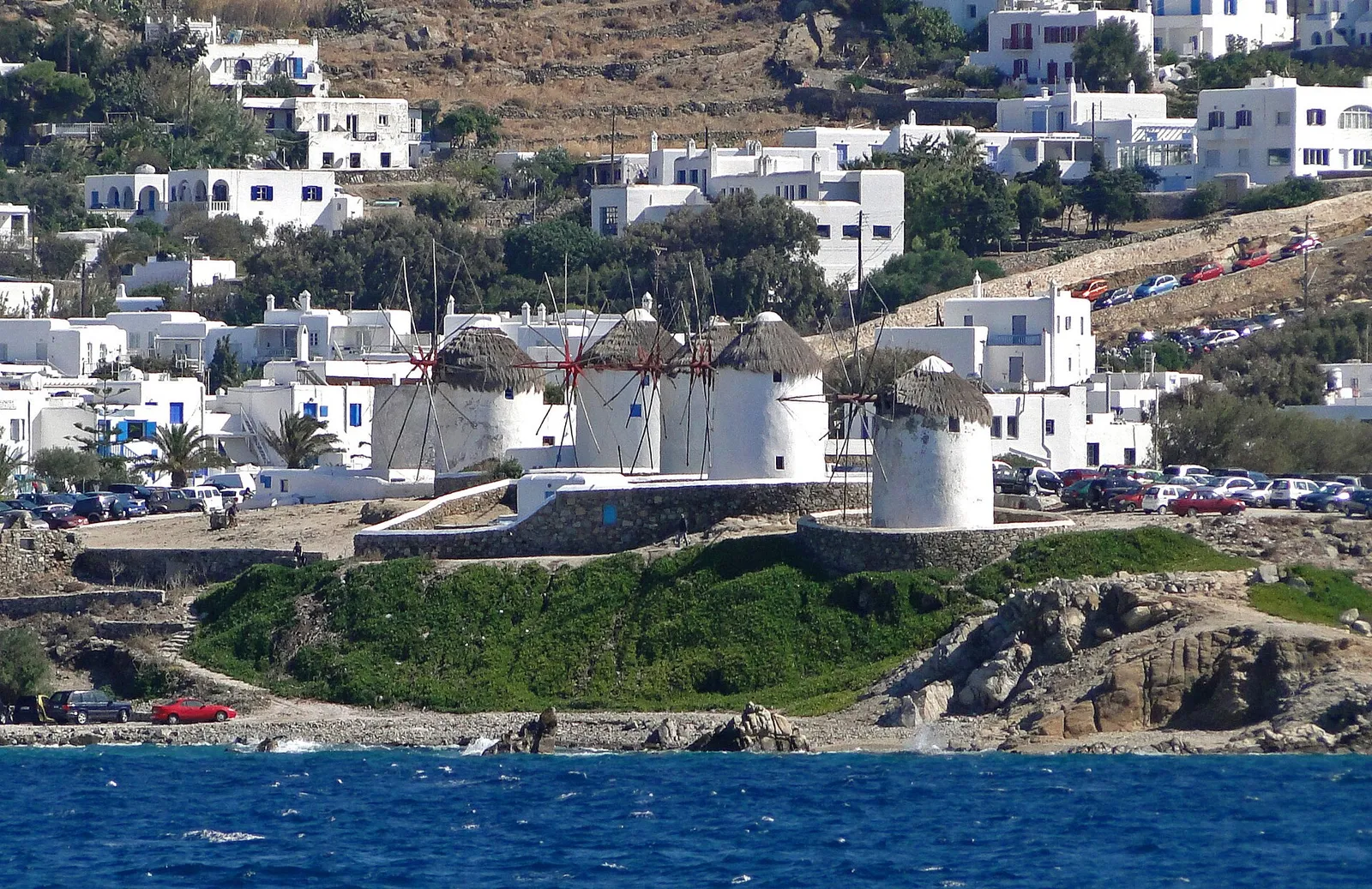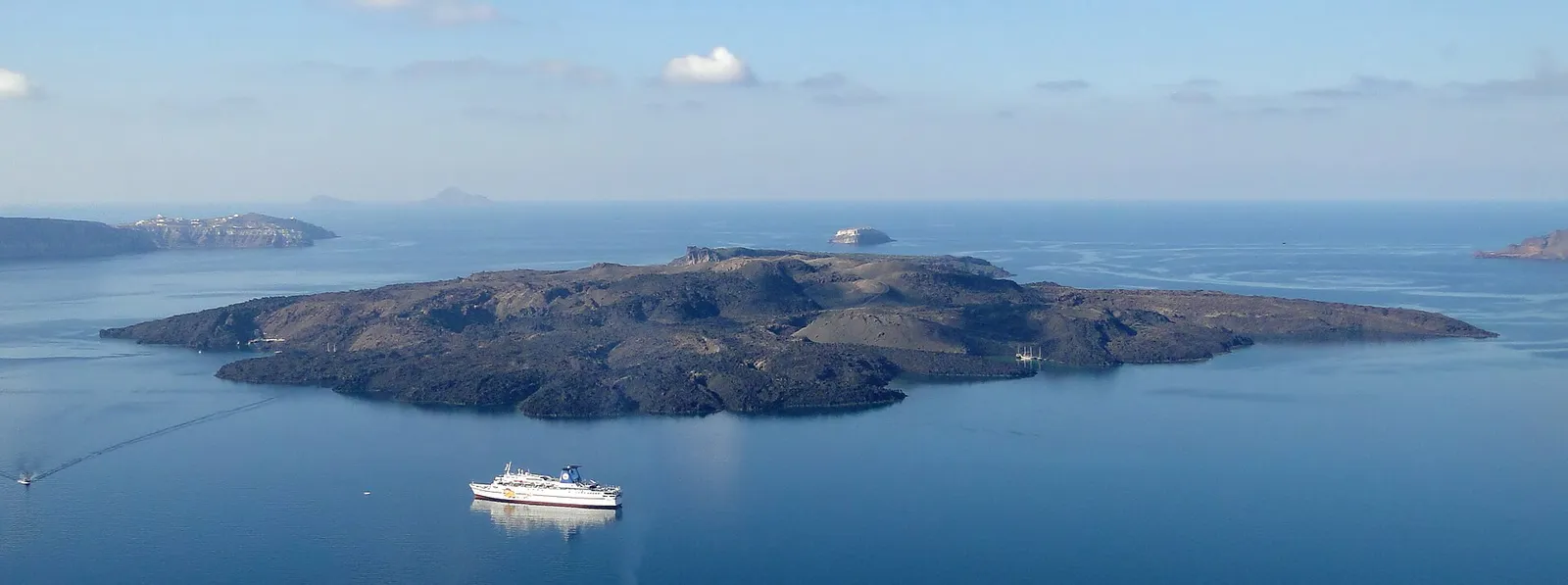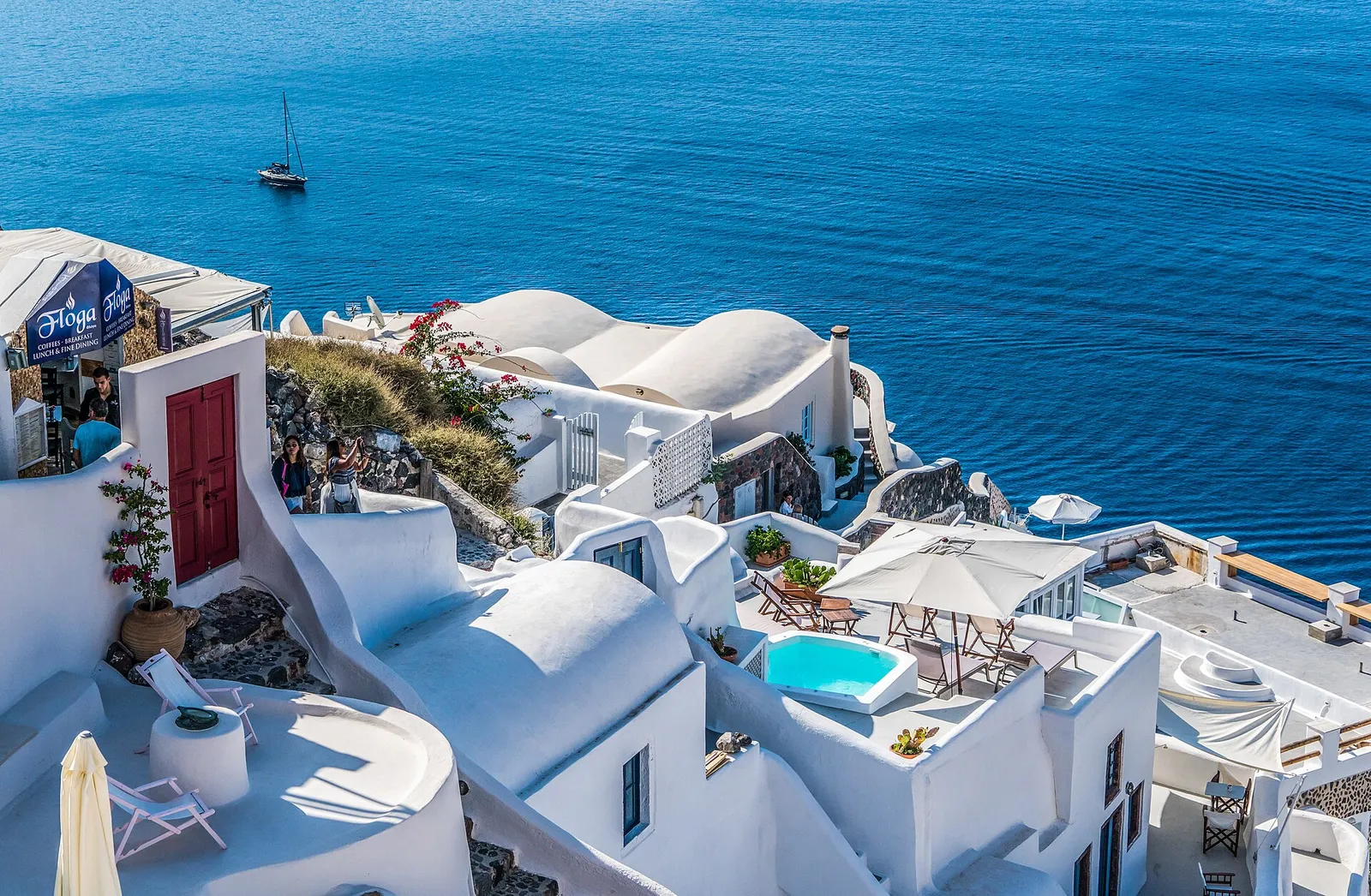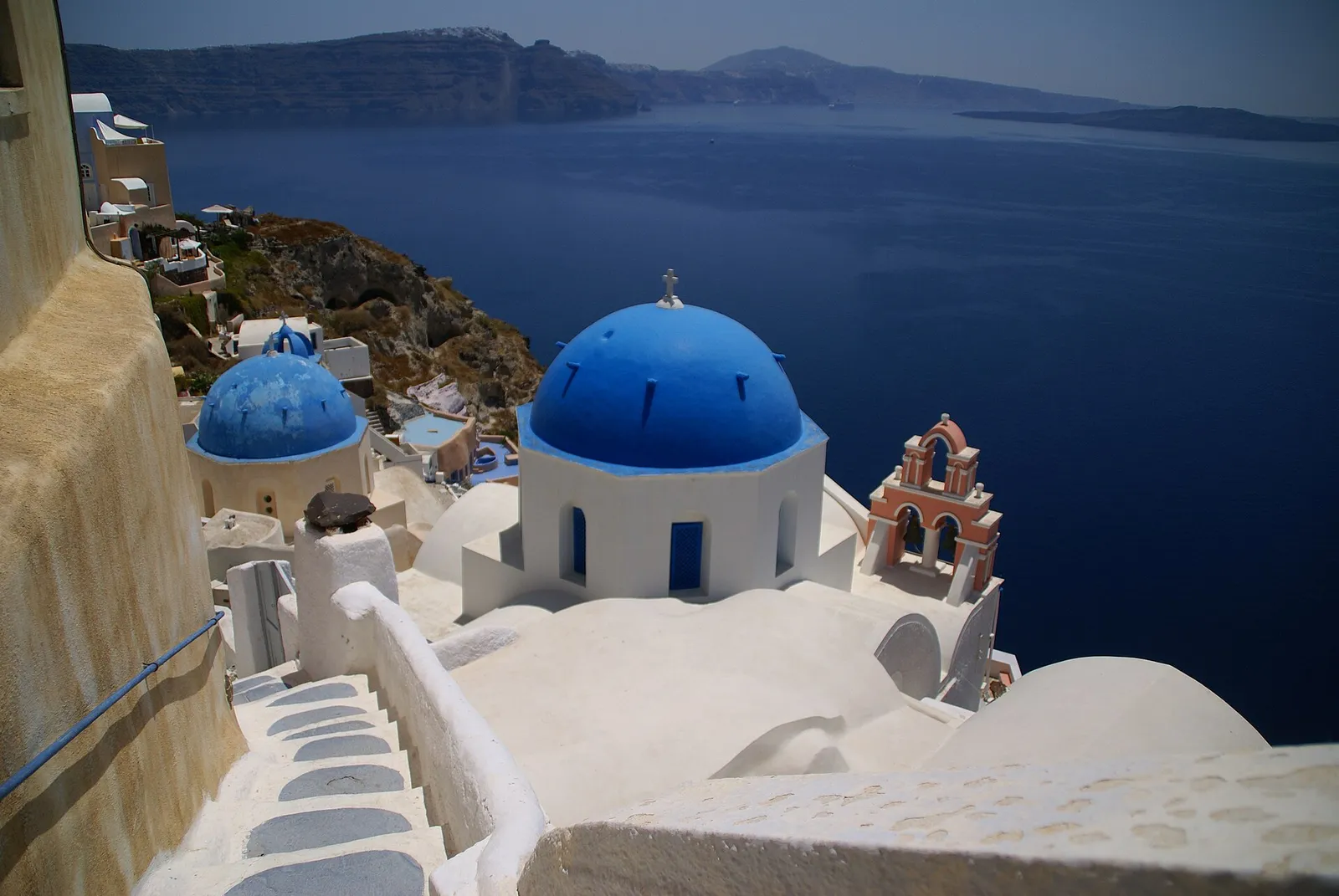
Greece or Italy is the classic Mediterranean dilemma, and the honest answer is that you will love either. But they are far more different than the brochures suggest: one is a country of islands, sea and long lazy afternoons, the other a dense museum of cities, art and food that rewards constant motion. Pick the one that matches the trip you actually want, not the one with the better photos this week. Here is how they really compare.
Islands and beaches versus cities and art
Greece is the sea. The country has around 6,000 islands and islets, and its greatest asset is water so clear it looks retouched. The rhythm of a Greek trip is slow: a morning swim, a taverna lunch, a ferry to the next island, a sunset that empties the streets. Athens is a genuine world city with the Acropolis at its heart, but for most visitors it is the gateway, not the destination.
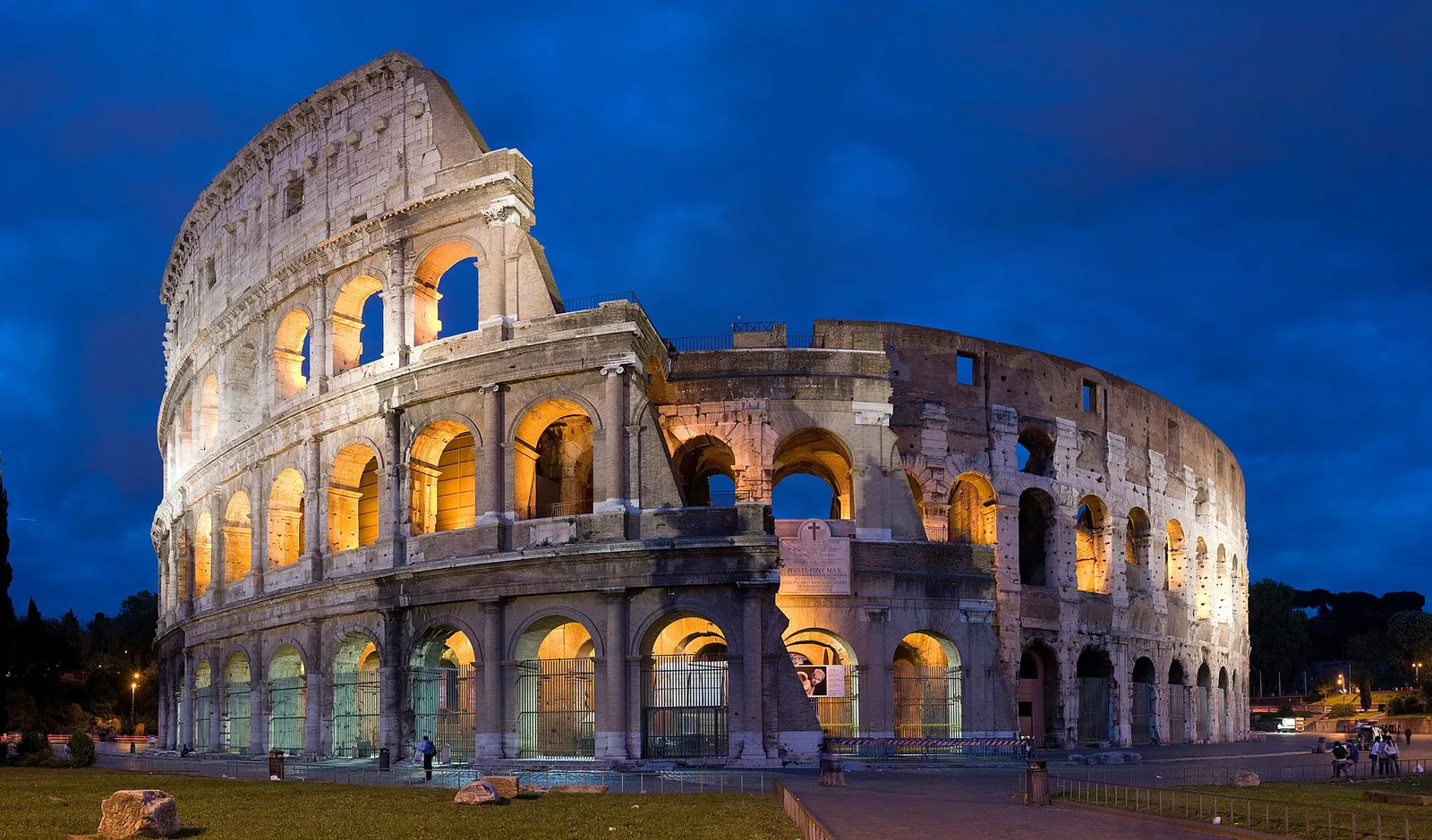
Italy is civilisation, wall to wall. Rome, Florence and Venice hold more art and architecture per square metre than anywhere on earth, and the hits keep coming: Naples, Milan, Bologna, Sicily. An Italian trip is a sequence of cities and towns, each demanding your attention. There are beautiful coasts, Amalfi, Puglia, Sardinia, but the sea is the side dish, not the meal.
If your dream photo is a white village above a blue bay, choose Greece and start with the beach shortlist. If it is a Renaissance skyline or a Roman ruin at dusk, choose Italy.
Food: two great tables, one deeper cellar
Italy simply has more food, in every sense: distinct regional cuisines, the world’s most beloved dishes, and a wine culture that runs from Barolo to Etna. Eating is the main event, and a trip can be planned entirely around it.
Greek food plays a different game. It is simpler, fresher and cheaper: grilled octopus, horiatiki salad, slow lamb, honey-drenched pastries, all made from ingredients that grew or swam nearby. A full taverna dinner with house wine often costs less than a plate of pasta on a Venetian canal. Read the Greek food guide and you will see the appeal: less refinement, more generosity.
Verdict on food: Italy for depth and variety, Greece for value and ease.
Cost: Greece wins on value
For the same standard of trip, Greece is meaningfully cheaper. Rooms, meals, ferries and tours all undercut their Italian equivalents, and the gap widens away from Mykonos and Santorini. Italy is not expensive everywhere, the south and the small towns are good value, but its trophy destinations, Venice, Amalfi, Como, Capri, price like the premium products they are. Budget travellers get more sunshine per euro in Greece.
Getting around: trains versus ferries
This one is a genuine trade-off. Italy’s high-speed trains are superb: Rome to Florence in 90 minutes, city centre to city centre, no weather worries. Logistically, Italy is the easiest great country in Europe.
Greece runs on ferries and domestic flights. The boats are scenic, social and part of the fun, but they are slower, and the summer meltemi wind can cancel a sailing and reshuffle your plans, which is why the ferry guide tells you to keep a buffer day before any flight. If you hate transport uncertainty, that matters. If a deck seat with the islands sliding past sounds like a highlight, it will not.
Summer rooms go early in both countriesWhether it is a caldera view or a Florence rooftop, the good-value rooms sell out months aheadHead to head
| Greece | Italy | |
|---|---|---|
| Best for | Islands, beaches, relaxed pace | Cities, art, food pilgrimages |
| Beaches | Exceptional, clear water everywhere | Good in places, often crowded lidos |
| Sightseeing density | Athens plus ancient sites | Overwhelming, in the best way |
| Food | Fresh, generous, great value | Deepest food culture in Europe |
| Cost | Cheaper overall | Pricier in headline spots |
| Transport | Ferries and flights, weather-dependent | Fast, reliable trains |
| Ideal trip length | 7 to 10 days, 2 or 3 stops | 7 to 14 days, 3 or 4 cities |
| Crowds | Concentrated on famous islands | Heavy in the big three cities |
If Greece wins
Two things are worth reading before you book anything.
The shape of the trip, since Greece rewards fewer stops than most people plan and the ferries decide the rest; our two-week Greece itinerary sets out a route that works.
And the island decision, which for a large share of first visits comes down to two famous names that are far more different than they look; our comparison of Mykonos and Santorini takes it seriously.
So which should you choose
Choose Greece if you want a beach-first trip, you travel to slow down, you care about value, or you are dreaming of island hopping. Sun seekers, honeymooners who want calm over culture, and families who measure a day by hours in the water will be happier here. Start with the first timer guide.
Choose Italy if you travel to see things: museums, ruins, cathedrals, piazzas. Art lovers, food-first travellers and anyone who enjoys a fast-moving, city-to-city itinerary belongs in Italy. It is also the safer pick for a winter or early-spring trip, when the Greek islands are largely asleep.
First trip to Europe, torn down the middle? Take Greece if your holiday fantasy involves the sea, Italy if it involves a city street. And if you have two weeks and cannot decide, do both: a week of Italian cities, a short flight from Rome to Athens, then a Greek island to recover. It is the rare compromise that improves on both original plans.