Greece is easier with children than its reputation for ruins and ferries suggests, and harder in a few specific ways that nobody warns you about. The good news is cultural: this is a country where children are actively welcome in adult spaces rather than grudgingly accommodated. The complications are logistical, and most of them can be planned around. Here is what actually matters.
The late dinner is an advantage
The single biggest adjustment, and the one families end up enjoying most, is the timetable. Greeks eat late, and they eat late with their children present. A taverna at half past nine with small children running between tables is not a scene anyone finds remarkable.
That solves a problem that dogs family holidays elsewhere. Instead of a rushed early dinner while everything interesting is closed, you can spend the hottest hours of the afternoon indoors or in the water, and go out as a family when the temperature drops. Children sleep later and wake later, and the whole day shifts.
Restaurants will generally not have a separate children’s menu, and do not need one. Ordering several small plates for the table and letting children graze is the normal way Greek food is eaten anyway, and it happens to suit fussy eaters unusually well.
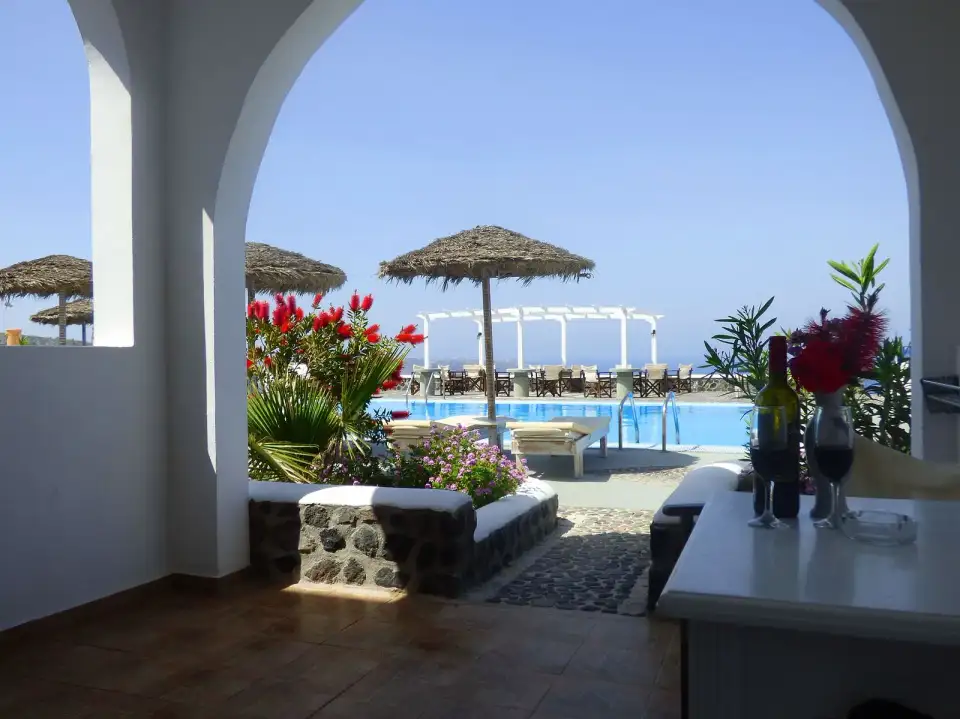
Eating out with children is also genuinely easy here. High chairs are standard even in small tavernas, staff engage with children rather than merely tolerate them, and a spilled glass or a meltdown at the next table draws no particular attention.
Choosing an island that suits the age
This is the decision that matters most, and the criteria are simple: shallow sheltered beaches and short distances.
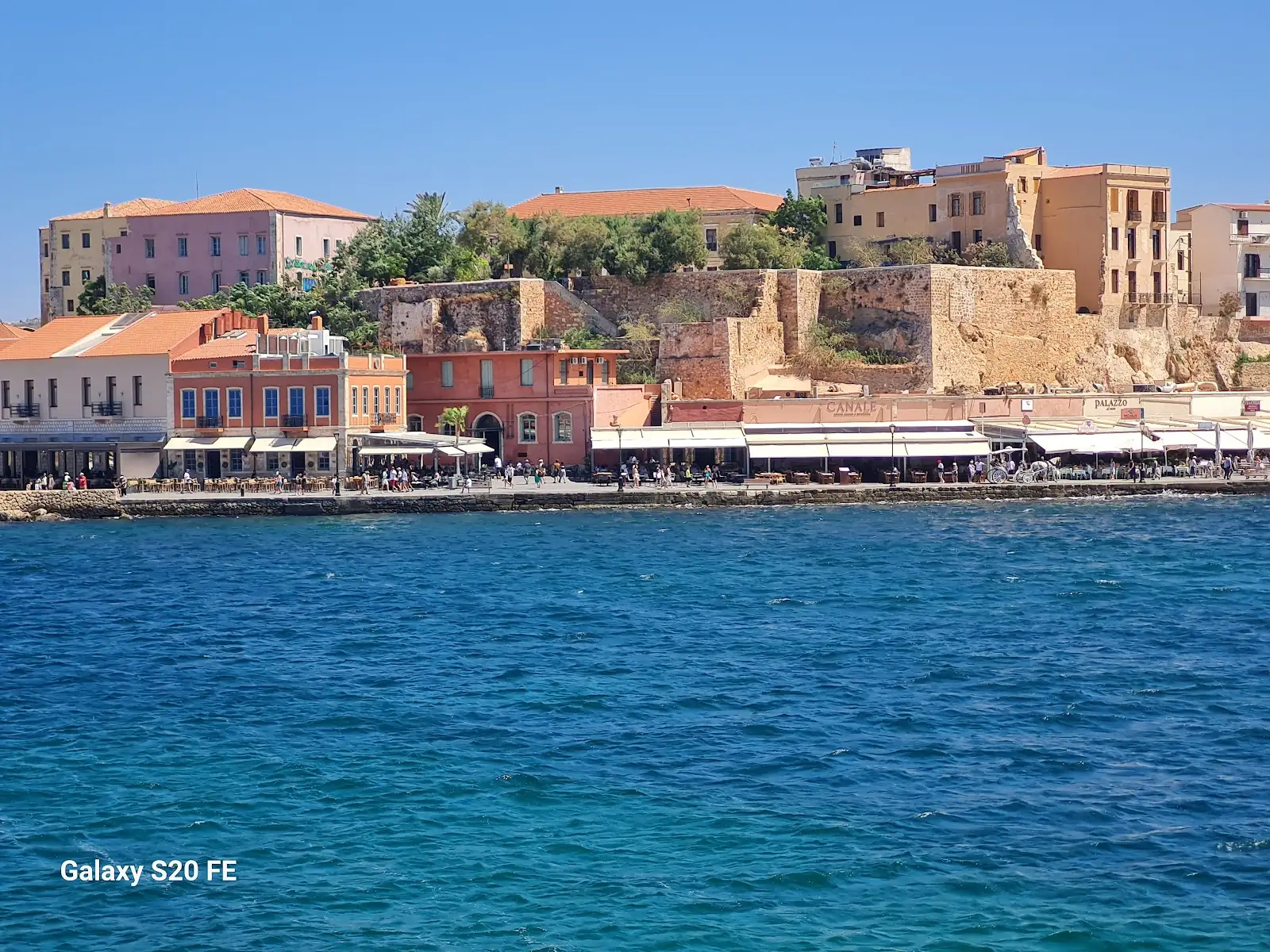
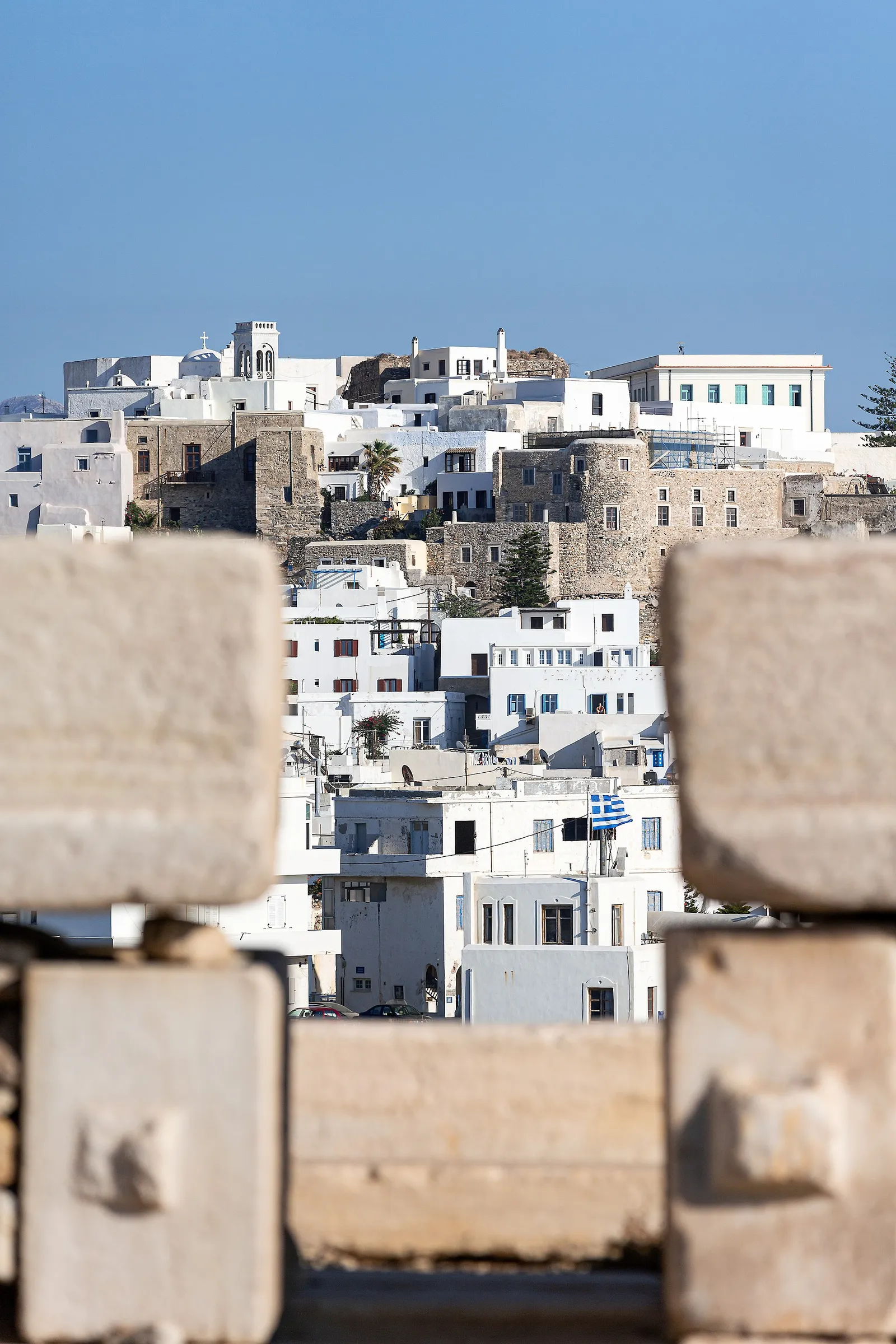
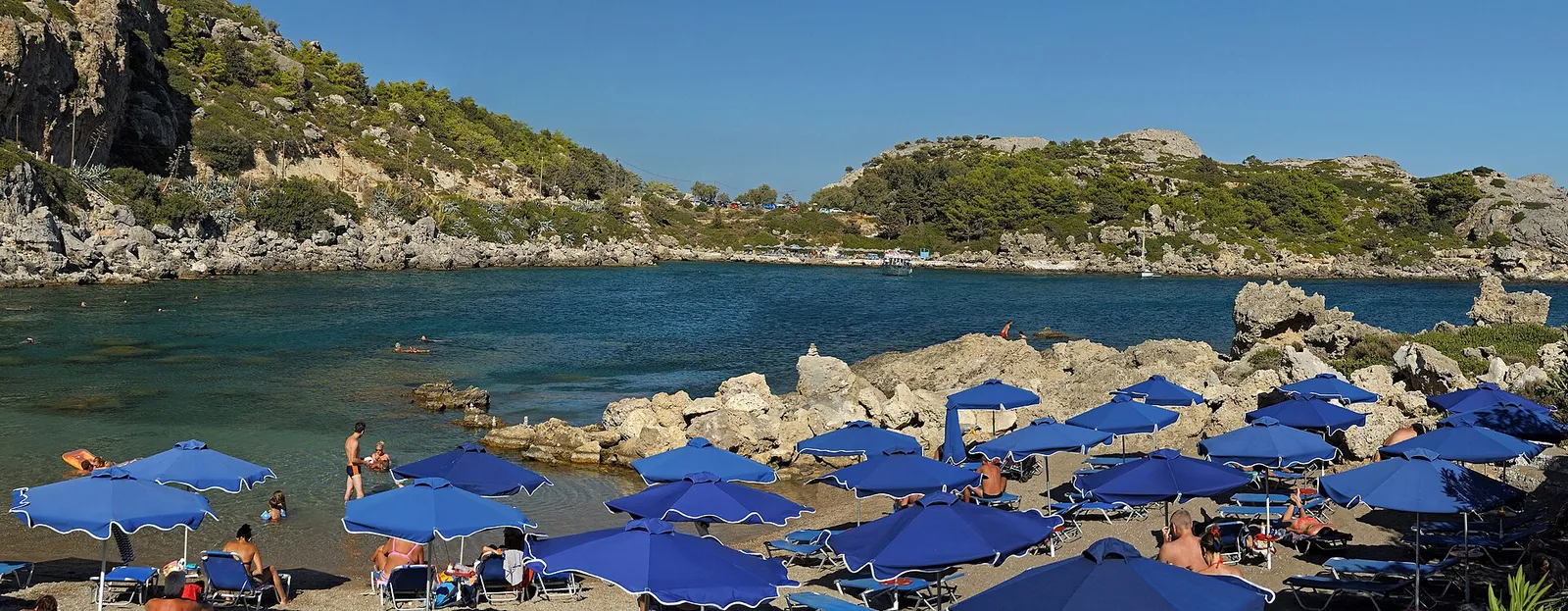
Naxos and Paros come up repeatedly for good reason. Both have sandy, gently shelving beaches, along the west coast on Naxos and in sheltered bays on Paros, where small children can be in the water without drama, both have compact main towns, and neither requires long drives. Crete works well too, provided you pick one area and stay in it rather than trying to cover an island that takes hours to cross, as our Crete guide sets out.
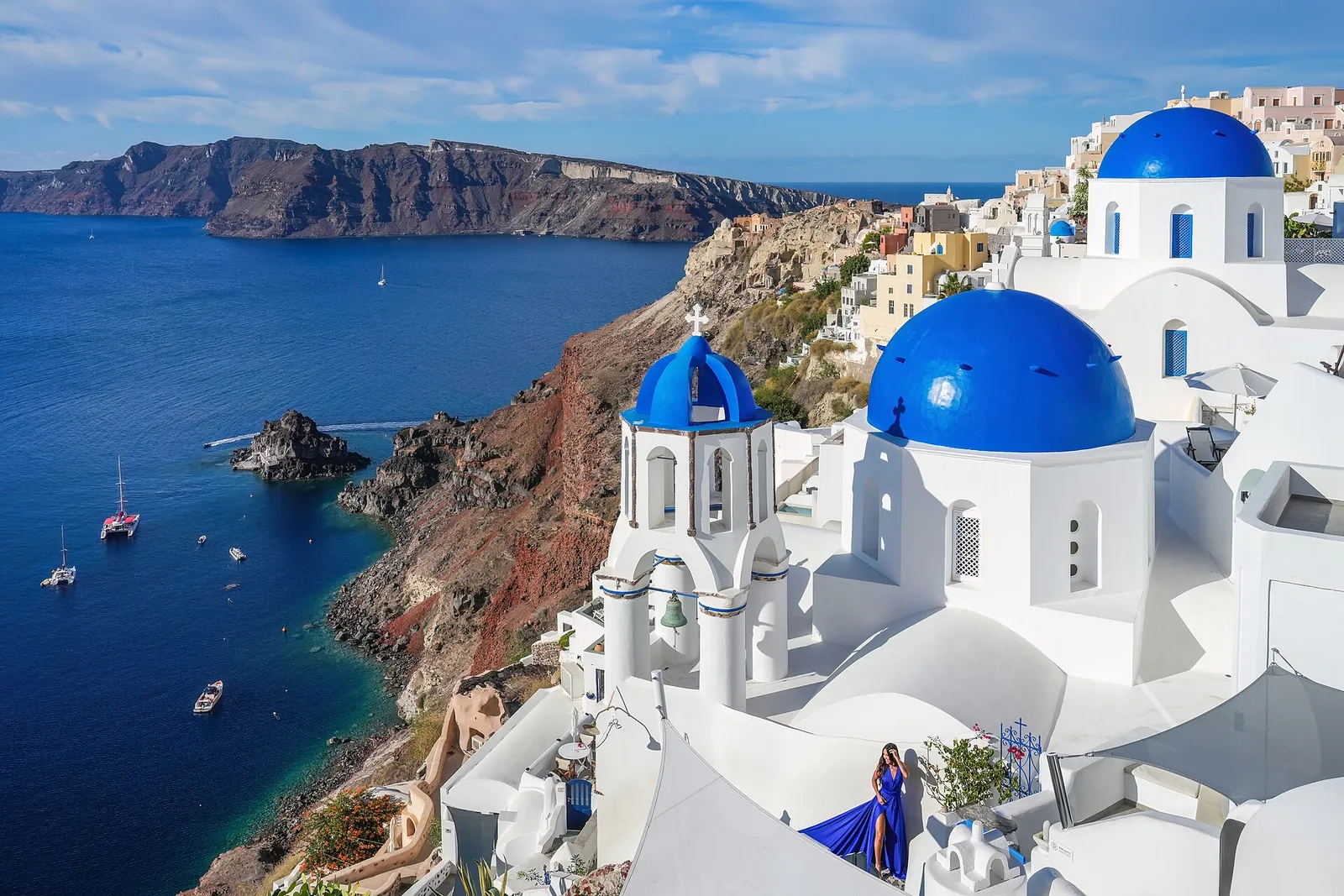
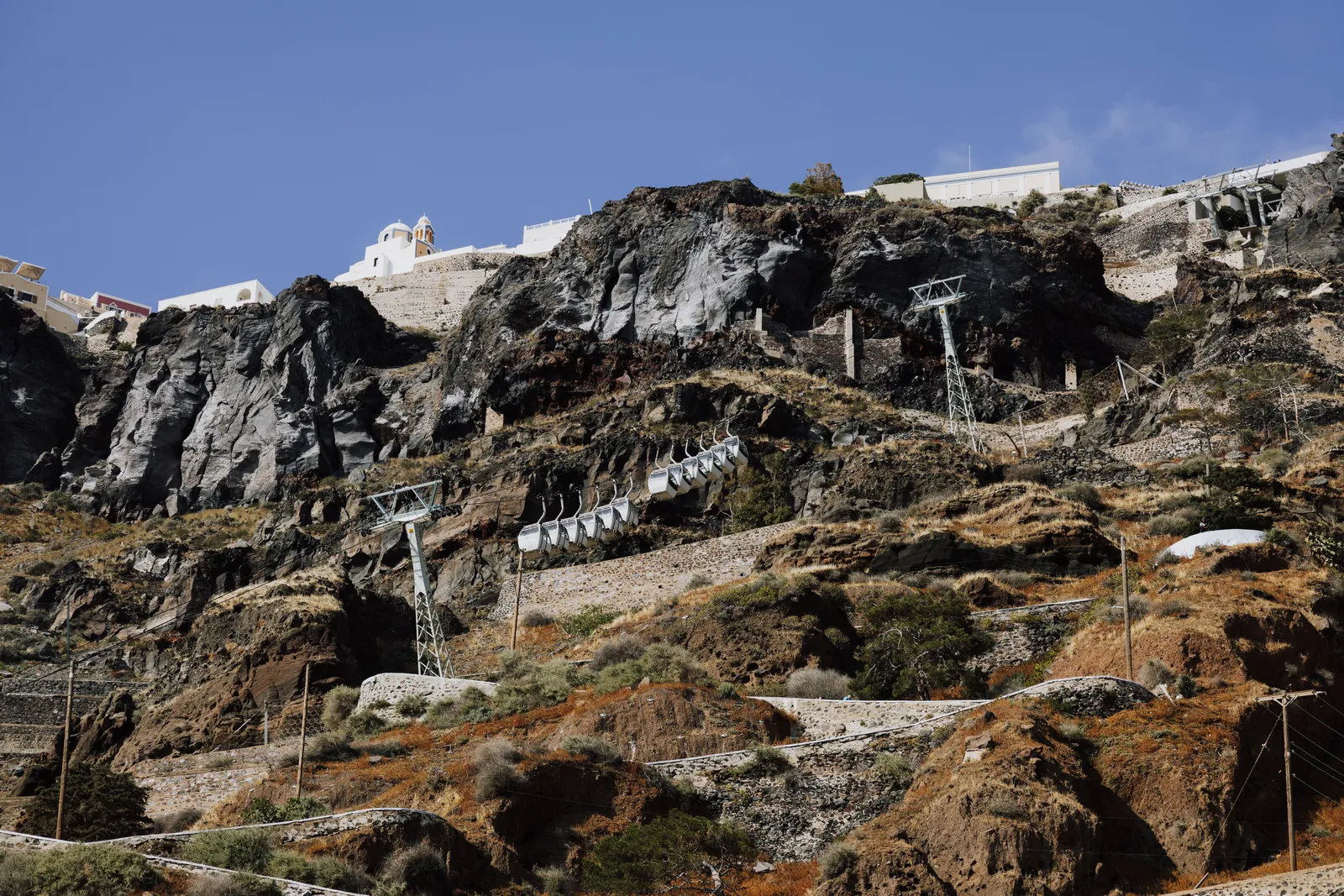
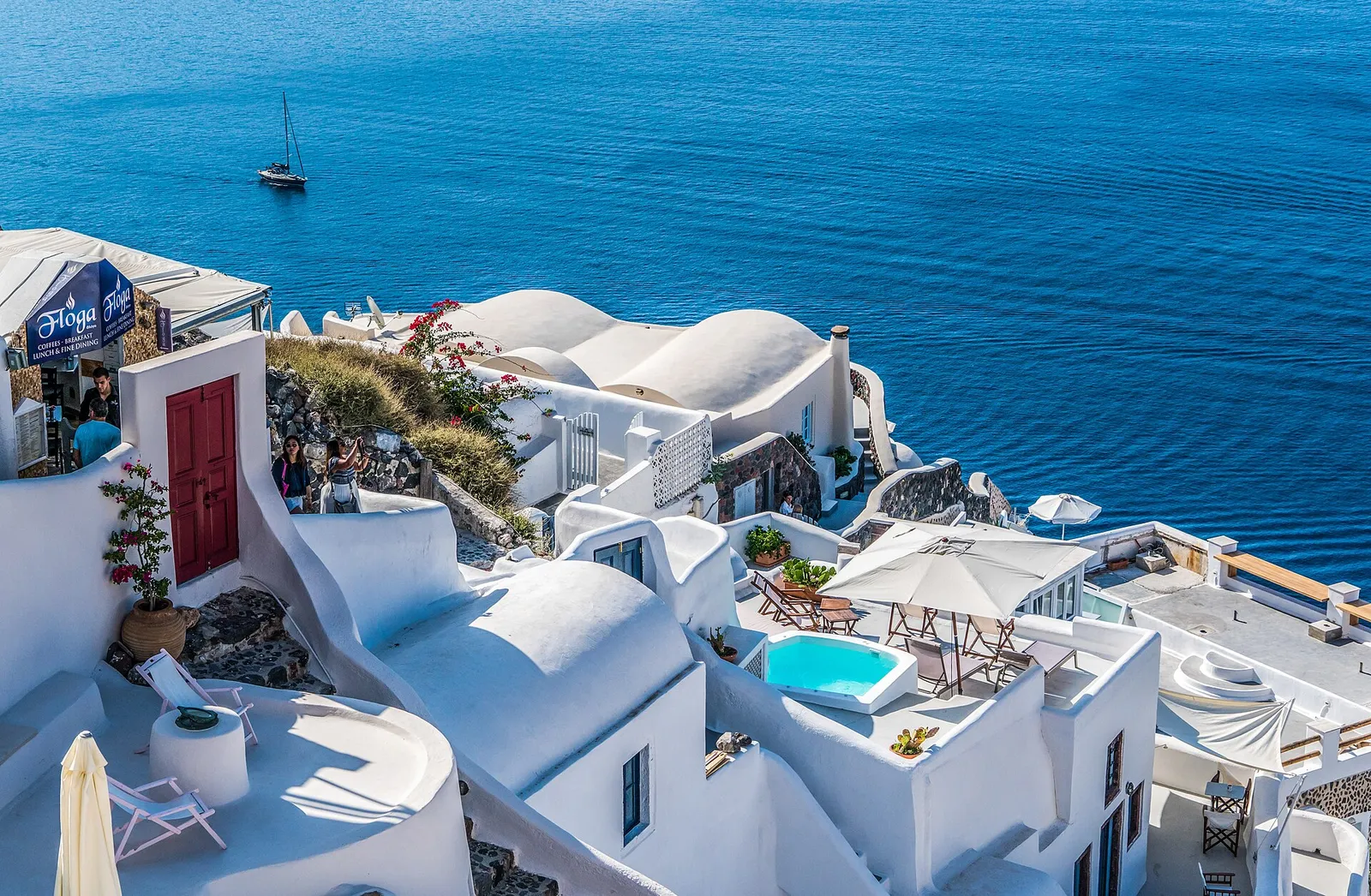
The islands to think carefully about are the dramatic ones. A village built down a cliff face with stepped lanes is a spectacular place to visit and an exhausting place to manage a pushchair, and that describes several of the most famous names in the Aegean, Santorini and central Mykonos among them.
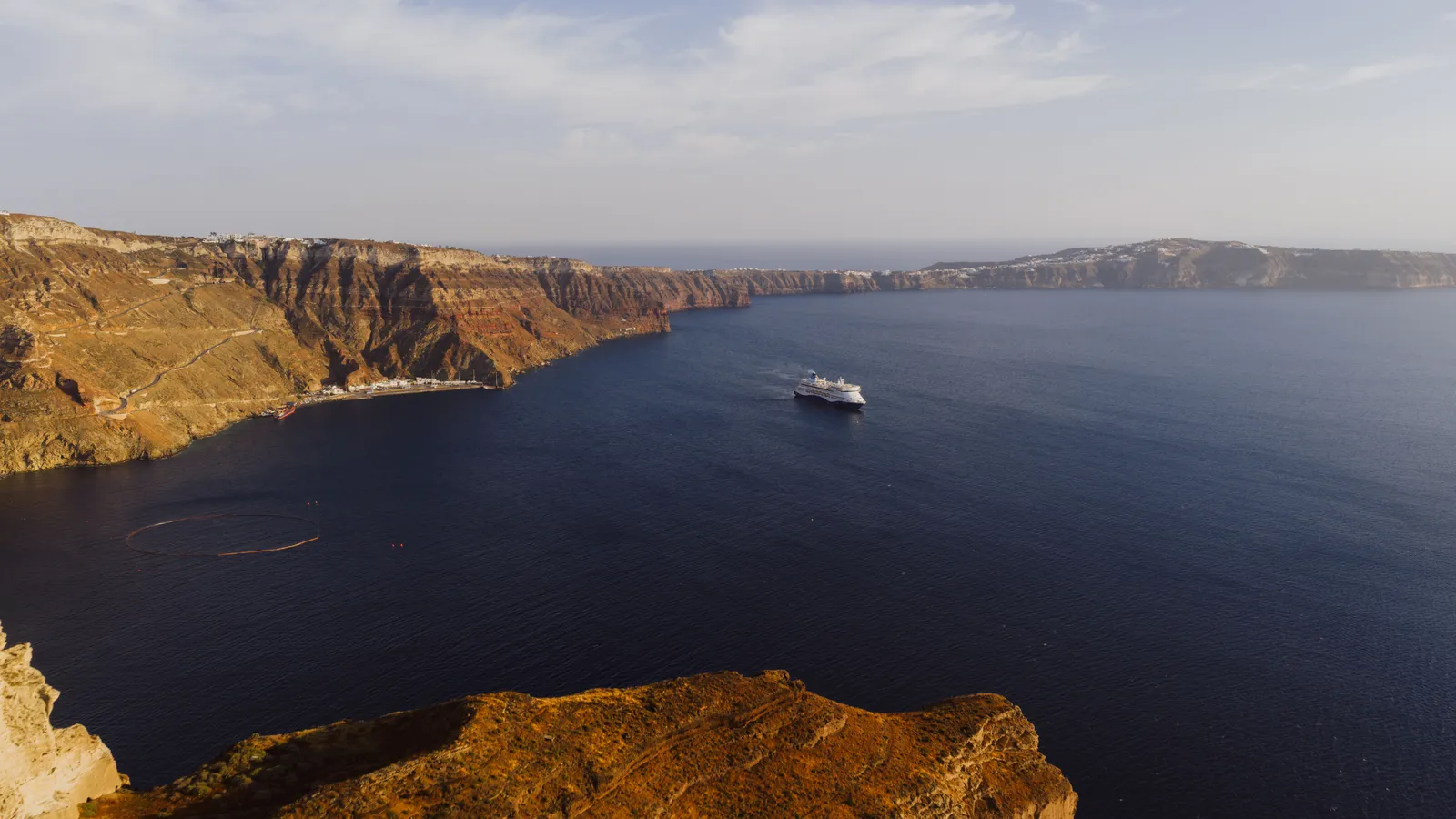
Distance from the port matters almost as much as the beach: a long transfer at the end of a crossing, in the heat, with a tired toddler, can undo a well-chosen island. Ask how far the accommodation is from the dock, not only from the beach.
Ferries, and what the crossing is actually like
Ferries are unavoidable and they are not all the same. The big conventional ferries have open decks, room to walk around, indoor seating and space for a pushchair. They take longer and they are much the easier option with children.
The high-speed catamarans cut the journey time substantially and keep everyone seated in an enclosed cabin, with no deck access. They also handle rough water noticeably less comfortably, which is worth weighing if anyone in the family gets seasick. For families the slow boat is frequently the better boat, and booking the crossing in advance in high season is sensible either way.
The crossing itself is fairly straightforward: check in at the ticket office or a kiosk and queue at the gate before vehicles board. For a young child it usually registers as an adventure, especially on the open deck, where the engine noise and the view hold attention for a surprisingly long time. Rough weather is the exception: a catamaran’s enclosed cabin, with no outside view or fresh air, is harder on a queasy toddler.
One base beats threeWith small children, a week in one place on a sheltered beach almost always works better than island hopping every few daysFewer islands, more nights
Island hopping is one of the pleasures of a Greek holiday without children, and one of the first things worth giving up with them. Every move means a ferry, a transfer, unpacking, and a day or so of a small child settling in before the holiday restarts. Three islands in ten days can mean more time in transit than on a beach.
A single base for a week or ten days, with day trips from it, keeps most of the interest and removes most of the friction. Boats run regularly between neighbouring islands in season, so a day out elsewhere is usually simple to arrange without checking out of anywhere.
The heat, and the ruins
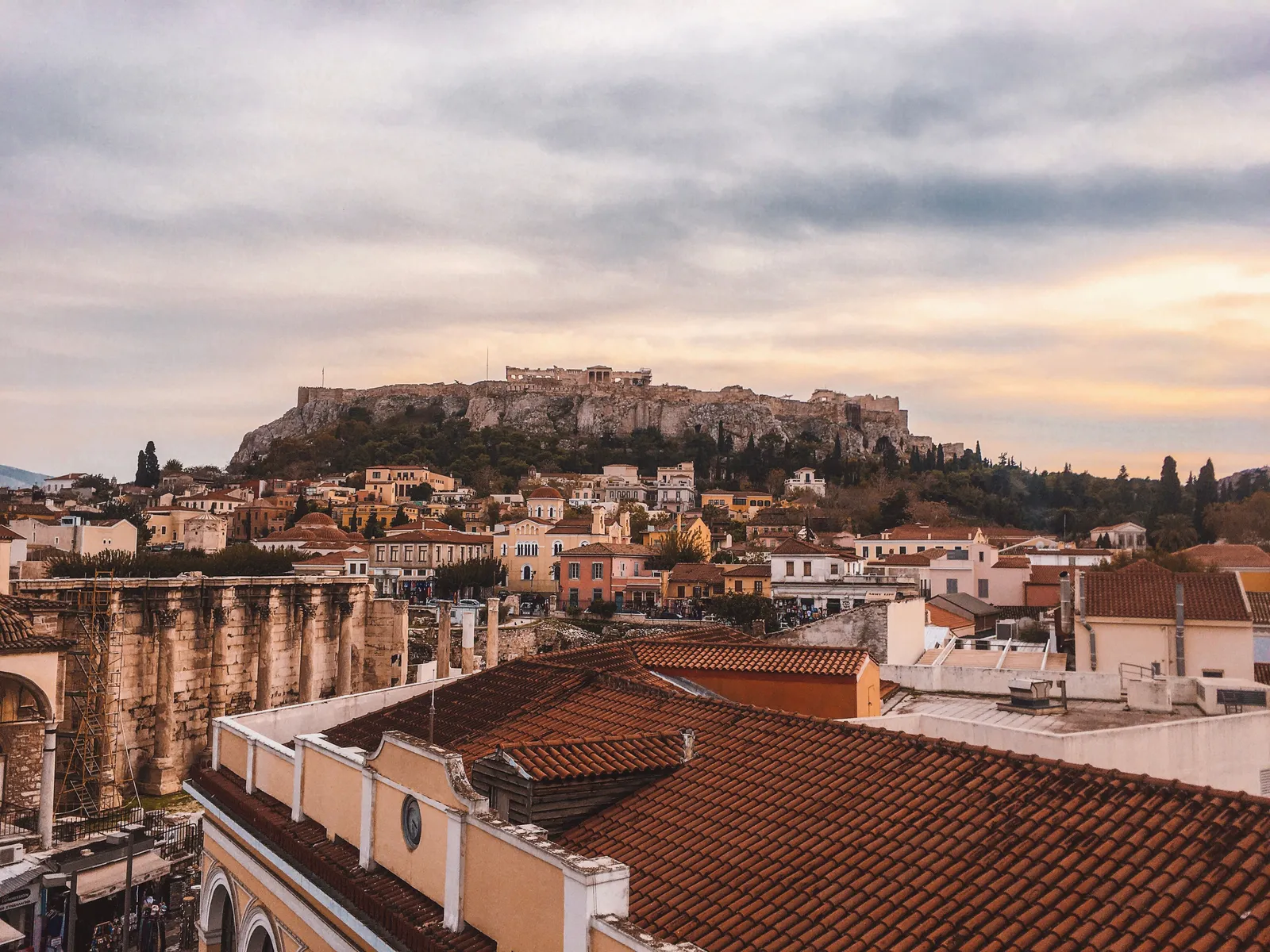
July and August in Greece produce conditions that are genuinely difficult with young children, particularly inland and on archaeological sites where shade is nonexistent. The Acropolis is the clearest example: an exposed climb on marble worn smooth and slippery by millions of feet, with no cover at the top and very little water available on site.
In practice the heat reshapes the whole day, not just the sightseeing. The hours either side of midday, roughly eleven until four, are best spent in water, shade or indoors, whatever the itinerary says. Mornings and the couple of hours before sunset are when an outing actually works, which fits neatly with the late Greek dinner.
If you are going regardless, go at opening time or in the last hours before closing, bring far more water than seems necessary, and accept that a pushchair is difficult on the main approach. Families not tied to school holidays should look hard at late spring and early autumn, when the sea is still warm, the sites are walkable in the middle of the day and the crowds have thinned.
Car seats, hire cars and the rest
Car seat requirements exist in Greece, and the practical friction is rarely the rule itself but the hire car counter. Rental companies list child seats online, but stock on the day is inconsistent, so a seat not reserved in advance is not guaranteed, especially on the islands in high season. Reserve it with the car, confirm the size if a particular age group is involved, and treat “requested” as different from “guaranteed.” Many families simply bring their own seat and fit it themselves.
A few other things are worth sorting before you travel. Pharmacies are excellent, and pharmacists are usually the first stop for a minor problem, often saving a trip to a doctor. Baby changing facilities are patchy outside larger hotels and airports, so assume you will improvise. Health cover depends on your passport: EU, EEA and Swiss citizens can use the European Health Insurance Card, British visitors have an equivalent, and everyone else should treat insurance as essential. Facilities vary between the smaller islands and the mainland, so check what is realistically nearby before booking somewhere remote. Sun protection matters more than at home, especially on boats and beaches, where reflected light increases exposure even in shade.
None of this is difficult, and none of it should put anyone off. Greece rewards families in a way that is hard to explain until a waiter has taken your two-year-old for a walk around the kitchen. Our guide for first-time visitors covers the wider basics that apply whether or not you are travelling with children.