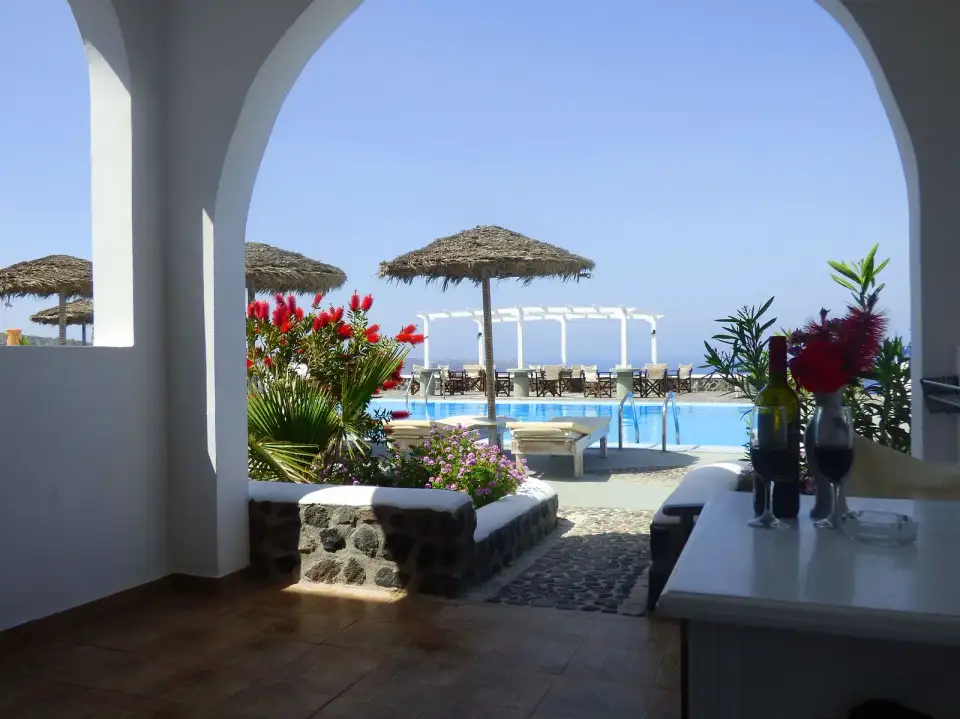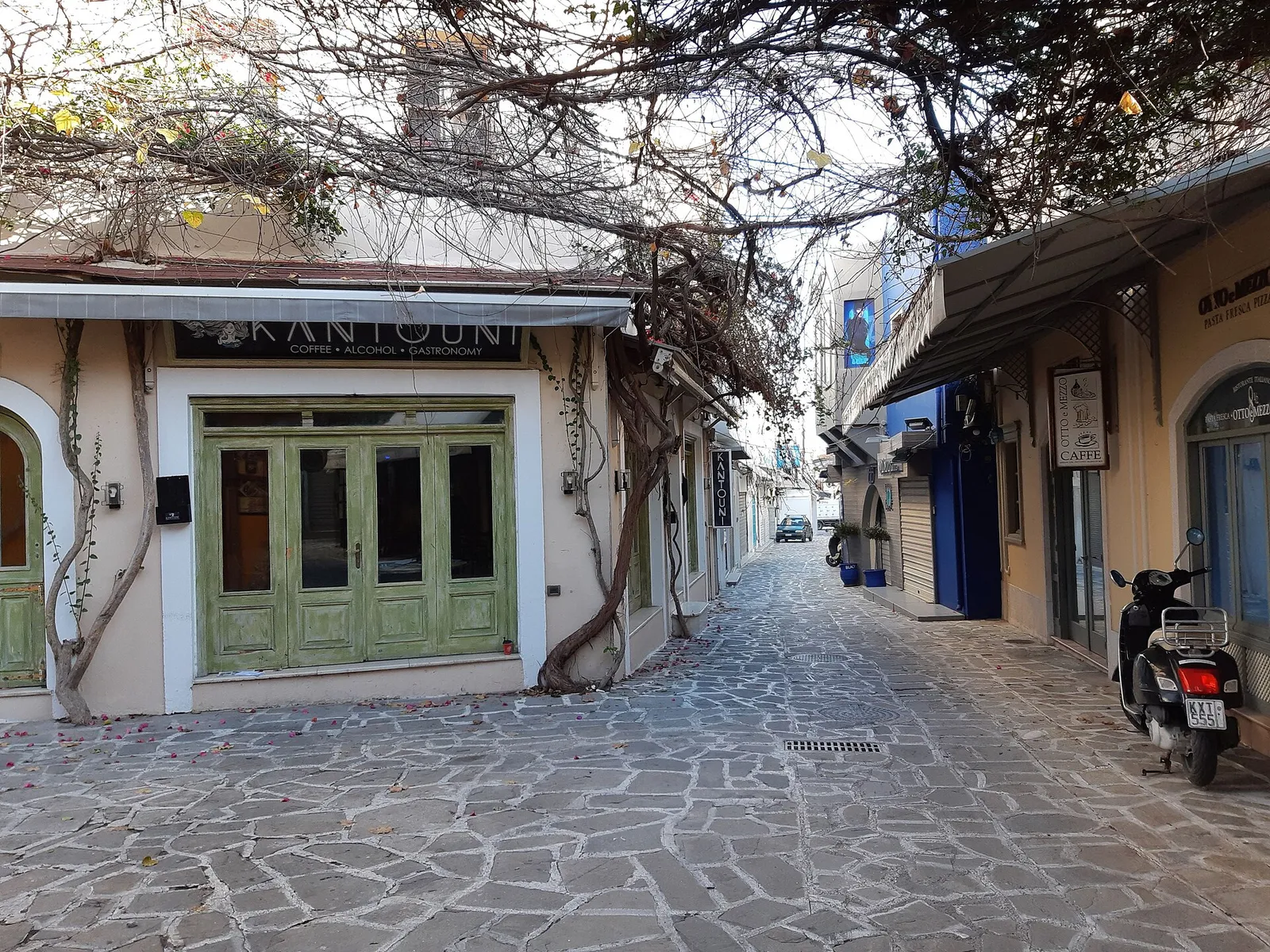
Kos has two different holidays inside it, and which one you get depends on where you book. It is a Dodecanese island a short stretch of water from Turkey, flat enough to cross by bicycle in an afternoon, and old enough to be tied to Hippocrates and a genuine ancient healing sanctuary you can still walk through. It is also home to a large package holiday scene concentrated in a handful of resorts, built around the pool rather than anything especially Greek. Neither version is a trick: they share an island, and a visitor who books blind can land in the wrong one.
The two sides of Kos
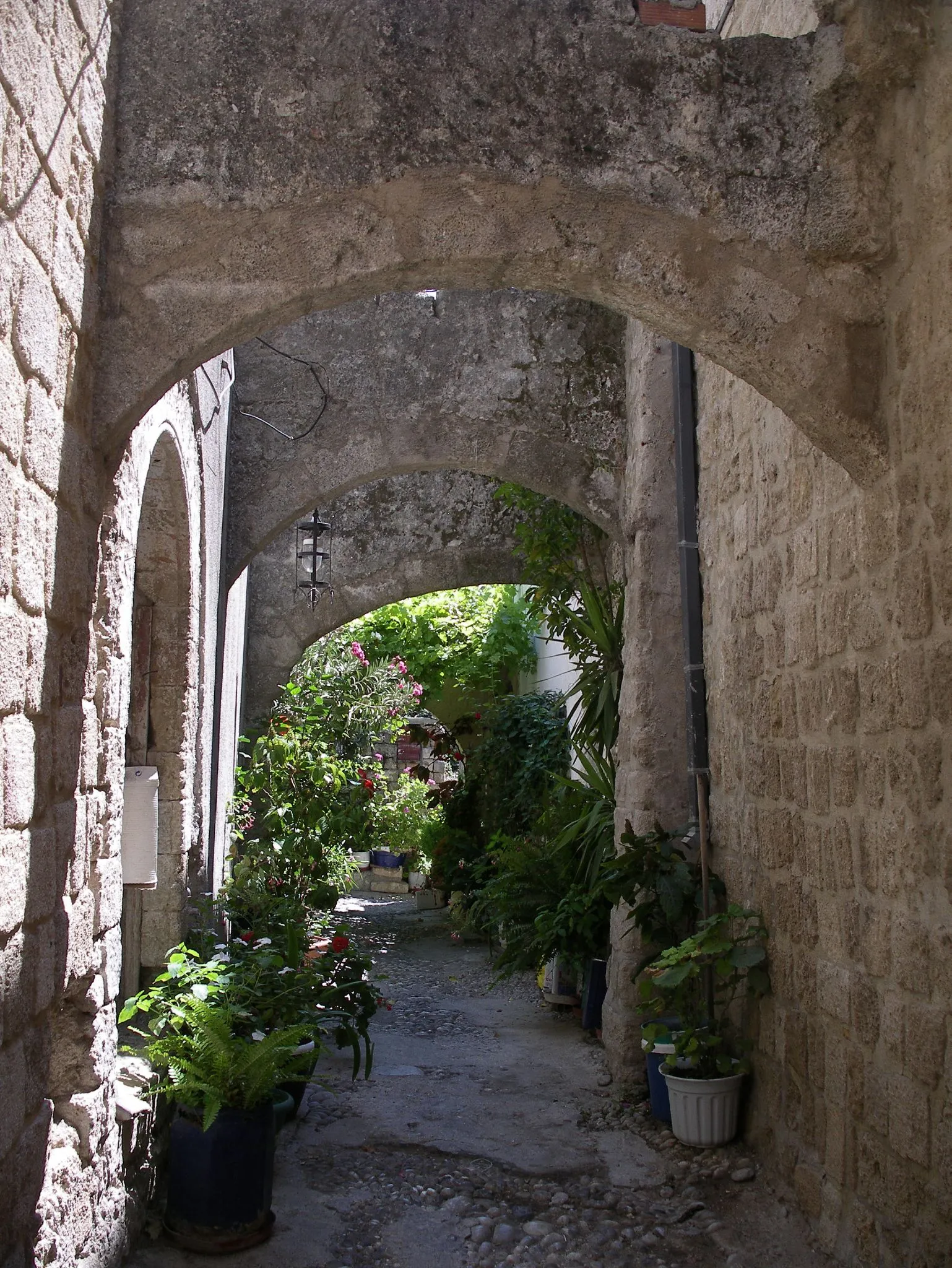
Kos belongs to the Dodecanese, strung along the southeastern edge of Greece, closer to Turkey than to Athens. Tradition holds that Hippocrates was born here, and the island still trades on that connection through its ancient healing sanctuary and a much loved old tree in the town. Layers of history sit stacked on top of each other in Kos Town: Hellenistic and Roman remains, a fortress the Knights of Saint John built to guard the harbour, and later Ottoman and Italian additions.
What draws most visitors is simpler: Kos is almost entirely flat, shaping everything from its cycling culture to beaches that run for kilometres without a headland in sight. It suits families wanting an easy, organised holiday, cyclists, and anyone who likes pairing history with an uncomplicated beach day. Travellers chasing Cycladic cliffside drama or Mykonos style nightlife will likely be happier elsewhere; our guide to choosing a Greek island is a good place to start if Kos does not sound like the fit.
Kos Town and its ancient layers
Kos Town holds most of the layered history and rewards a slow half day on foot. Near the harbour stands the Castle of the Knights, also known as Neratzia, built by the Knights of Saint John to guard the strait. Roman Kos shows up across the centre too, in the ancient agora, an odeon, and a restored Roman house with its mosaic floors still in place.
Beside the harbour grows the town’s old plane tree, traditionally associated with Hippocrates and said to be the tree under which he taught. The legend is charming rather than literal: however large and gnarled it looks, propped and cabled to hold its limbs up, it is not actually old enough to date from his lifetime.
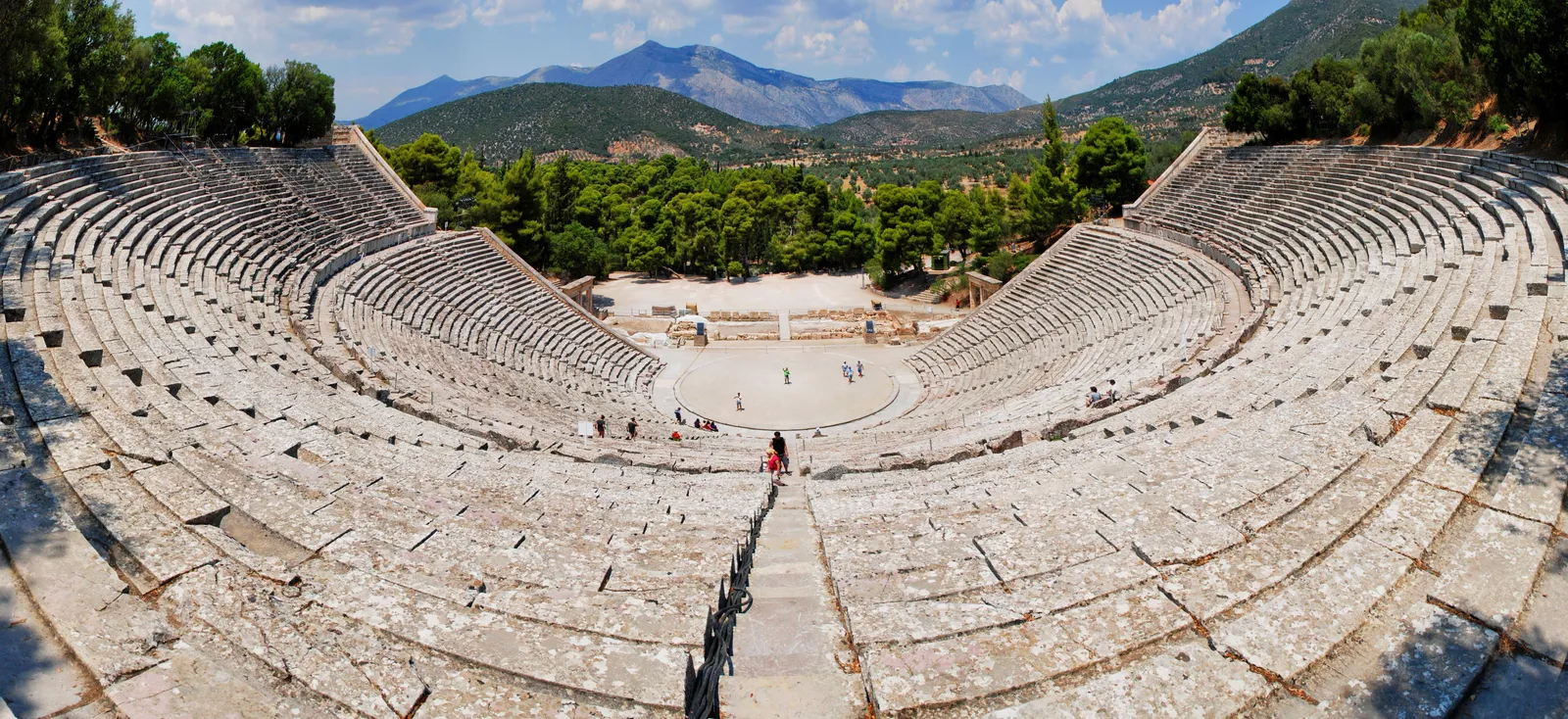
The most important site is the Asklepion, an ancient healing sanctuary on a hillside outside town, traditionally linked to the medical school built around Hippocrates. It rises across stepped terraces, with a view from the top toward Turkey that is one of the best on the island. Entry costs a modest amount, roughly five to ten euros, though both the castle and the Asklepion have had closures and restoration work over the years, so check current hours and admission locally before planning around either.
Cycling: the best way to see the island
Kos is among the flattest large islands in Greece, and that fact built an entire culture around it. Dedicated bike paths connect Kos Town to the ancient sites, the airport road and several coastal resorts, and rental shops are everywhere, from simple town bikes to electric models. A day’s rental typically runs somewhere between seven and twenty euros, more for an electric one, though rates vary by shop and season, so treat that as a rough guide rather than a fixed price.
Riding is the best way to feel the island, covering ancient sites, harbour and coastline in one unhurried morning. The one thing to plan around is the midday sun: Kos gets seriously hot in summer, the flat routes offer little shade, and children tire fast between midday and four. Ride earlier or later, carry more water than feels necessary, and check that rental helmets fit before setting off.
The beaches
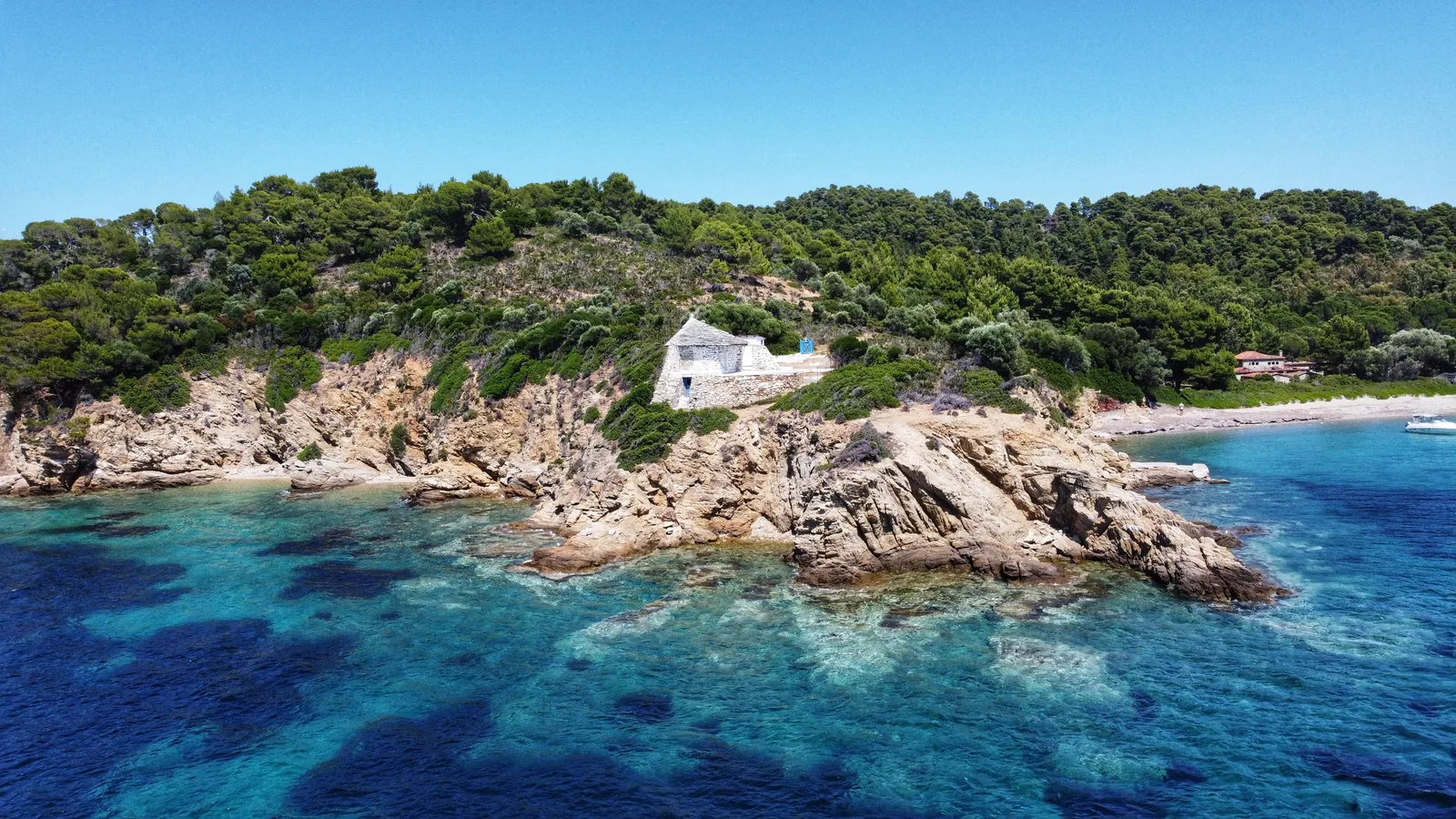
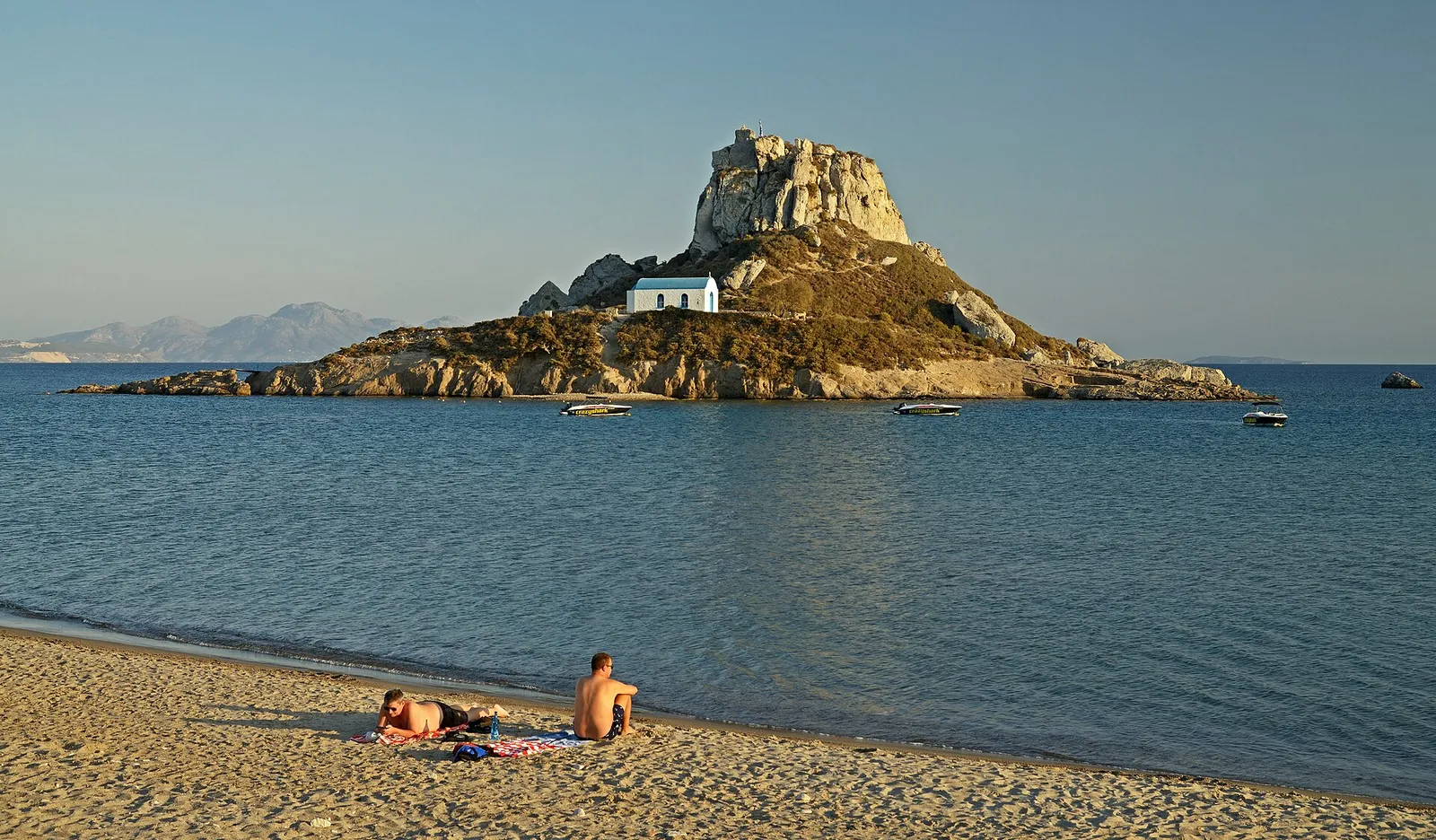
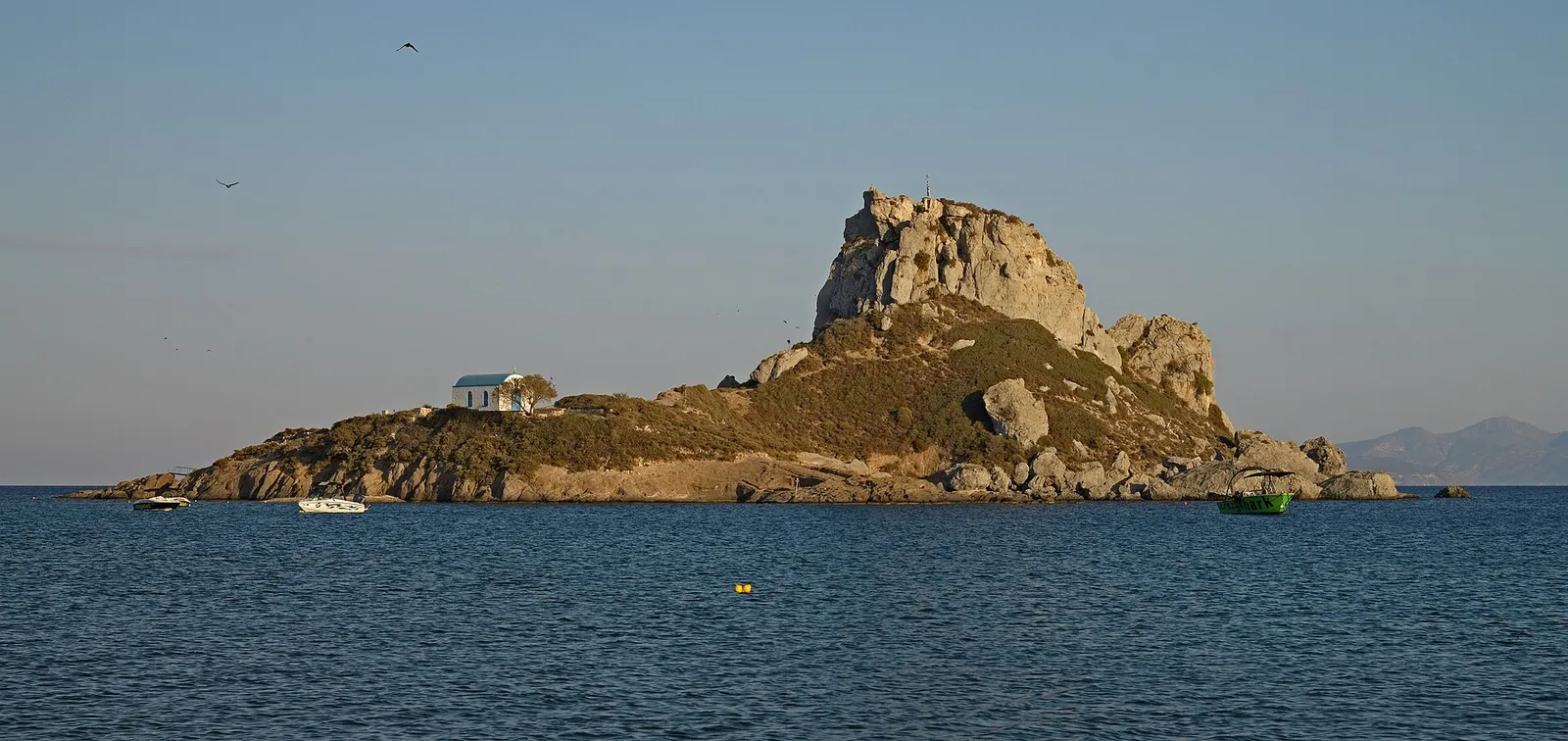
The island’s beaches are its other headline feature: long, mostly sandy, and easy to reach without a car. Agios Stefanos, on the southwest coast, faces a small rocky islet crowned with a whitewashed chapel just offshore, one of the most photographed views in Kos. Close by, Paradise Beach, sometimes called Bubble Beach for the warm volcanic gas bubbles rising through the sand at one end, has soft sand and clear water and draws crowds to match.
On the west coast, Tigaki and Marmari run long, shallow, breezy stretches that suit families and, on windier days, watersports. Further south, Kamari is calmer, with tavernas along the sand. This is where the split personality shows most clearly: some beaches sit beneath a wall of package resorts, sunbeds packed tight, while others nearby stay close to empty outside a narrow midday window. Decide in advance which you want, since the two can sit only a few kilometres apart.
Zia, the hills and the quieter corners
Kos rewards anyone willing to leave the coast for an afternoon. Zia, high on Mount Dikeos, is the island’s best known sunset spot, a small village of tavernas and craft shops with a view down to the sea and neighbouring islands. It gets busy in the evening for that reason, so arrive earlier for the same view with far fewer people. Smaller villages nearby, including Pyli and the Asfendiou hamlets, are where everyday life carries on largely undisturbed by tourism.
This is also the easiest way to see the quiet side of the split personality described earlier. Away from the resort strip, much of the coast and countryside of Kos is as unhurried as any small Greek island, a short drive from almost anywhere.
Getting there, and where Kos fits in a bigger trip
Kos has its own airport, with seasonal charter and scheduled flights from various European cities in the warmer months and connections through Athens the rest of the year; schedules shift by season, so check directly with an airline before committing to dates. Ferries connect Kos to its Dodecanese neighbours, including Kalymnos and Nisyros, and on to Rhodes for travellers stringing islands together, though routes and crossing times shift by season too, so check current schedules before building a plan around them.
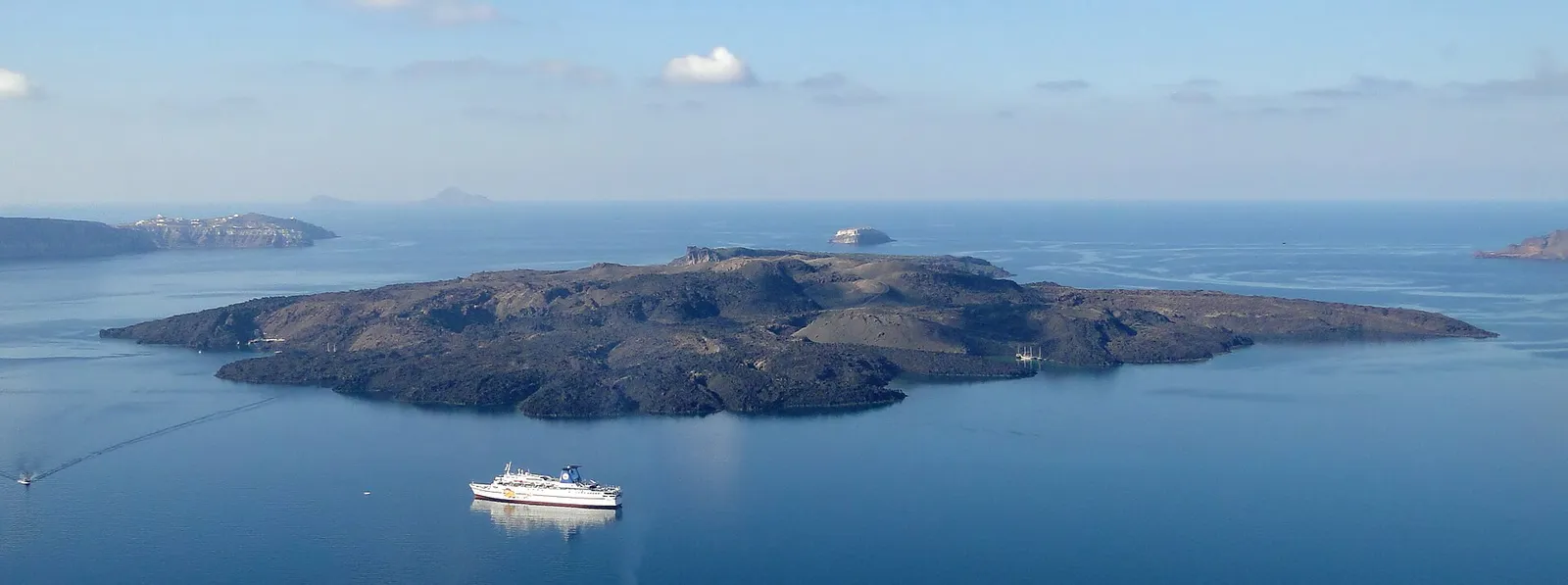
On a clear day the coast of Turkey is plainly visible across the narrow strait, and boat crossings do run between the two. Which company operates them, the schedule and what documentation a day trip requires can all change, so confirm specifics directly with a ferry operator and the relevant consulate close to your travel dates rather than planning around this in advance.
Kos rarely works as a one day stop: between the town, the coast and the hills, three unhurried days is closer to the minimum than the maximum. Anyone stringing islands together should read our guide to island hopping and ferries, which covers how the timetables actually work before a route gets locked in.