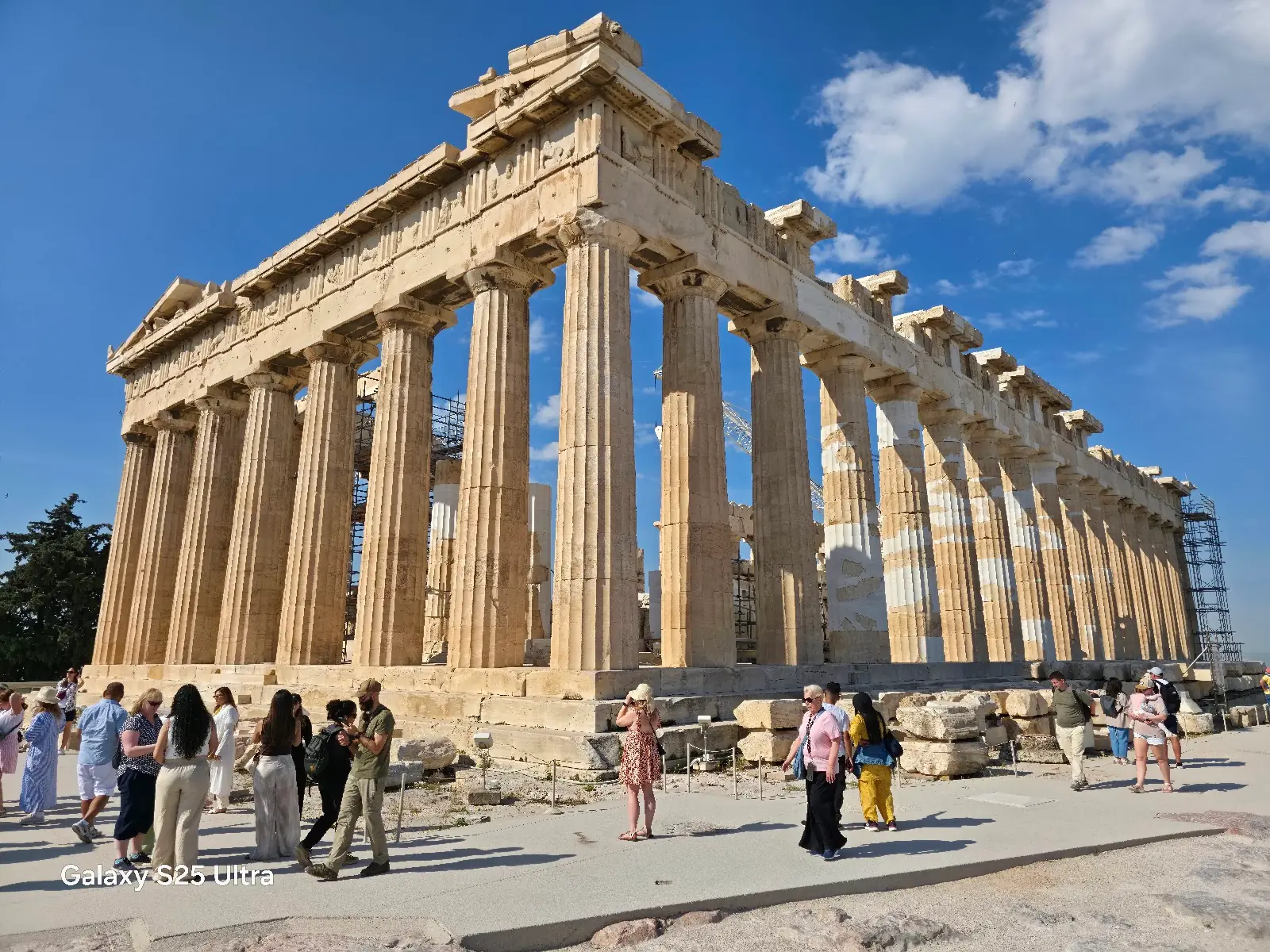
Some sights disappoint in person. The Acropolis is not one of them. Standing on the sacred rock, with the honey-coloured marble of the Parthenon glowing above the sprawl of Athens and the Aegean shimmering in the distance, you understand why this hill has anchored Western imagination for two and a half thousand years. Here is how to visit it well, and how to weave in the rest of ancient Athens around it.
The Acropolis: what you are actually seeing
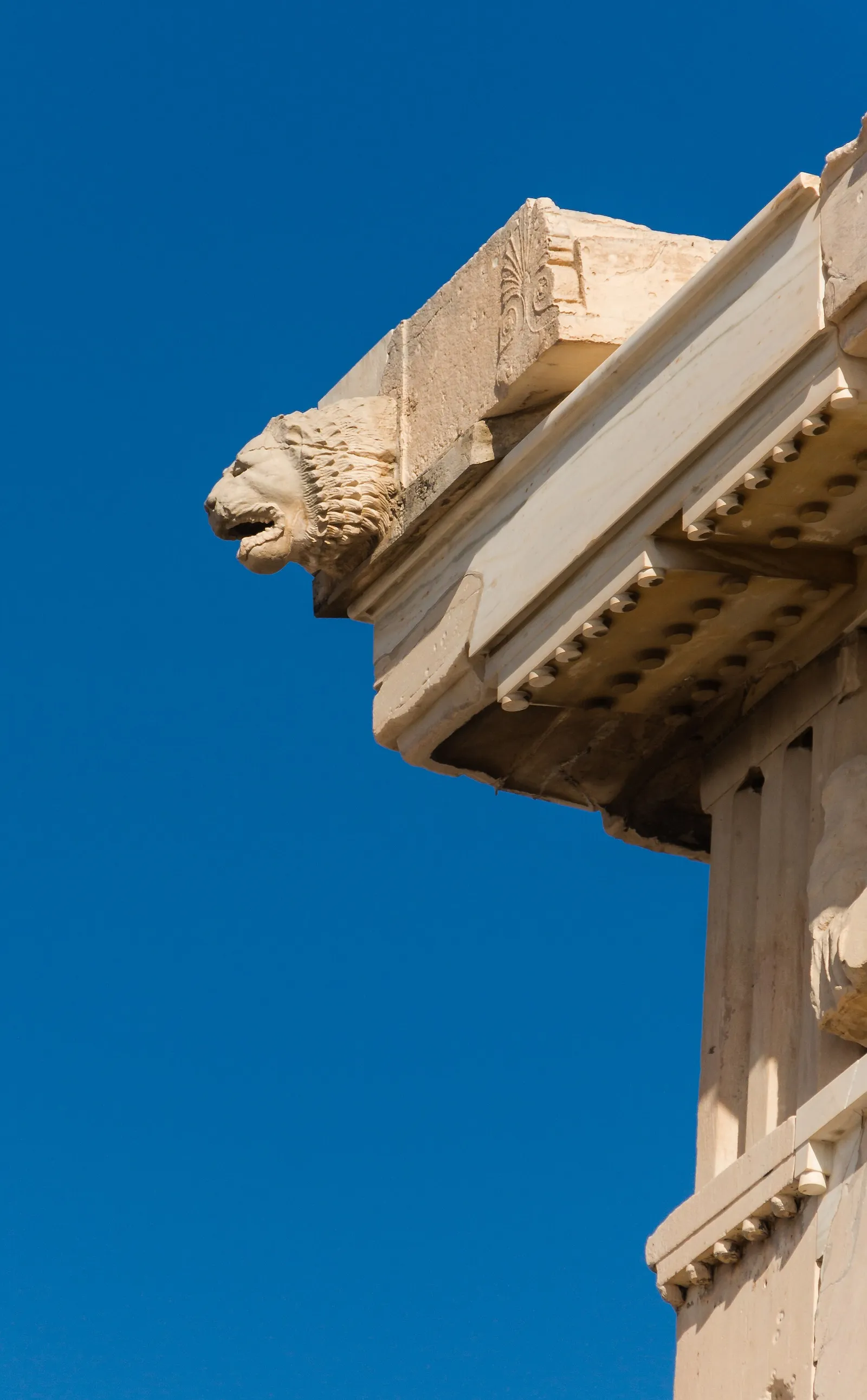
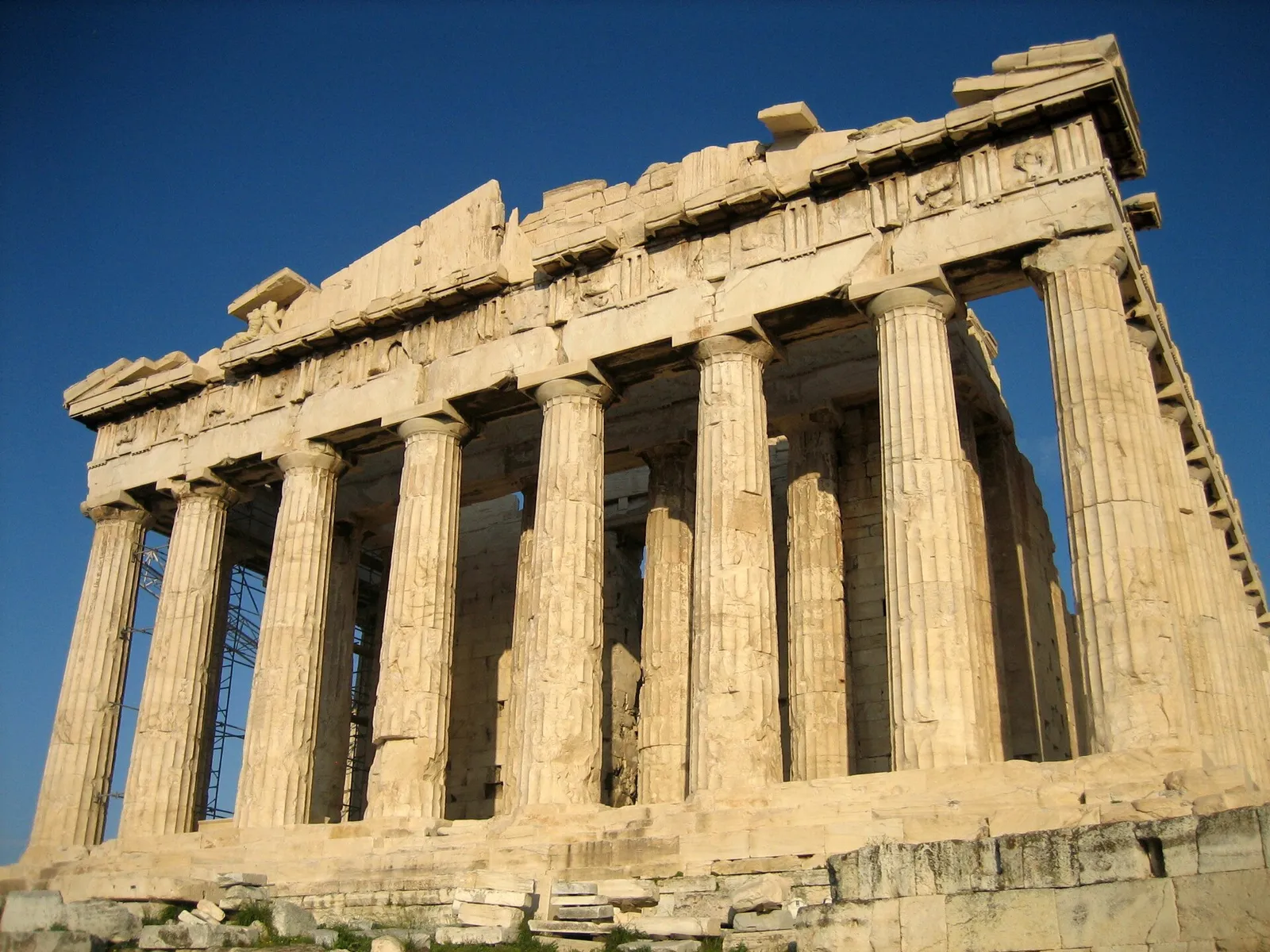
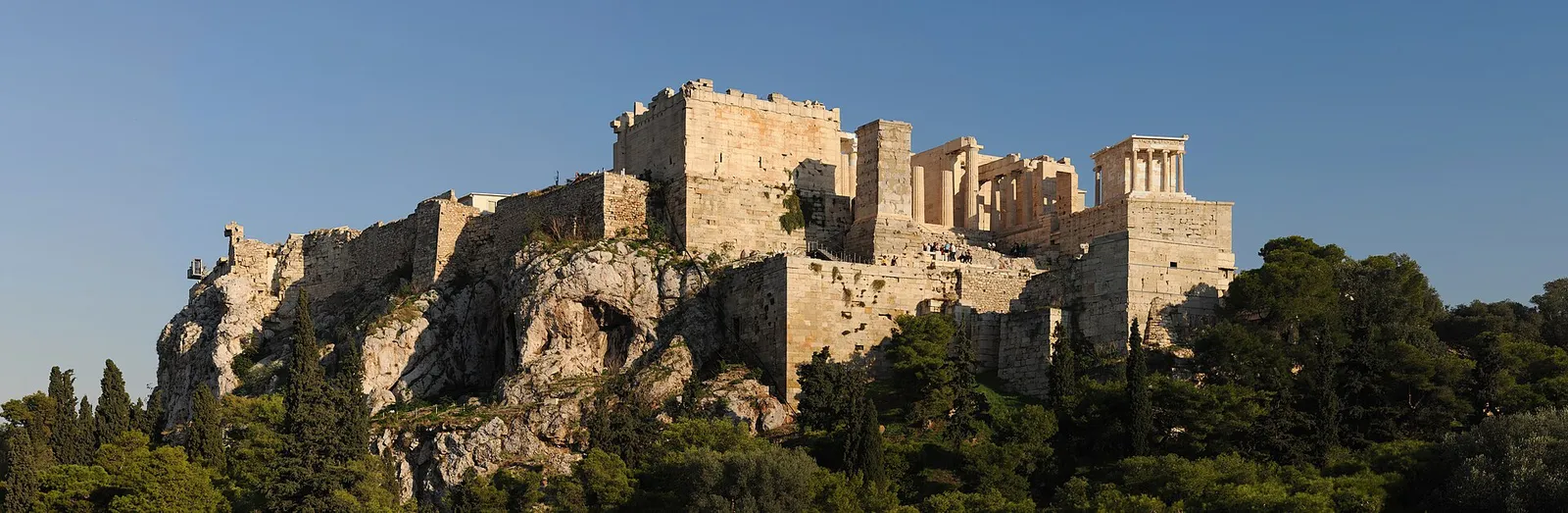
The Acropolis is the fortified hilltop that crowned ancient Athens, and its monuments are the high-water mark of classical architecture. The Parthenon, the great temple to Athena, is the star, but do not rush past the elegant Erechtheion with its porch of maiden columns, the graceful little Temple of Athena Nike, and the monumental Propylaea gateway you pass through on the way up.
Give yourself two to three hours to climb, wander and simply take in the view. There is very little shade up top, so a hat, water and sensible shoes for the smooth, slippery marble are essential.
Tickets and timing: how to do it right
Book a timed-entry ticket online ahead of time. The site runs on hourly slots with a cap on numbers, so booking lets you skip the ticket queue and, more importantly, pick a slot that dodges the worst of the heat and the crowds. Buy through the official Hellenic Ministry of Culture ticket platform rather than a lookalike reseller, and be aware that admission prices vary by season and have changed more than once recently, so check the current fare on the official site rather than trusting any number you read on a blog, this one included.
One change worth knowing about: the government combined ticket that used to bundle the Acropolis with the other main ancient sites in Athens was discontinued in April 2025. The Ancient Agora, the Roman Agora, Hadrian’s Library, Kerameikos and the Temple of Olympian Zeus are now separate admissions. Tour operators still sell multi-site passes of their own, which can save money and queueing if you plan to see several, so compare before you buy.
The golden rule on timing: go early at opening or late before closing. Midday from June to September is genuinely punishing on the exposed rock, and the tour groups peak then too. Early morning gives you soft light and space to breathe. In extreme heat the site is sometimes closed for the hottest hours of the afternoon, which is another argument for an early slot.
Getting there, and the walk up
The metro station at the foot of the hill puts you a few minutes from the south entrance and the museum, which makes public transport by far the easiest approach; driving into this part of Athens is a bad idea and parking worse.
The walk up is a steady ramp rather than a climb, but the surface is the thing to prepare for: centuries of feet have polished the marble and stone to something close to glass, and it is genuinely slippery, particularly on the way down. Shoes with grip matter more than fitness here. There is a lift on the north side for visitors who cannot manage the ramp, and it is worth confirming it is running before you rely on it.
Your Acropolis ticket also covers the south slope, including the Theatre of Dionysus, birthplace of Western drama, and the outside of the Odeon of Herodes Atticus, the Roman theatre that still hosts concerts in summer. Both are frequently walked past by visitors focused on the top.
The Ancient Agora: where daily life happened
Down the hill from the temples lies the Ancient Agora, the marketplace and civic heart of the classical city, where Socrates argued and democracy took shape. It is a green, atmospheric ruin field crowned by the remarkably intact Temple of Hephaestus, one of the best-preserved ancient temples anywhere. The small museum in the reconstructed Stoa of Attalos is a quiet gem.
The Agora gets a fraction of the Acropolis crowds and sits a short walk downhill, so it is an easy, rewarding add-on that turns marble monuments into a living city. It now needs its own ticket, bought at the gate or online, since the old all-sites combined ticket no longer exists.
Tie the ancient sites together in one walkA guided morning links the Acropolis, the Agora and the museum with the story that connects themThe Acropolis Museum: the context you need
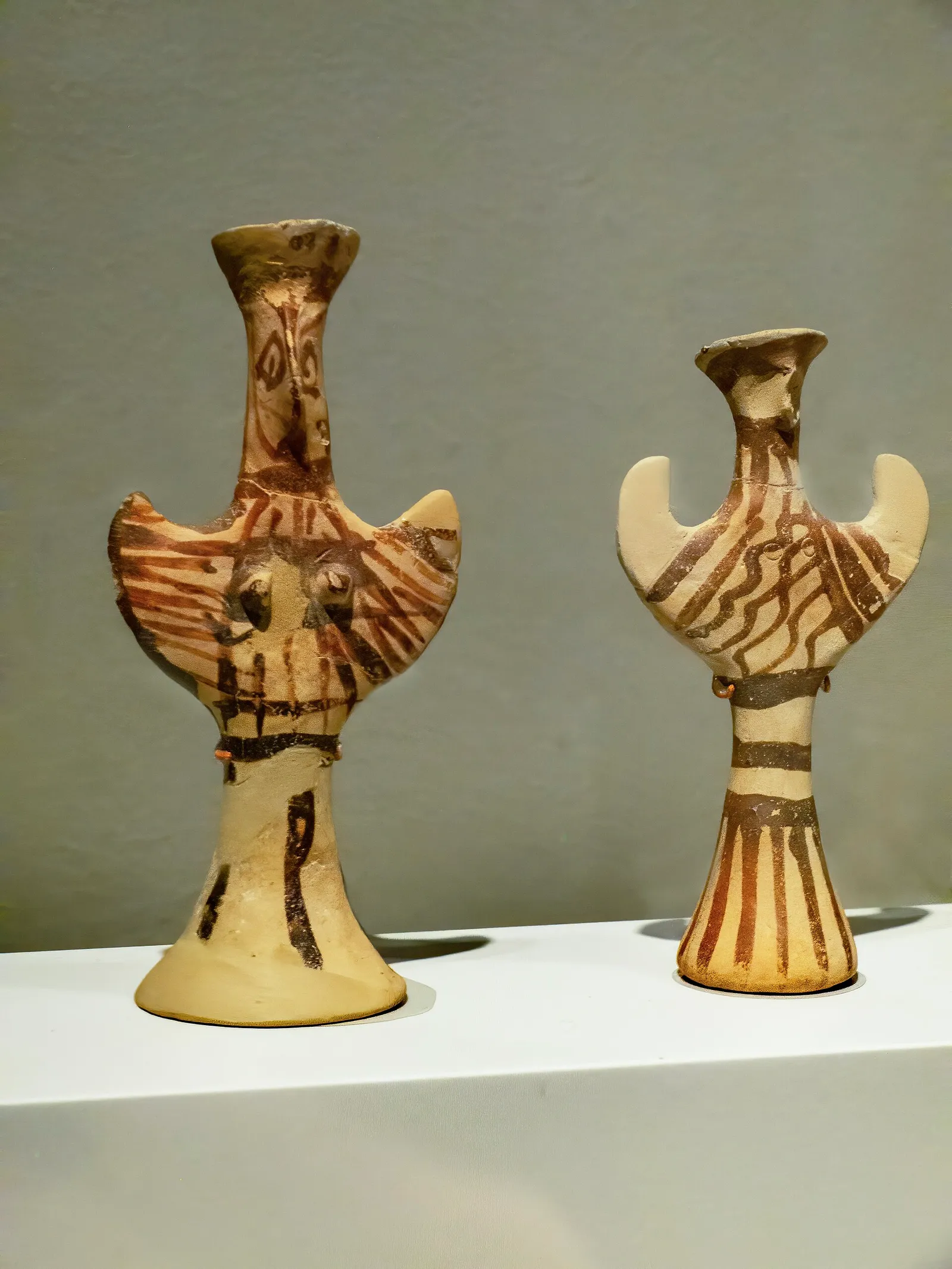
At the foot of the hill, the modern Acropolis Museum is the essential companion to the site. It houses the original sculptures and friezes brought down from the monuments for protection, displayed with glass floors over ongoing excavations. The top floor recreates the exact dimensions of the Parthenon, with the surviving marbles arranged in order and the real temple visible through the windows. Visit it after the rock, and everything you saw up there suddenly makes sense.
The other ancient Athens
Once the big three are done, four more sites reward the time, and all now need their own tickets. The Temple of Olympian Zeus, with its enormous surviving columns beside Hadrian’s Arch, is the most impressive at the least effort. Kerameikos, the ancient cemetery, is green, quiet and genuinely moving. The Roman Agora and Hadrian’s Library sit within the old town and take twenty minutes each.
Two more deserve a slot of their own. The Panathenaic Stadium, built entirely of white marble and host to the first modern Olympics, is a short walk east and lets you stand on the track. And the National Archaeological Museum, a couple of kilometres north and easily reached by metro, holds the finest collection of ancient Greek art in existence. It is not walkable from the Acropolis and it is not a filler: give it a half day.
The free views, which are the best ones
Here is a small irony worth knowing: the finest views of the Acropolis are all free. Filopappou Hill, across from the rock, gives the classic head-on panorama and is a pleasant pine-shaded walk. The Areopagus, the bare marble outcrop just below the entrance, puts you level with the Propylaea and is where everyone watches the sunset, with the serious caveat that its rock is polished to the point of danger and people fall on it regularly.
For a different angle, Lycabettus Hill is the highest point in central Athens, reached on foot or by funicular, and it looks down on the Acropolis with the whole city and the sea behind it. Go at dusk and stay for the lights coming on.
The neighbourhoods that tie it together
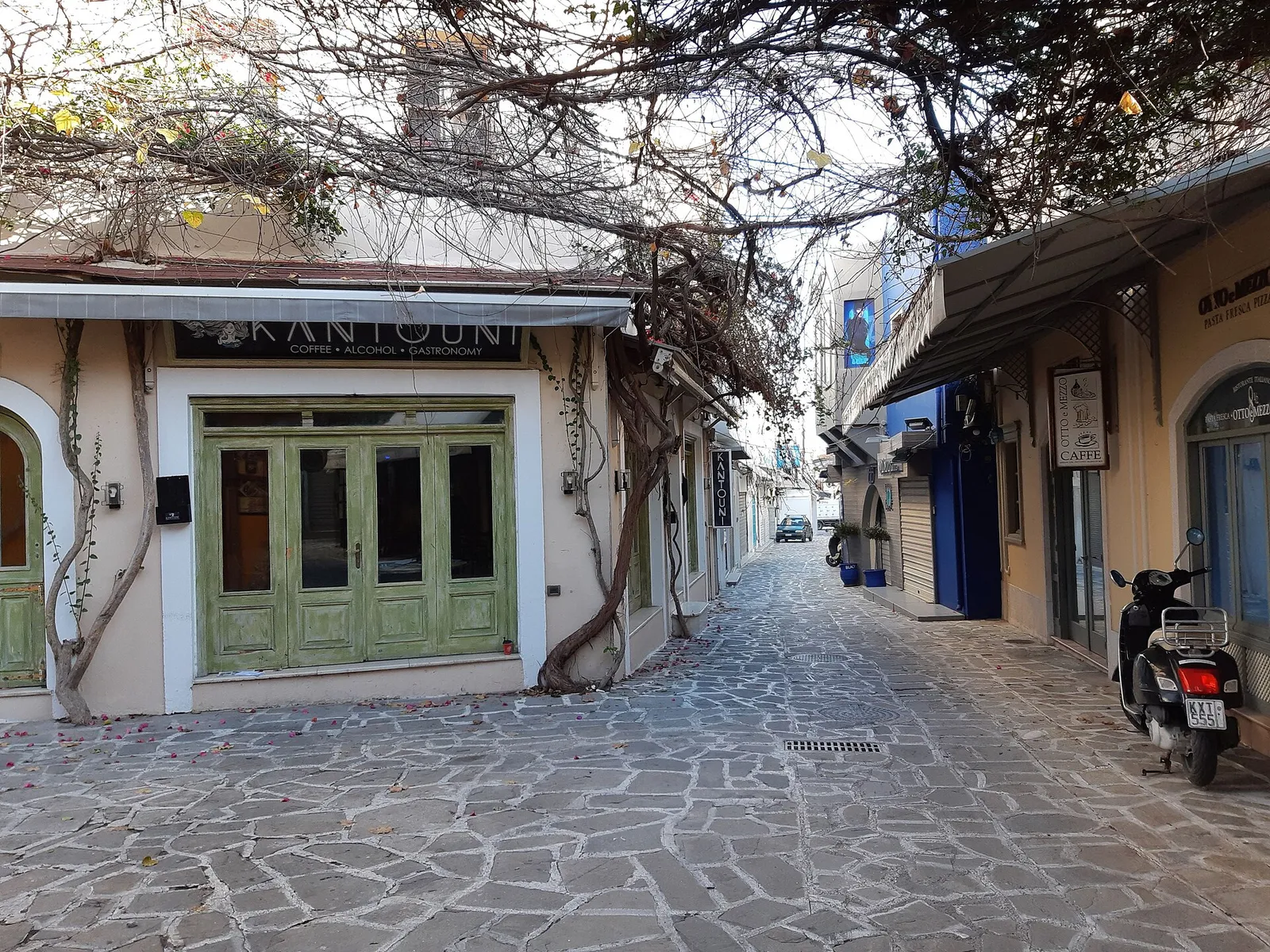
The ancient sights sit in a walkable historic core. Plaka, the old town below the Acropolis, is a charming tangle of neoclassical lanes, tavernas and shops, best explored on foot. Neighbouring Monastiraki buzzes around its flea market and has rooftop bars with head-on Acropolis views, perfect for a sunset drink. Just west, the pedestrianised promenade around Thissio gives you the finest free views of the rock, especially when it lights up at night.
Save an evening for a rooftop dinner here. Watching the floodlit Parthenon from a taverna terrace, plate of meze in front of you, is one of the great Athens experiences and the perfect end to a day among the ruins.
Athens has changed enormously in the last decade and the evening is when it shows. Our guide to Athens nightlife covers where the city actually goes after dinner, which is rarely the streets with the Acropolis view, and our two days in Athens sets out how to fit the ancient sites, the neighbourhoods and a proper evening into a short stay without turning it into a march.
Heat, shade and the practical side
The Acropolis is one of the least forgiving sights in Europe on a hot day. There is almost no shade anywhere on the rock, the marble reflects the sun back at you, and the site has been closed during the hottest afternoon hours in extreme heat. Between June and September, an early slot is not a preference but the sensible plan.
Carry more water than you expect to need, wear a hat, and treat the middle of the day as museum time rather than ruin time; the Acropolis Museum is air conditioned and is the obvious place to be at two in the afternoon. Bags are checked at the entrance, large ones are not permitted on the rock, and drones are not allowed. And pickpocketing is a real if unglamorous risk in the crowds at the entrance and on the metro from the airport, so keep bags zipped and in front of you.
Where Athens fits in a Greek trip
The old advice to treat Athens as a one-night stopover on the way to the islands has aged badly. Two full days is the honest minimum to do the ancient sites, the museums and an evening properly, and three lets the city breathe.
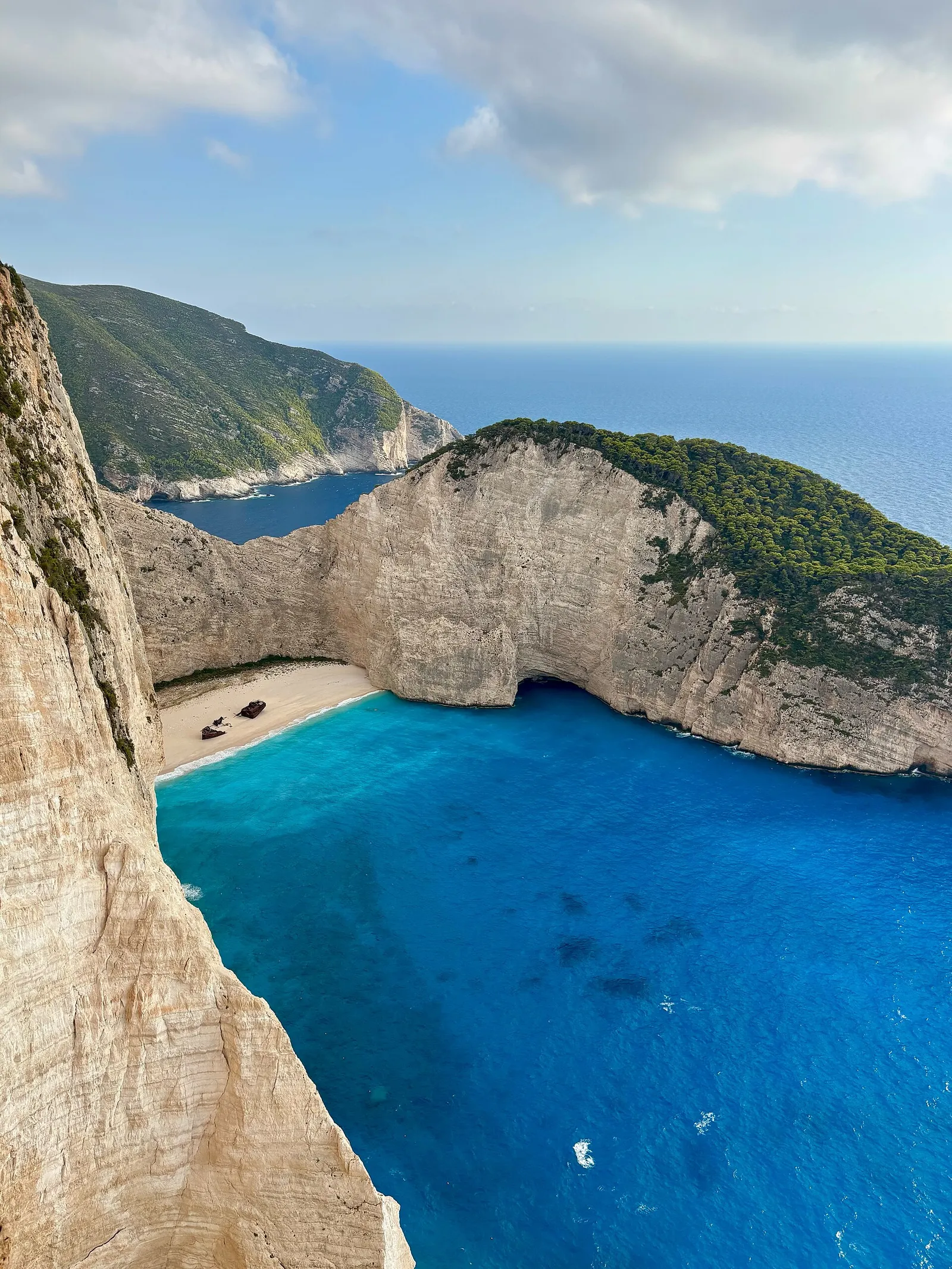
It is also closer to a beach than most visitors realise: the Athens Riviera runs south along the coast with beaches reachable by tram from the centre, which makes a swim a perfectly reasonable afternoon rather than an expedition. If the islands are the main event, our guide to the best beaches in Greece covers where to point yourself once the marble is done.
The short version
Book a timed Acropolis ticket from the official platform, go early or late, and give yourself a couple of hours on the rock for the Parthenon and its neighbours. Add the Ancient Agora on a separate ticket, then finish at the Acropolis Museum to make sense of it all. Sleep in walkable Plaka or Monastiraki, and toast the trip with a rooftop dinner under the floodlit temple. Do that, and Athens will be far more than a stopover on the way to the islands.