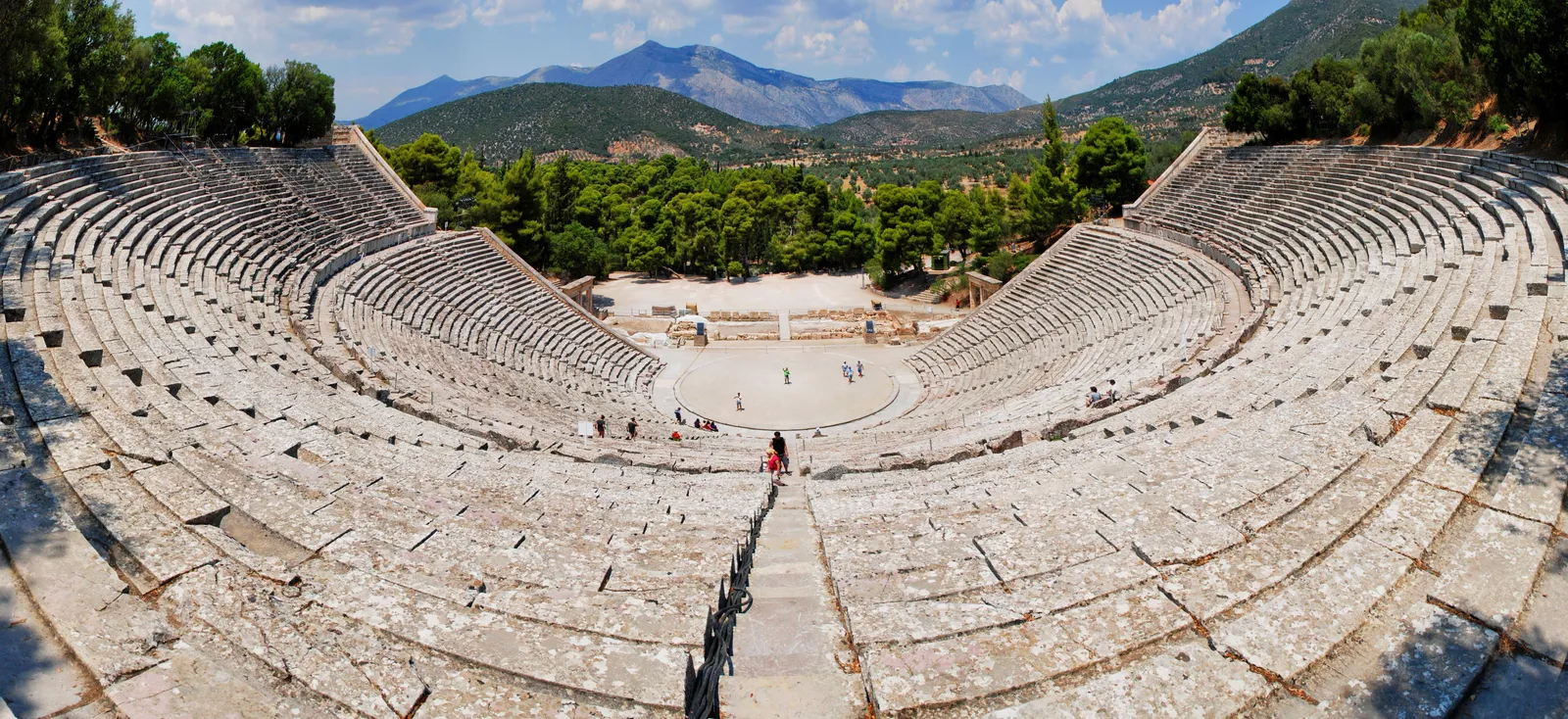
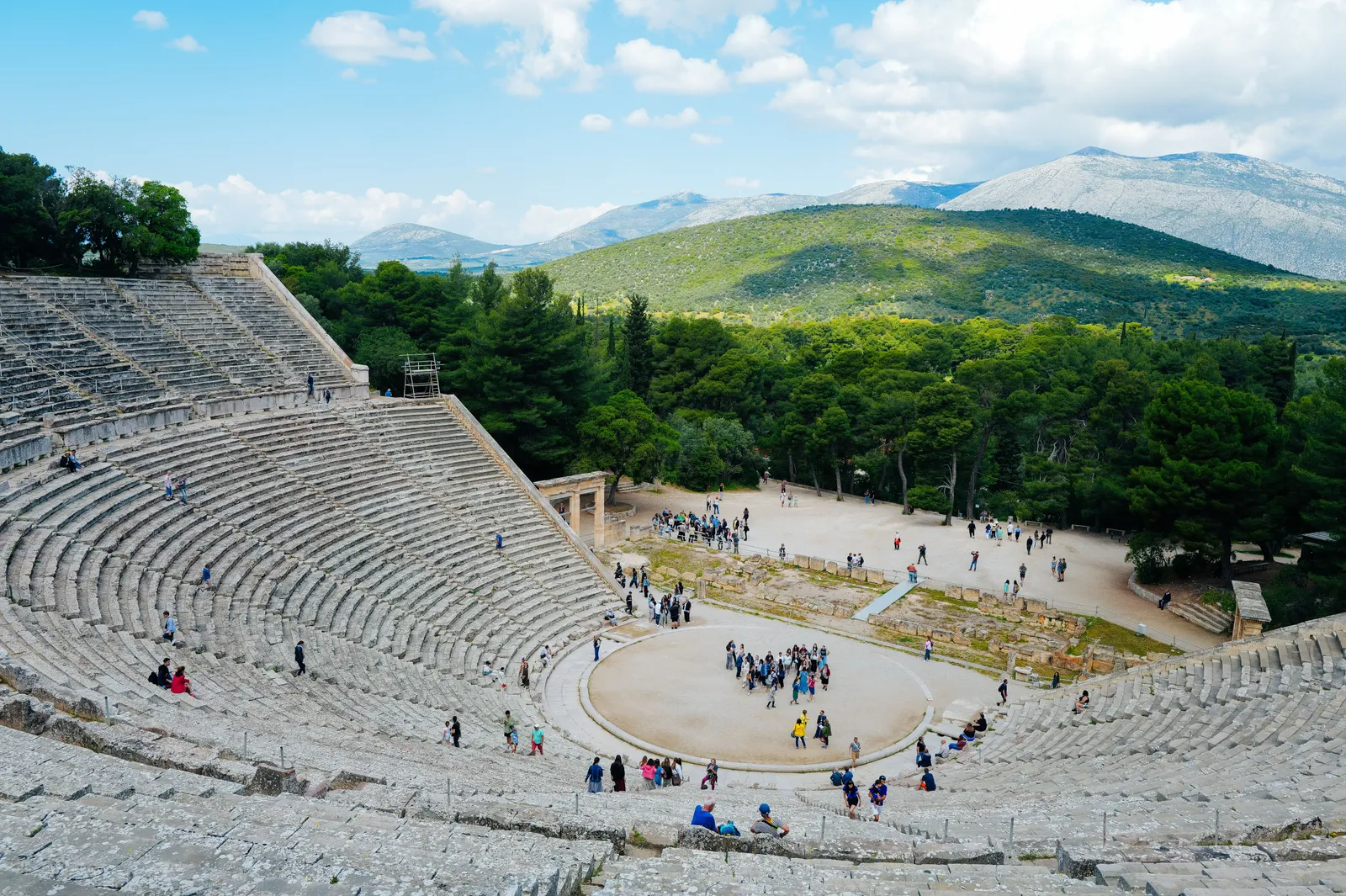
Most people who visit the ancient theatre of Epidaurus do the same thing within about ten minutes of arriving. They walk down to the round stone floor at the bottom, called the orchestra, and someone in their group climbs to the very top row while another stays below and speaks quietly, almost at a whisper. It works. The voice carries. If you are planning a wider loop through the Peloponnese, this is usually paired with a night in Nafplio or a longer swing that also takes in Delphi, and it earns its place on both.
Why the acoustics are so good
The theatre was designed and built in the fourth century BC, and it seats somewhere in the region of fourteen thousand people across fifty five rows of stone benches arranged in a wide semicircle. What makes it remarkable is not the size but the precision. Architects and acousticians have studied it for decades, and while the full explanation involves the geometry of the seating rows and the way they filter out low frequency background noise, the effect for a visitor is simple enough to describe: a normal speaking voice at the centre of the orchestra reaches the back row clearly, and even something as small as a coin dropped on the stone floor is often audible from the highest seats.
There is no trick to trying this yourself. Walk down to the orchestra, wait for a quiet moment between tour groups, and speak at a normal or slightly lowered volume while someone else sits at the top. It is the single thing almost everyone remembers from the visit.
The wider sanctuary of Asclepius
The theatre is the reason most people come, but it sits inside a much larger site that was one of the most important religious and medical centres of the ancient Greek world. This was the sanctuary of Asclepius, the god of healing, and the ancient Greeks travelled here from across the region seeking treatment, part medical and part spiritual, in a complex that included dormitories for the sick, a gymnasium, baths and a stadium for athletic competitions held in the god’s honour.
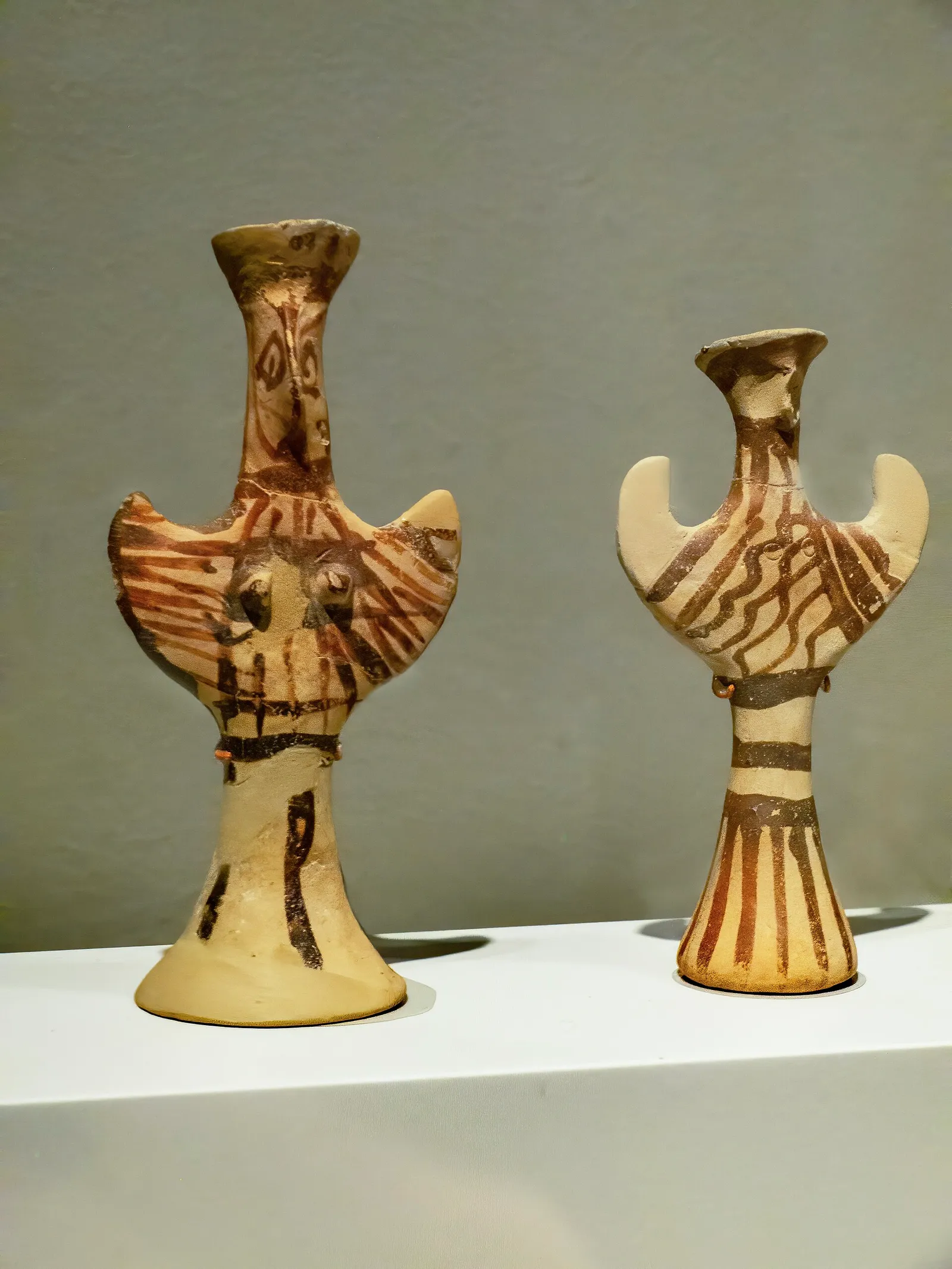
Most of these structures survive only as low foundations and column bases, which makes them easy to walk past quickly. It is worth slowing down, particularly at the small on-site museum, which holds surgical instruments, inscribed accounts of treatments and votive offerings left by grateful patients. Together they give a much fuller picture of the site than the theatre alone, and they explain why Epidaurus was considered sacred ground long before anyone built a theatre on it.
The Epidaurus Festival
Since the mid twentieth century, the theatre has hosted a summer festival of ancient Greek drama, staged in the same space the plays were originally written for. It runs as part of the wider Athens Epidaurus Festival, usually across the warmer months, with productions ranging from classical tragedy and comedy to more contemporary interpretations, often performed in Greek.
The programme, dates and ticketing arrangements change from year to year, so check the official festival website before you plan a trip around a specific performance rather than assuming it will match what happened previously. If your dates line up, seeing a play performed in the actual theatre, as the light fades and the stone seats fill, is a genuinely different way to experience the site compared with a daytime visit alone.
Prefer someone else to handle the driving?A guided day tour from Athens or Nafplio covers Epidaurus without the logistics of a hire carGetting there and combining it with Nafplio
There is no train to Epidaurus and no realistic way to reach it on foot from anywhere useful, so a car, taxi or organised tour is the only practical option. From Athens, the drive takes around two and a half hours through the Peloponnese, broadly the same route used for Nafplio and Mycenae. From Nafplio itself, where many visitors choose to base themselves, Epidaurus is closer, roughly thirty to forty minutes by road, which makes it an easy half day out rather than a full expedition.
| Starting point | Approximate drive time | Notes |
|---|---|---|
| Athens | Around two and a half hours | Same general route as Nafplio and Mycenae |
| Nafplio | Roughly thirty to forty minutes | The most common base for an Epidaurus visit |
| Mycenae | Around forty five minutes to an hour | Doable as a third stop on a full Peloponnese day |
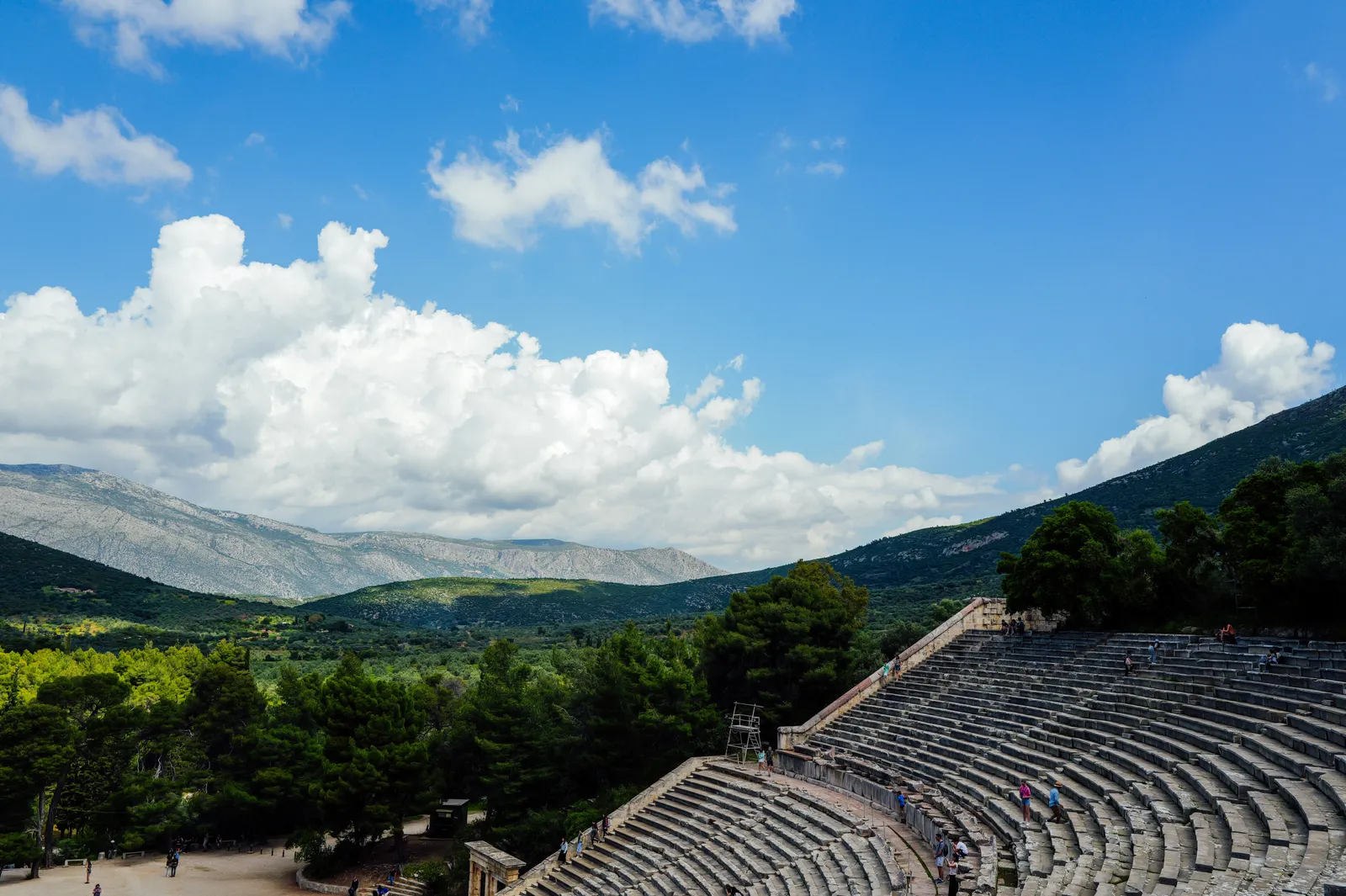
Because of the distances involved, most people treat Epidaurus as one stop on a longer loop rather than a destination in its own right. A common pattern is Mycenae in the cooler part of the morning, Epidaurus around midday, and then Nafplio for the evening, though the order can be reversed depending on which sunrise or sunset you would rather catch.
Practical details worth knowing before you go
There is an entrance fee, payable at the gate, and it is worth checking current pricing and opening hours on the official Greek culture ministry site before travelling, since both can change seasonally. The site is largely uncovered stone, which means limited shade and uneven surfaces in places, so comfortable closed shoes are a better choice than sandals if you plan to explore beyond the theatre itself. There is a small cafe and shop near the entrance but little else nearby, so this is not a place to plan a long lunch stop unless you are continuing on to Nafplio afterwards, where the day trips from Athens guide covers how to string these stops together into a single sensible route.
For most visitors, an hour at the theatre itself, testing the acoustics and taking in the scale of the seating, plus another half hour or so at the museum and wider sanctuary, is enough to do the site justice without turning it into the whole day. Whatever else you build around it, do not skip the walk down into the orchestra. It is a strange thing to be reminded that a piece of engineering this old still works exactly as intended.