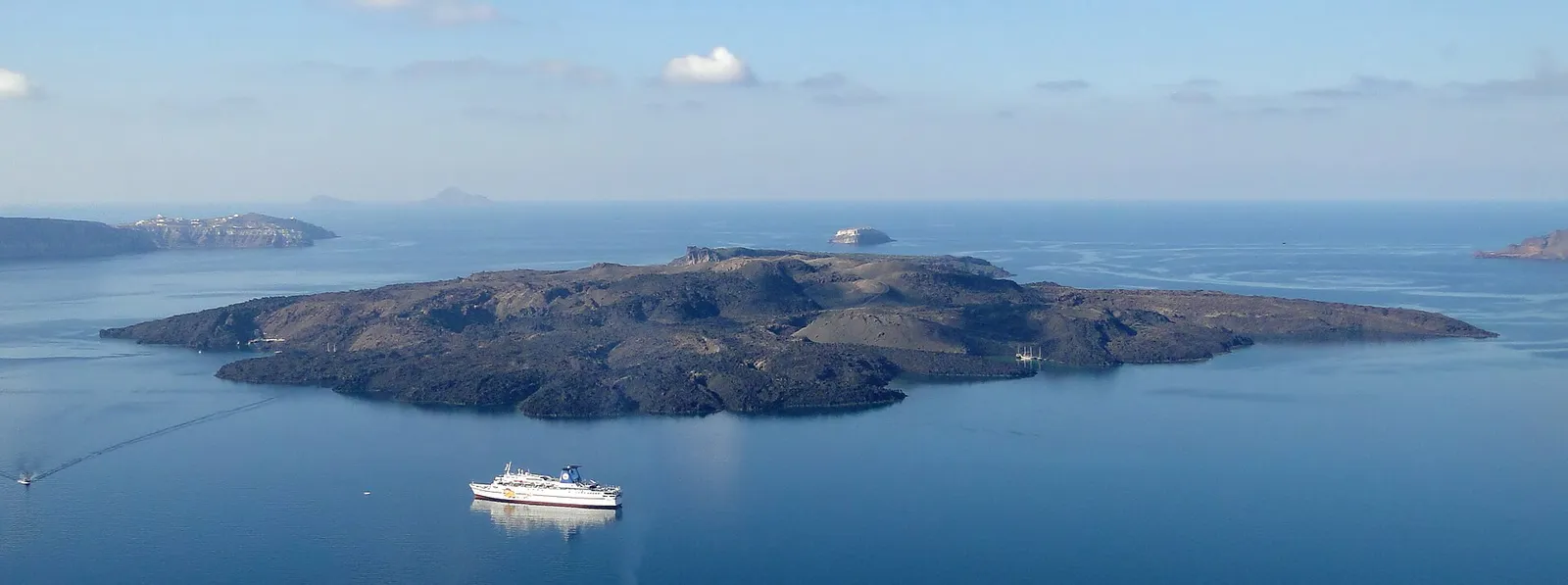
There are more than two hundred inhabited Greek islands, and the honest reason most people end up on Santorini or Mykonos is that choosing between the rest is exhausting. It does not have to be. The islands sort into a handful of groups with genuinely different characters, and once you know which group you want, the decision goes from two hundred options to about four. Here is how to narrow it down, and which mismatches to avoid.
Start with the group, not the island
This is the single most useful thing to understand, because the groups differ far more than the islands within them.
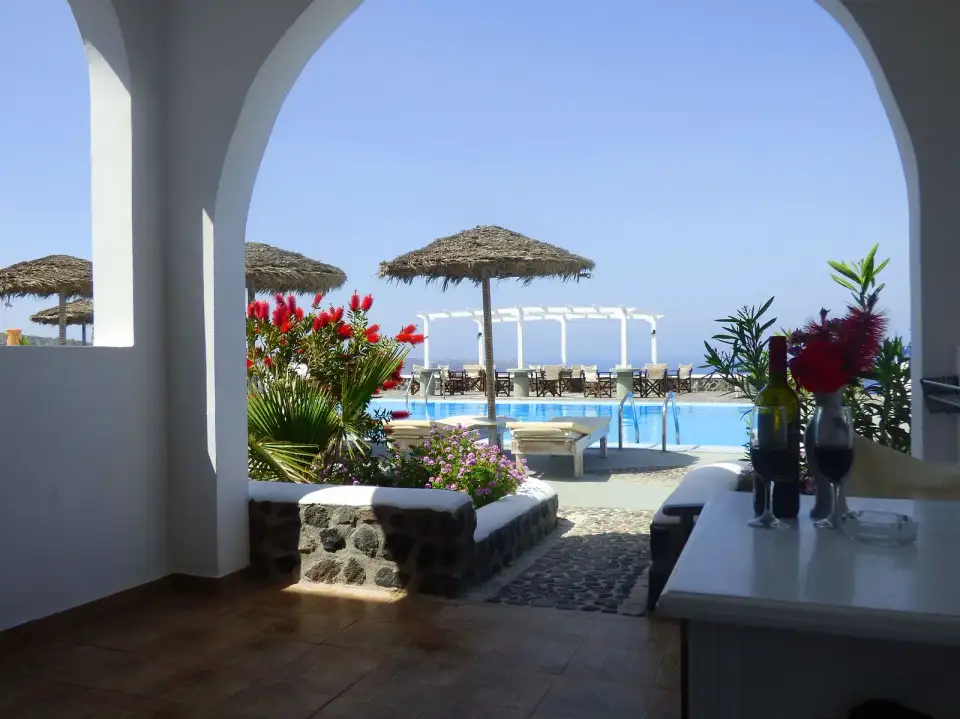
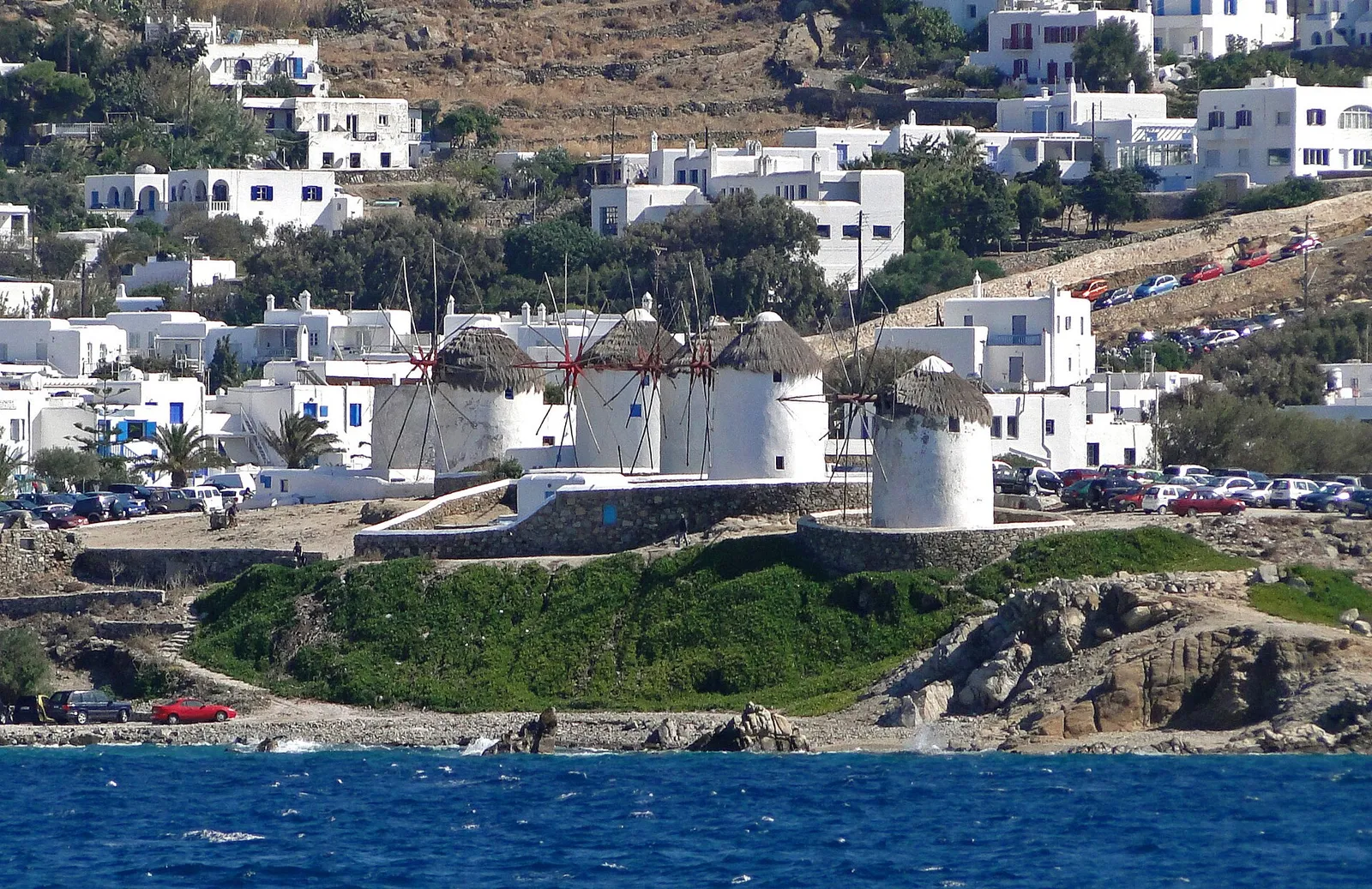
The Cyclades are the postcard: whitewashed cubic houses, blue domes, bare rock, brilliant light. Santorini, Mykonos, Naxos, Paros, Milos, Ios. This is what most people picture and it is the busiest group.
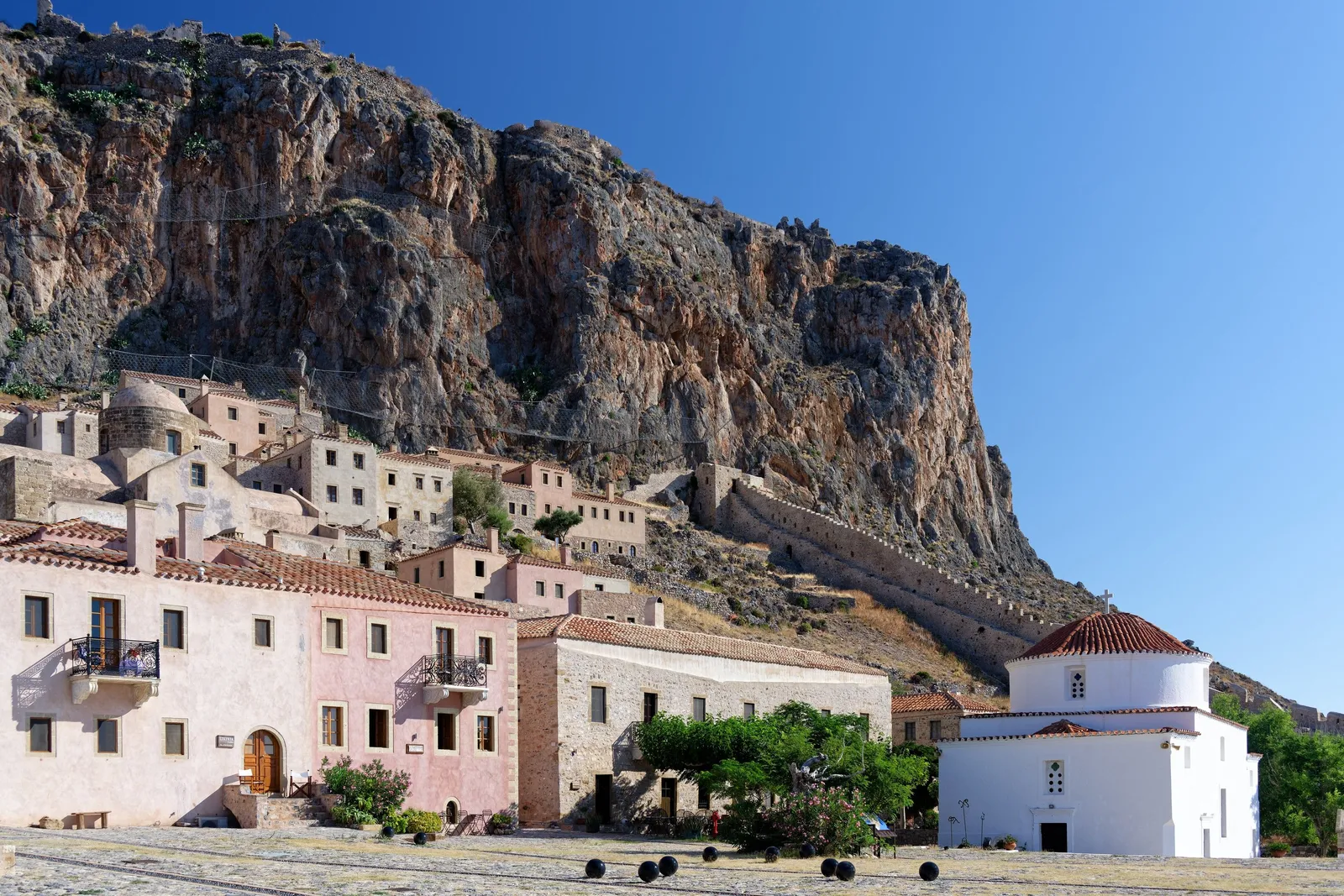
The Dodecanese, along the Turkish coast, mix Greek island life with Ottoman and Italian layers. Rhodes, Kos, Symi, Patmos. Bigger historic towns, longer seasons, a different architecture entirely.
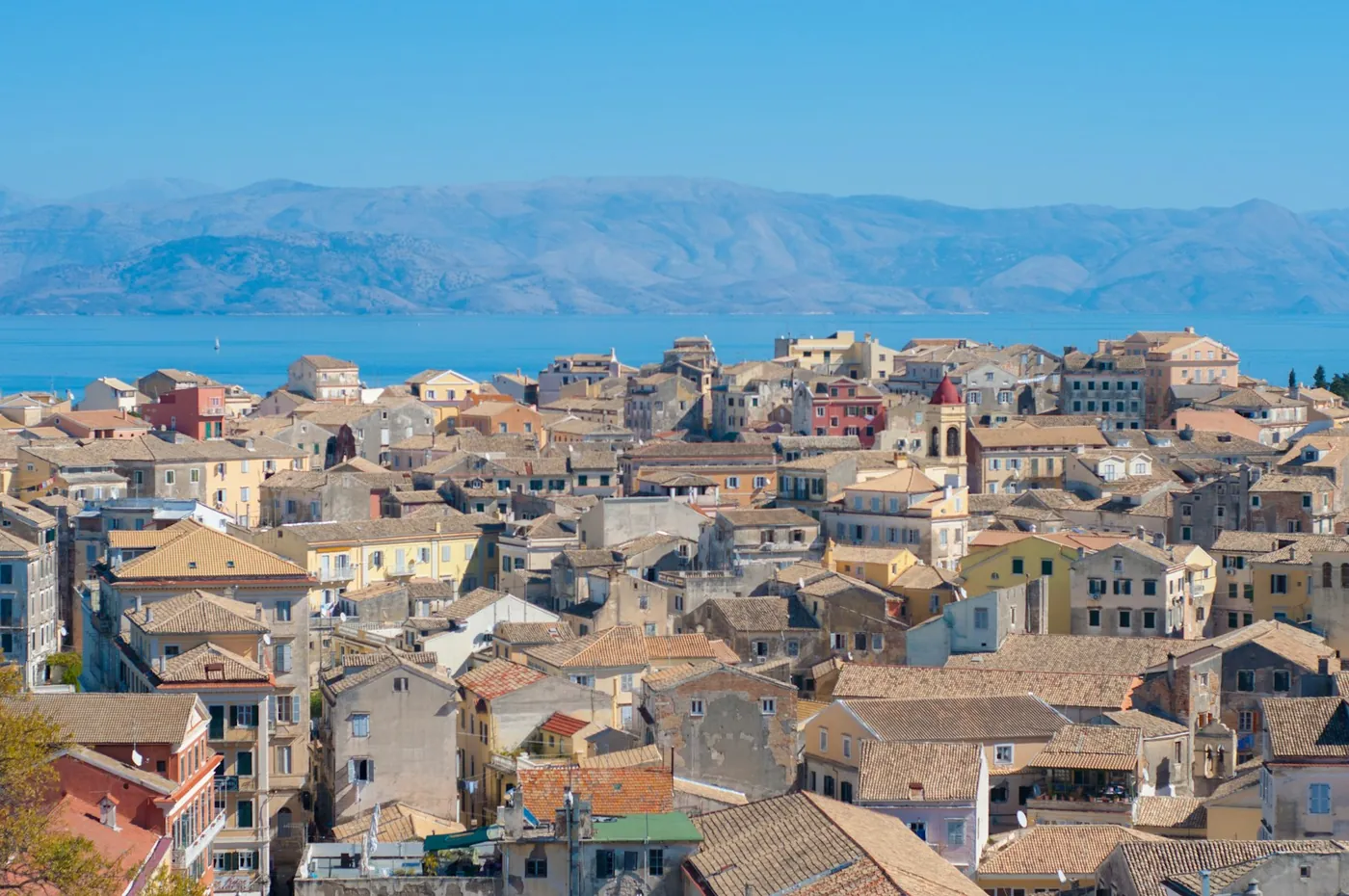
The Ionians, on the western side, are green, lush and Venetian in feel, with a wetter climate and a completely different building tradition. Corfu, Kefalonia, Zakynthos, Lefkada.
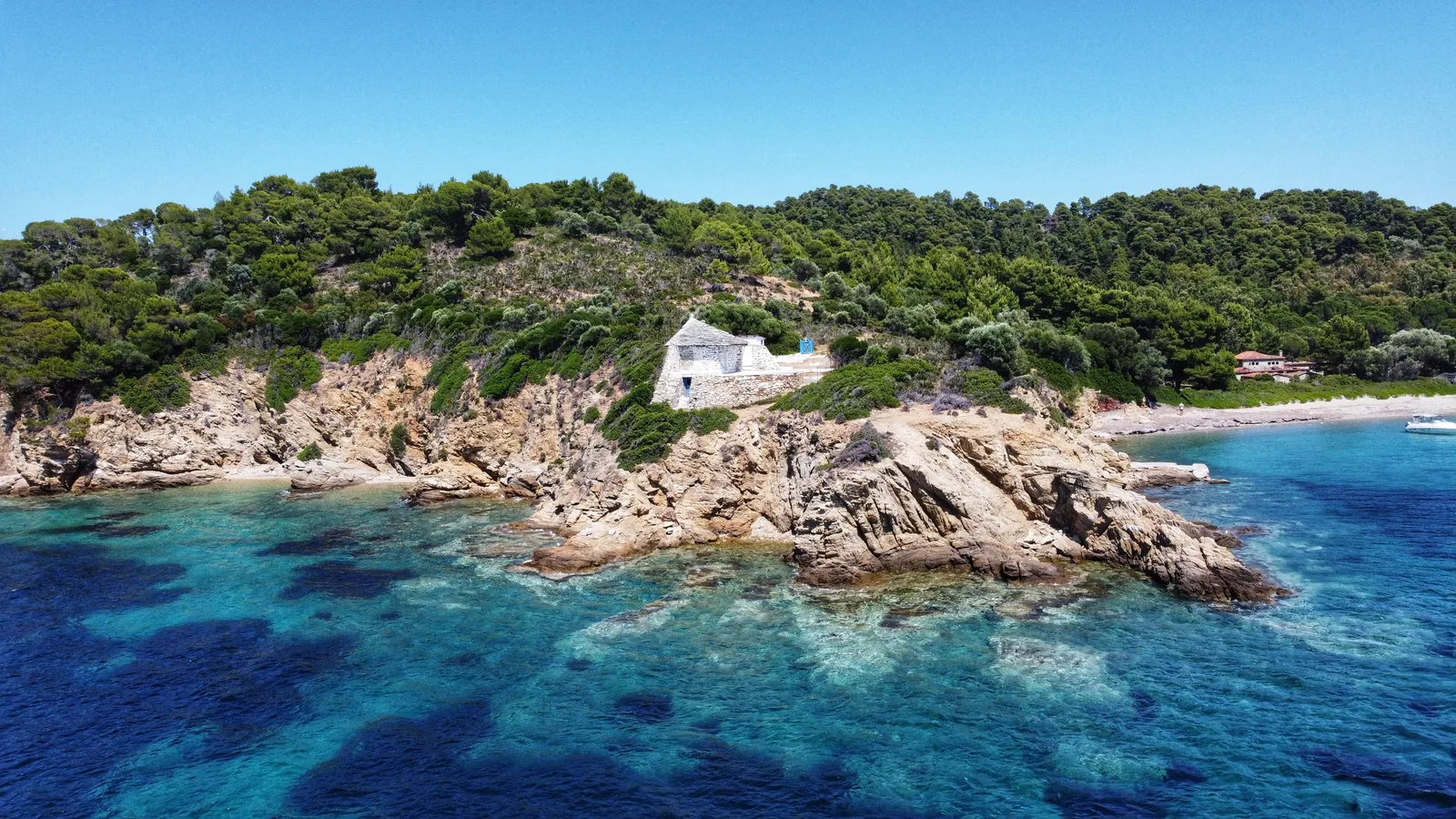
The Sporades, north of Athens, are pine-covered and low-key, with some of the clearest water in Greece. Skiathos, Skopelos, Alonissos.
The North Aegean islands are the least visited by foreign tourists, which is exactly their appeal. Lesbos, Chios, Samos, Ikaria.
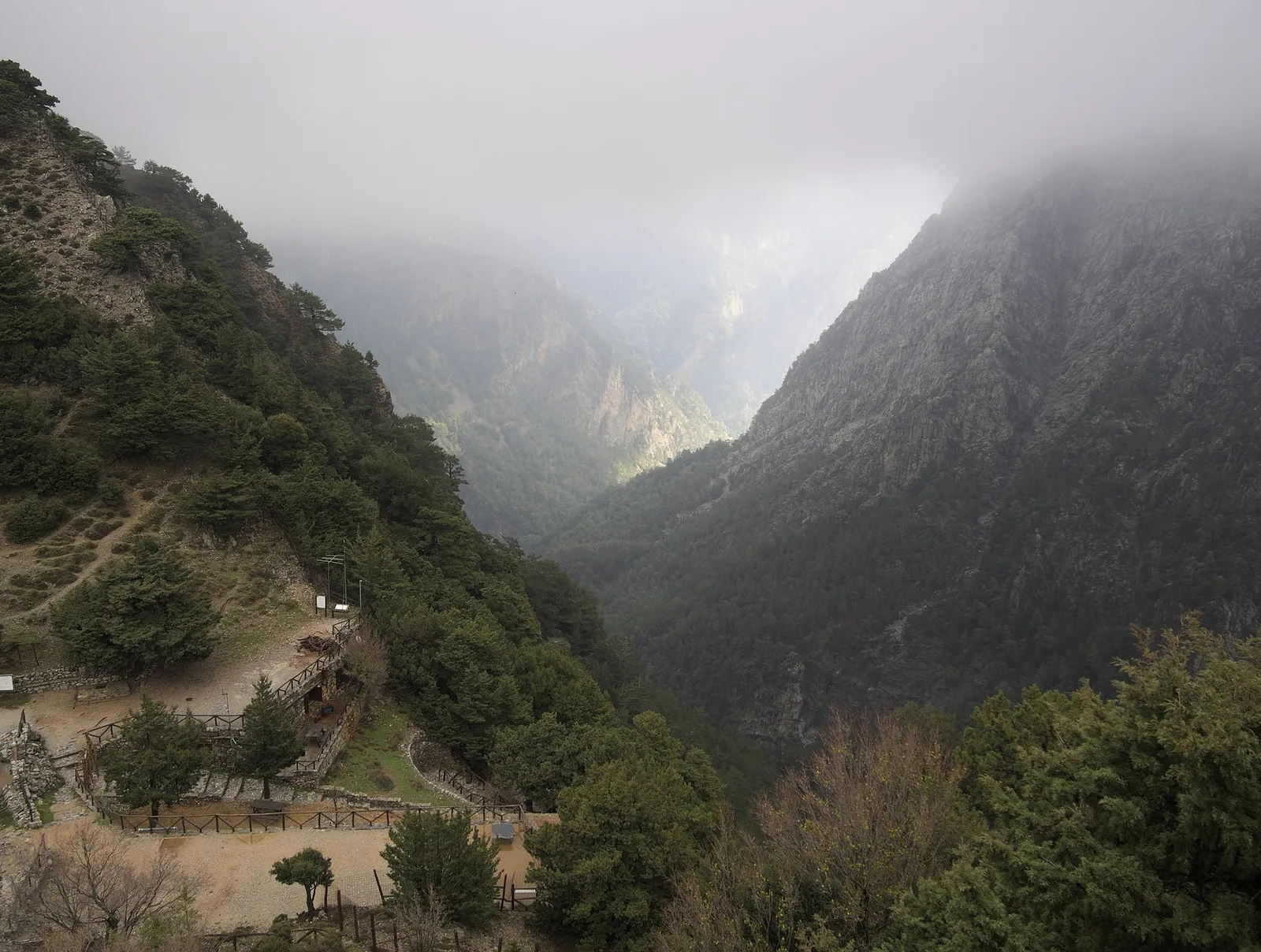
Crete is not really an island group question. It is large enough to be a destination in its own right, with mountains, gorges, a serious food culture, four thousand years of history and beaches at both ends.
Pick a group by the feeling you want, and the shortlist inside it is short.
Match the island to the trip
| You want | Look at | Why |
|---|---|---|
| First visit, a bit of everything | Naxos, Paros | Beaches, a real town, village life, good ferries |
| One island for the whole trip | Crete, Rhodes | Big enough to keep surprising you |
| Beaches above all | Naxos, Milos, Lefkada | Sand rather than volcanic pebble |
| The famous view | Santorini | The caldera is genuinely unmatched |
| Nightlife | Mykonos, Ios | Built for it, priced accordingly |
| Walking and green | Crete, Kefalonia, Andros | Gorges, hills, actual trails |
| Quiet and traditional | Sifnos, Folegandros, Ikaria | Fewer visitors, real village rhythm |
| Families | Naxos, Paros, Crete | Shallow sand, short distances, facilities |
| History beyond ruins | Rhodes, Chios, Patmos | Medieval and Ottoman layers |
The two islands everyone has heard of are at the top of the fame list and near the bottom of the representative list, which is not a reason to avoid them but is a reason to know what you are booking. Our comparison of Mykonos and Santorini takes that decision seriously, because for a lot of visitors it is the only island decision they will make.
The logistics that quietly decide it
Choosing an island is half a question of taste and half a question of ferries, and most people discover the second half after booking.
Everything routes through the mainland. Most crossings run out of the ports near Athens, and moving between island groups usually means going back through one of them. Cyclades to Ionians is not a hop, it is a redesign of your trip.
Islands within a group are connected, unevenly. Two islands that look adjacent may have three sailings a week rather than three a day, particularly outside July and August.
Wind cancels sailings. The meltemi blows through the Cyclades in summer and takes ferries out of service at short notice. It is the reason the rule about never booking a crossing on your flight day exists.
Flights change the maths. Crete, Rhodes, Corfu, Santorini, Mykonos, Kefalonia and others have airports, which makes a one-island trip far easier and a multi-island trip more expensive.
Our guide to island hopping and ferries covers how the network actually works, what to book ahead and what a realistic hop costs in time. Read it before you fix an itinerary, not after.
Season changes the answer
The same island in June and in August is two different places, and in February it may be closed.
Late May to June is the sweet spot: warm enough to swim, everything open, prices below peak and the islands still catching their breath.
July and August bring the heat, the crowds, the highest prices and the meltemi. This is when Greeks themselves holiday, which is fun and busy in equal measure.
September is the connoisseur’s month. The sea is at its warmest after a whole summer of heating, the light softens, and the crowds thin from the middle of the month.
October still works on the bigger islands and starts closing down on the small ones.
Winter is genuinely closed on many small islands, with hotels, restaurants and even some ferry routes shut until spring. Crete, Rhodes and Corfu keep functioning year-round because they have real populations.
That seasonality is the strongest argument for the bigger islands if your dates are outside the summer, and for the small ones if they are inside it.
The islands worth knowing by name
Beyond the famous two, a handful of islands come up again and again from people who have been more than once.
Naxos is the most recommended all-rounder in the Cyclades: the longest sandy beaches in the group, a proper working town, mountain villages that still farm, and enough ferries to be easy. If you asked one question and wanted one answer, this is usually it.
Paros is its livelier neighbour, with a beautiful port town, a good food scene and better nightlife, and it connects onward to the smaller islands.
Milos is the one people rave about now, for a coastline of extraordinary volcanic rock formations and dozens of small distinct beaches, reached by boat as much as by road.
Sifnos and Folegandros are the quiet Cycladic choices, the first known for its food and pottery, the second for a clifftop town that feels like Santorini did decades ago.
Crete deserves repeating because it solves a different problem: it is large enough for a two-week trip without a single ferry, with mountains, gorges, a serious culinary identity and beaches at both ends.
Rhodes does the same job in the Dodecanese, with a walled medieval city that has no equivalent in the Aegean.
Ikaria and Chios are the outliers, the least touristed and the most local, and both reward travellers who want a place rather than a resort.
The mismatches worth avoiding
Almost every disappointed Greek island story is one of these five.
Santorini for a beach holiday. The beaches are volcanic sand and pebble, the swimming is fine rather than special, and the island’s genius is the caldera and the light. Go for that.
Mykonos for a quiet week. It is a superbly organised party island with beautiful beaches and prices to match. It is not where you go to read a book.
A tiny island for three nights. With one ferry every other day, you will spend more of the trip travelling than being there.
August without booking. The islands are full, the good rooms went in March, and the ferries sell out.
Ionians expecting Cyclades. Corfu and its neighbours are green, Venetian and quite different from the white-and-blue image, which is a wonderful surprise if you expected it and a disappointment if you did not. Our Corfu guide covers what that group actually looks like.
How to actually decide, in four questions
How long do you have? Under a week means one island. A fortnight means two or three.
Beach, view or walking? Sand points to Naxos and the Ionians, the caldera points to Santorini, trails point to Crete and the bigger green islands.
Who is with you? Families want sand and short distances. Couples often want a view and a good dinner. Groups want a town with life in it.
When are you going? Outside summer, choose an island big enough to stay open.
Answer those four and you will have narrowed two hundred islands to two or three, which is a decision rather than a research project.
The short version
Choose the group before the island: Cyclades for the postcard, Ionians for green and Venetian, Dodecanese for history, Crete for a whole country in one place. Naxos and Paros are the best all-round first choices, Santorini is for the caldera rather than the beach, and Mykonos is for the nightlife it is famous for. Book fewer islands than you think, check the ferry frequency before the hotel, and travel in June or September if you possibly can.
If your answer is “somewhere quieter than the famous two”, the Cyclades still have that. Our five days in the quieter Cyclades pairs Milos and Naxos, which are as different from each other as either is from Santorini.
One island group rarely makes these comparisons and deserves to, because it looks nothing like the Cyclades: pine forest running down to the sand, in the western Aegean. Our guide to Skiathos and the Sporades sets out how the three main islands differ and how to reach them.