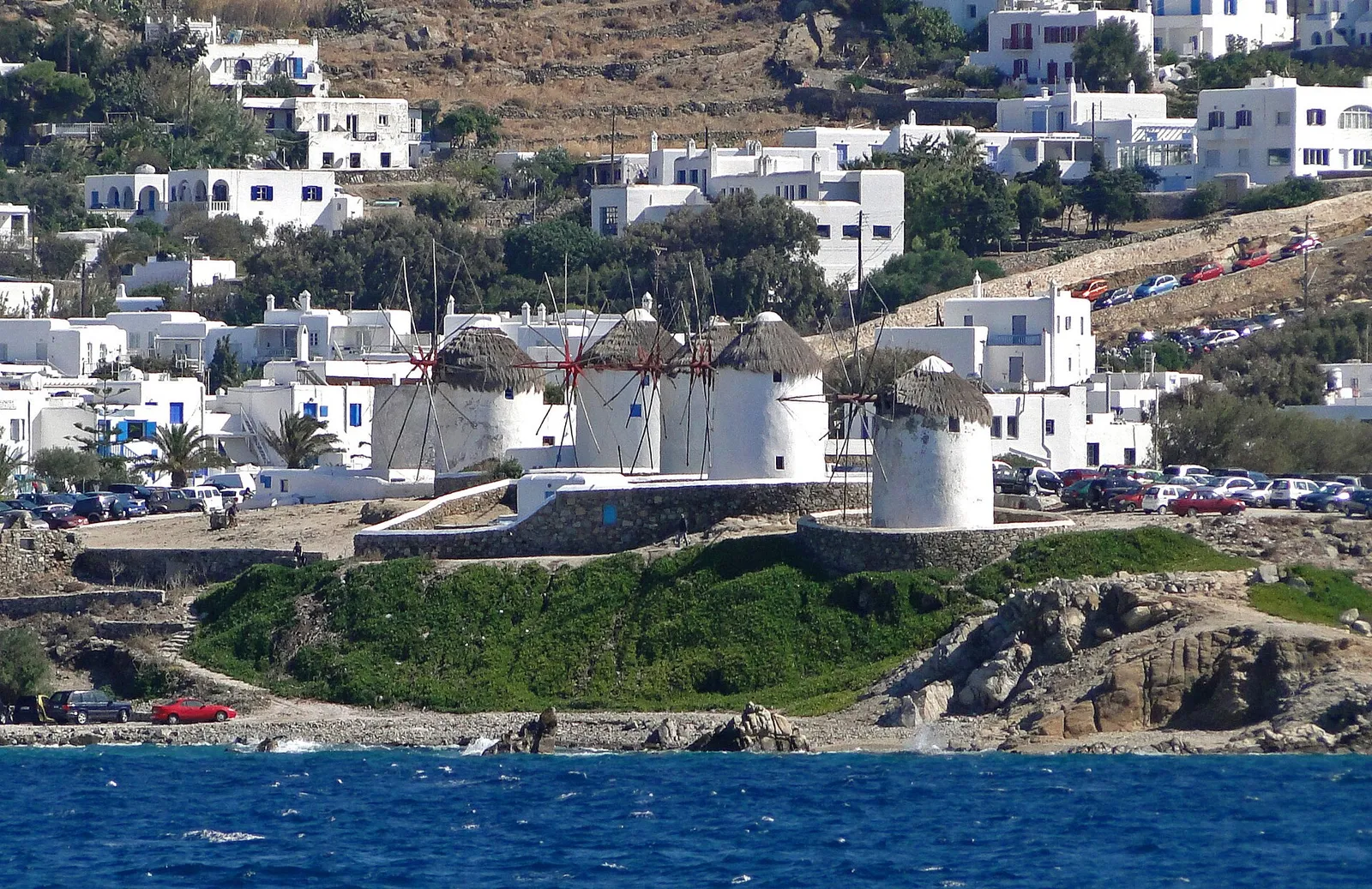
Mykonos or Santorini is the question every first-time Greece planner ends up typing, usually at midnight, usually with tabs full of identical white villages. Here is the secret: the islands look like cousins and behave like opposites. One is a beach and party machine, the other a landscape with hotels attached. Choose by the trip you want, and you cannot go wrong; choose by Instagram alone, and you might. Let us settle it properly.
What Mykonos actually is
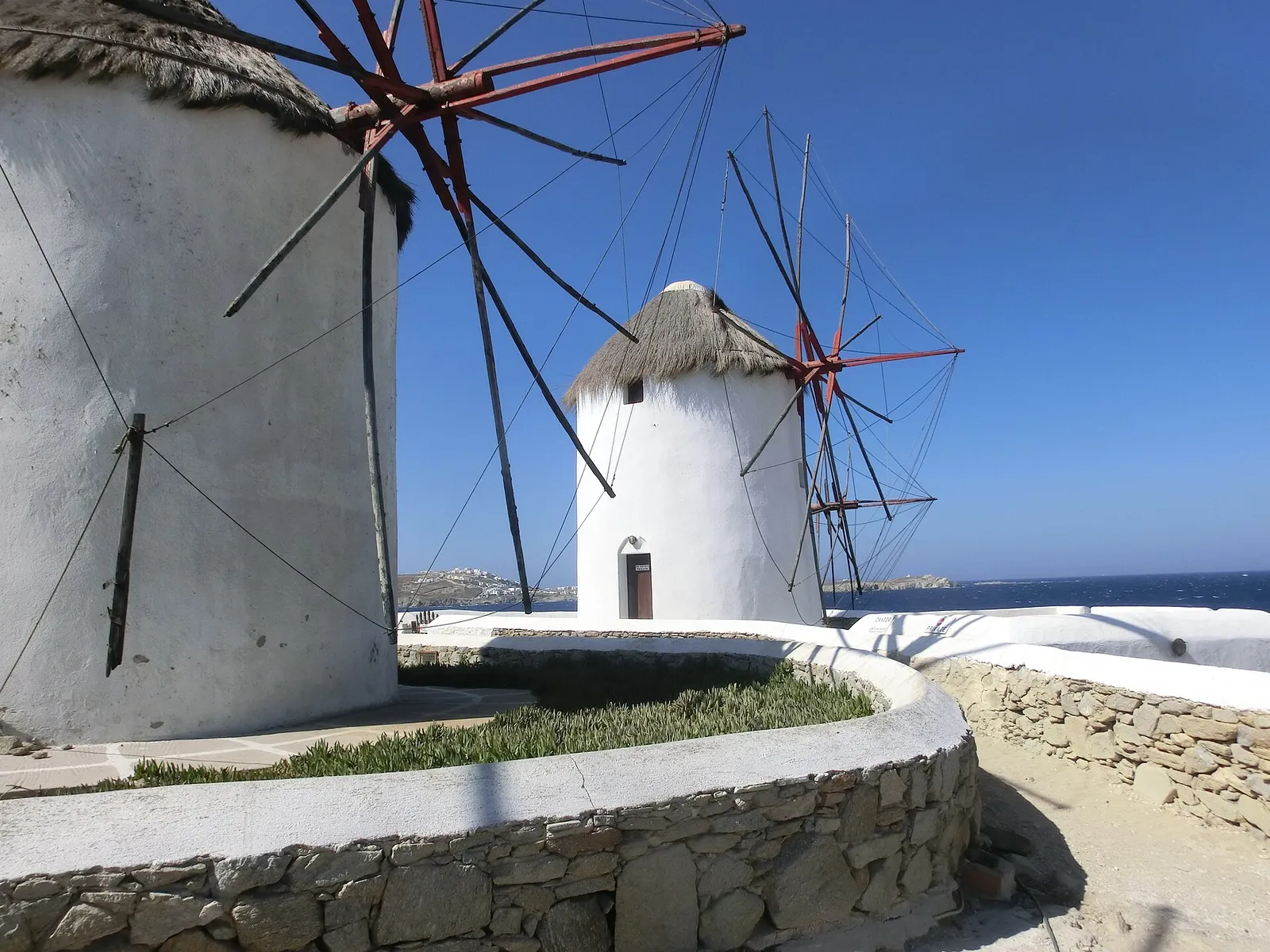
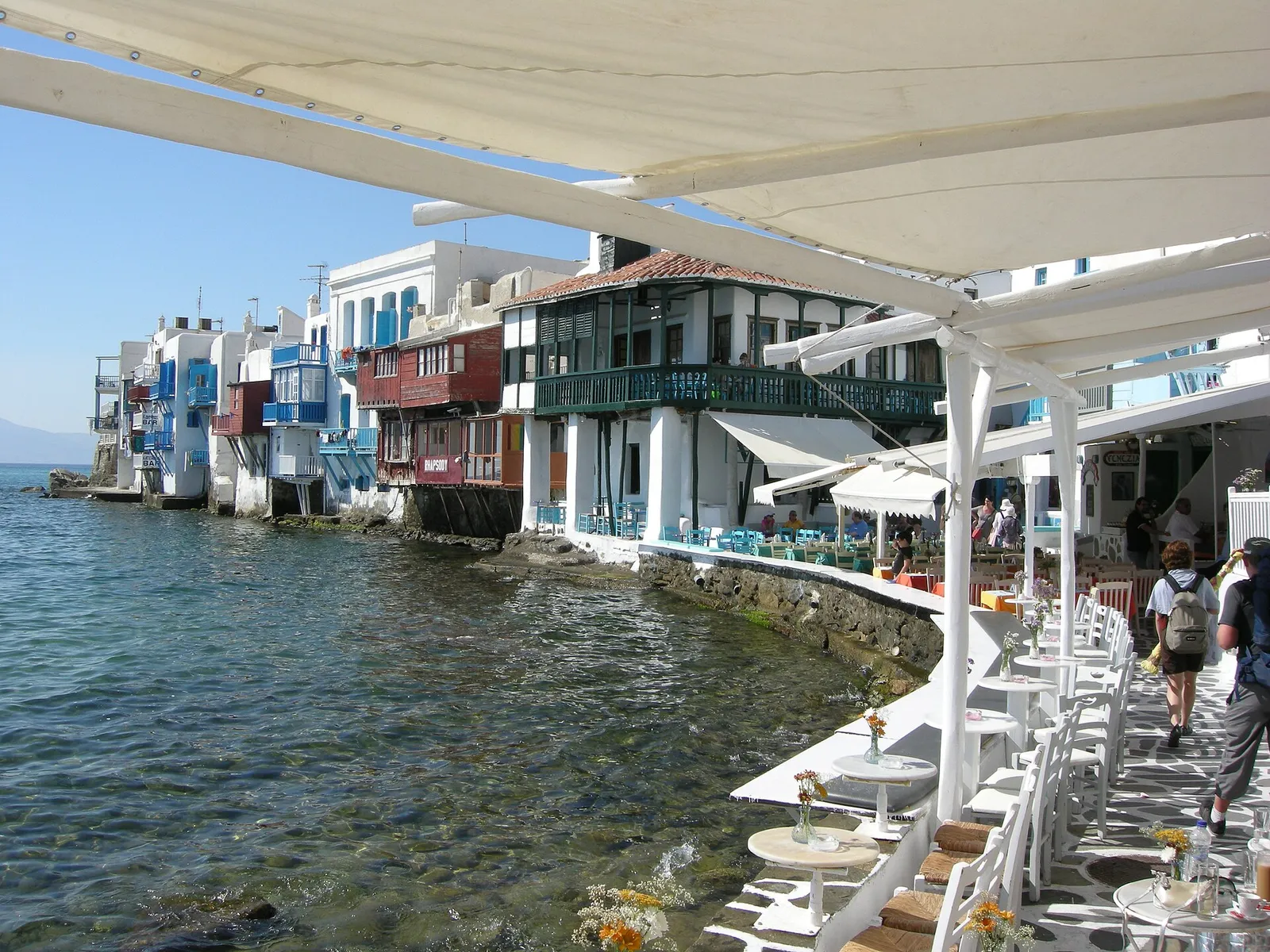
Mykonos is energy. Its south coast is a chain of genuinely good sandy beaches, from the polished sunbed rows of Platis Gialos and Psarou to the famous party sands of Paradise and Super Paradise, where DJ sets start mid-afternoon. Its capital, Chora, is a gorgeous whitewashed maze that turns into an open-air bar crawl after dark, and the clubbing scene is the most famous in Greece.
But Mykonos is not only the party. The northern beaches are quiet and lovely, the town at 8am is a serene postcard, and the ancient island of Delos sits a short boat ride away. The full picture is in our Mykonos guide; the short version is that Mykonos gives you great swimming days and legendary nights, at a price.
What Santorini actually is
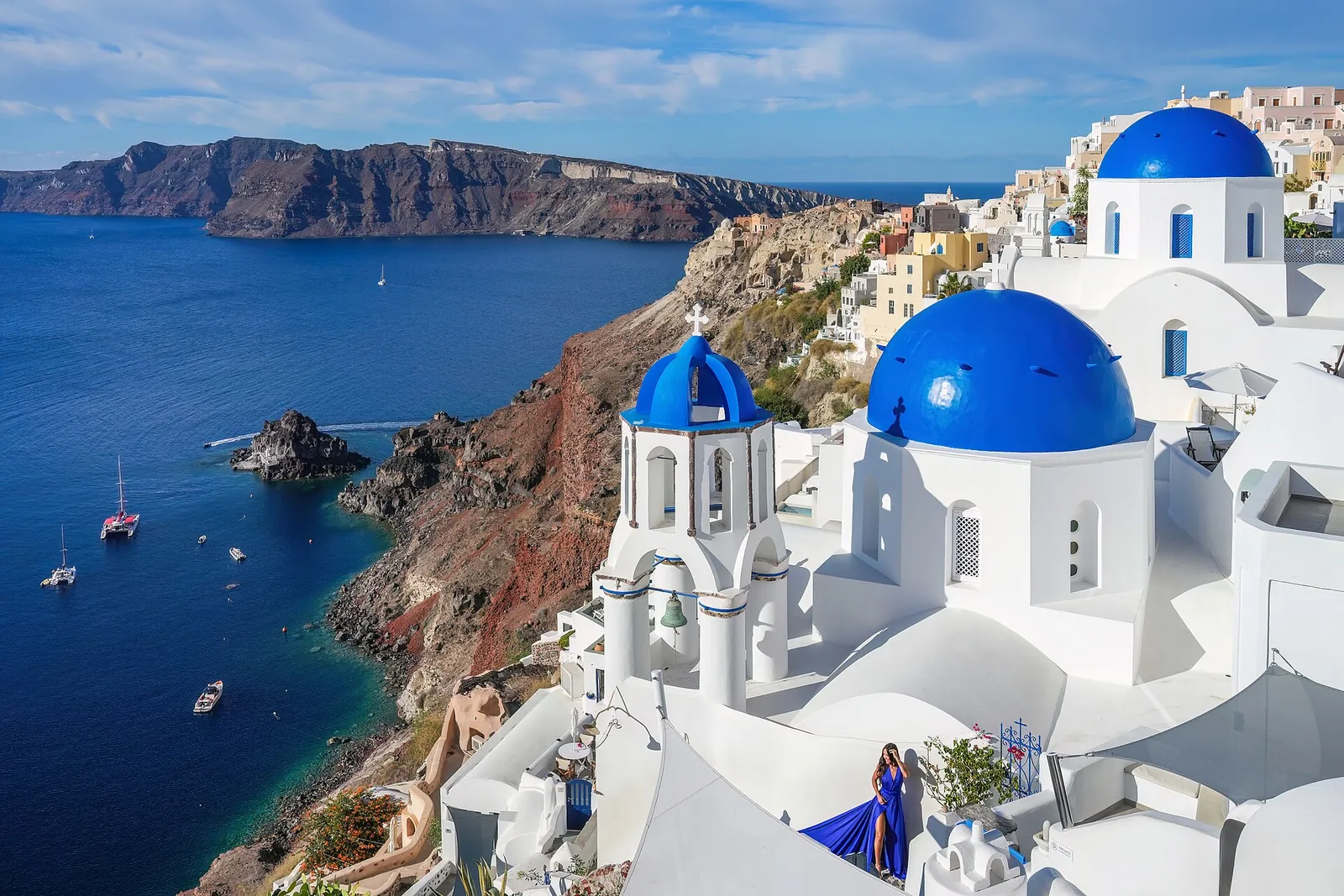
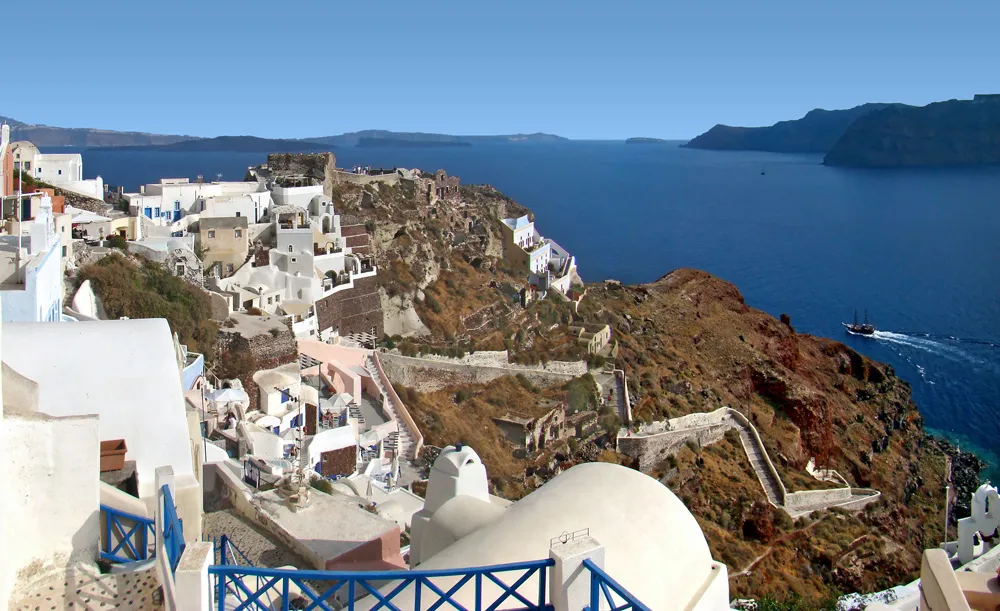
Santorini is a view you live inside. The island is the rim of a drowned volcano, and its villages, Fira, Imerovigli, Oia, cling to cliffs 300 metres above a deep blue caldera. The classic Santorini day is a cliff-edge breakfast, a walk along the caldera path, a boat to the volcanic hot springs, a winery tasting in the afternoon and the famous Oia sunset with the rest of the world’s phones raised beside yours.
Its beaches are volcanic curiosities, black sand at Perissa and Kamari, the red cliffs of Red Beach, worth seeing but not why you come. Red Beach is worth one caveat: it has been officially closed on rockfall grounds for years, and further landslides have kept it that way, so treat it as a view from the path above or from a passing boat rather than a place to spread a towel. Santorini is about scenery, wine, food with a view and romance. It is the most photographed island in Greece because it earns it.
Cost and crowds: the honest part
Neither island is a budget destination; they are the two most expensive in Greece. Santorini’s money trap is the room: a caldera view can double or triple the price, with summer suites commonly running 400 EUR a night and up, while an inland village room might cost a quarter of that. Mykonos’s money trap is the day: beach club sunbeds from 50 EUR, cocktails at 15 to 20 EUR, and famous-venue tables that cost more than flights.
Crowds are real on both, in different shapes. Santorini’s squeeze is physical: narrow caldera lanes plus cruise ship day-trippers means Oia at sunset in August is shoulder to shoulder. Mykonos’s crowds gather at night and at the famous beaches, and the town lanes jam in the evening. On both, June and September deliver the same weather with half the elbows, and early mornings are magically empty.
Book the caldera cruise and the big nights aheadSantorini sunset sails and Mykonos beach club tables sell out first in summerHead to head
| Mykonos | Santorini | |
|---|---|---|
| Signature | Beaches and nightlife | Caldera views and sunsets |
| Beaches | Sandy, swimmable, organised | Volcanic black and red, dramatic |
| Nightlife | Best in Greece | Quiet bars, wine, early nights |
| Romance | Fun and flirty | Honeymoon capital |
| Cost centre | Beach clubs and going out | Caldera-view hotels |
| Crowds | Nights and famous beaches | Sunset spots and cruise hours |
| Days needed | 2 to 3 | 2 to 3 |
| Getting there | Flights and ferries from Athens | Flights and ferries from Athens |
Why not both
Here is the good news: this is not actually an either-or question. Direct ferries link Mykonos and Santorini in about 2 to 3 hours, running several times daily in season. The classic first-timer week does Athens for a day or two, ferries to Mykonos for the beaches and a big night, then sails down the Cyclades to Santorini to slow down and watch the sunsets, flying home from Santorini. It is the single most popular route in Greece because it works.
Book the summer ferries a few weeks ahead, keep a buffer before your flight home, and read the ferry guide for the practical details. And if you have extra days, sliding Naxos or Paros between them adds a cheaper, calmer island that many travellers end up loving most, as our beach rundown keeps proving.
The third option nobody mentions
For a lot of visitors the honest answer is neither, or at least not for the whole trip. Both islands are small, expensive in season and defined by a single thing, the party and the view respectively.
Crete is the alternative that solves the problem rather than splitting the difference: large enough for a whole holiday, with beaches, mountains, gorges, a serious food culture and prices that are not set for cruise passengers. Our Crete guide covers what a week or two there actually looks like, and it is the island most often recommended by people who have done the famous two already.
With children
Neither island is built around families, and between the two the difference is real. Mykonos has the better beaches for it: several on the south coast shelve gently and have facilities, and a child can be in the water without drama. Santorini has almost no good swimming beach in the usual sense, since the caldera side is cliff and the volcanic beaches on the other coast are dark sand that gets extremely hot underfoot.
Against that, Santorini is calmer at night and Mykonos is not, and the party beaches are emphatically not a family setting. The practical answer for most families is Mykonos for the water and the north of the island for sleeping, or neither of the two, since several Cycladic islands do families considerably better than both.
When to go, and the crowd problem
Both islands are seasonal to an extreme degree, and the difference between the right week and the wrong one is larger here than almost anywhere in Greece.
July and August are the peak in every sense: the most expensive rooms, the fullest beaches, and cruise ships unloading into Santorini’s clifftop villages in the middle of the day. June and September give you warm sea, most things open, and a noticeably calmer version of both islands. May and October are cheaper again and quieter still, with the trade that some businesses have not opened or have already closed, and that the sea is colder than the sunshine suggests.
One specific tip for Santorini regardless of month: the cruise ships are a daytime phenomenon. Early mornings and evenings in Oia and Fira are a different place entirely from the middle of the day.
So which should you choose
Choose Mykonos if your perfect day is sand, swimming and a beach club, and your perfect night ends late. Groups of friends, party-minded couples and anyone who rates beaches above views belongs here.
Choose Santorini if you travel for scenery, food with a view and romance. Honeymooners, proposal planners, photographers and anyone whose ideal evening is a glass of Assyrtiko at sunset should not hesitate.
Families lean Mykonos for the calm, sandy bays like Ornos, though small children and Santorini’s cliff-edge paths need watching. First-timers with a week should stop choosing and take the ferry between both. And budget travellers should be honest with themselves: either island will hurt, and Naxos or Paros next door offer most of the magic for half the money.
Whichever you pick, book the room early, take the early morning walk before the crowds wake up, and remember there is a whole country beyond these two islands waiting for the next trip.