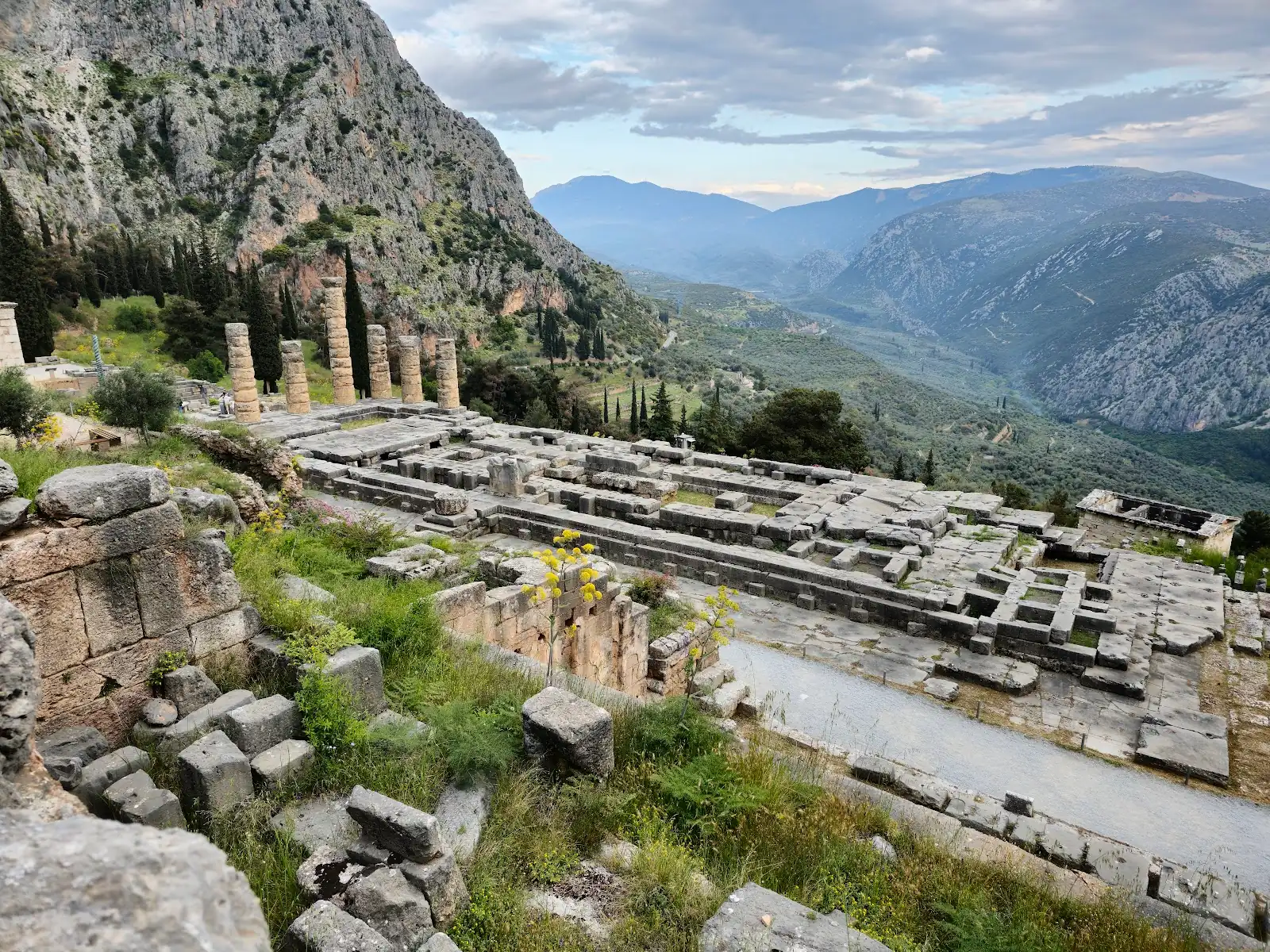
I arrived at Delphi just after nine on a clear October morning, before the tour buses, and the first thing that hit me was not a ruin at all. It was the smell of pine and the sound of goat bells drifting up from the valley of olive trees below. Then I looked up, saw the grey cliffs of Mount Parnassus rising almost vertically behind the site, and understood in about three seconds why the ancient Greeks called this place the centre of the world. They believed Zeus released two eagles from opposite ends of the earth and they met here, at Delphi, marked by a carved stone called the omphalos, the navel of the world.
Delphi is a two and a half hour drive northwest of Athens, and it is the day trip I recommend most to first-time visitors who have already done the capital. If you are still planning that part, our guide to the best day trips from Athens puts Delphi in context against the other options. But Delphi deserves its own careful morning, so here is exactly what to expect.
Why Delphi mattered so much
For over a thousand years, from roughly the 8th century BC, Delphi was where the Greek world came to ask questions. Kings, generals and ordinary citizens travelled here to consult the oracle, a priestess called the Pythia who spoke on behalf of the god Apollo. Her answers were famously ambiguous. The most quoted example: King Croesus was told that if he attacked Persia he would destroy a great empire. He did attack, and the empire he destroyed was his own.
What makes the site so moving is that it was never just a temple. It was a whole sanctuary of treasuries, statues, an amphitheatre and a stadium, all clinging to a steep hillside. Nations built small marble treasury buildings here to show off their wealth and thank the god. Walking up, you are walking through an ancient international showground.
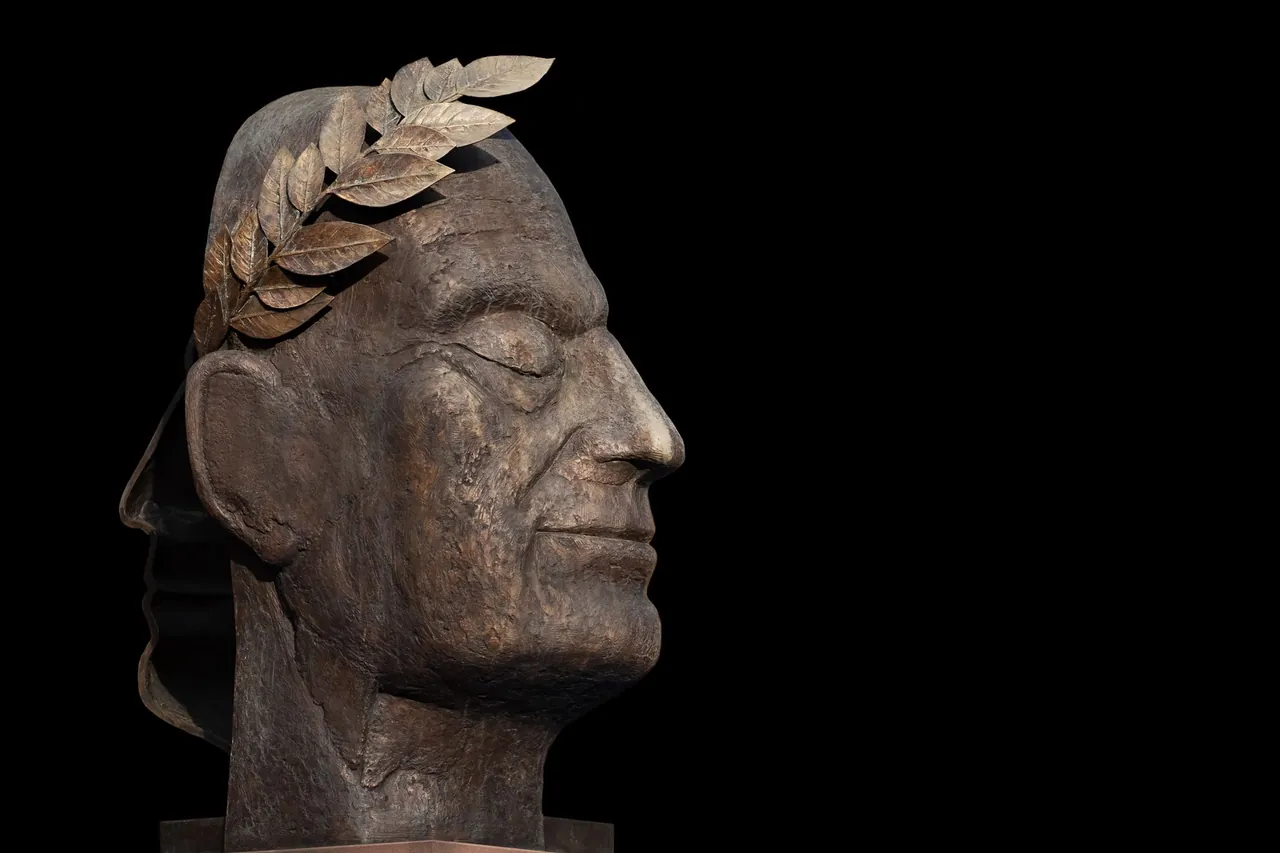
Walking the Sacred Way up to the Temple of Apollo
The route through the ruins is called the Sacred Way, and it zigzags uphill. Wear proper shoes, because the marble and stone are polished smooth and slippery, and there is very little shade. Along the way you pass the foundations of the treasuries, including the beautifully reconstructed Treasury of the Athenians, a small Doric building that gives you a real sense of the original scale.
Higher up sits the Temple of Apollo itself, where the Pythia delivered her prophecies. Only a few columns still stand, but the position is everything. From the temple terrace you look straight out over a sea of olive trees running down to the Gulf of Corinth. It is one of the great views in Greece, and it costs nothing extra.
The theatre and the stadium at the top
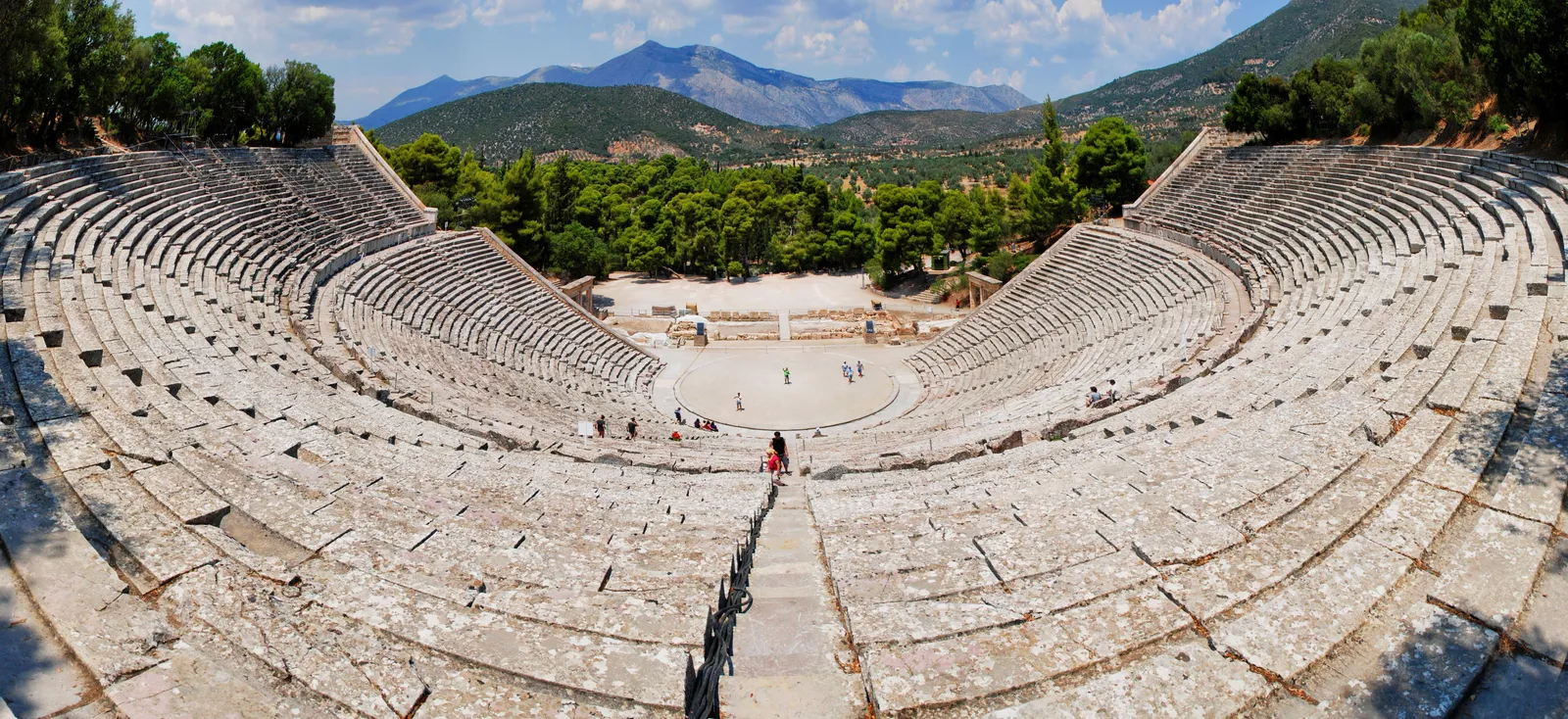
Keep climbing past the temple and you reach the theatre, carved into the slope, with acoustics that still work. The real reward, though, is right at the top: the ancient stadium, one of the best preserved in Greece, where the Pythian Games were held every four years, a sister event to the Olympics. It is a steep final push, and plenty of people turn back before it, but standing on the running track at the top of the whole sanctuary is worth the effort.
The museum and the bronze charioteer
Do not skip the Delphi Archaeological Museum, a short walk from the site entrance. It is compact, air-conditioned and superbly presented. The undisputed star is the Charioteer of Delphi, a life-size bronze statue from around 470 BC, one of the finest surviving bronzes from the ancient world. His eyes are inlaid with coloured stone and he still seems to be watching you. There is also the reassembled Sphinx of Naxos and a copy of the omphalos stone.
Most people spend about an hour here. Between the site and the museum, budget two and a half to three hours for Delphi as a whole.
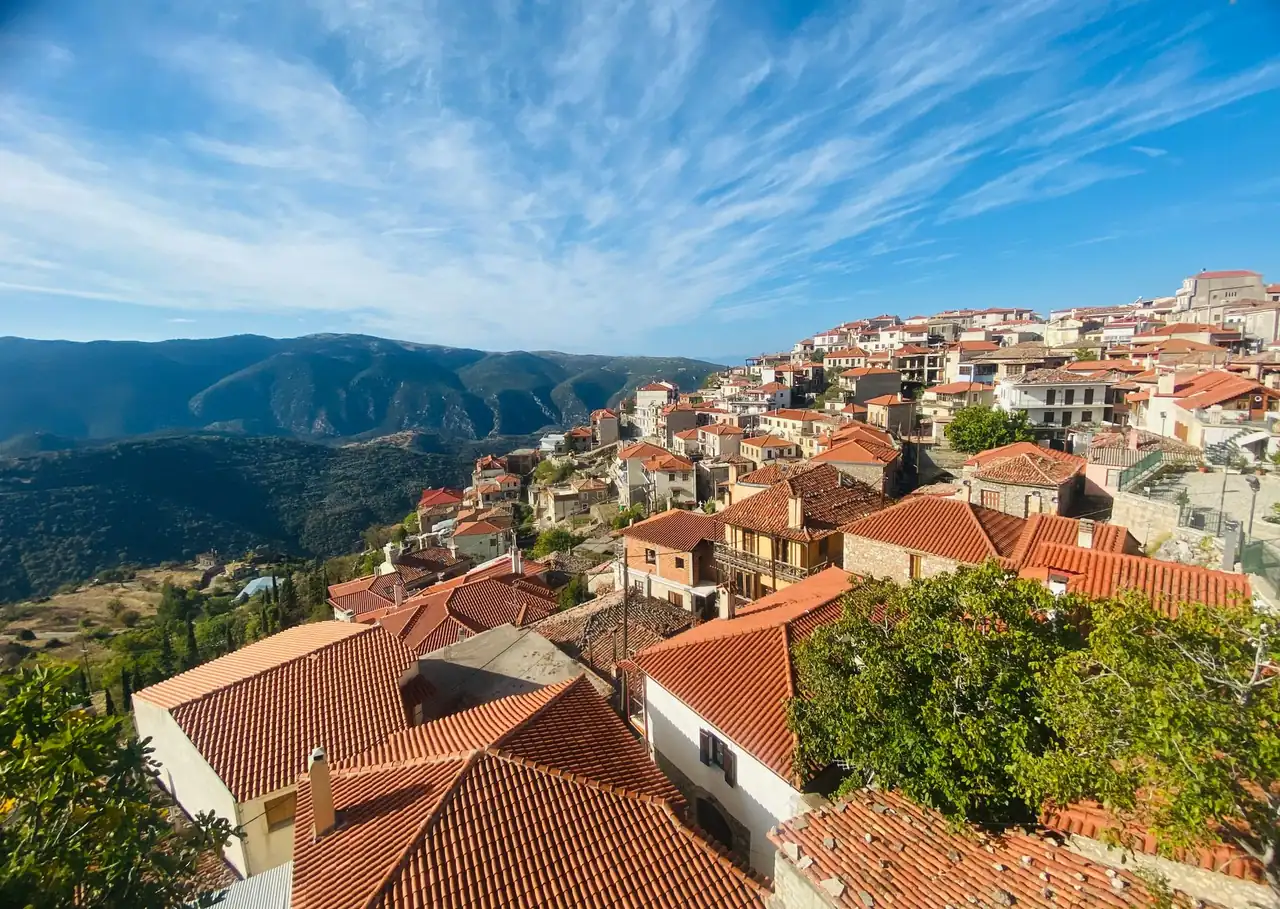 Prefer to set your own pace up to Delphi?Rent a car in Athens and stop in Arachova on the way, from around EUR 35 a day.
Tickets, hours and practical costs
There is a combined ticket covering both the archaeological site and the museum. Prices tend to be higher in the summer season and lower in winter, and there are reduced or free options for EU youth, students and certain categories, so it is worth checking the official ticket page before you go rather than relying on an old figure.
| What | Roughly how long | Notes |
|---|---|---|
| Archaeological site | 1.5 to 2 hours | Steep, little shade, good shoes essential |
| Museum | About 1 hour | The bronze charioteer is here |
| Combined ticket | Buy once | Covers both, cheaper than separate |
Approximate prices change with the season, so treat any number you read online as a guide and confirm on arrival.
Combining Delphi with Arachova or Meteora
This is where a bit of planning pays off. Just before Delphi you pass through Arachova, a gorgeous stone mountain town clinging to the hillside, known for its weaving, its formaic cheese and, in winter, as Greece’s smartest ski resort. It makes a lovely lunch stop with far better food than the tavernas right at the Delphi car park. I stopped for a plate of local sausage and a coffee and watched the mist roll through the rooftops.
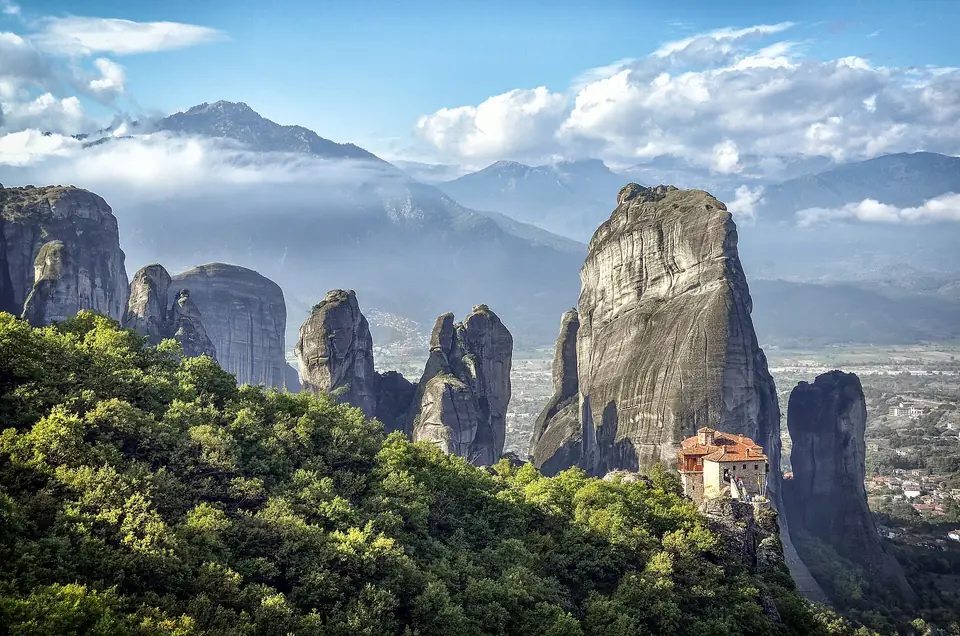
If you have more time, Delphi pairs naturally with Meteora, the extraordinary monasteries perched on rock pillars, about two and a half hours further north. Doing both in one very long day from Athens is exhausting but possible on an organised tour. Far better, in my honest opinion, is to overnight in Delphi or Kalambaka and split them across two days.
Should you drive or take a tour?
Driving gives you freedom to stop in Arachova and leave before the crowds, and the road up from the coast is spectacular. If you would rather not drive the mountain bends, guided day tours from Athens are frequent and handle the logistics for you. Either way, Delphi works beautifully as a break from the city; if you are building an Athens base first, our two days in Athens itinerary slots a Delphi day in neatly on day three.
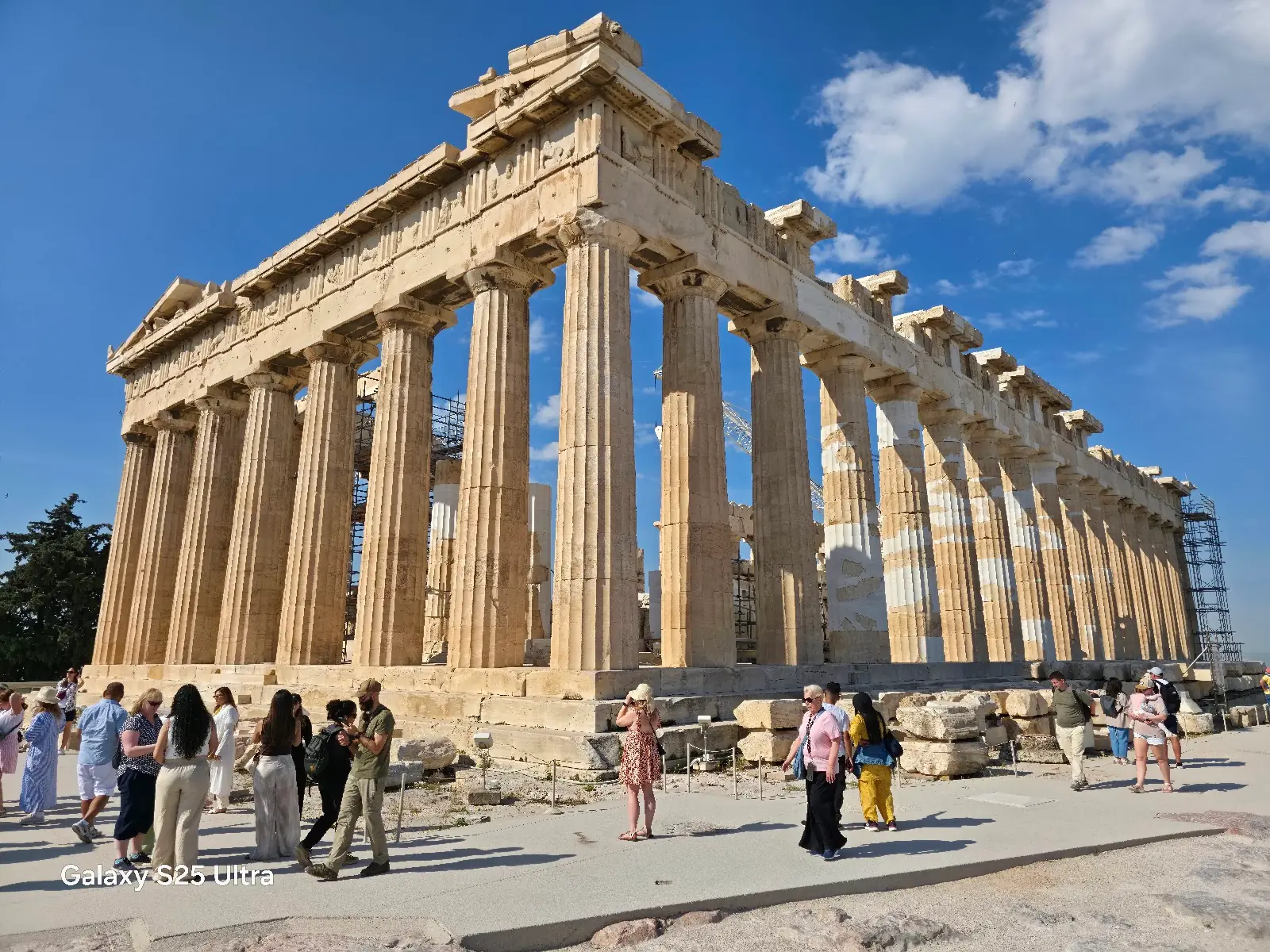
Delphi is, for me, the most atmospheric ancient site in mainland Greece after the Acropolis in Athens. It is not about surviving buildings, most of them are gone, it is about standing where an entire civilisation came to ask what to do next, with that vast valley falling away below you. Give it a full morning, do not rush the museum, and eat in Arachova on the way home.
Have you been to Delphi, and did you make it all the way up to the stadium at the top? Tell me in the comments.