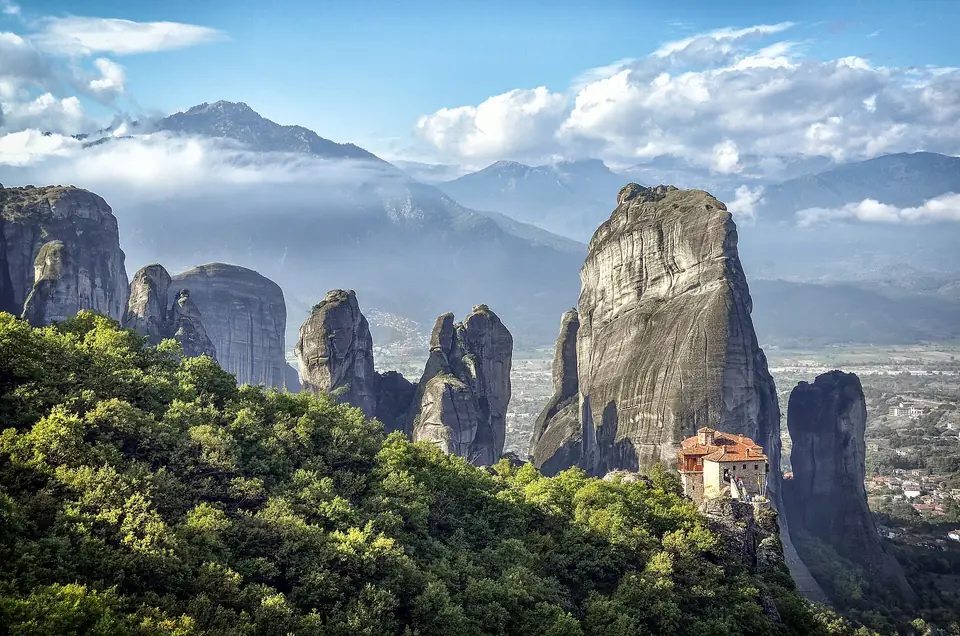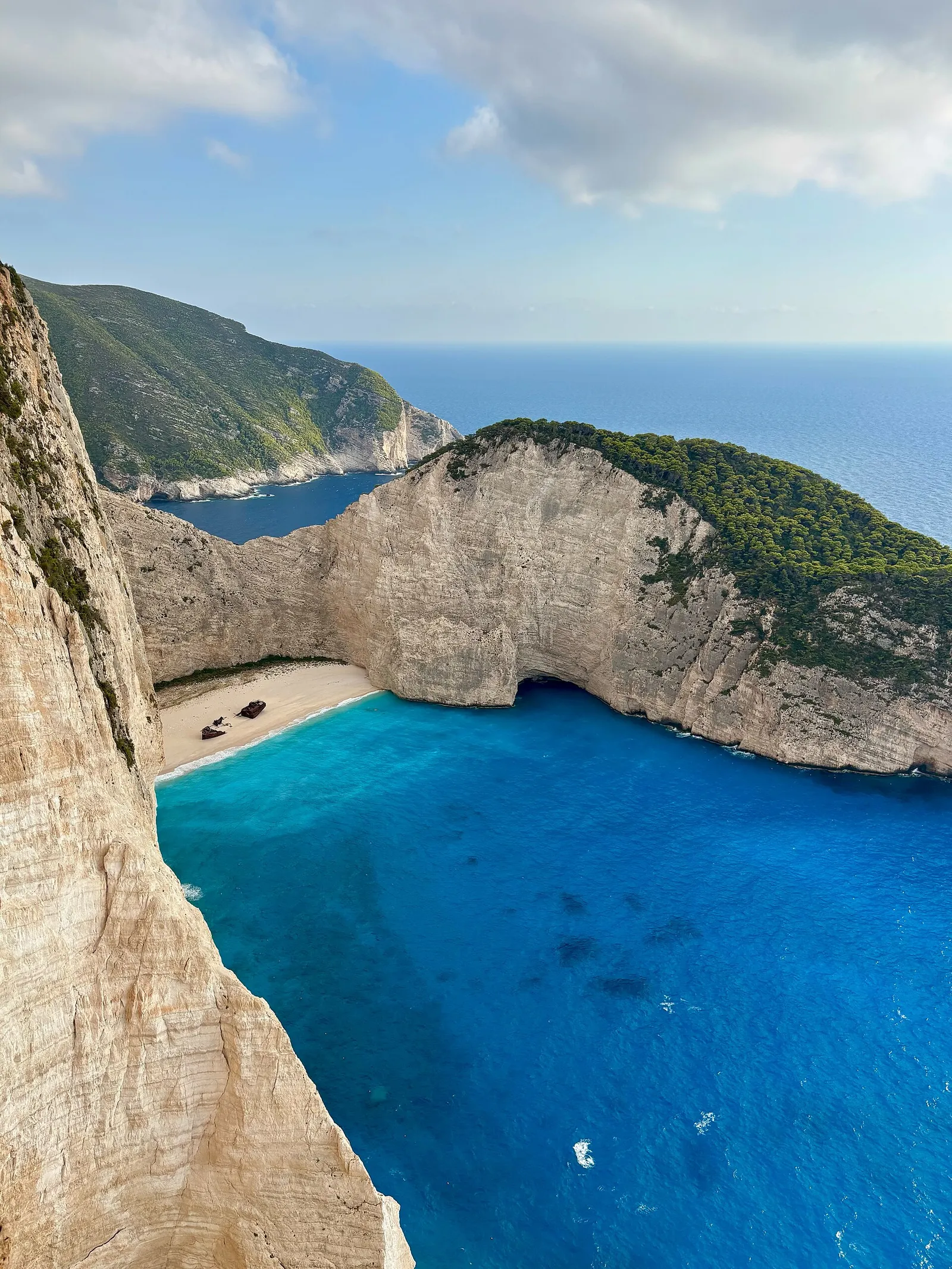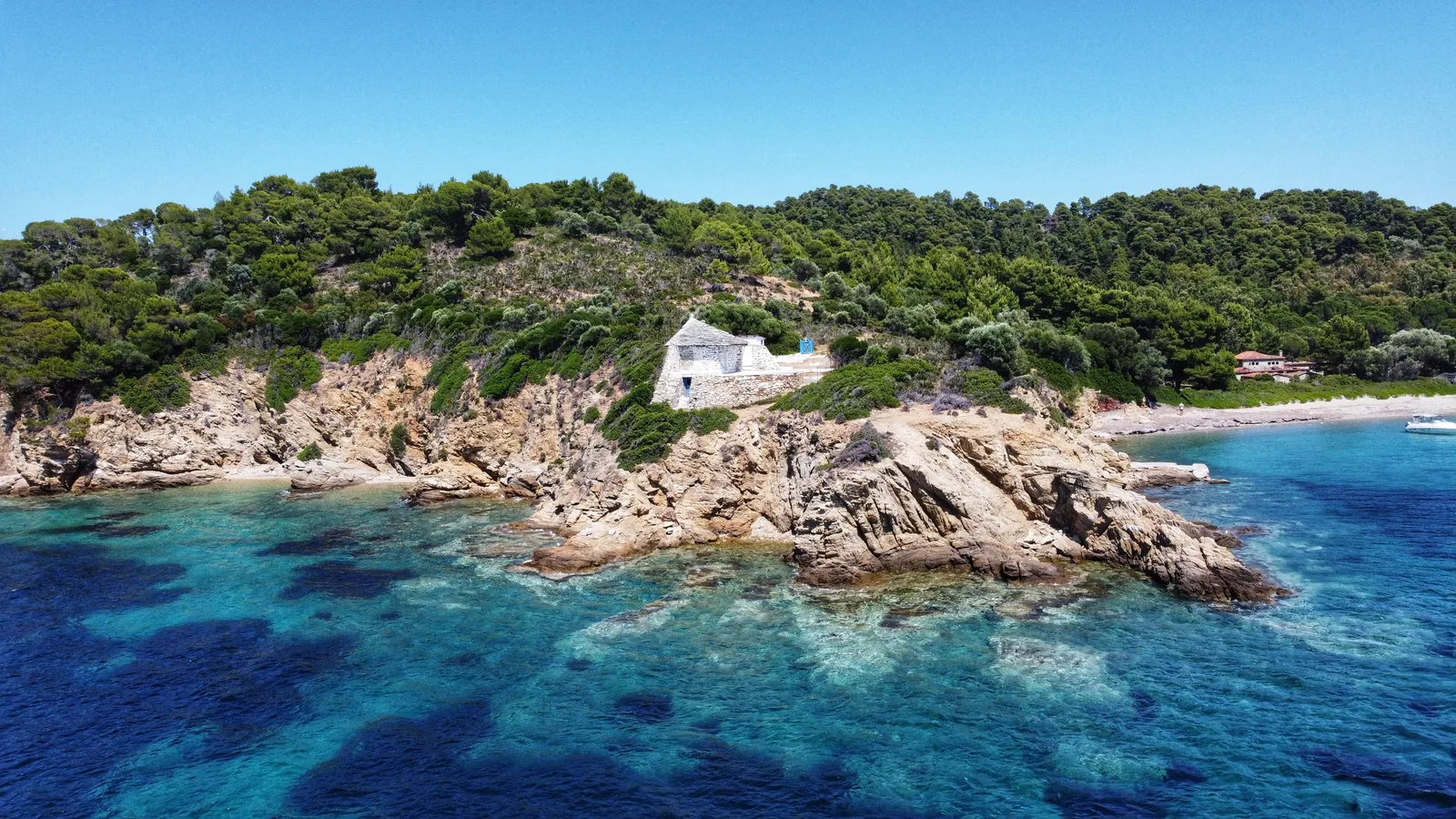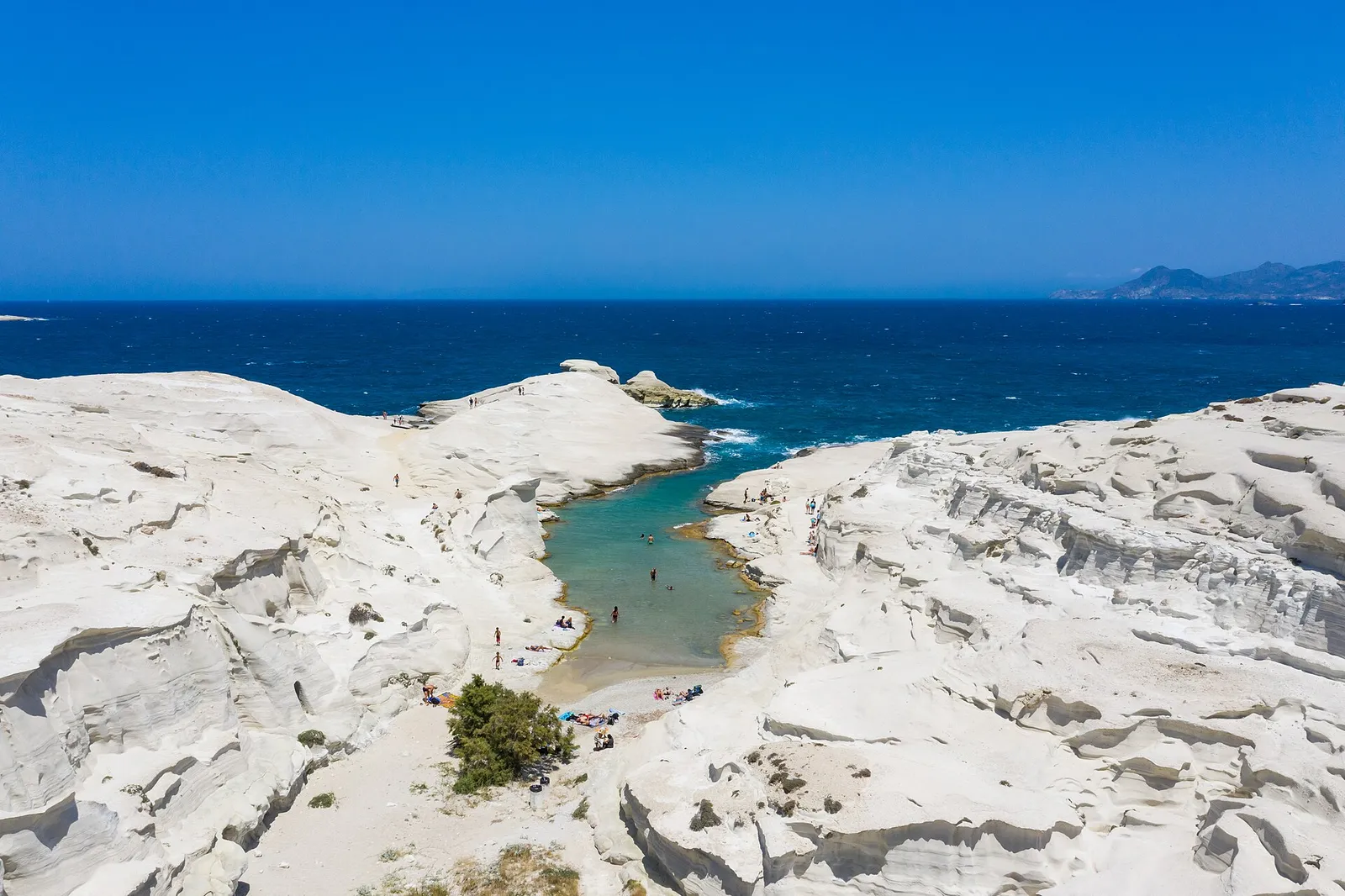
Milos does not look like the rest of Greece. The island is the rim of a volcano that filled with sea, and what the eruptions left behind is a coastline of white, ochre and rust-red rock, sculpted into shapes that look engineered, with more than seventy beaches folded into it. It has been mined for minerals for thousands of years, which is why it stayed off the tourist map far longer than its neighbours, and why it still feels like a discovery in a group of islands that mostly do not.
What makes it different
The rock is the attraction. On most Greek islands the landscape is the frame for the sea. Here the geology is the thing you photograph, and it changes colour every few kilometres.
The coastline is enormous for the size of the island, deeply indented, with bays facing every direction. There is always a sheltered side.
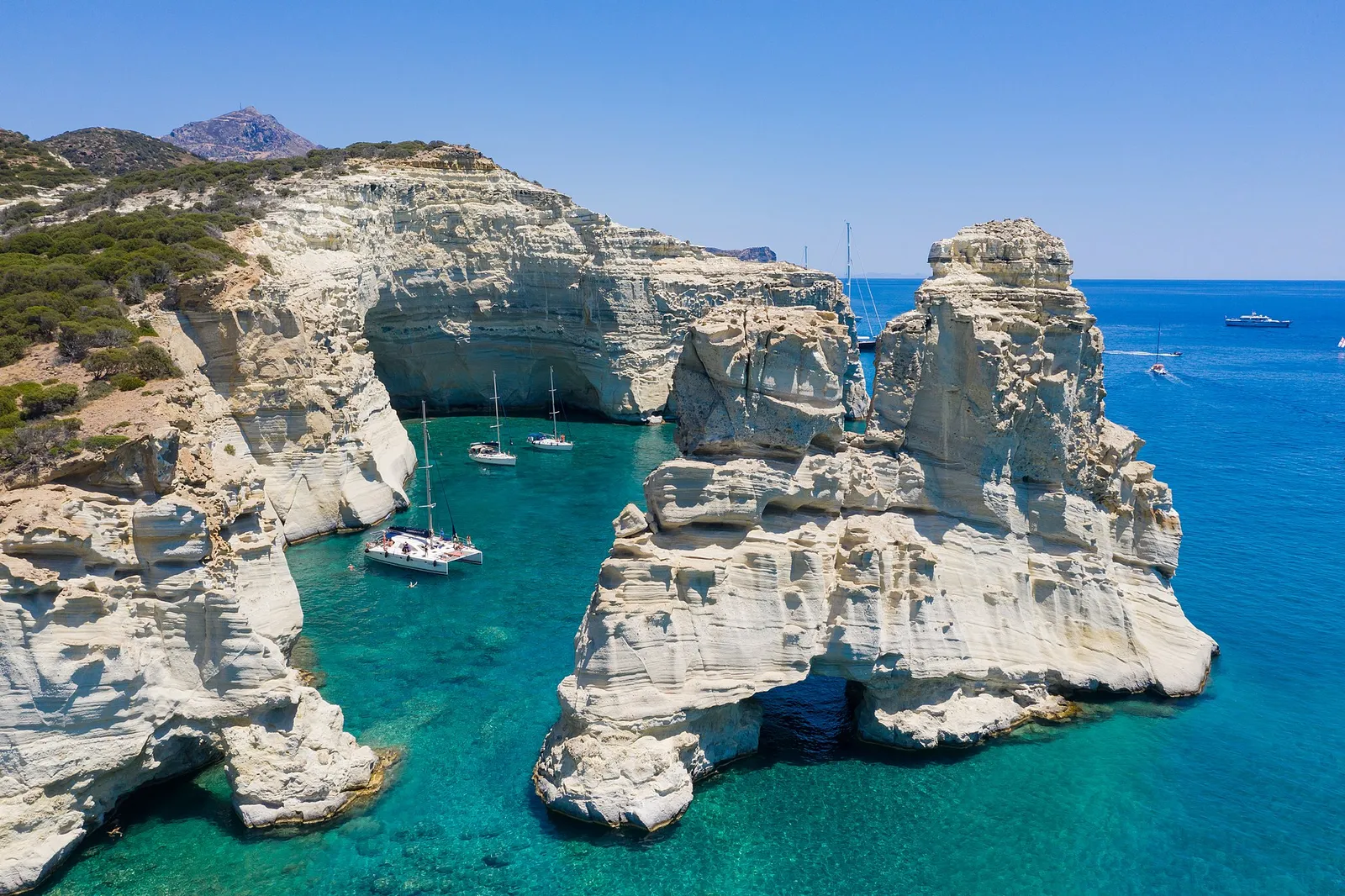
Much of it has no road. The southwest coast, including the most famous cliffs and caves, is reachable only by boat.
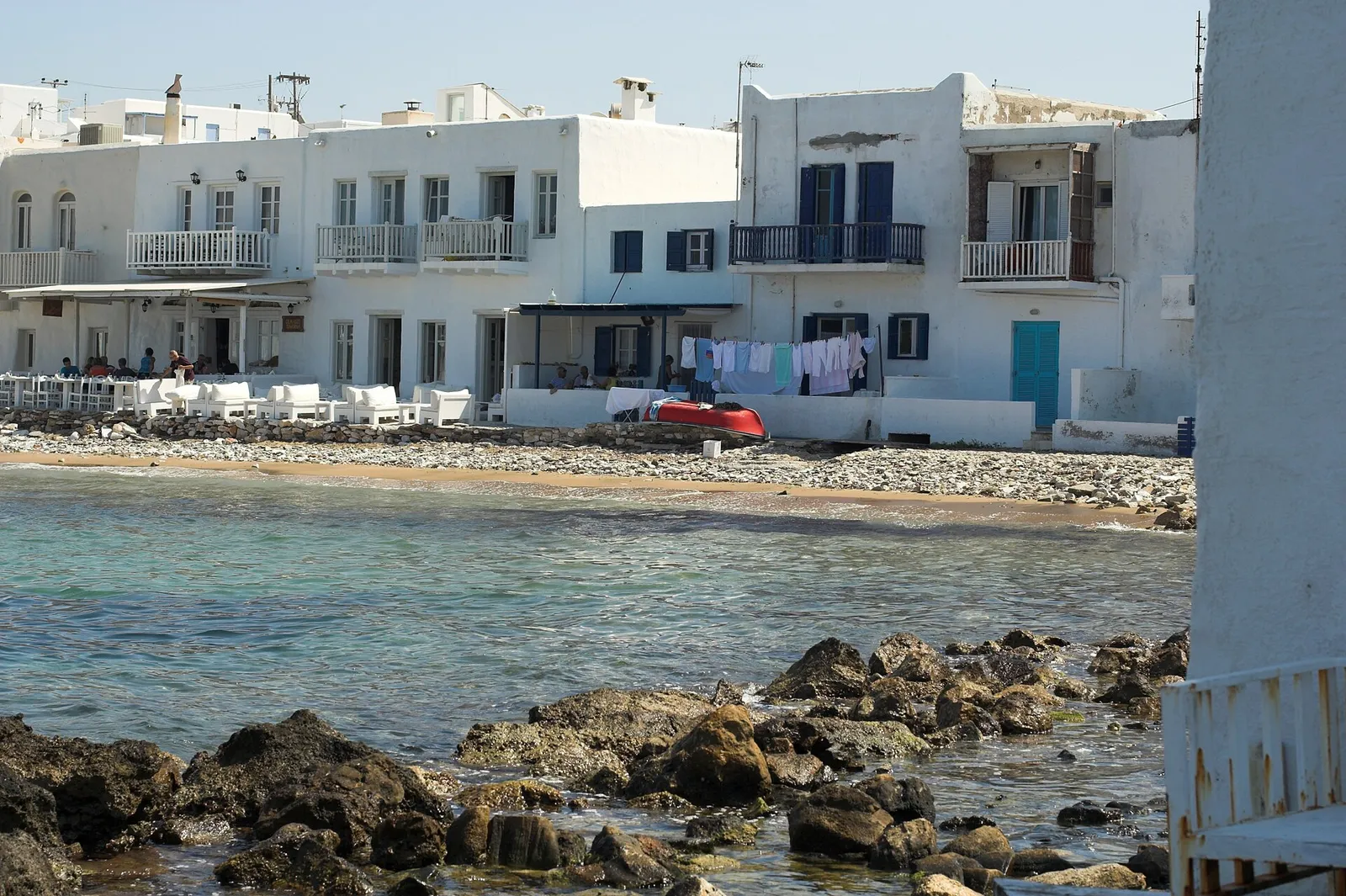
The villages are unusual. In the fishing settlements, the ground floors of the waterfront houses are boat garages, painted in bright colours, with the living space above. They are among the most photographed things in the Cyclades after the rock.
The places to see
Sarakiniko, the white rock plateau on the north coast, is the island’s signature. It is smooth, glaring and strange, with a small deep inlet to swim in. No shade whatsoever.
Kleftiko, on the southwest coast, is a cluster of white cliffs, arches and sea caves that was a pirate hideout and is now the destination of every boat trip. There is no land access.
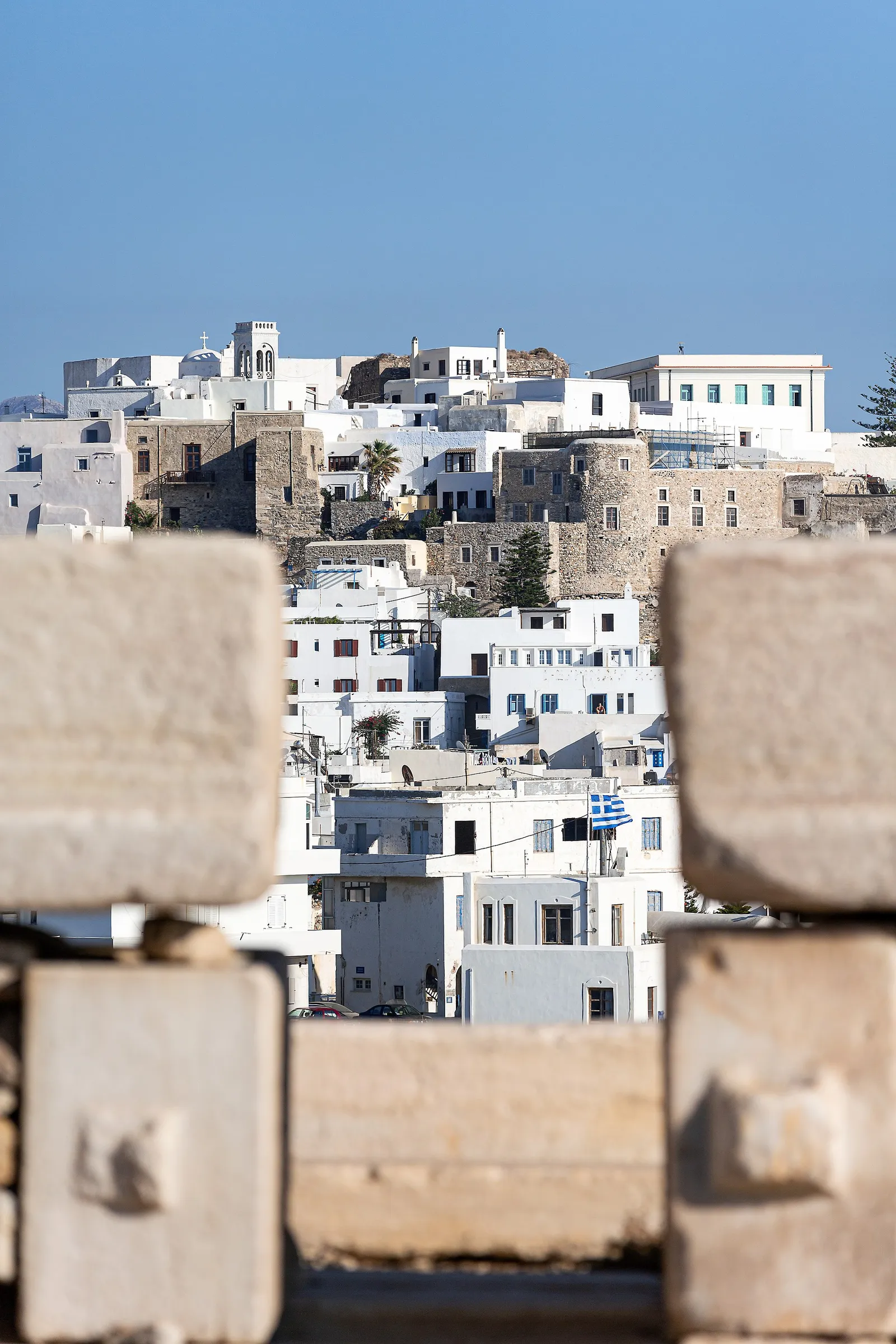
Plaka, the hilltop capital, is a whitewashed village with a castle above it and the standard sunset view over the bay.
The fishing villages with the coloured boat garages are dotted around the coast, and wandering one at the end of an afternoon is the best hour on the island.
The ancient theatre and the catacombs near Tripiti are the historical stop, on the slope where the famous statue of Venus was found and taken to Paris.
The beaches
There are far too many to list and they divide into three useful groups.
The famous ones, including Sarakiniko and the sandy stretches on the south coast, which are busy in season and worth it anyway.
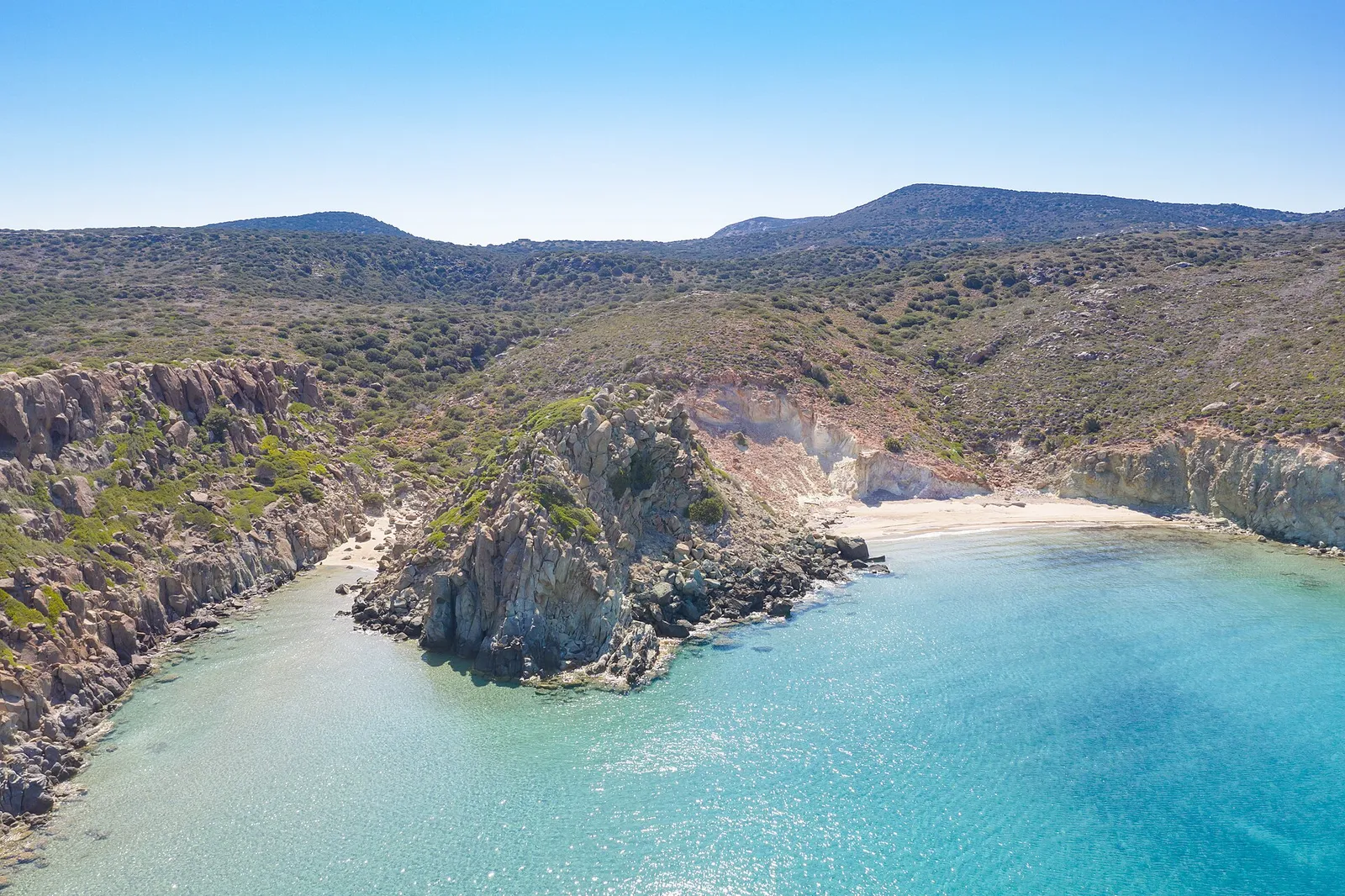
The drive-and-scramble ones, at the end of tracks, where a short walk down buys you a cove with a handful of people in it.
The boat-only ones, on the southwest coast, which is what the day trip is for.
The sea is exceptionally clear across all of them, and shade is the scarce resource on almost every one. An umbrella in the car is a better investment here than on most islands.
Practical notes
Getting there is by ferry from the mainland or by a short flight, and Milos sits on a different ferry line from the central Cyclades, so combining it with Paros or Naxos needs a look at the timetable rather than an assumption.
Adamas is the main port and the practical base, with the widest choice of rooms and most of the boat trips leaving from it.
Take shoes for the rock, which is sharp in places and extremely hot in others.
Bring shade and water to every beach, because most have neither.
Where it fits in an island trip
Milos rewards a trip built around it rather than a stop squeezed into one.
For the wider picture of where the country’s best swimming actually is, and how the volcanic coves here compare with the sand elsewhere, our guide to the best beaches in Greece covers the whole coastline including the mainland.
If you want to pair Milos with a bigger island for a longer trip, our guide to Naxos covers the one with the mountains and the long sandy west coast, which is about as different from this island as Greece gets.
And our guide to Paros covers the natural hub of the central Cyclades, which is the usual connection point when the direct ferry does not work.
The short version
Give Milos three or four nights, base yourself near the main port, and book the boat trip for early in your stay so a windy day does not cost you the best thing on the island. Hire a car and check in writing what it is allowed to drive on, because the good beaches are down tracks. See Sarakiniko early in the morning or late in the day, when the white rock is bearable and nearly empty. Carry your own shade and water to every beach. And treat the coloured boat garages in the fishing villages as an evening rather than a photo stop.