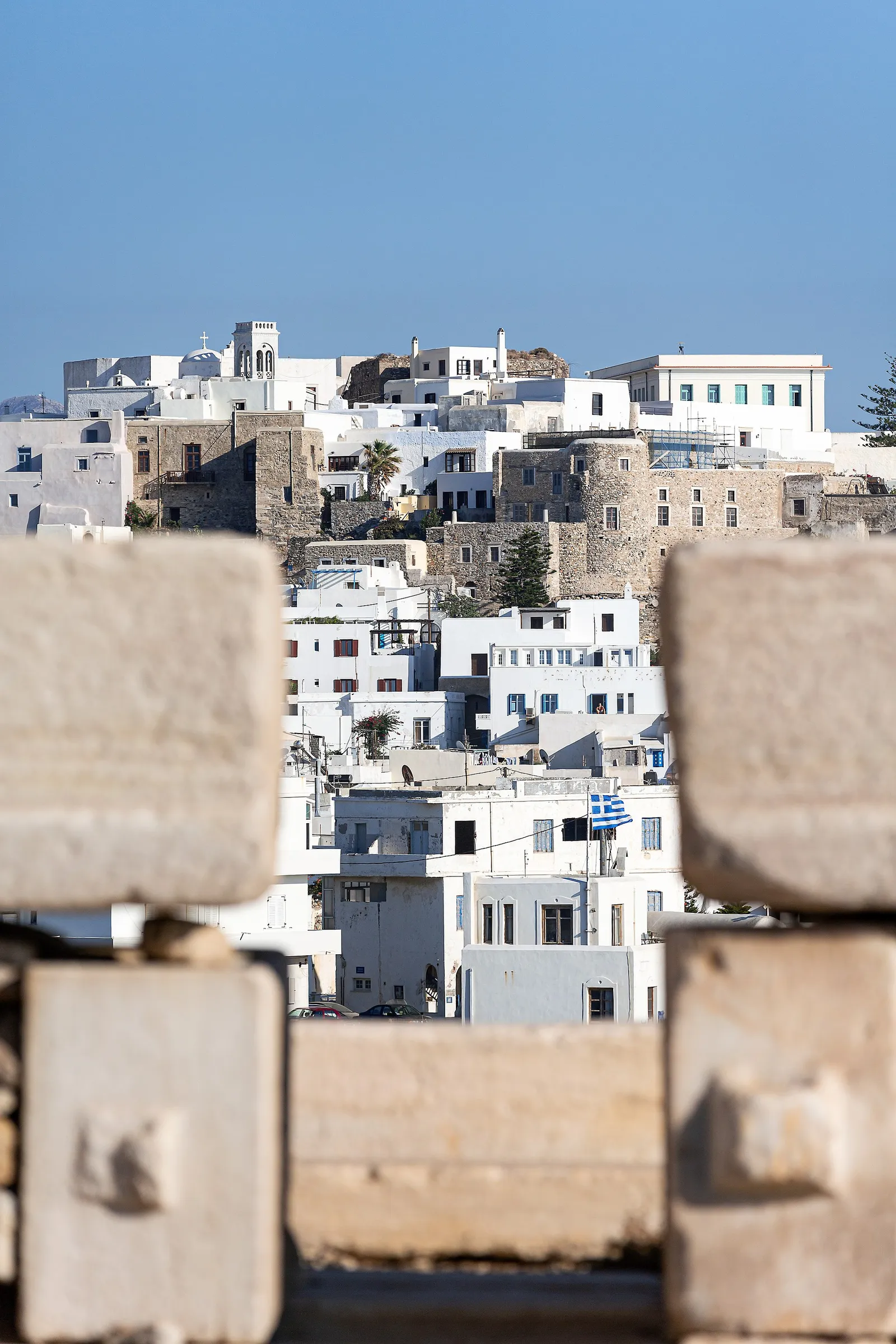
Naxos is the island that Greece regulars recommend to each other and that first-time visitors have usually never heard of. It is the biggest of the Cyclades and the least dependent on tourism, which shows up as cheaper food, working villages, an interior of mountains and olive groves, and the best sandy beaches in this part of the Aegean. It is also on the main ferry line, one short hop from Santorini and Paros, which makes skipping it a decision rather than an accident.
The town
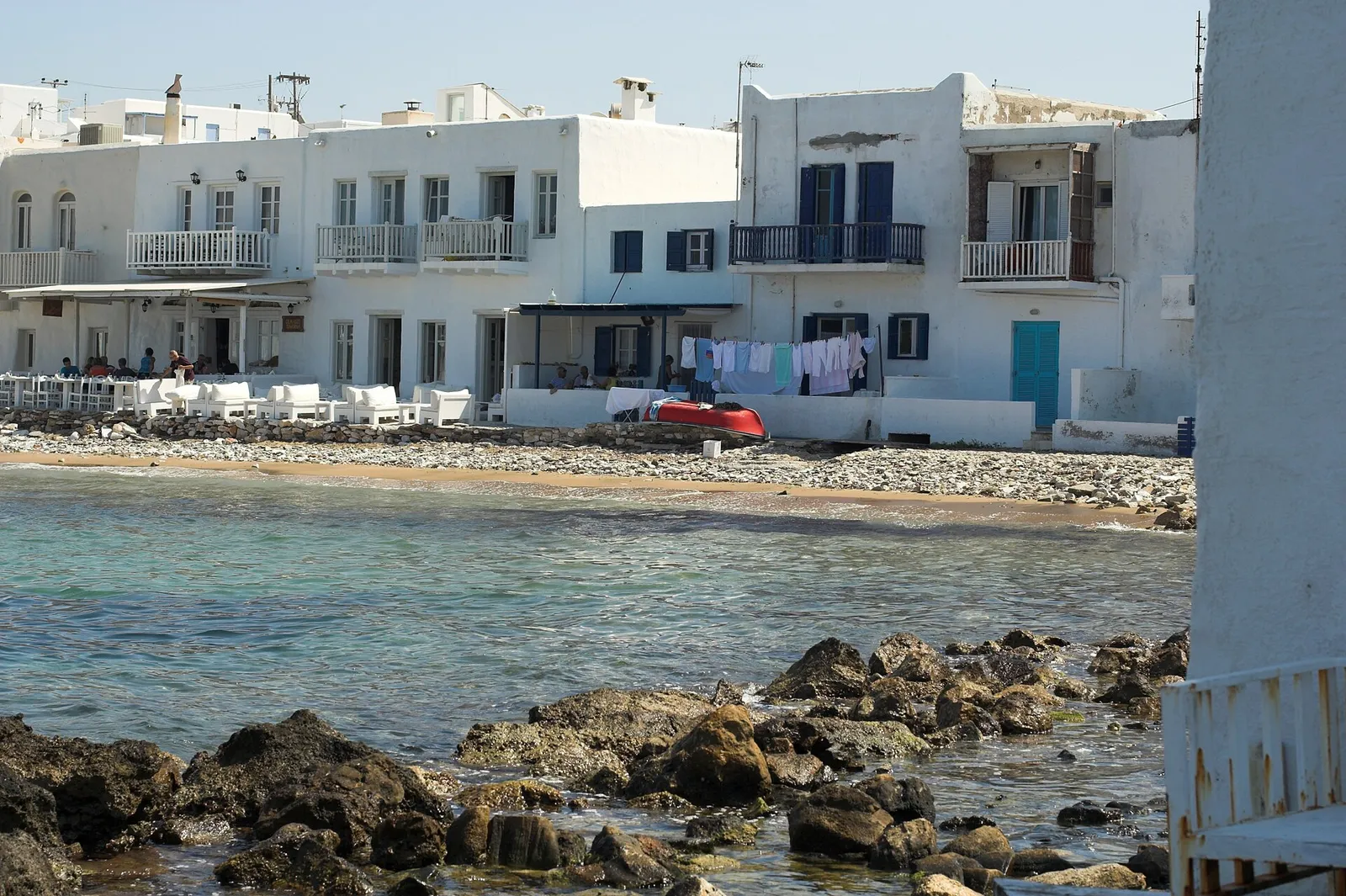
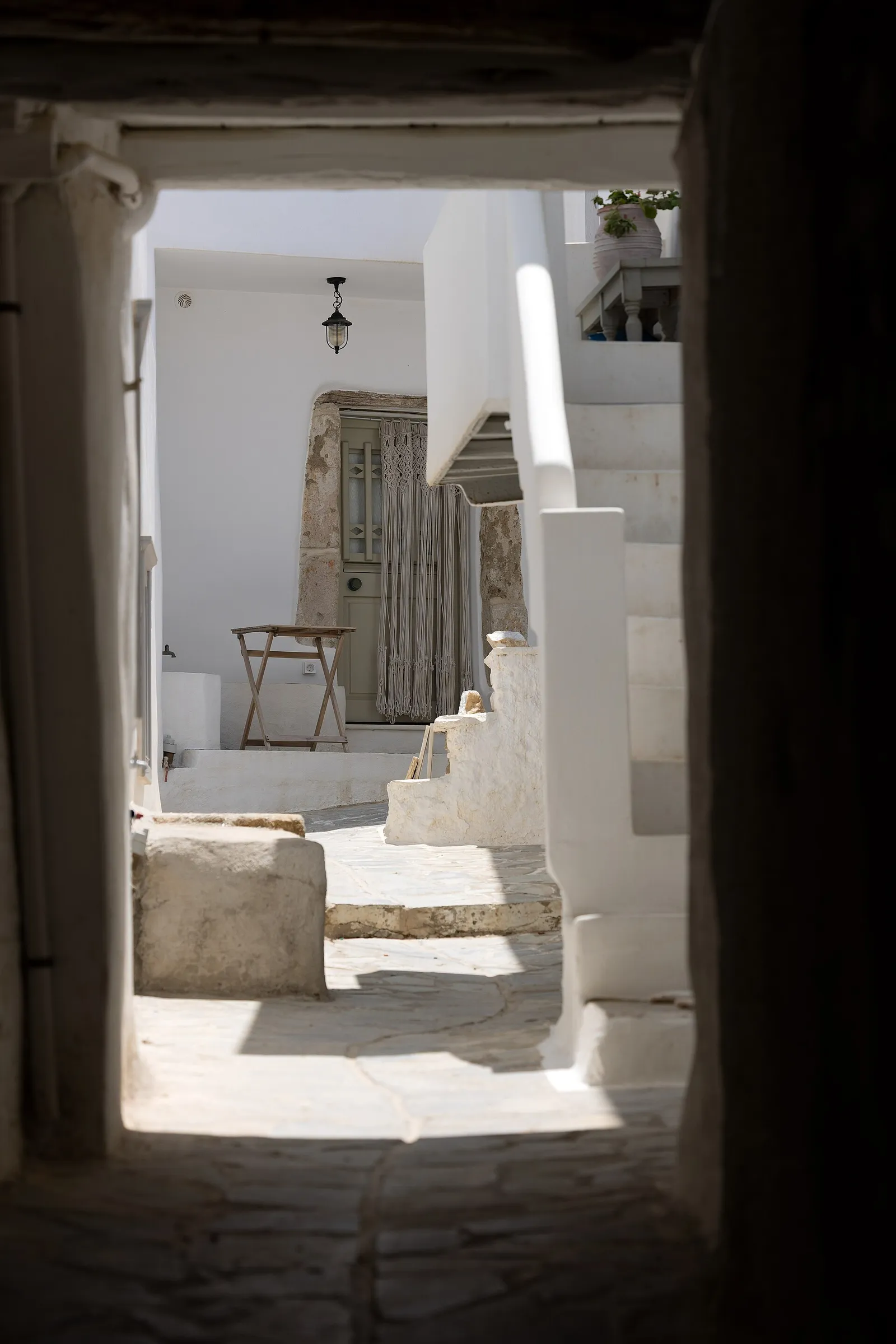
Chora, the main town, is built around the harbour under a Venetian castle, with a whitewashed old quarter of stepped lanes above the waterfront.
The Portara stands on the islet at the harbour mouth, a single enormous marble doorframe left from a temple that was never finished, connected by a causeway. It is free, it takes five minutes to reach, and it is where the whole town goes at sunset.
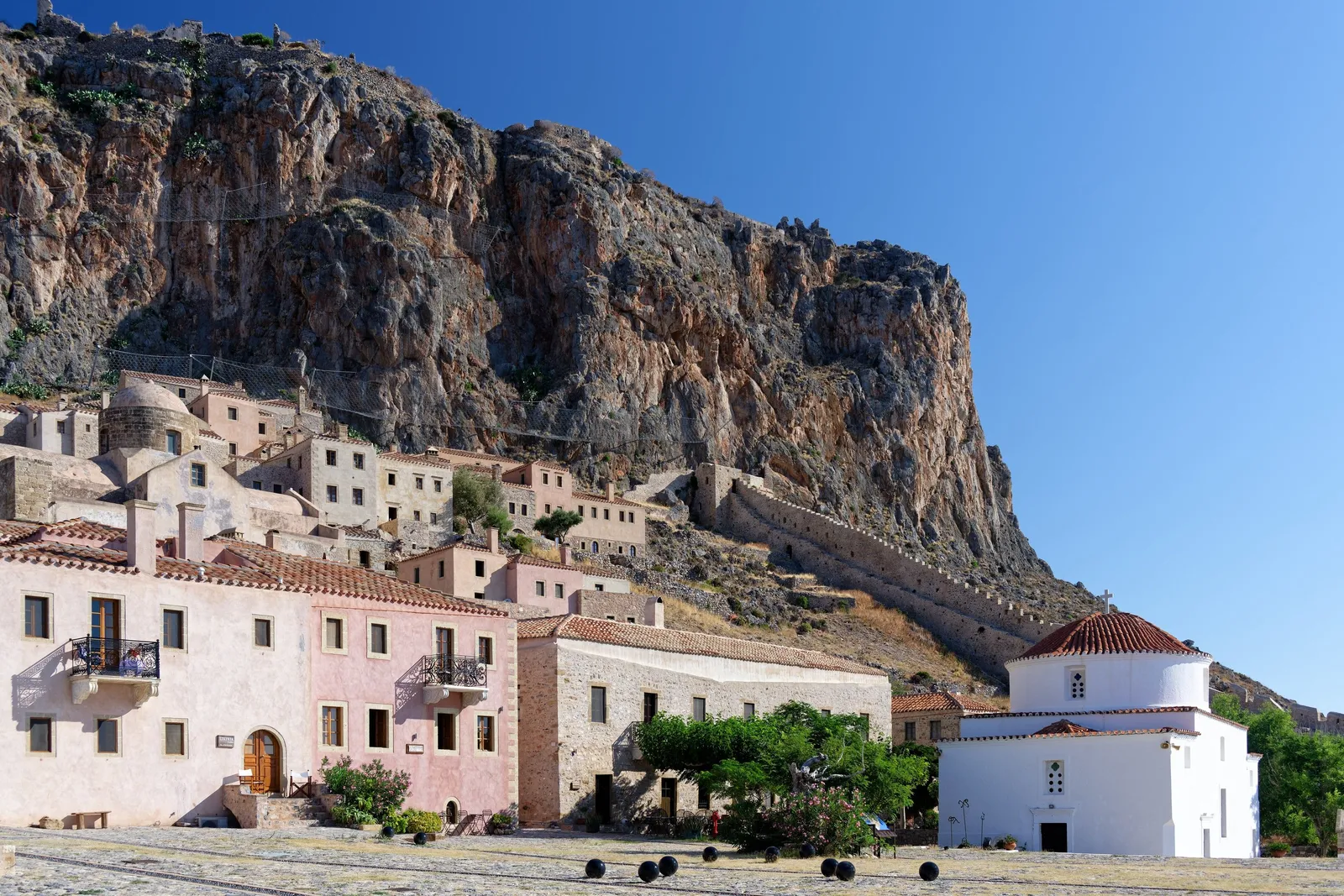
The kastro, the walled Venetian quarter at the top of the old town, still has the coats of arms above its doorways and is the most atmospheric wander on the island.
The waterfront is where the ferries, the tavernas and the evening stroll all happen, and it stays busy without ever feeling like a resort.
The beaches
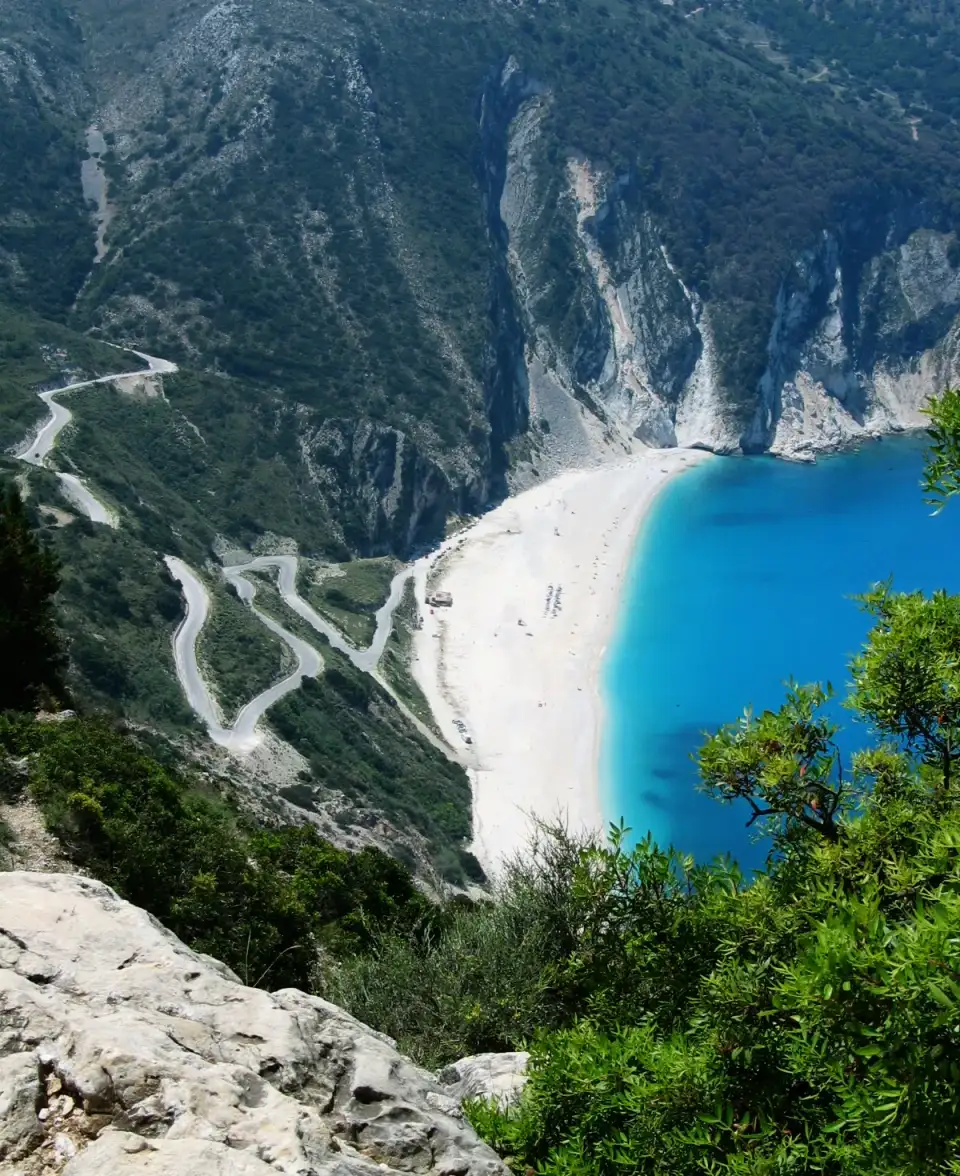
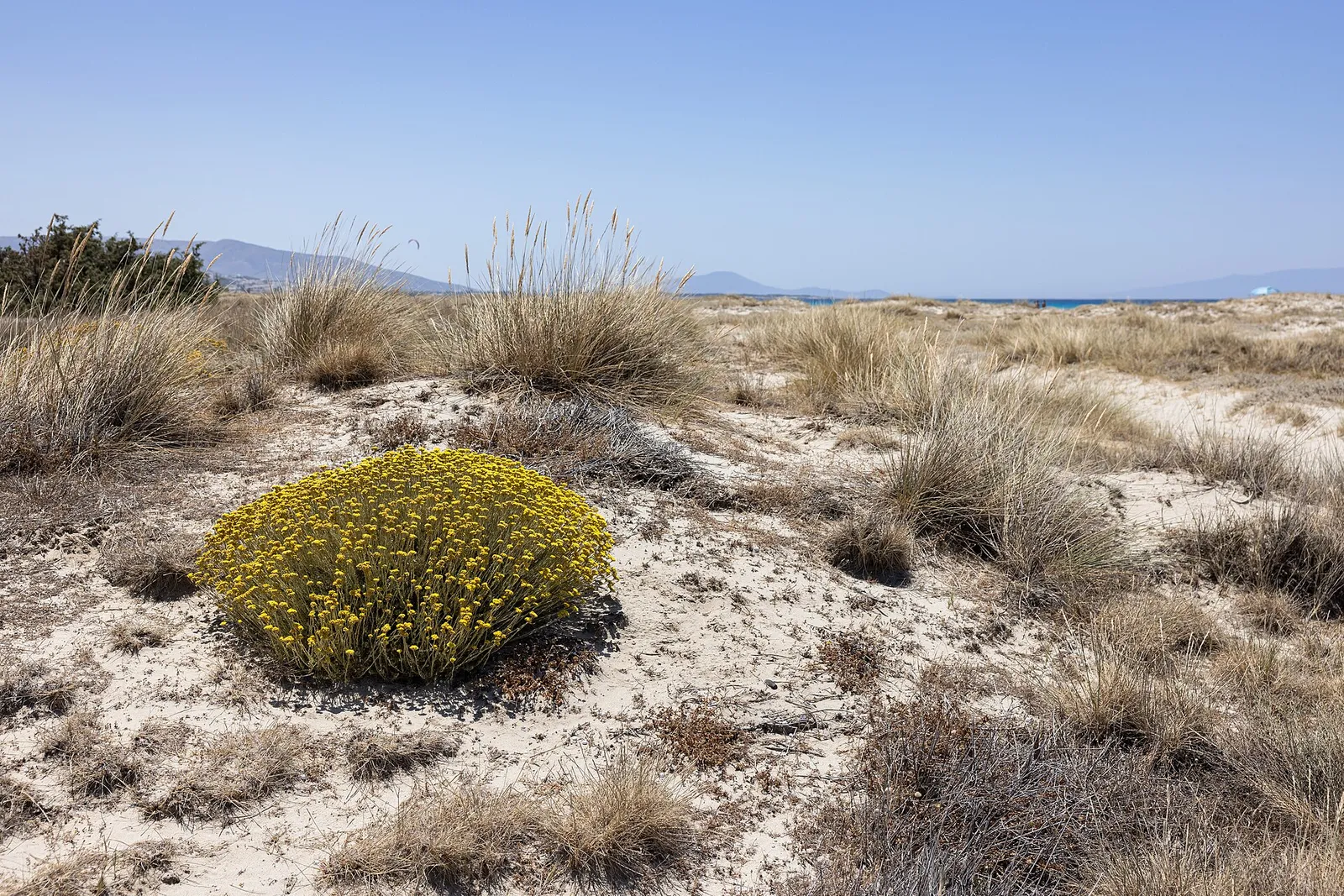
The west coast south of town is one long run of sand, and the further you drive, the wilder it gets.
The closest beaches to town are organised, shallow and easy, with sunbeds, tavernas and a bus link. This is where families base themselves.
The middle stretches are longer and quieter, with a taverna every so often and space between the umbrellas.
The far south is wide, exposed and often windy, which is exactly why kitesurfers and windsurfers come, and why it is nearly empty on a calm day.
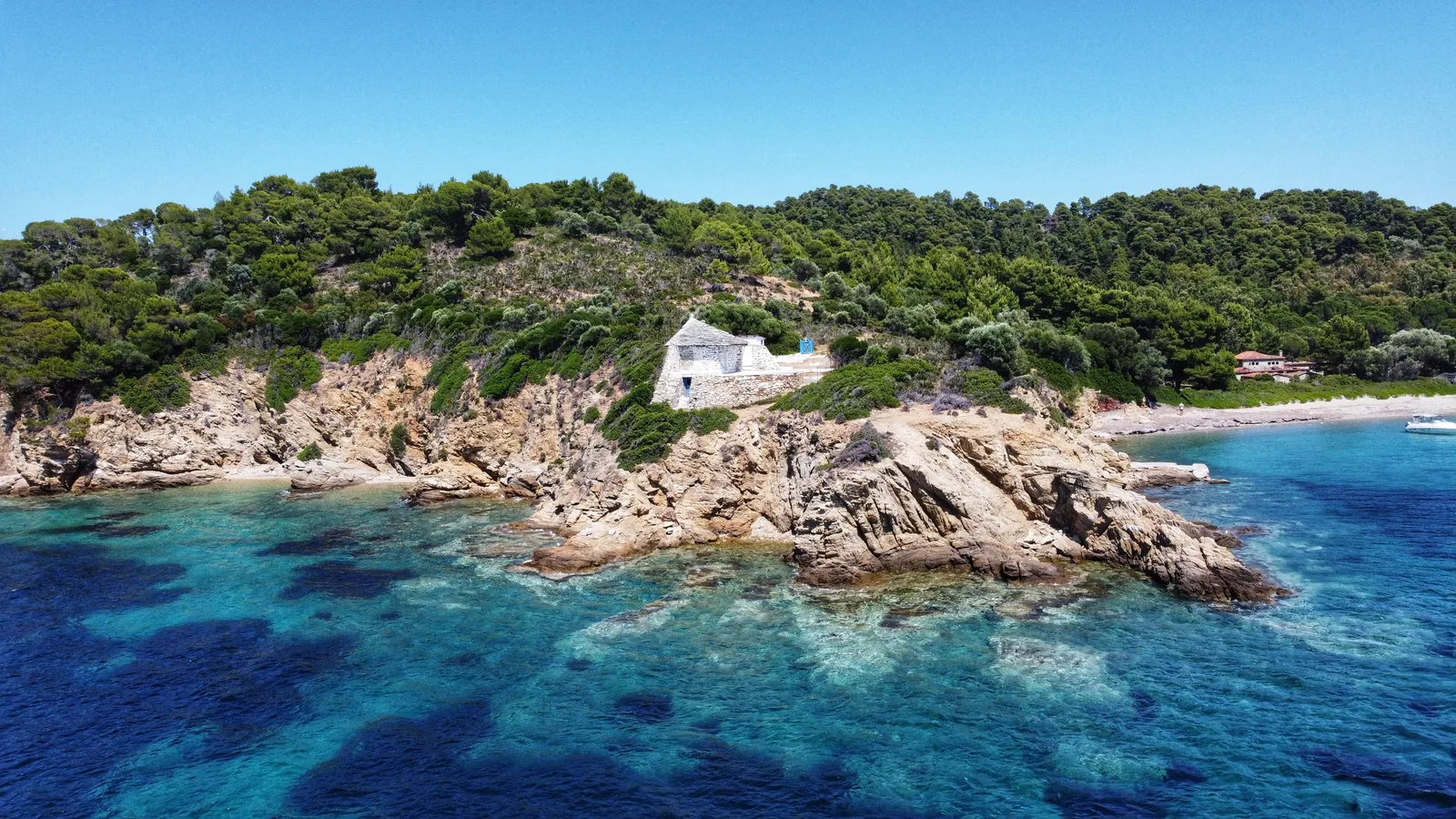
The east and north coasts are rockier, less visited and worth the drive if you want a cove to yourself.
What else to do
Walk between villages. Naxos has a genuine network of old footpaths, waymarked and walkable in spring and autumn, linking the inland settlements.
Eat the local produce. The island makes its own cheeses, potatoes with a real reputation in Greece, citrus liqueur and honey, and the tavernas serve their own rather than imported.
Take a boat to the Small Cyclades, the cluster of tiny islands to the southeast, which are a day trip from here and a different pace entirely.
Swim at the end of every day, because unlike the caldera islands, the sea here is always five minutes away.
Where it fits in an island trip
Naxos is on the main line and pairs naturally with its neighbours.
The hop to Paros is short and frequent, and the two islands together make an easy week without a single long crossing: our guide to Paros covers what it does differently and why the two are so often combined.
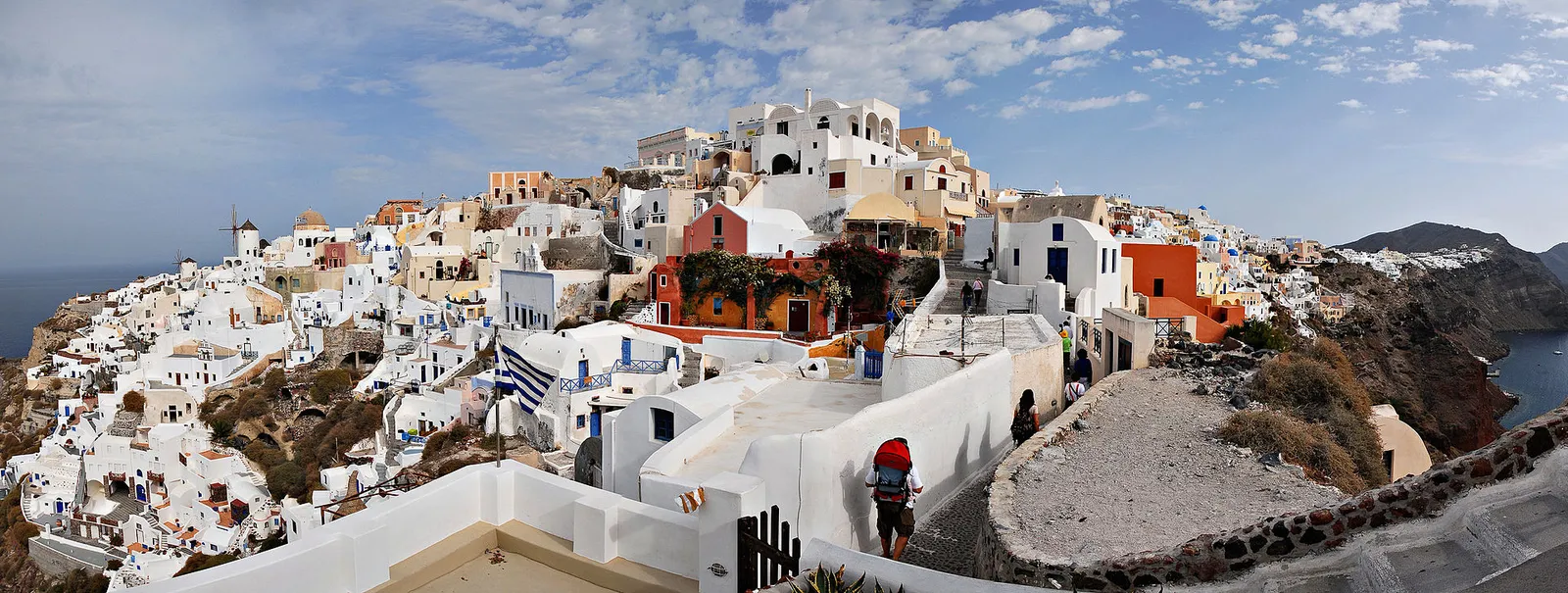
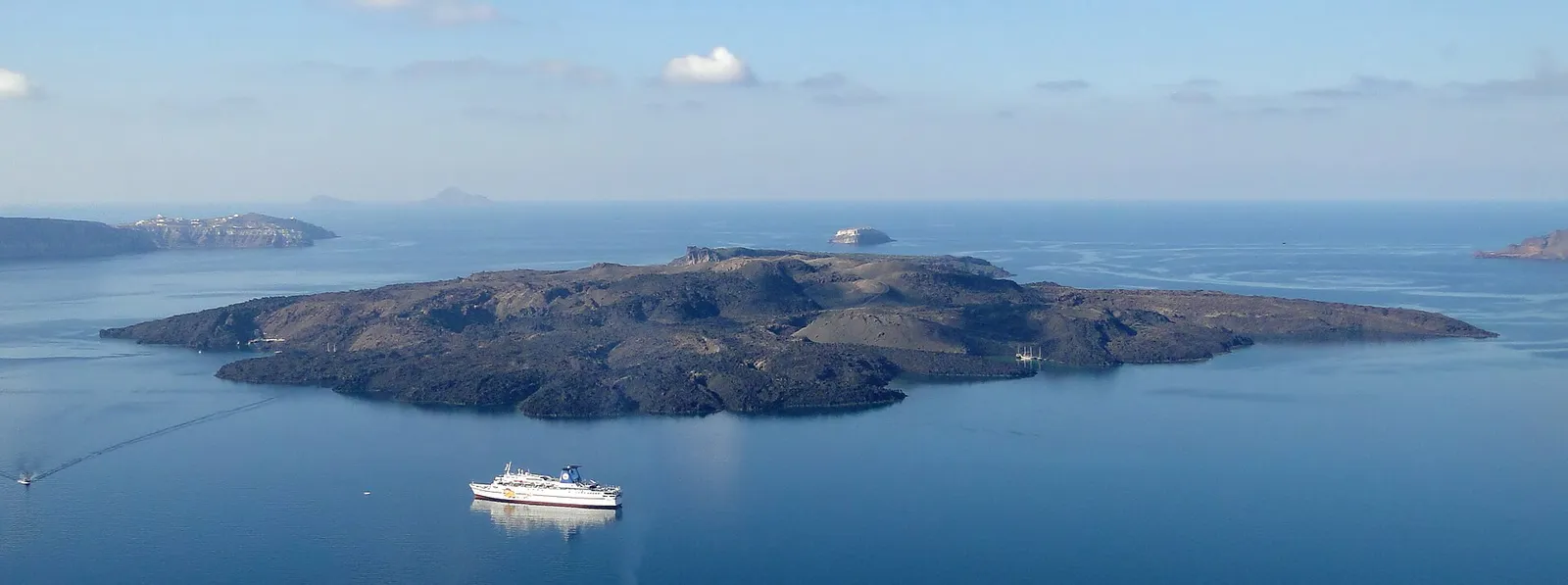
Southbound, the same line runs to the caldera, and our guide to Santorini covers how to see it without the crush, which is a very different two or three days from this island.
And if you are still deciding which corner of Greece to fly into at all, our guide to choosing a Greek island sets out how the island groups differ before you book anything.
The short version
Give Naxos four or five nights rather than two, because it is the one Cycladic island big enough to reward them. Stay in or near Chora for the town and the sunset at the Portara, and pick your beach by how organised you want it, working south for more space. Hire a car for at least two days and spend one of them entirely inland, in the marble villages and among the abandoned statues. Eat the local cheese and potatoes, walk an old path if you are here in spring or autumn, and expect to leave planning a longer trip next time.