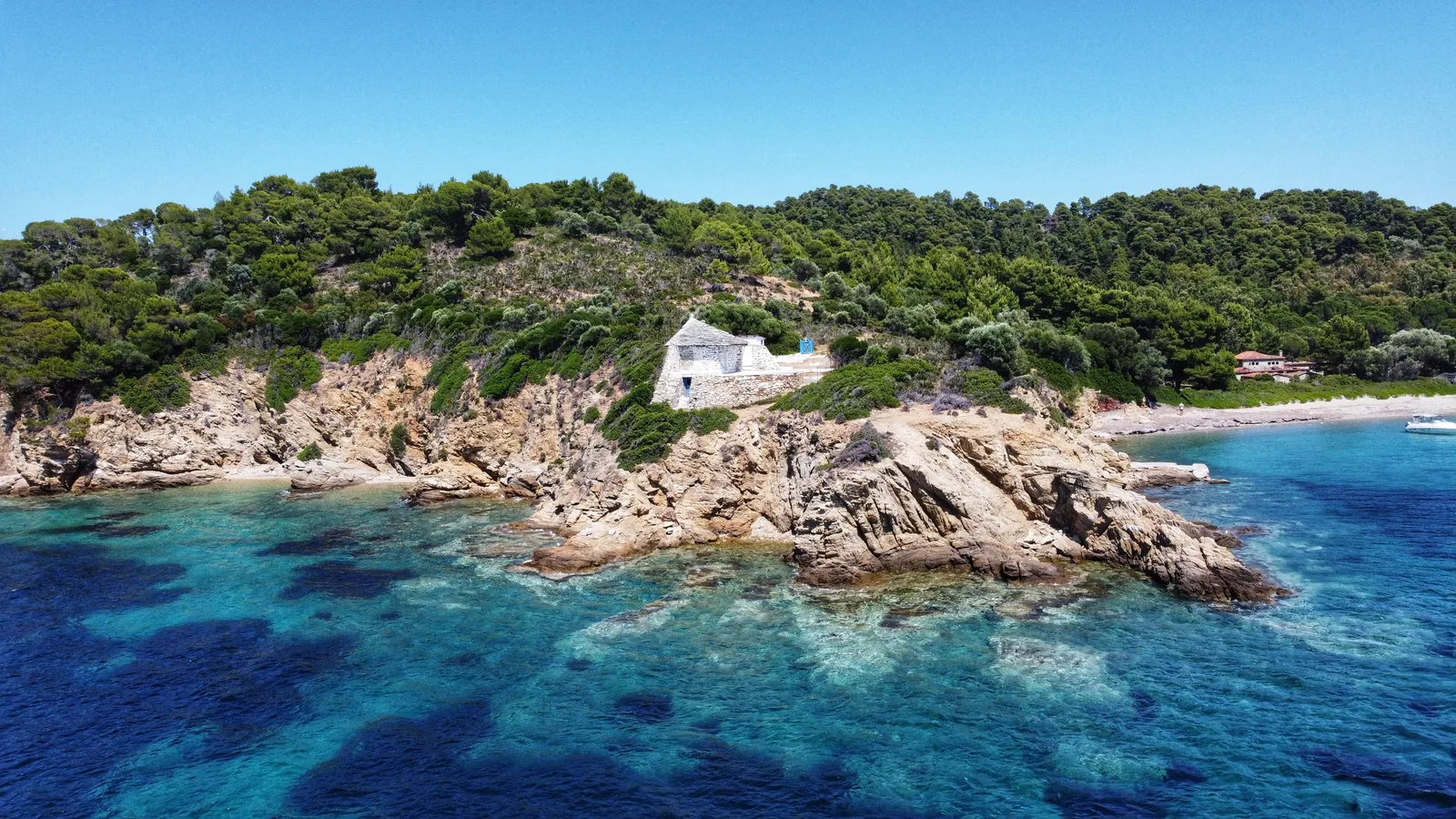
Paros is the Cycladic island that does not force a choice. It has the whitewashed lanes and blue shutters people fly to Greece for, a coastline of genuinely good sandy beaches, restaurants worth booking, a bar scene that runs late without running the island, and prices that have not left the atmosphere entirely. It sits in the middle of the main ferry line, an hour from three other islands, which is why it turns up in so many itineraries and why so many people extend once they arrive.
Two towns, two moods
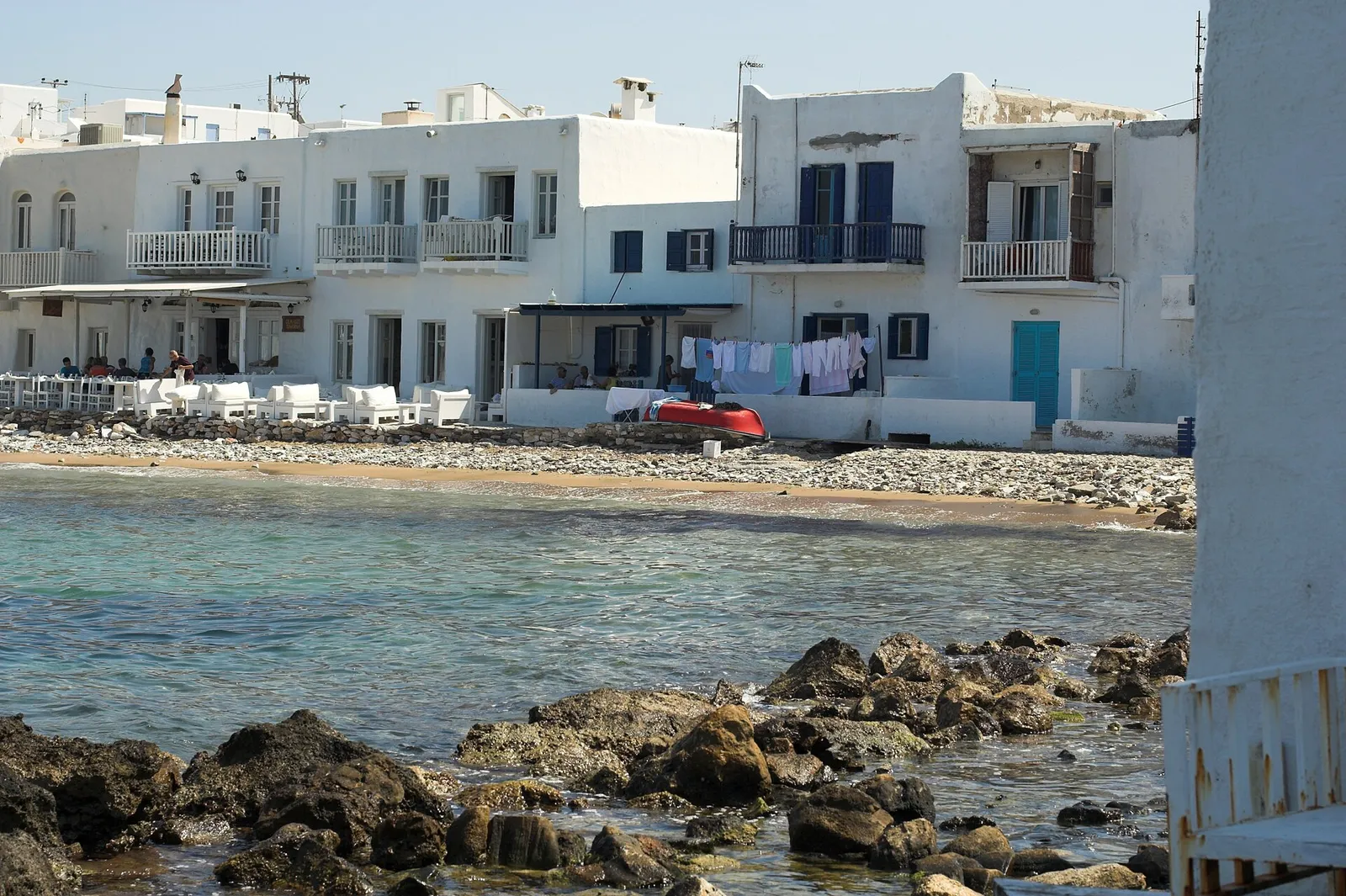
Naoussa, on the north coast, is the one on the postcards: a small fishing harbour with a half-sunken Venetian fort at its mouth, a tangle of lanes behind it, and boats pulled up beside restaurant tables. It is the fashionable end of the island, the best eating and the busiest evenings.
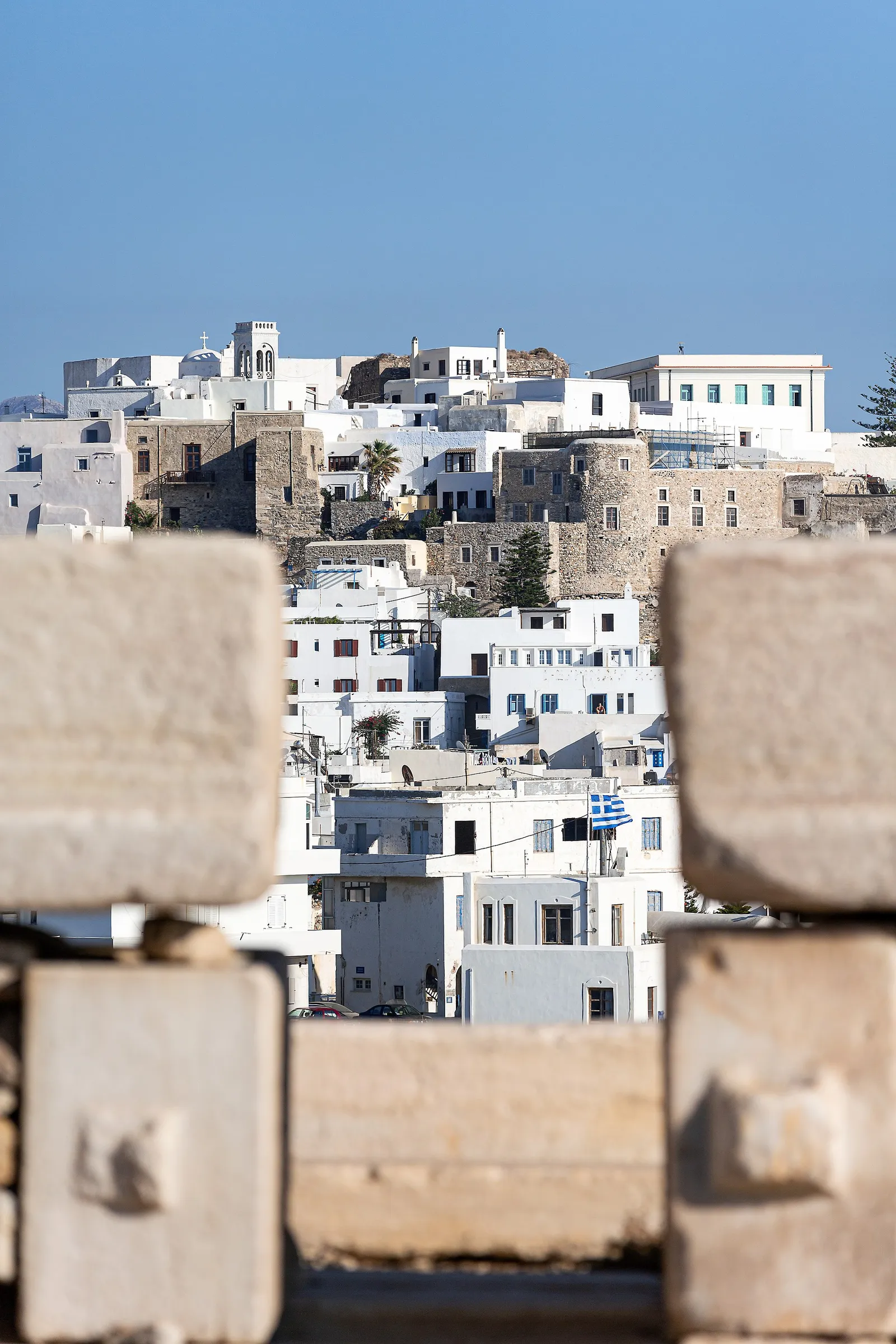
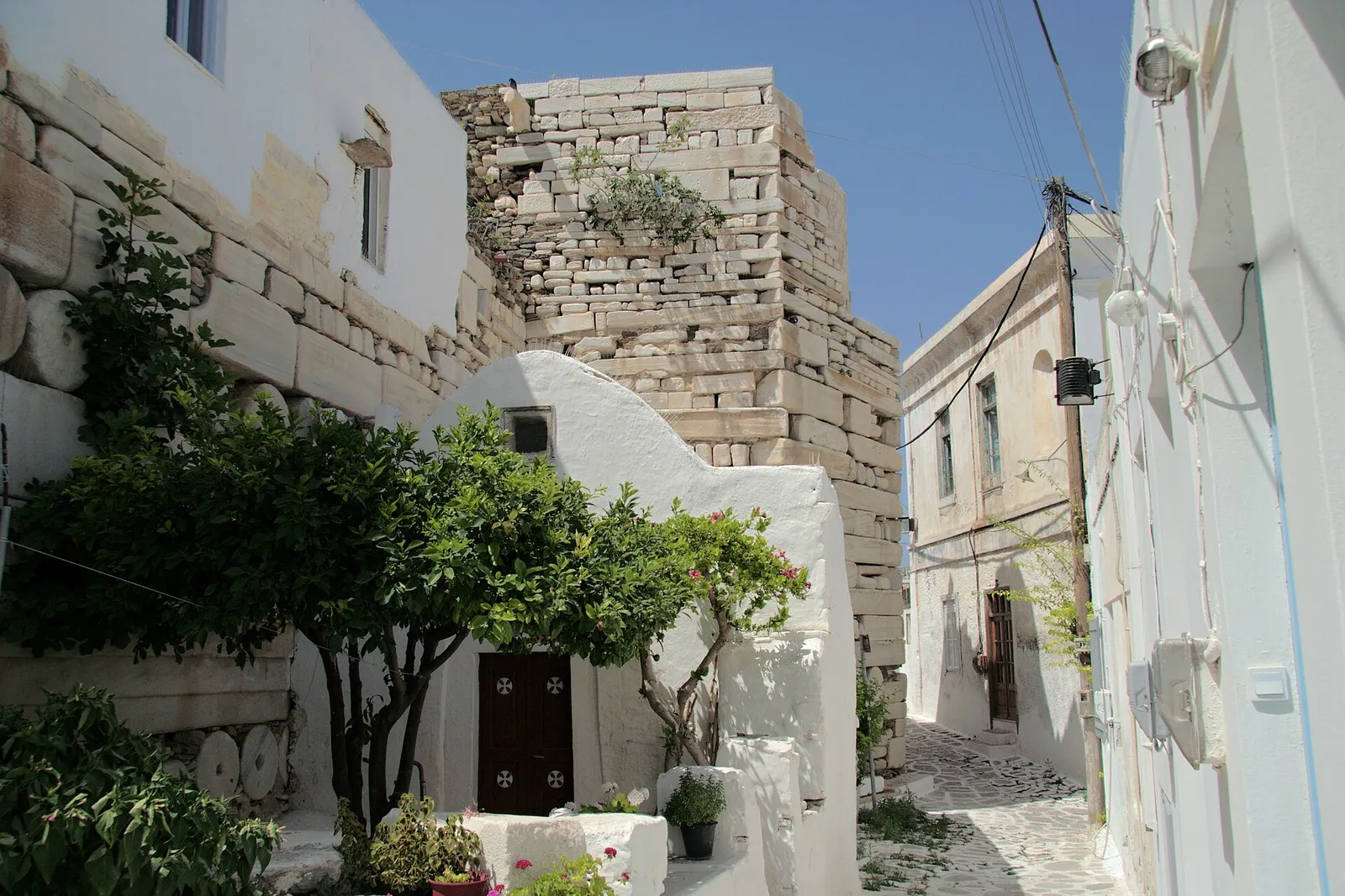
Parikia, on the west coast, is the ferry port and the capital. Arriving passengers see the waterfront and assume that is all there is, which is why the old town behind it stays comparatively quiet. It has a marble-paved main lane, a Venetian castle built out of recycled ancient columns, and one of the oldest and most important churches in Greece.
Lefkes, up in the hills, is the third piece: a mountain village of marble streets and shaded squares, cooler than the coast and almost empty in the evening.
The beaches
Paros has more good sand than most islands its size, and the wind decides which one to use.
The northern bays around Naoussa are close, reachable by boat taxi across the bay, and the easiest option for a base in town.
The east coast, including Golden Beach, is long, sandy and exposed, which makes it the windsurfing and kitesurfing side of the island and a poor choice on a blowy day.
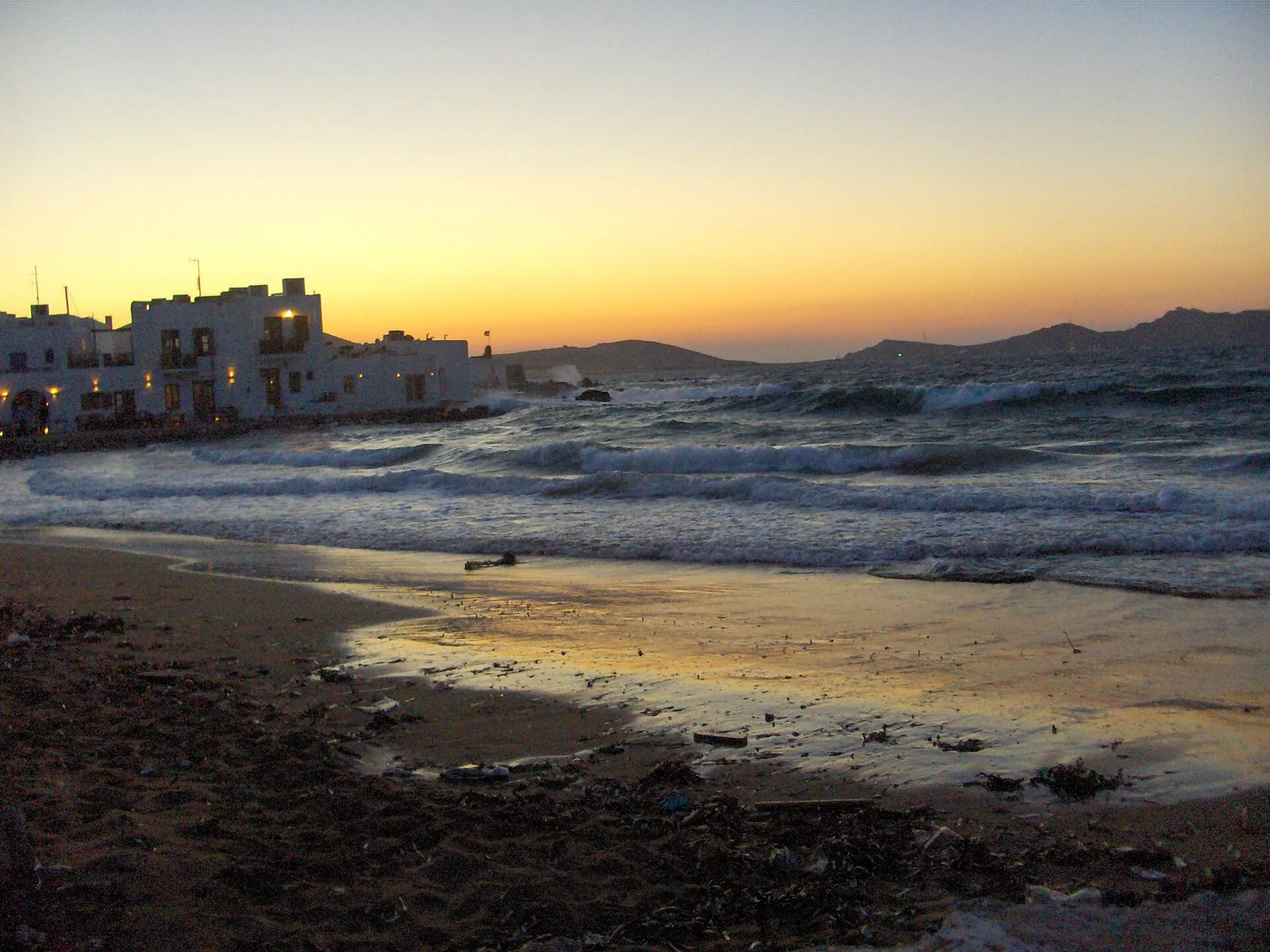
The southwest is the sheltered side and where to head when the meltemi is up.
The small coves reached by unpaved track are where the space is, and they are the argument for hiring something to drive.
Beyond the beach
Antiparos is a short and frequent ferry from the west coast, smaller and quieter, with one very pleasant street, good beaches and a cave in the interior that has been a curiosity for centuries.
The Byzantine road between Lefkes and the coast is a paved old path, walkable downhill in an easy couple of hours, and the best short walk on the island.
The marble quarries near Marathi supplied some of the most famous sculpture of the ancient world, and the tunnels are still there.
Boat trips run to the neighbouring islands and around the coast, and on an island where the wind rules the beaches, a day on the water is rarely wasted.
Where it fits in an island trip
Paros is one of the easiest islands in Greece to build a trip around, because everything else is close.
The hop to Naxos is short and runs many times a day, and the two make an obvious pair: our guide to Naxos covers the bigger, greener, cheaper neighbour and why families keep going back to it.
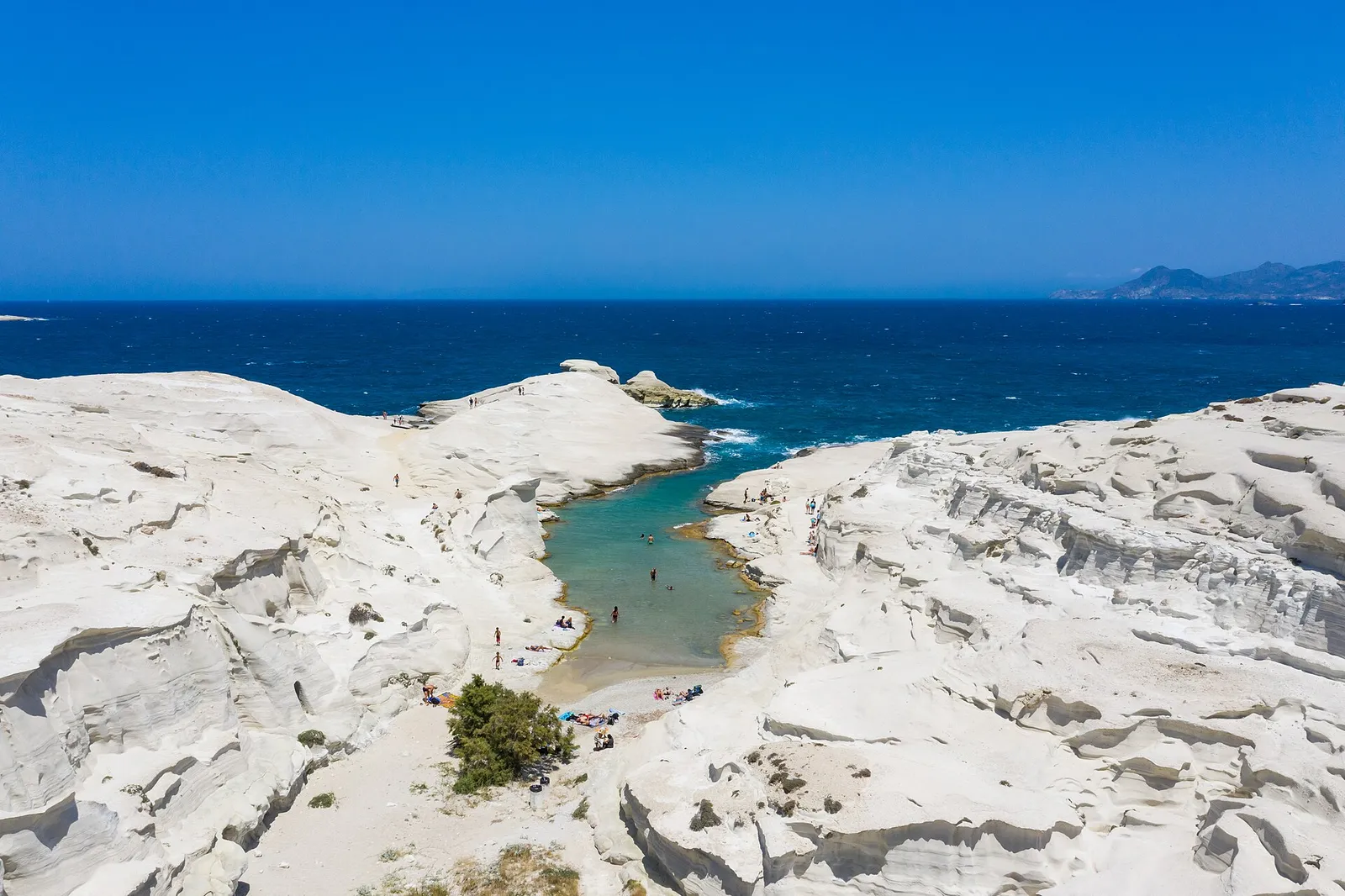
Further west, the volcanic coastline of Milos is a different island entirely, and our guide to Milos covers the beaches that look like nowhere else in the country.
And if you have not settled on a region at all, our guide to choosing a Greek island explains how the groups differ before you commit to a ferry ticket.
The short version
Give Paros three or four nights and pick your base by mood: Naoussa for the harbour, the restaurants and the evenings, Parikia for the ferry, the old town and better value. Choose your beach each morning by which way the wind is blowing, since the island has a sheltered side whatever it is doing. Go up to Lefkes for an afternoon and walk the old paved road back down. Take the short ferry to Antiparos for a day. And treat Paros as a base rather than a stop, because everything else in the Cyclades is an hour away.