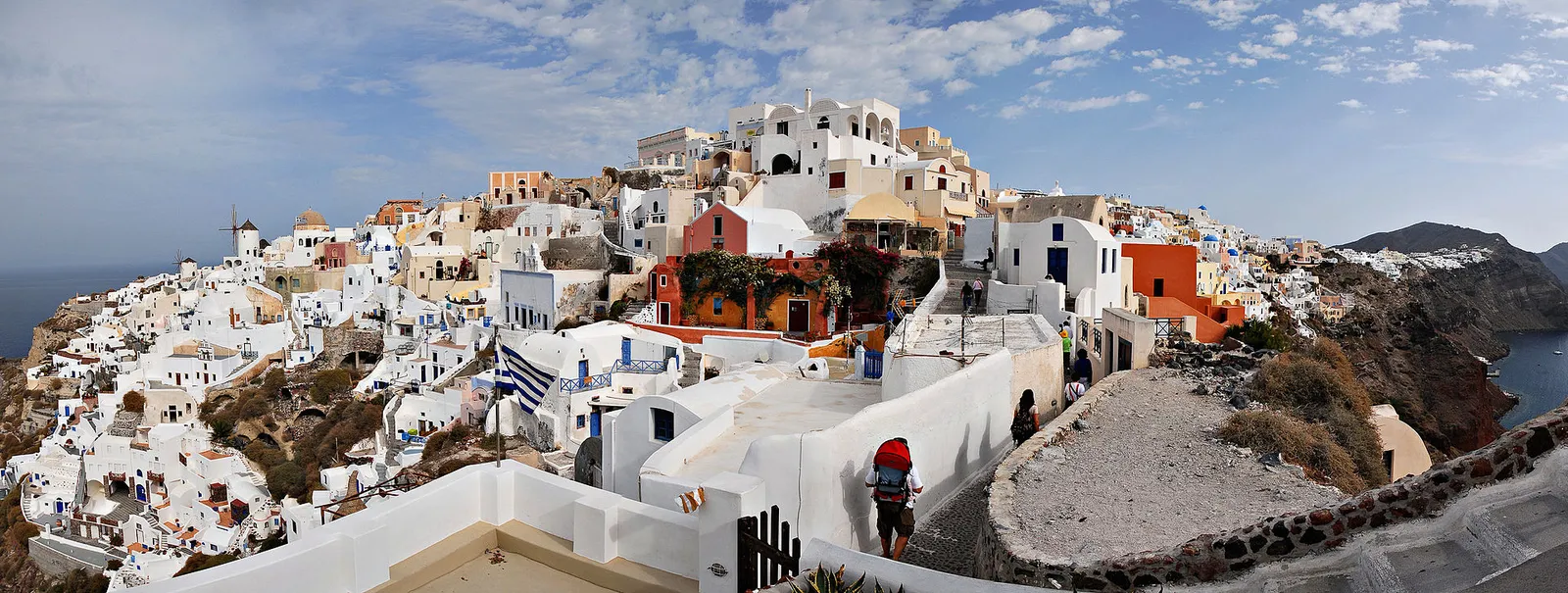
Santorini is the most photographed island in Greece and the one visitors are most often warned about. Both things are true at once. The caldera really is one of the great views in Europe, a drowned volcano with villages balanced along the rim, and it really is possible to spend three days there feeling like you queued for a photograph. The difference is almost entirely in when you come, where you sleep and what time you get up.
What the island actually is
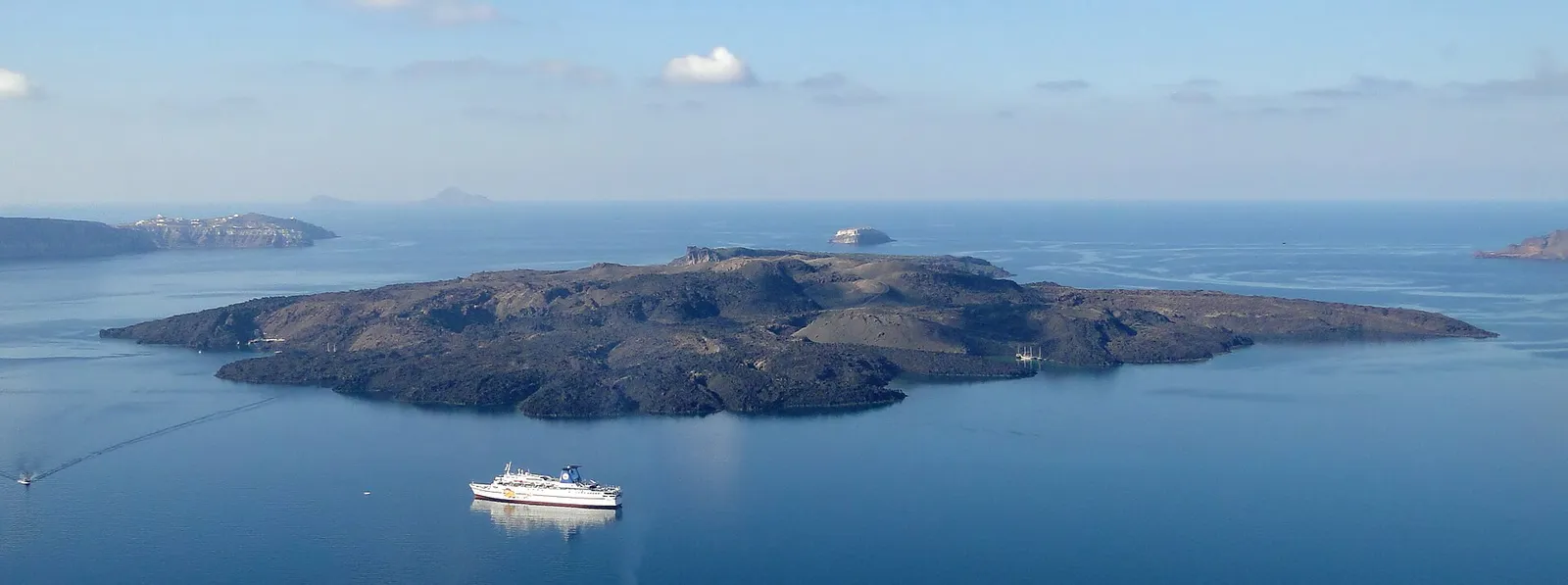
Santorini is the rim of a collapsed volcano. That single fact explains everything about it.
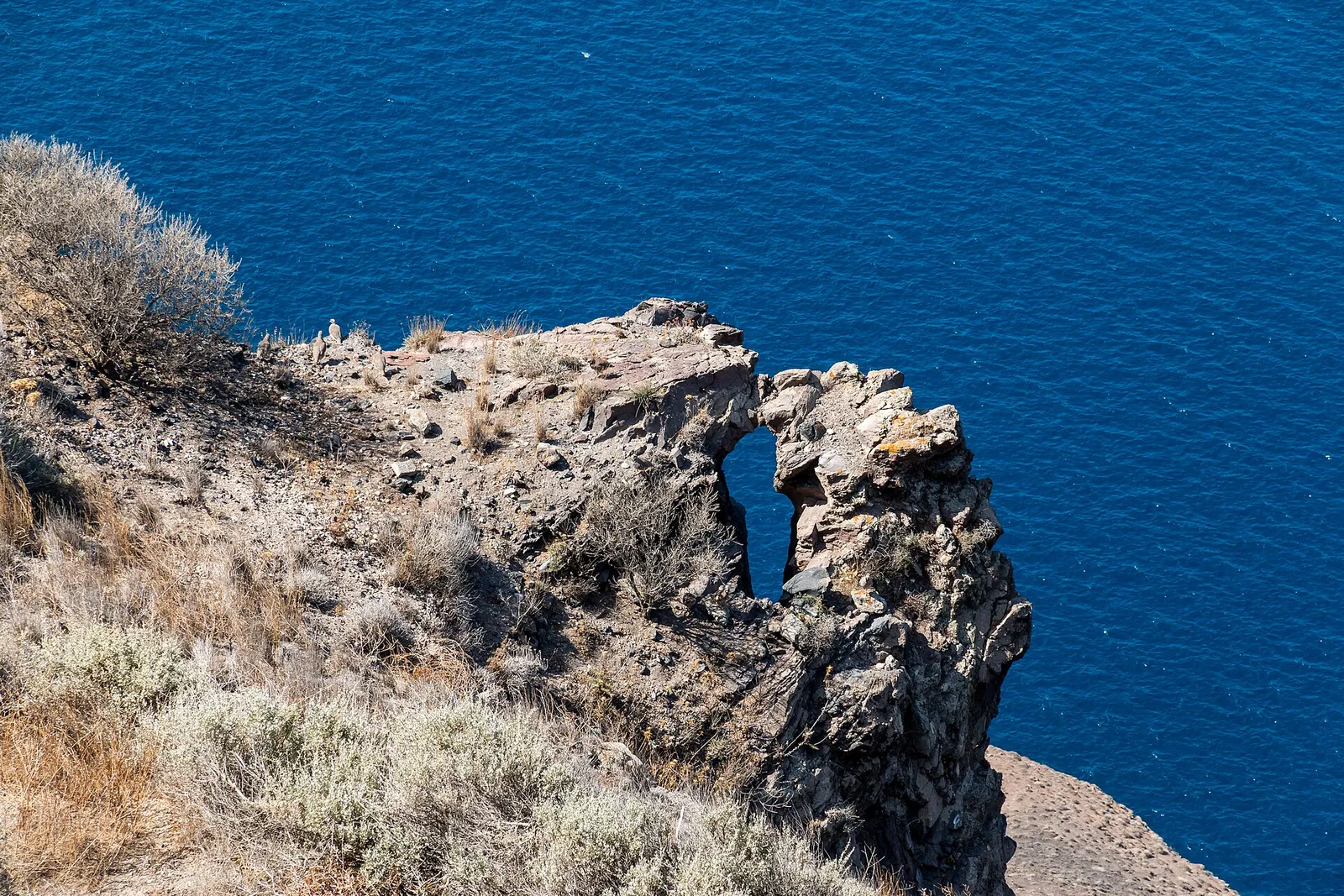
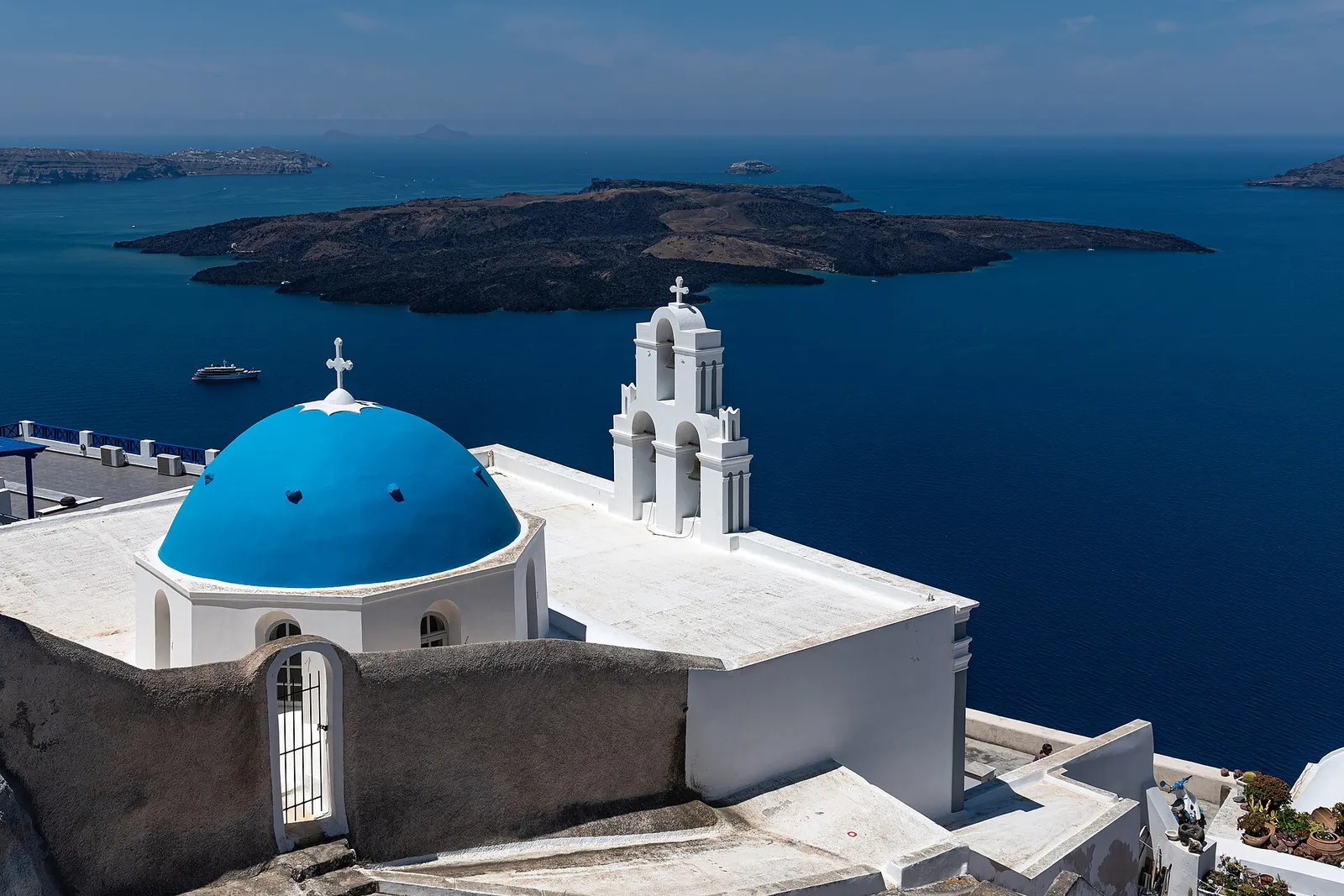
The caldera is the flooded crater, ringed by cliffs several hundred metres high, with the villages strung along the top edge on the western side.
The east coast slopes gently down to the sea and holds the beaches, the flat farmland, the vineyards and the cheaper hotels.
The two halves feel like different islands, and a lot of disappointment comes from booking one and expecting the other.
The whole thing is small. You can drive its length in well under an hour, which means a base anywhere works logistically, even if the view does not follow you.
The villages on the rim
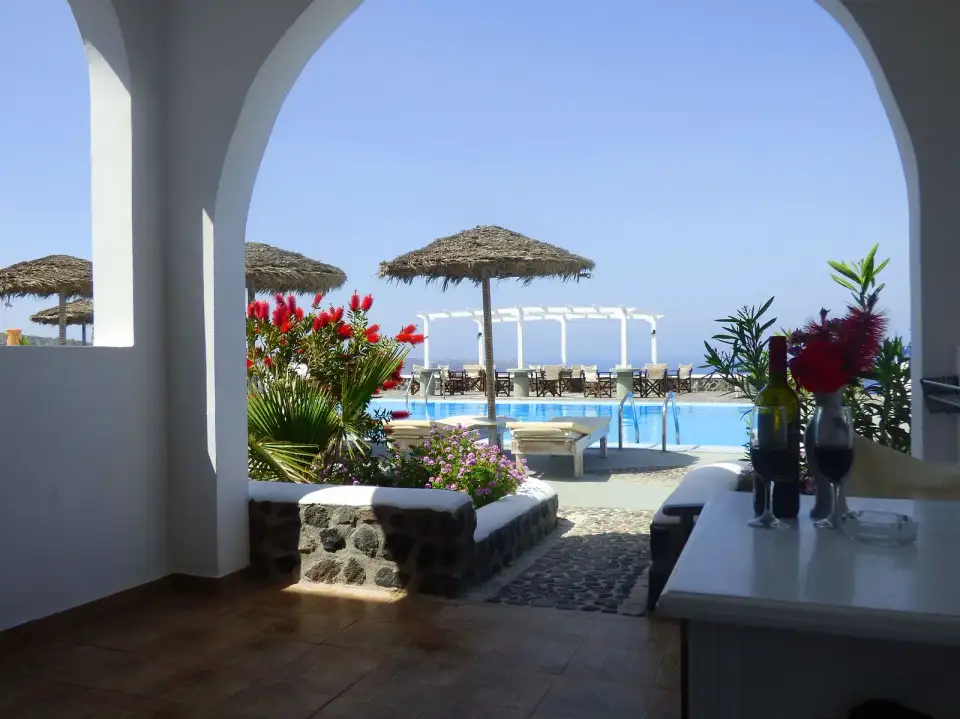
Fira is the capital and the busiest place on the island: caldera views, the widest choice of restaurants, the nightlife, the bus hub and the cheapest rooms with a view. It is the practical base.
Firostefani and Imerovigli sit north of Fira along the same clifftop footpath, quieter with every step, with arguably better views and fewer people in them.
Oia is the famous one, at the northern tip, where the blue domes and the sunset photographs come from. It is beautiful and it is the most expensive and most crowded point on the island.
The clifftop path linking Fira to Oia is the best walk in the Cyclades, about three hours at a gentle pace, and doing it early in the morning is the single best thing on this page.
Beyond the rim
The half of Santorini that visitors skip is the half that locals use.
The beaches are volcanic: black sand at Perissa and Kamari, the striking red beach near Akrotiri, and quieter dark-pebble stretches in between. Swimmable, dramatic, and hot enough underfoot that shoes matter.
Akrotiri, the Bronze Age town buried by the eruption and excavated under a modern roof, is the most underrated sight on the island and is comfortable in any weather.
Ancient Thera, on the ridge above Kamari, gives the best view of the whole island for the price of a steep road.
The wineries. Santorini’s vines are grown in low baskets on the ground against the wind, the white wine made from them is unlike anything else in Greece, and a tasting on the eastern slopes is a good afternoon.
Pyrgos, an inland hill village, is what the caldera towns looked like before the hotels.
Getting there and around
Ferries and flights both serve the island year round, with a large seasonal increase in both. The ferry from the mainland is the scenic and cheaper option and the flight is the fast one.
The old port below Fira is where cruise tenders and some small boats arrive, reached by cable car, on foot down hundreds of steps, or by donkey, which is best avoided.
Buses run from the central station in Fira to the main villages and beaches and are cheap and frequent in season.
A quad or a car buys you the beaches and the wineries on your own timetable, and in August it buys you a parking problem.
Fitting Santorini into a trip
Santorini is a stop, not a holiday, for most people.
Three nights here and the rest of the time on a bigger, cheaper and greener island is the shape that sends people home happiest, and our guide to choosing a Greek island covers how the groups differ and which one suits the trip you want.
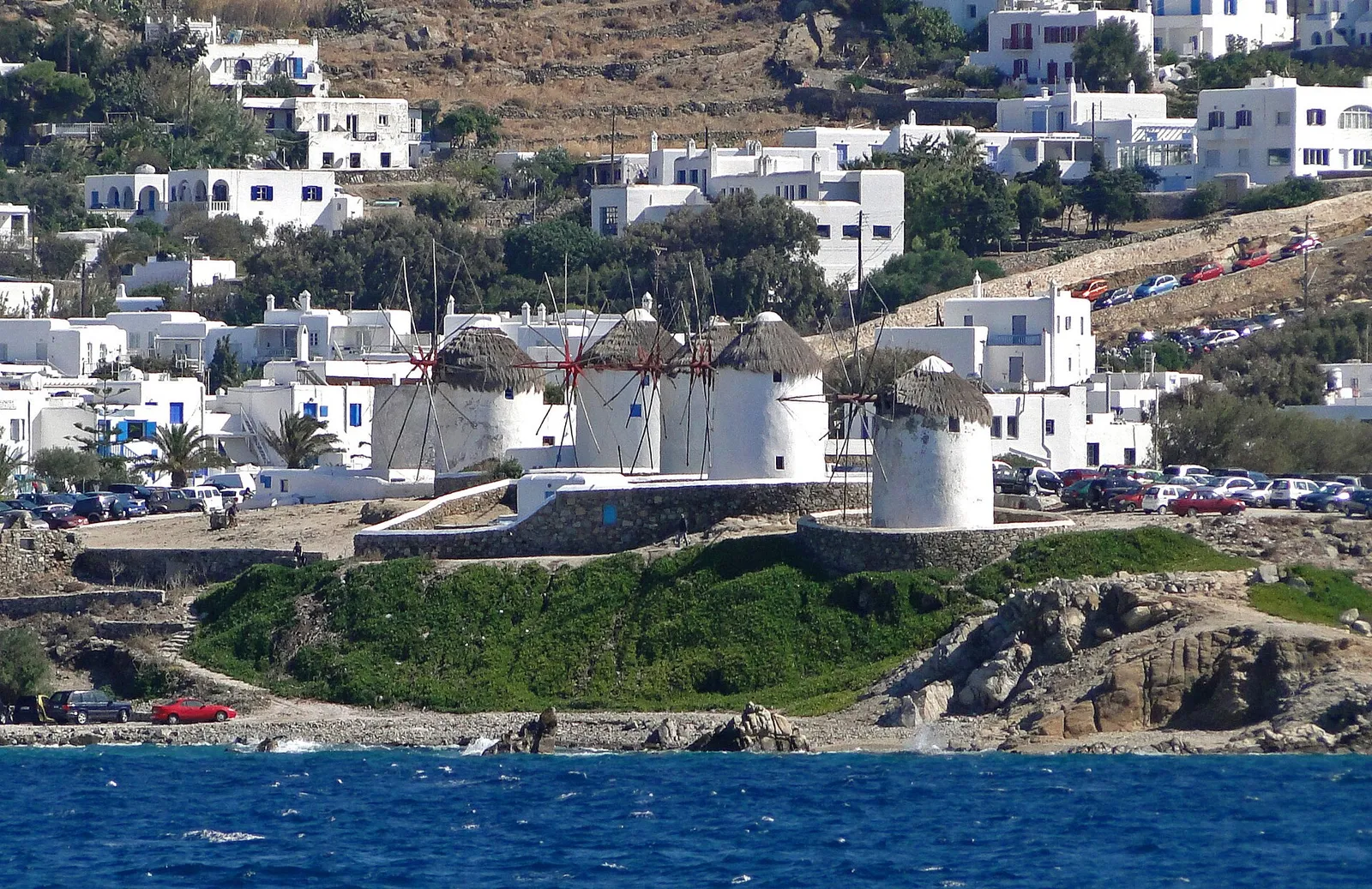
If your shortlist is down to two names, our comparison of Mykonos and Santorini settles the one visitors ask about most, and they are far less alike than the photographs suggest.
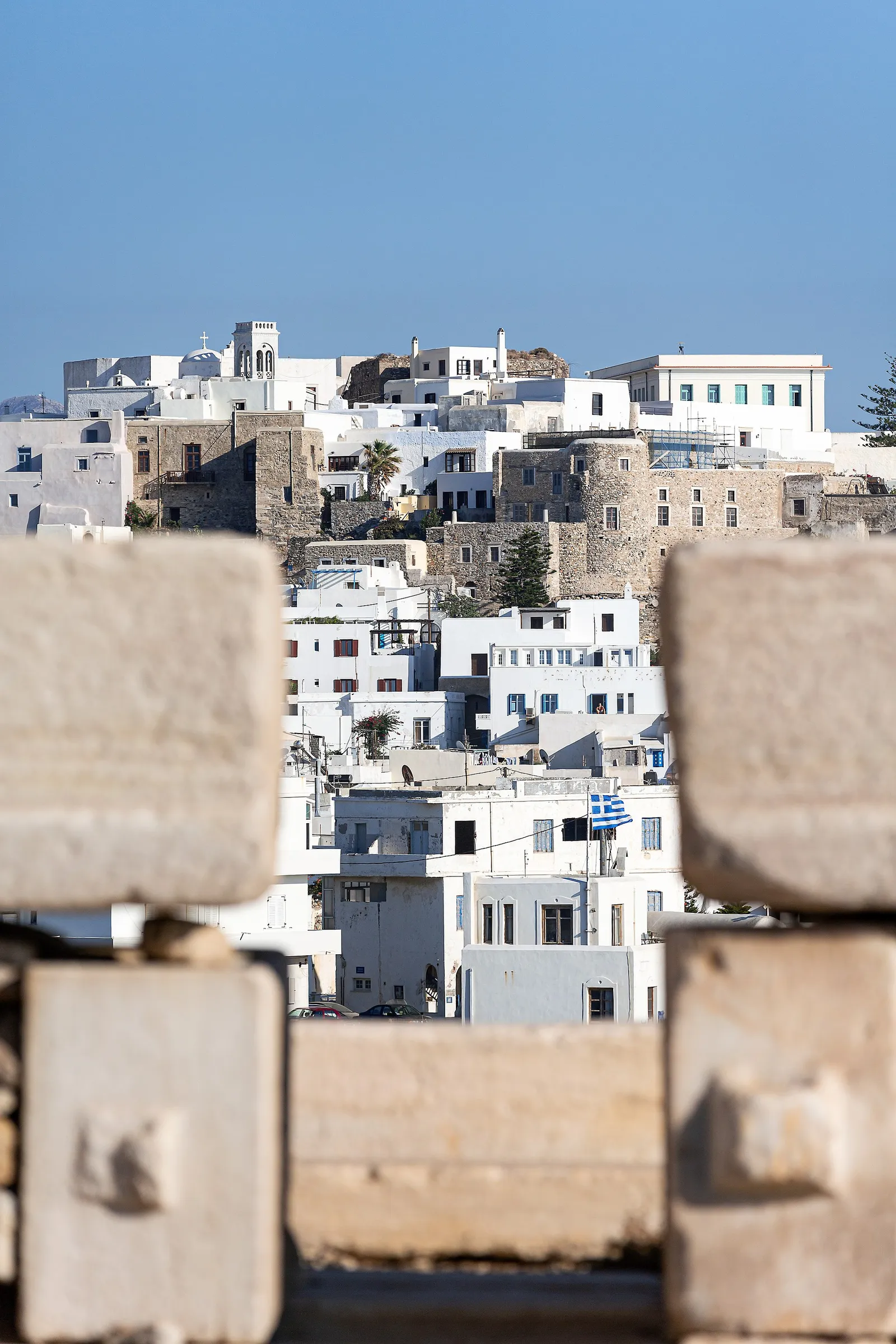
And for the obvious next stop on the same ferry line, with real beaches, mountain villages and a fraction of the prices, our guide to Naxos covers the island most people wish they had added.
The short version
Come in May, June, September or early October, stay at least two nights so you are on the island when the cruise passengers are not, and walk the clifftop path from Fira towards Oia early in the morning. Watch the sunset from anywhere on the rim other than the castle at Oia. Give the eastern half a day for Akrotiri, a black sand beach and a winery. Book the caldera room early or skip it deliberately and stay cheaply on the coast, because the half-measure in the middle is the one that costs money and disappoints.