Ask a Greek where they go on holiday and a surprising number will say Pelion. Ask a foreign visitor and most will not have heard of it.
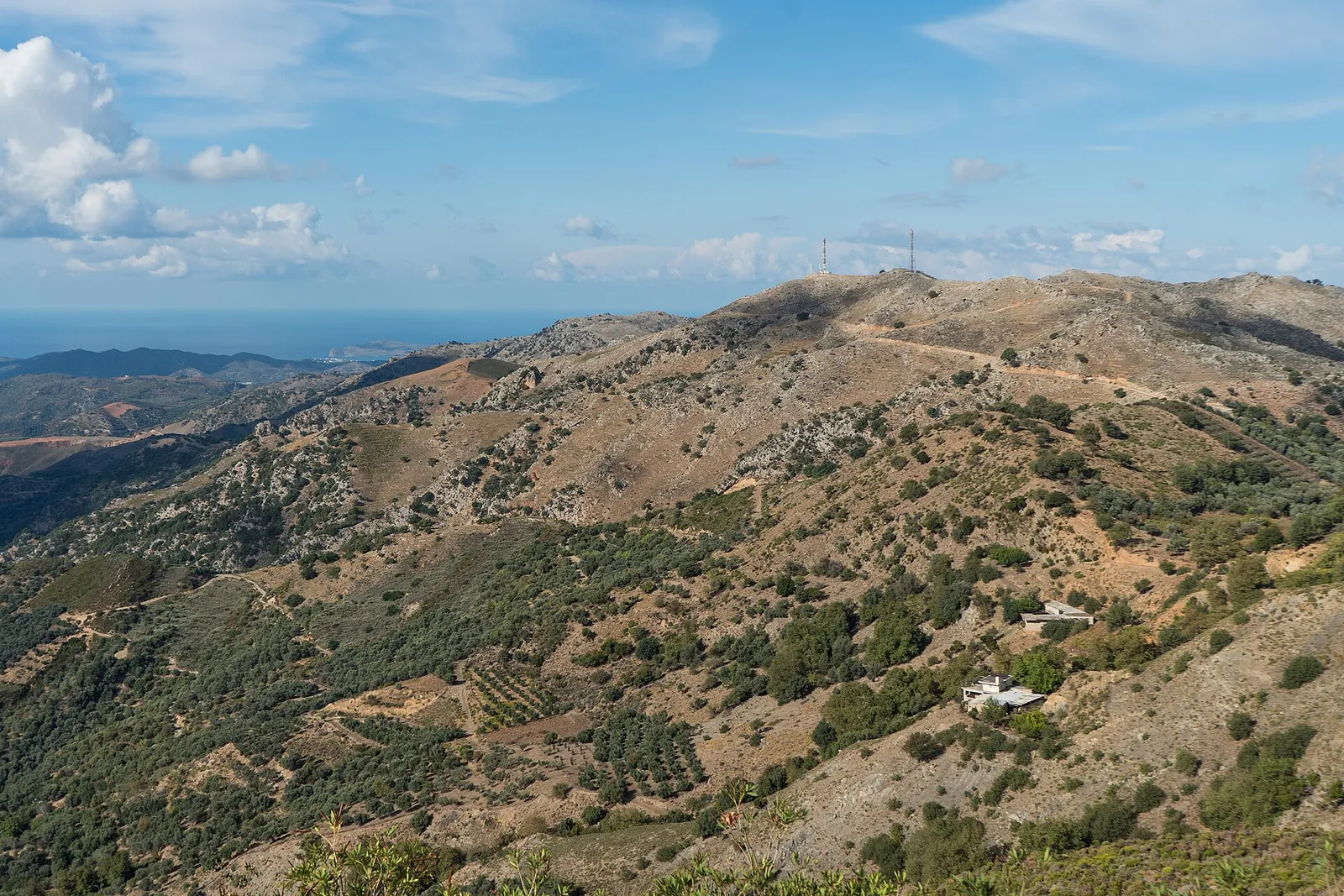
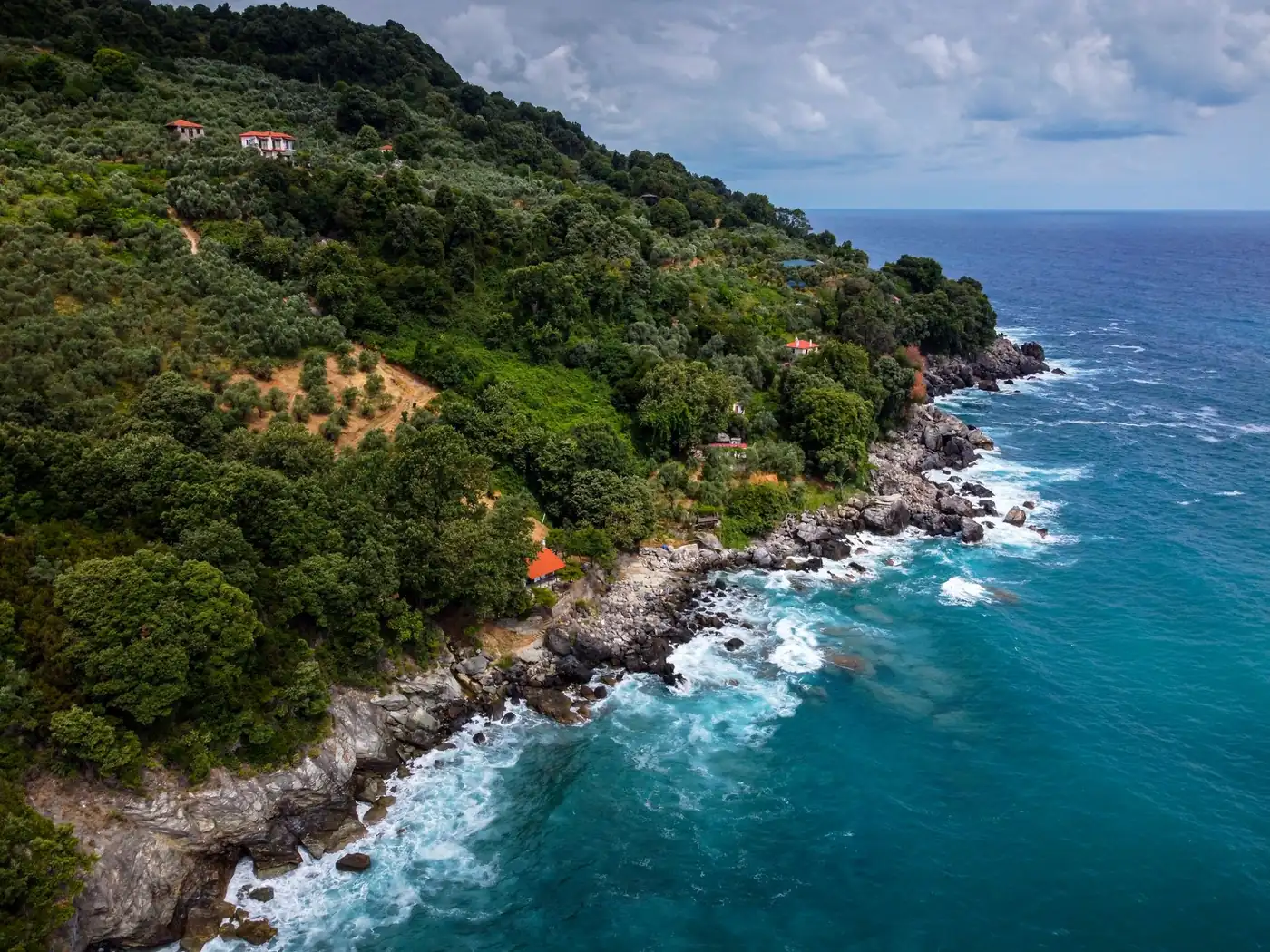
It is a mountain peninsula in Thessaly, thick with beech and chestnut forest, dotted with villages built entirely in grey stone and slate, and dropping on its eastern side into a series of coves that would be famous if they were on an island. It is a driving destination, it is green rather than white, and it feels almost nothing like the Greece that appears on the front of the brochure.
The shape of the place
Volos sits at the base of the peninsula and is the gateway, a working port city that most visitors pass through rather than linger in. From there the road climbs.
The peninsula divides in two by geography and by temperament:
The western side, facing the Pagasetic Gulf, is sheltered, calm and shallow. The water is flat, the beaches are family beaches, and the villages sit close to Volos.
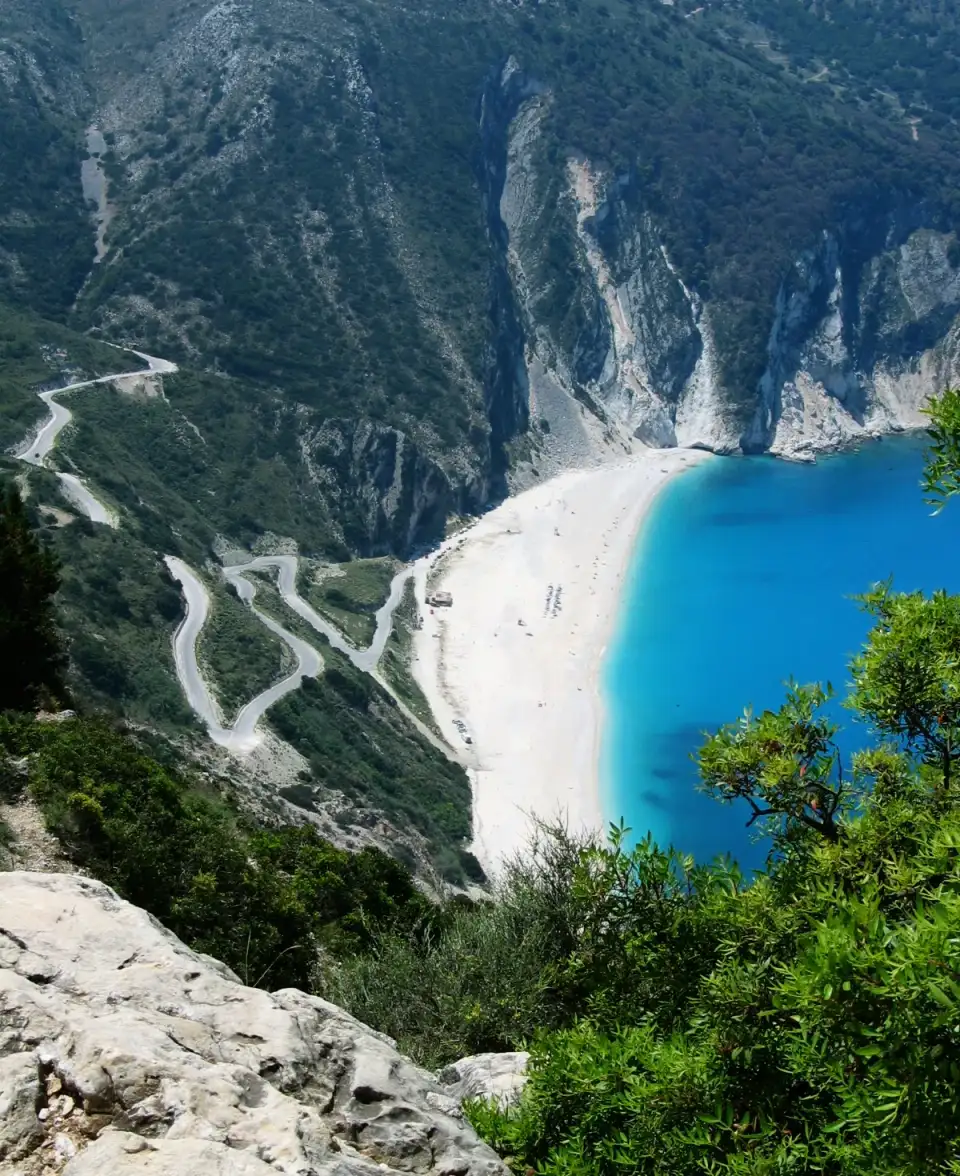
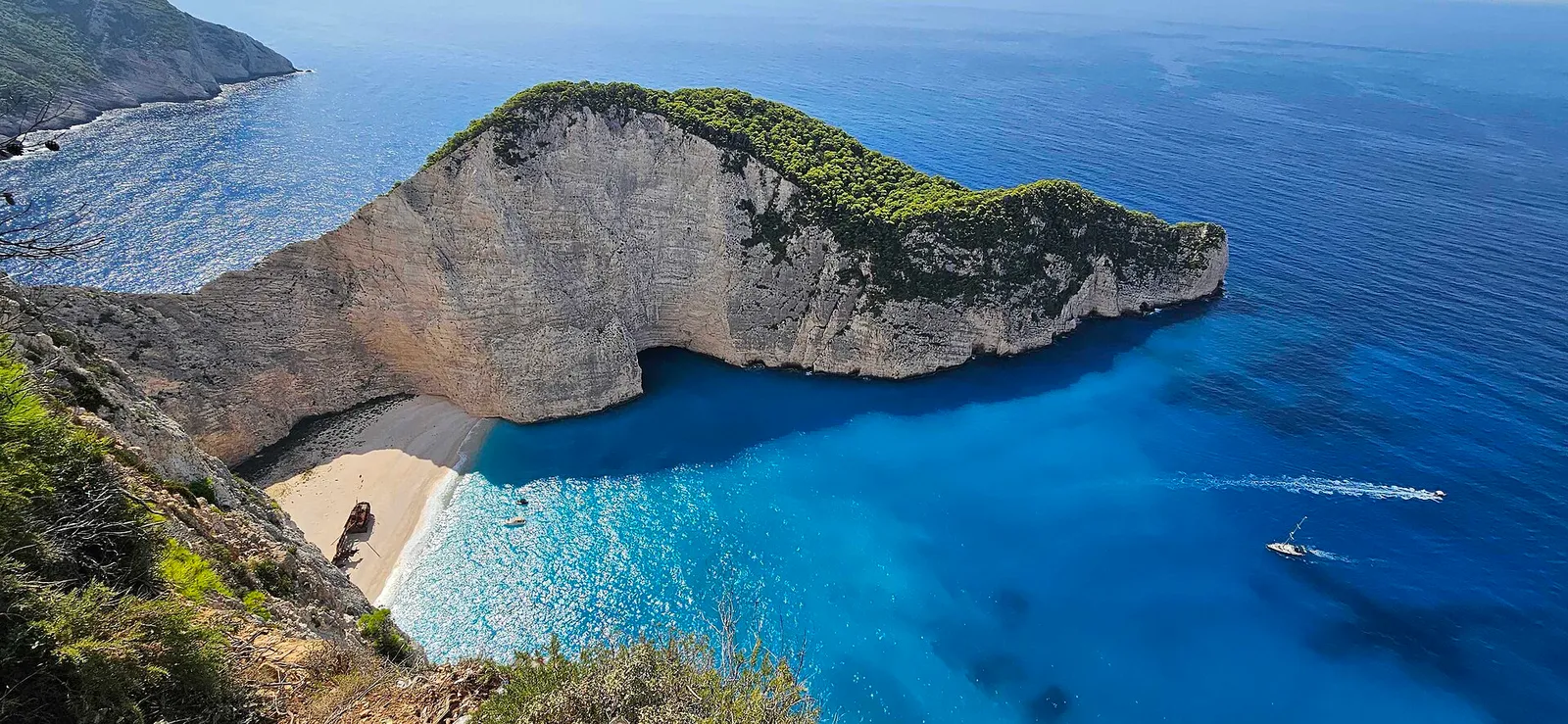
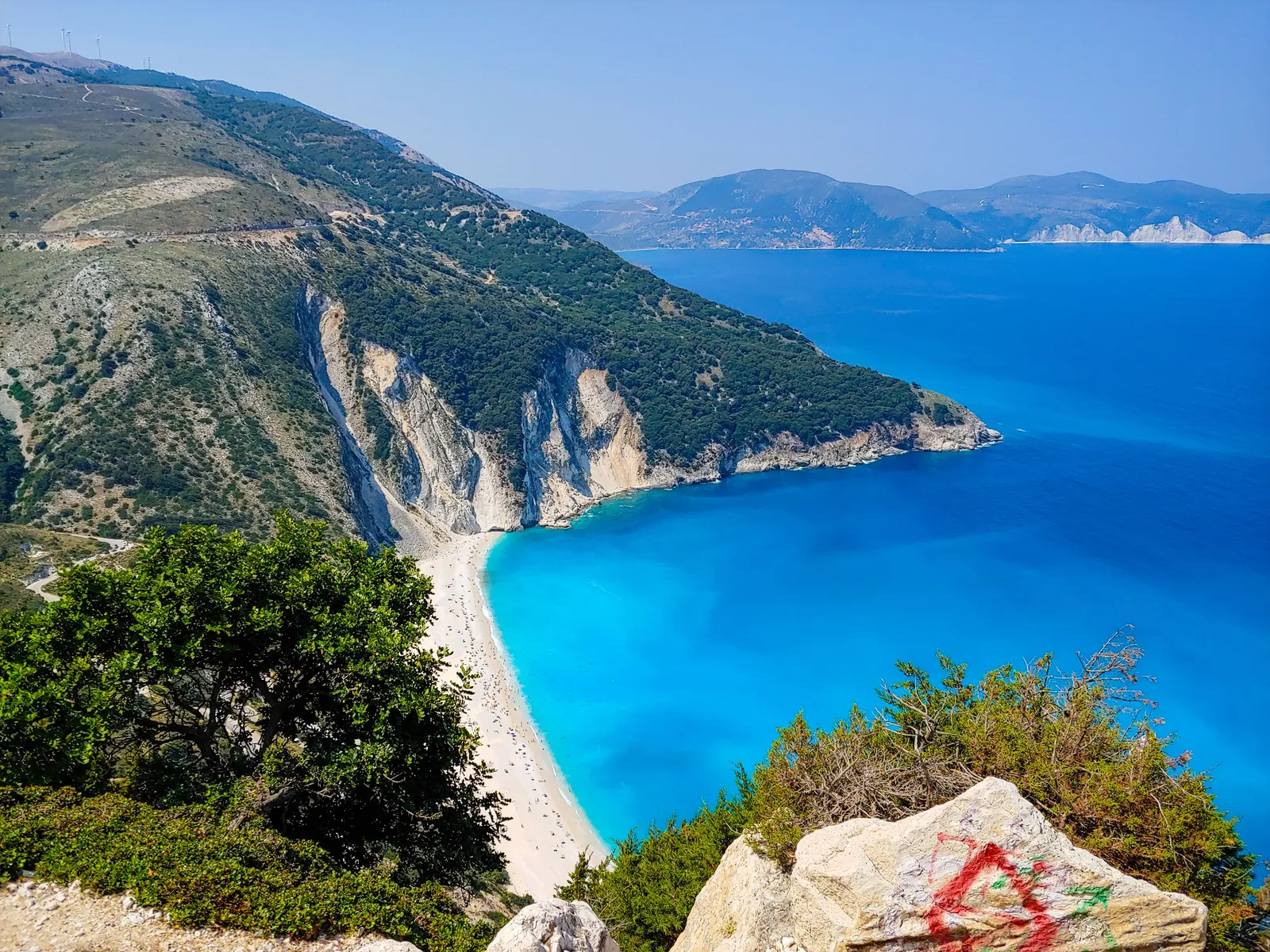
The eastern side, facing the open Aegean, is the dramatic one. Cliffs, coves, bigger water, and villages perched high above the sea with long descents down to it.
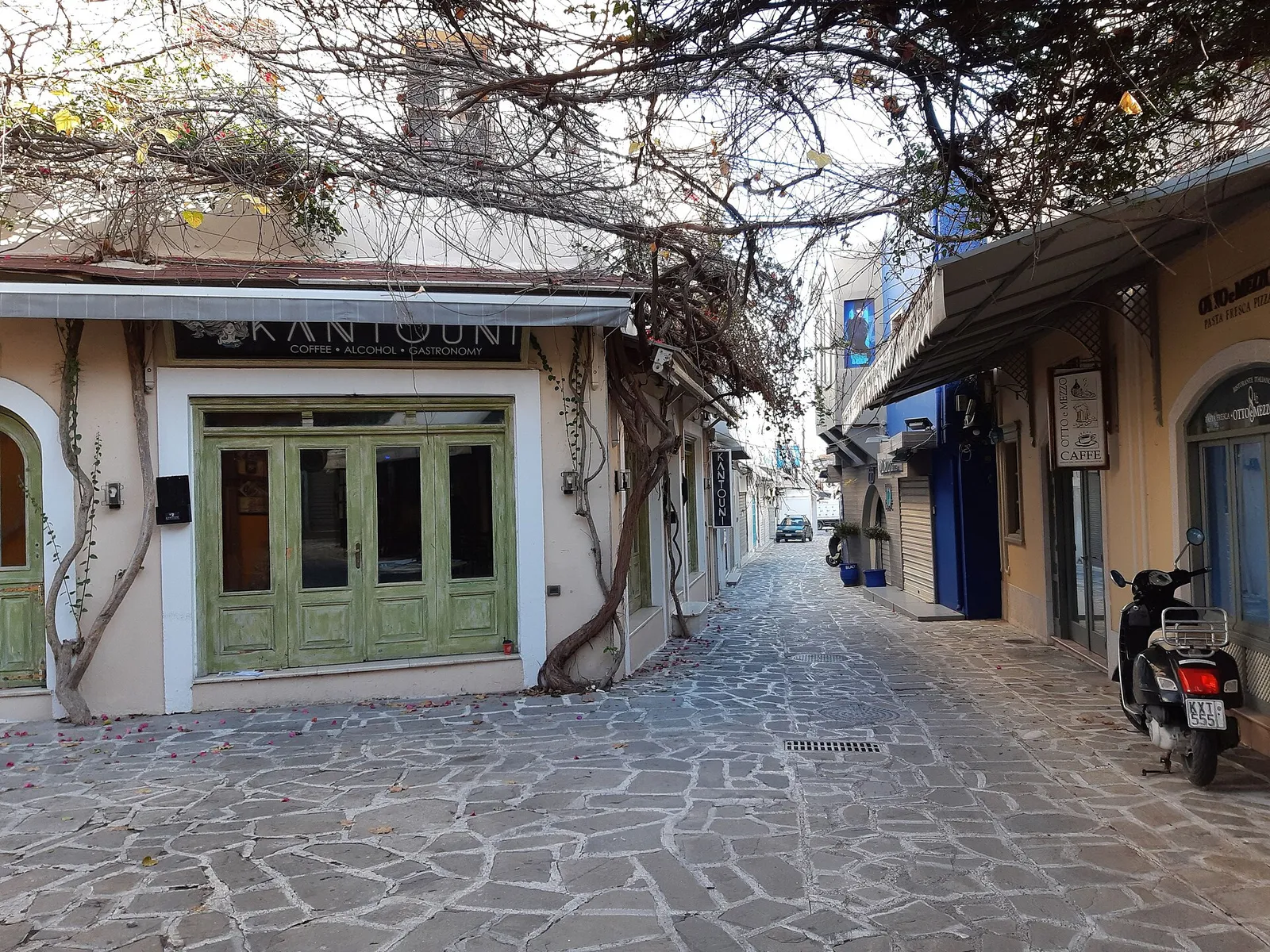
The villages in between, strung along the mountain, are the reason to come. Makrinitsa and Portaria sit above Volos with the classic balcony view over the gulf. Tsagarada spreads through the forest on the eastern flank. Milies holds the end of the railway line. They are built in the same stone and slate throughout, with mansions from the region’s prosperous merchant centuries and plane trees over the squares.
Driving it, which is the whole logistics question
You want a car. Our guide to car rental in Greece covers the practicalities of hiring and the documents involved, and it is worth reading before you book rather than at the desk.
Two things about these particular roads. They are mountain roads: steep gradients, tight turns, and stretches that are narrow with a drop on one side. Nothing about them is difficult at a sensible pace, and all of it is unpleasant if you are hurrying or driving something wider than you are used to.
And the descents to the beaches are the slow part. A cove that looks like ten minutes on the map is twenty-five minutes of switchbacks each way, and the last part of some of them is a track rather than a road. Plan one beach a day rather than three.
The railway
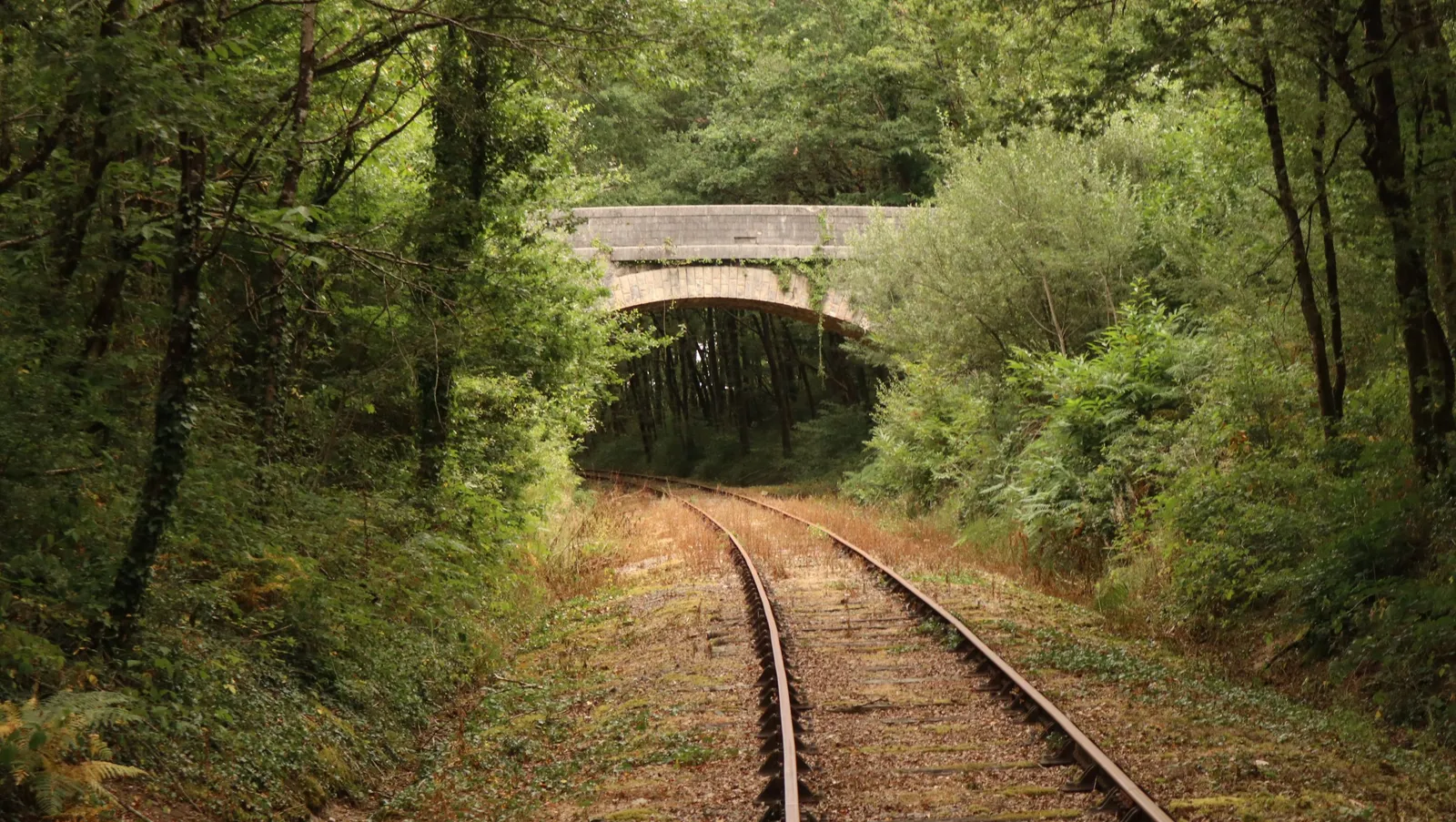
The narrow-gauge line from Volos up into the villages was built in the late nineteenth century, on a gauge small enough that the engineering is startling: tunnels cut through rock, stone viaducts across ravines, and a track ledge along the mountainside.
A section survives as a heritage service, running seasonally on limited days rather than as everyday transport, and it is a genuinely lovely couple of hours.
⚠️ Confirm the current schedule locally. Both the operating days and the section being run have varied between years, and it is not a service to build a day around on the basis of an article. Ask at your accommodation or in Volos.
The beaches on the eastern side
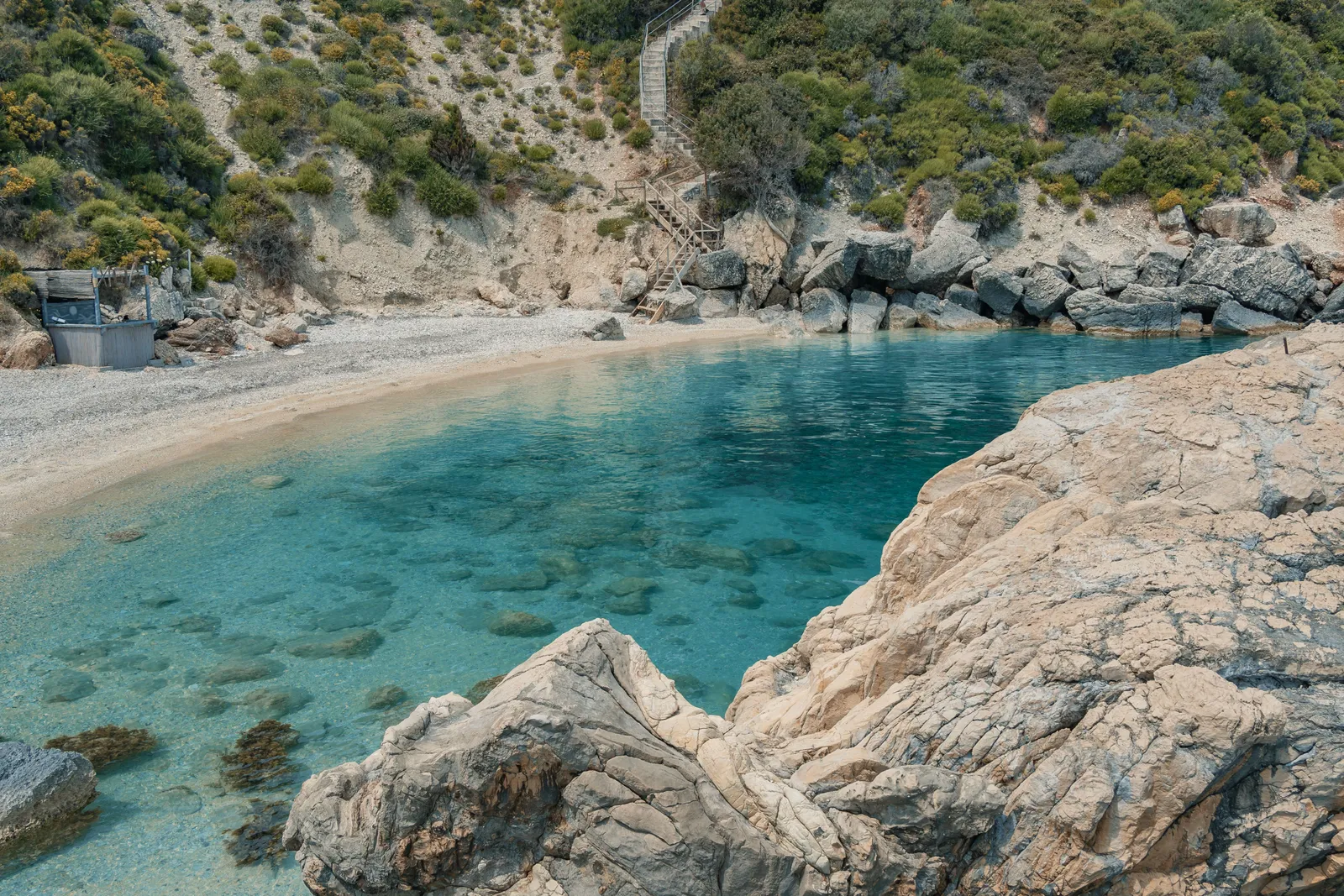
This is where Pelion surprises people. The Aegean side has a run of coves below the villages, several of which would be busy and famous if they sat on a Cycladic island.
They come in two kinds. Some are reached by road and have a taverna, a few umbrellas and parking. Others are reached by a steep path or a flight of steps down through the trees, and have nothing on them at all. The second kind are the ones worth the effort, and the effort is real: the walk back up in the late afternoon is the part nobody photographs.
Take water and shoes with grip, and go early if you want the cove to yourself.
Eating, which is a real reason to come
Pelion has its own kitchen, and it is not island food. The mountain produces chestnuts, apples, walnuts and herbs, the sea supplies the coast, and the region is known for spetzofai, a dish of sausage stewed with peppers, and for a local tsipouro culture where the drink arrives with a run of small plates rather than alone.
Village tavernas under a plane tree in the square, at a long lunch that turns into the afternoon, is the correct way to spend at least one of your days here. It is also considerably cheaper than eating on any of the islands.
When to come
Pelion is one of the few Greek destinations with a genuine year-round case.
Late spring and early autumn are ideal: warm sea, comfortable walking, everything open, nobody in the way.
Summer works and is busy, mostly with Greek visitors rather than foreign ones, and August is the peak.
Winter is real here, with a ski centre on the mountain and stone villages that suit cold weather and open fires, which is not something most of Greece offers.
Our guide to the best time to visit Greece sets out how the seasons work across the country, and Pelion is the exception that stays open when the islands have closed.
What to pair it with
Pelion sits in the middle of an under-used part of mainland Greece, and it combines naturally with two things.
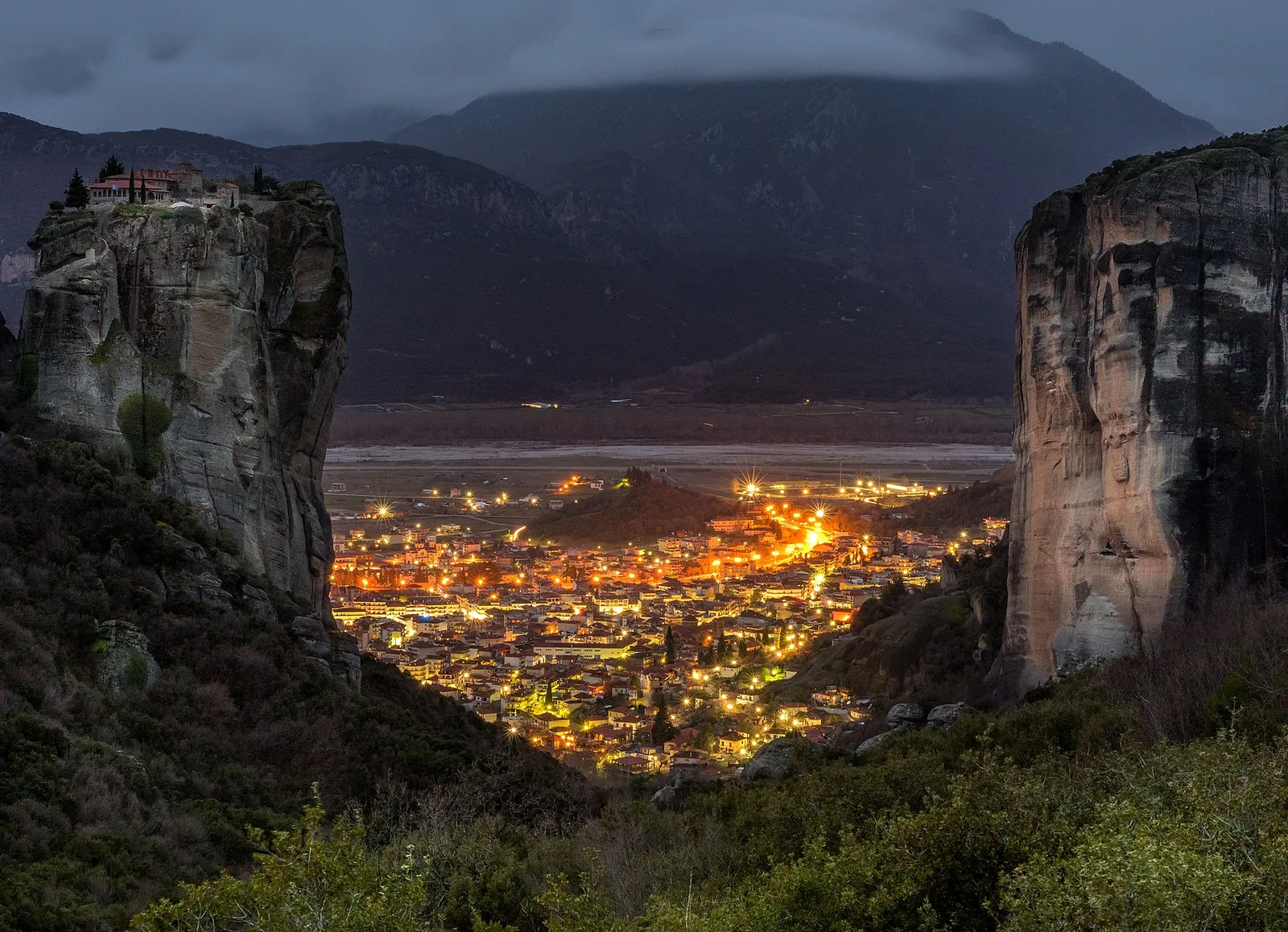
Meteora is inland and roughly a couple of hours away, and it is one of the most extraordinary sights in the country. Our guide to the Meteora monasteries covers the rock pillars and the monasteries built on top of them, and a Pelion plus Meteora week is a genuinely strong mainland trip.
The Sporades are directly offshore and are reached by ferry from Volos, which makes a mountain-and-island fortnight straightforward without a long transfer in the middle.
In one line: it is green, it is on the mainland, the Greeks kept it to themselves, and you need a car.