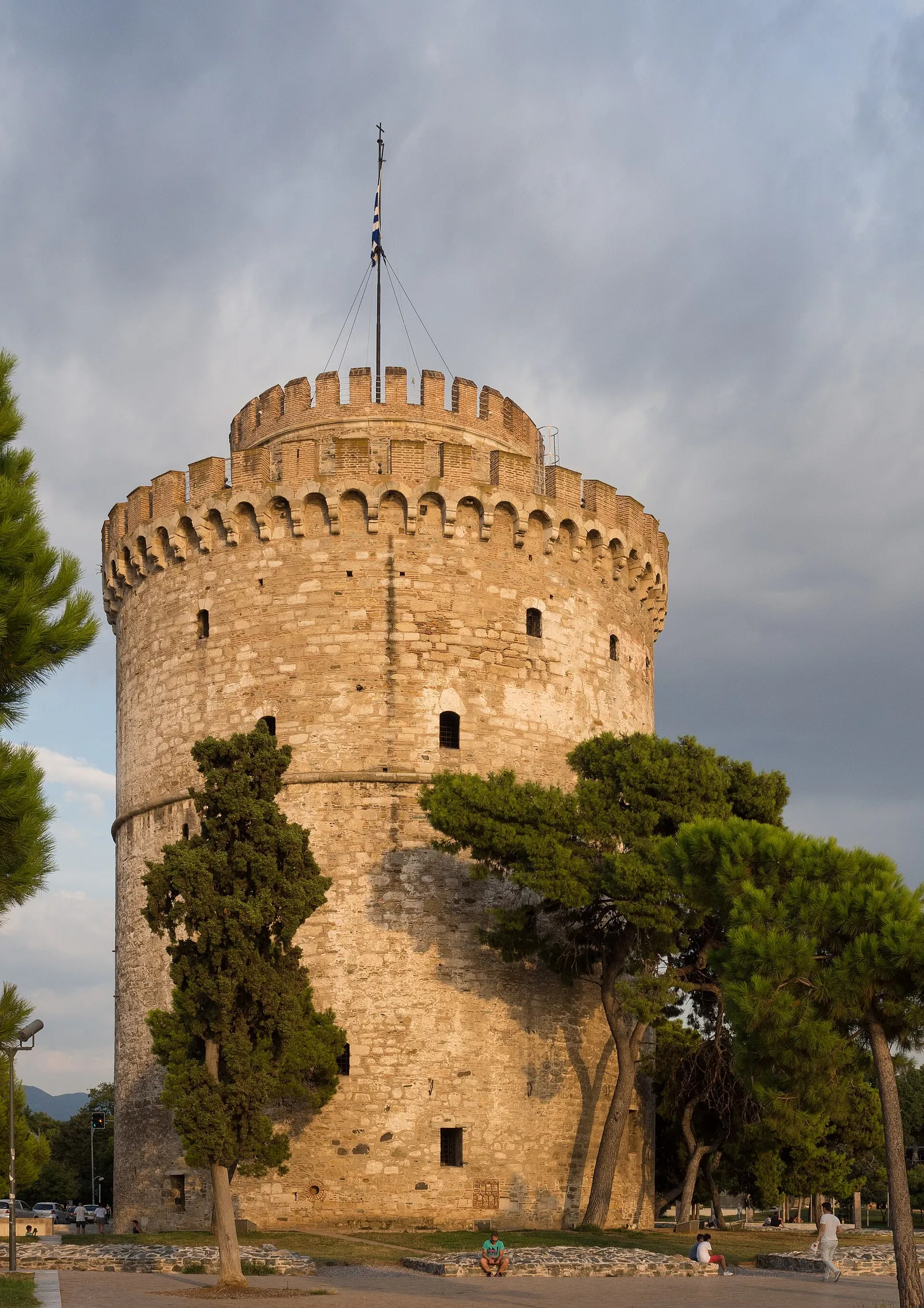
Athens explains ancient Greece. Thessaloniki explains everything that came after: Roman rule, Byzantine churches, Ottoman minarets, and one of the most significant Jewish communities Europe ever had, layered into a modern city that is young, noisy and proud of its food. It is Greece’s second city, built on a curving bay in the north, and it rewards anyone who gives it more than a single night on the way to somewhere else.
Visitors who arrive with modest expectations tend to leave won over. Thessaloniki has a large student population, a waterfront everyone actually uses in the evening, and a food scene plenty of Greeks rank above the capital’s. Underneath that energy sits something quieter and more serious: a Jewish history that shaped the city for centuries and was almost entirely destroyed within a few years. This guide covers both sides, from the White Tower to the old synagogue, so a first visit understands Thessaloniki rather than skimming past it.
Getting your bearings
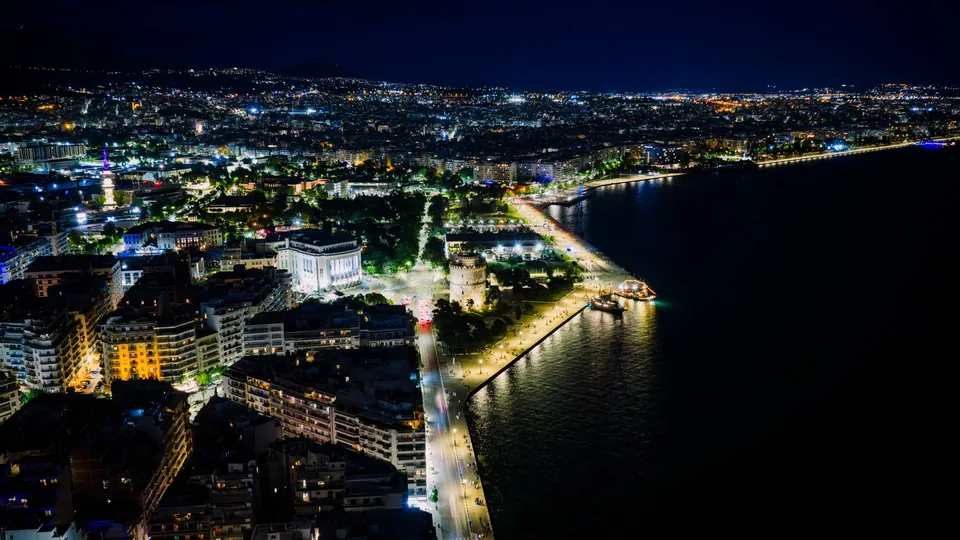
Thessaloniki slopes from its fortified upper town down to the sea, and the waterfront promenade is the spine everything else hangs off.
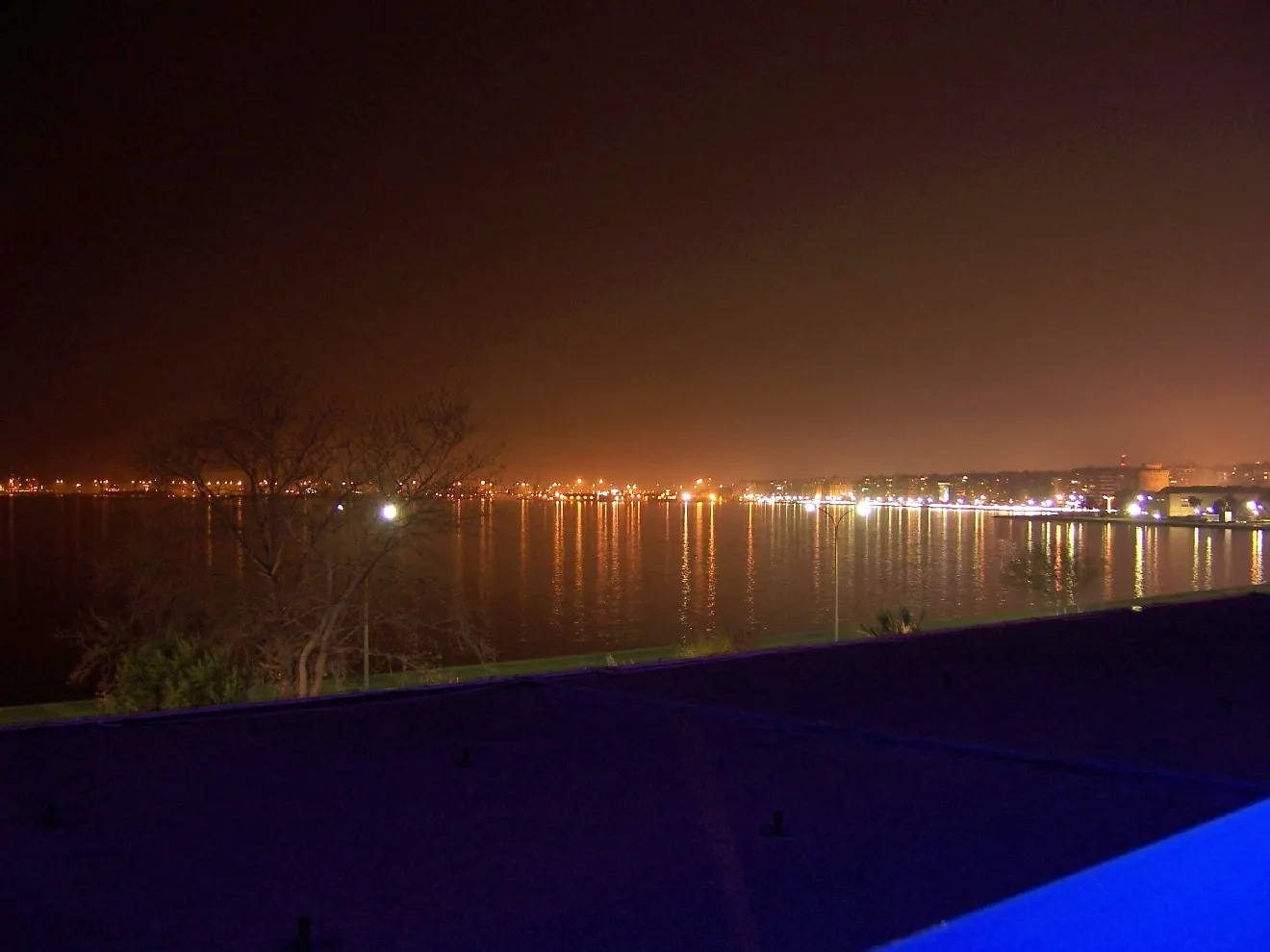
The White Tower and the seafront are the obvious starting point: the tower itself, a small museum inside, and a long promenade where much of the city turns out in the evening. Aristotle Square, a few streets back from the water, is the city’s grand civic square.
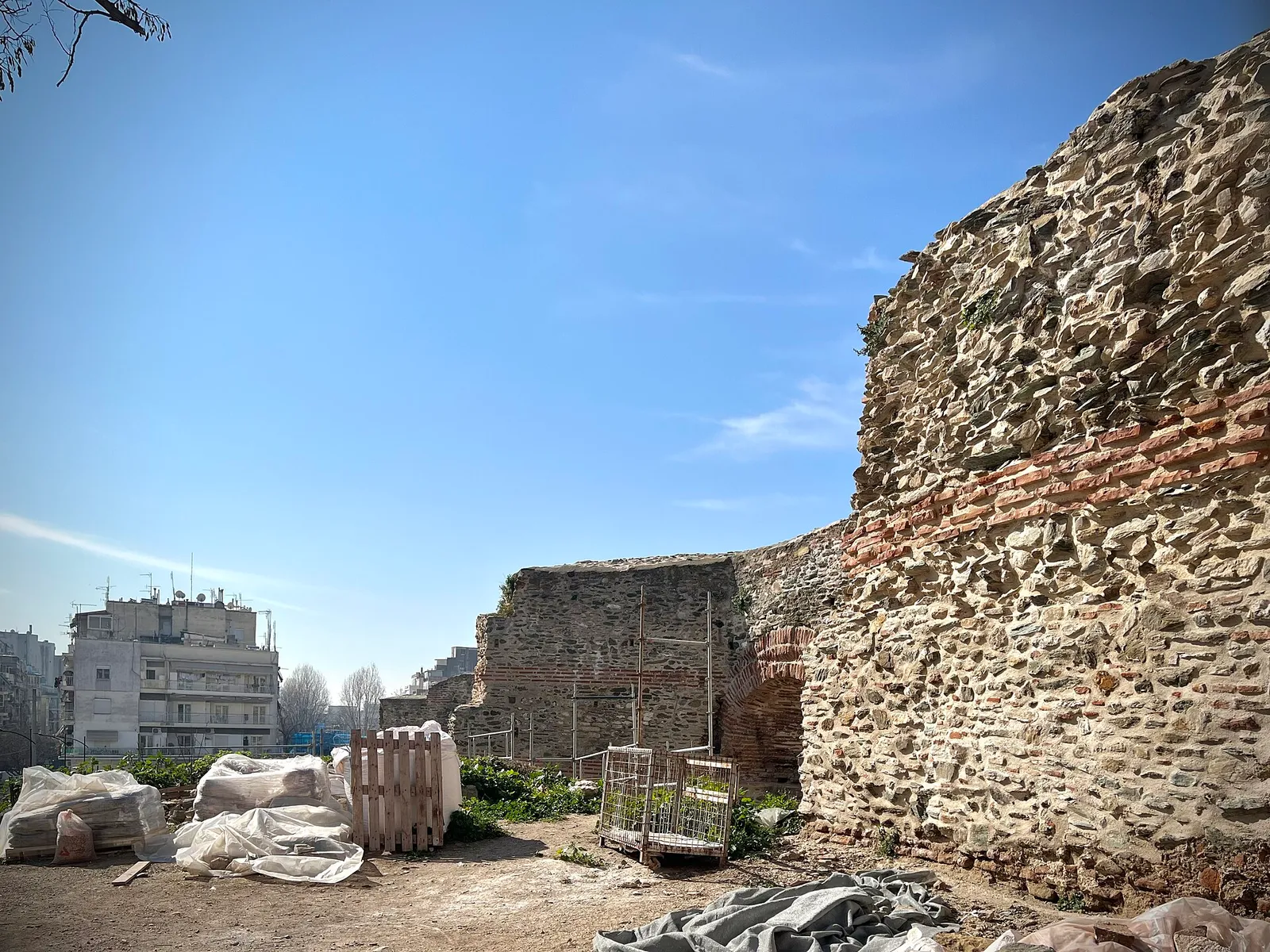
Above it sits Ano Poli, the old upper town, where Byzantine wall fragments survive and narrow cobbled lanes climb between traditional houses with overhanging timber floors. It is the quietest, most photogenic corner of the city, and the one most visitors reach last, if at all.
Ladadika, a former warehouse district of restored neoclassical buildings, holds much of the city’s best eating, while Valaoritou nearby is where the younger crowd heads after dinner. The centre is compact enough to cross on foot, though the climb to Ano Poli is steep and better tackled by bus in the afternoon heat.
The Jewish history of Thessaloniki
This is the part of the city that surprises most first-time visitors, and it belongs at the centre of any visit, not as a footnote to it.
For centuries, Thessaloniki was home to one of the largest and most influential Jewish communities in the world, earning it the nickname “the Jerusalem of the Balkans.” Sephardic Jews expelled from Spain settled here from the late fifteenth century onwards, and their descendants, who spoke Ladino, made up a substantial share of the city’s population well into the twentieth century. That community was almost entirely destroyed during the Holocaust, and Thessaloniki lost the great majority of the Jewish population it had held for over four hundred years.
That history is present in the city today, not sealed away in the past. The Jewish Museum of Thessaloniki tells the story through photographs, documents and personal objects, and is the natural starting point for understanding how central this community once was to the city’s life. The Monastirioton Synagogue, built in the 1920s, is one of the few synagogue buildings to have survived and remains an active place of worship. A Holocaust memorial and the site of the former Jewish cemetery, now largely built over by the university campus, complete a picture Thessaloniki has, in recent years, worked to preserve and explain properly.
Byzantine and Roman heritage
Thessaloniki carries its ancient and medieval layers through the middle of the modern city, not fenced off on its edge.
The Arch of Galerius, known locally as Kamara, is a fourth-century Roman triumphal arch standing over a pedestrianised street still busy with daily life. Beside it sits the Rotunda, a vast circular brick building that has served as a Roman mausoleum, an early Christian church and an Ottoman mosque, its minaret still standing above the surrounding rooftops.
The city’s Byzantine churches are collectively a UNESCO World Heritage site. Agios Dimitrios, dedicated to the city’s patron saint, is the most striking, with a crypt beneath the main hall worth the detour on its own. Entry to most of the Byzantine churches is free, making this one of the richest, least expensive mornings in Thessaloniki.
Food and nightlife
Food is where Thessaloniki genuinely stands out, and plenty of Greeks rank it above Athens without much hesitation.
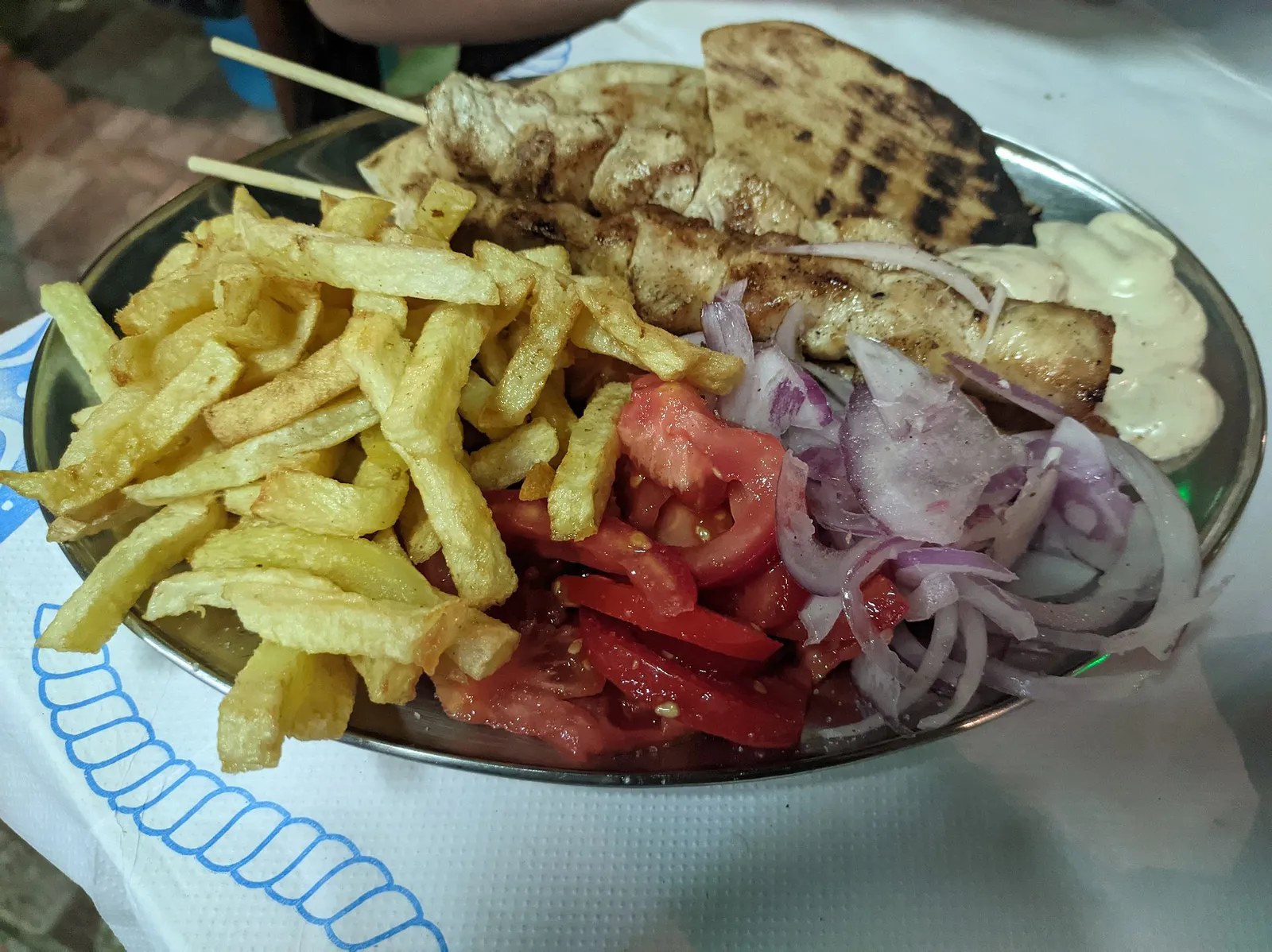
The covered Modiano Market and the stalls around it sell fresh produce, cheese and seafood, and the restored warehouses of Ladadika are full of tavernas doing serious northern Greek cooking. For a proper sense of what the country eats and how a taverna table works, our Greek food guide is worth reading before you order.
Bougatsa, a filled filo pastry eaten warm for breakfast, is the local speciality, worth seeking out from an older bakery with a queue of locals rather than a tourist-facing chain. In the evening, Valaoritou fills with a young, university-age crowd that keeps its bars going well past midnight. Thessaloniki is a student city first, and that shapes its nightlife more than anything else.
Getting around the city
Thessaloniki is one of the easiest Greek cities to explore on foot, and walking is genuinely the best way to see it.
The historic centre is dense enough that the stretch from the White Tower through Aristotle Square to the Arch of Galerius and the market is covered on foot in one outing. The one real exception is the climb to Ano Poli, steep enough in summer heat that a bus or taxi up, followed by a walk back down through the lanes, is more comfortable. July and August are hot and humid this far north, so mornings and the hours after five are the better times to walk.
Parking in the centre is expensive and limited, so a hire car is more burden than help in the city itself, useful mainly for day trips below. A bus or taxi covers the run from the airport into the centre; check current fares and journey times with your hotel rather than assume a fixed price.
Day trips and fitting Thessaloniki into a trip
Thessaloniki’s other advantage, easy to miss on a short visit, is that it works as a base for northern Greece, not only as a city stop.
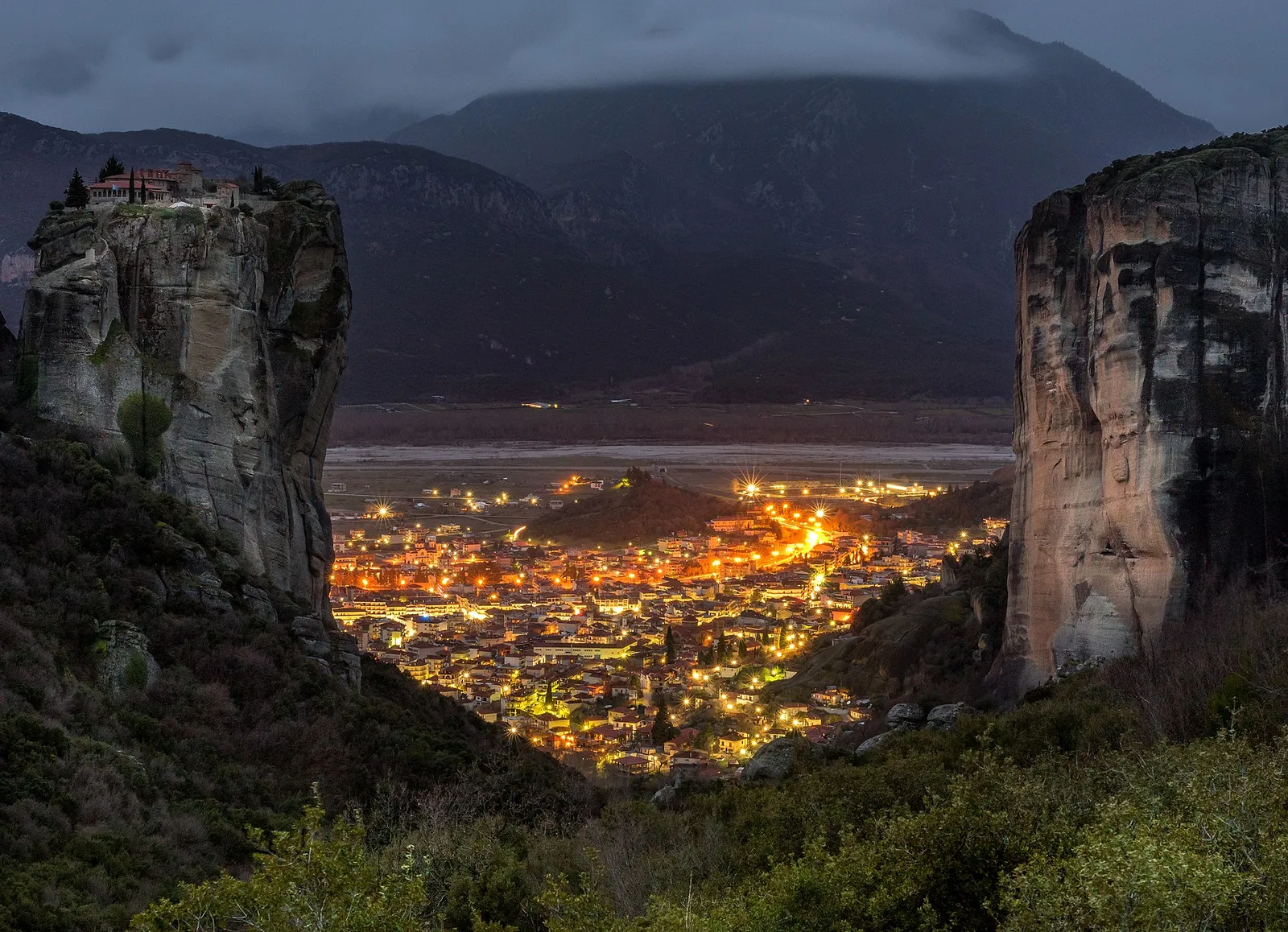
The Halkidiki peninsula, with its turquoise coastline and pine forests across three finger-shaped stretches of land, is the nearest option and turns Thessaloniki into a genuine beach alternative for anyone who would rather skip island ferries. Meteora, with its monasteries perched on sandstone pillars, is further away and rewards an overnight stay more than a rushed day trip, though both are manageable from here. Always check current journey times and bus frequency against the operator before fixing a date, since schedules shift between summer and winter.
Three full days is a solid amount of time for the city: one for the centre and the Jewish heritage sites, one for Ano Poli and the Byzantine churches, and one for the food scene or a day trip into the surrounding region. For a sense of how everyday costs here compare with the rest of the country, our Greece budget guide breaks down where the money in a typical trip goes. Give Thessaloniki at least two full days rather than a stopover, and it tends to be one of the most rewarding cities in Greece, precisely because so few visitors expect that going in.