Crete is too big to see in one trip, and trying is the standard mistake. The island is more than two hundred and fifty kilometres end to end, with a mountain spine down the middle, and the drive between the far west and the far east eats a day in each direction.
So take a half. The west gives you the prettiest old town on the island, the deepest gorges in Europe, a lagoon that looks tropical, and a food culture that is genuinely distinct from the rest of Greece. Five days and a hire car is the right shape. Start with the Crete guide and the where to stay in Crete guide.
Itinerary at a glance
| Day | Area | Signature experience |
|---|---|---|
| 1 | Chania | The Venetian harbour after the day visitors leave |
| 2 | The gorges | Samaria to the Libyan sea, or Imbros in half a day |
| 3 | Balos and Gramvousa | A lagoon and a Venetian fortress on a rock |
| 4 | Rethymno and the Amari valley | Mountain villages where the menu is what they cooked |
| 5 | Cooking and the land | A farm kitchen, olive oil and hillside herbs |
Day 1: Chania
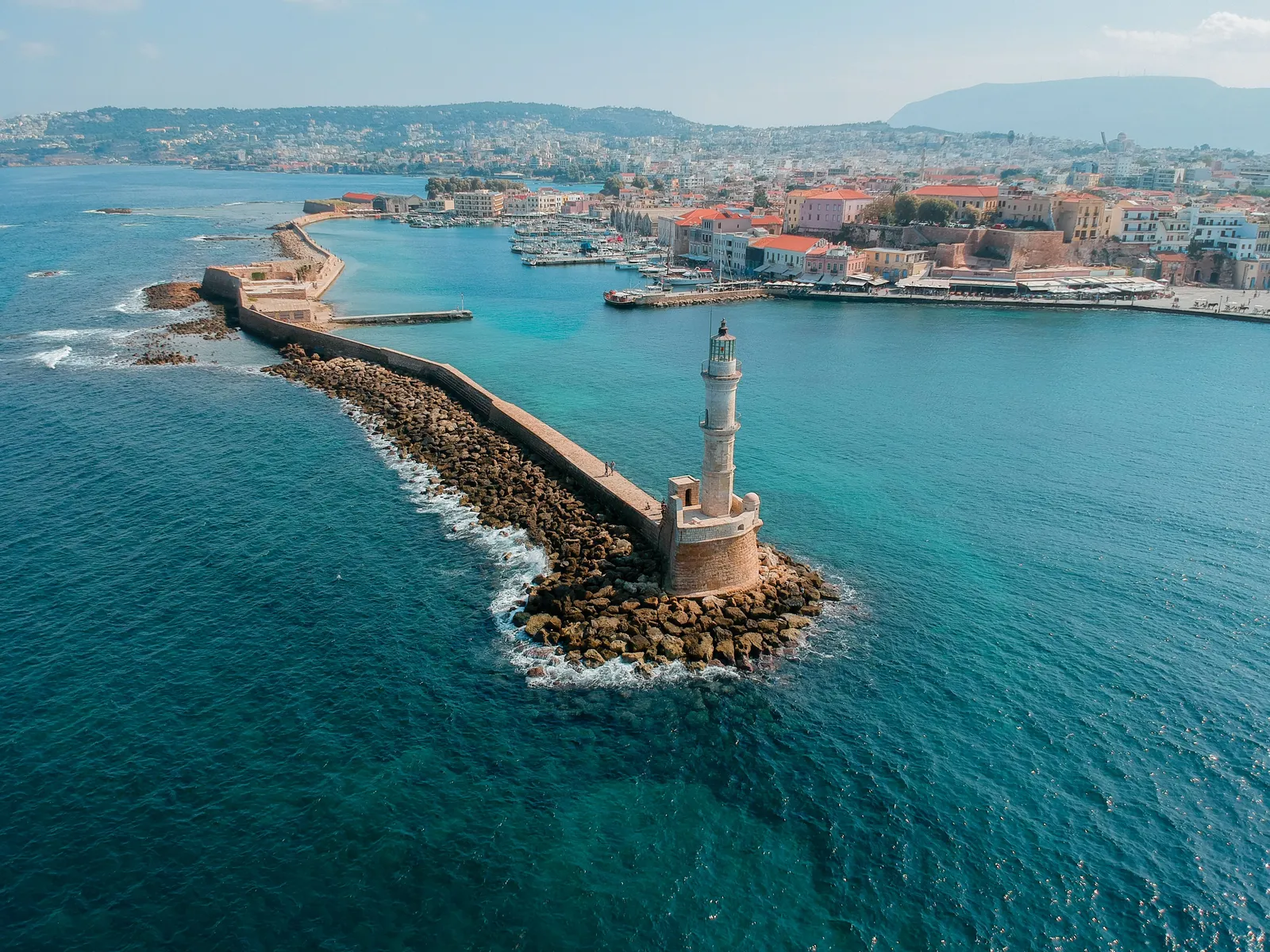
Chania’s old town is a stack of everyone who ever held it. Venetian arsenals along the harbour, an Ottoman mosque on the waterfront, a lighthouse on the mole that you can walk out to. Behind it, the tanneries quarter at Halepa and a covered cross shaped market hall that is still a working market rather than a souvenir stop.
Eat dakos, a barley rusk soaked just enough, piled with grated tomato, olive oil and mizithra cheese. It is the Cretan dish and it is vegetarian.
Wow moment of the day, and it is a custom rather than a place: at the end of almost any meal here, raki and a small dessert arrive that you did not order and will not be charged for. This is not a gesture aimed at tourists. It happens in village kafeneia with no visitors in them, and refusing it politely is harder than accepting.
Stay into the evening. The old town empties of day trippers around six and becomes a different place entirely.
Day 2: The gorges
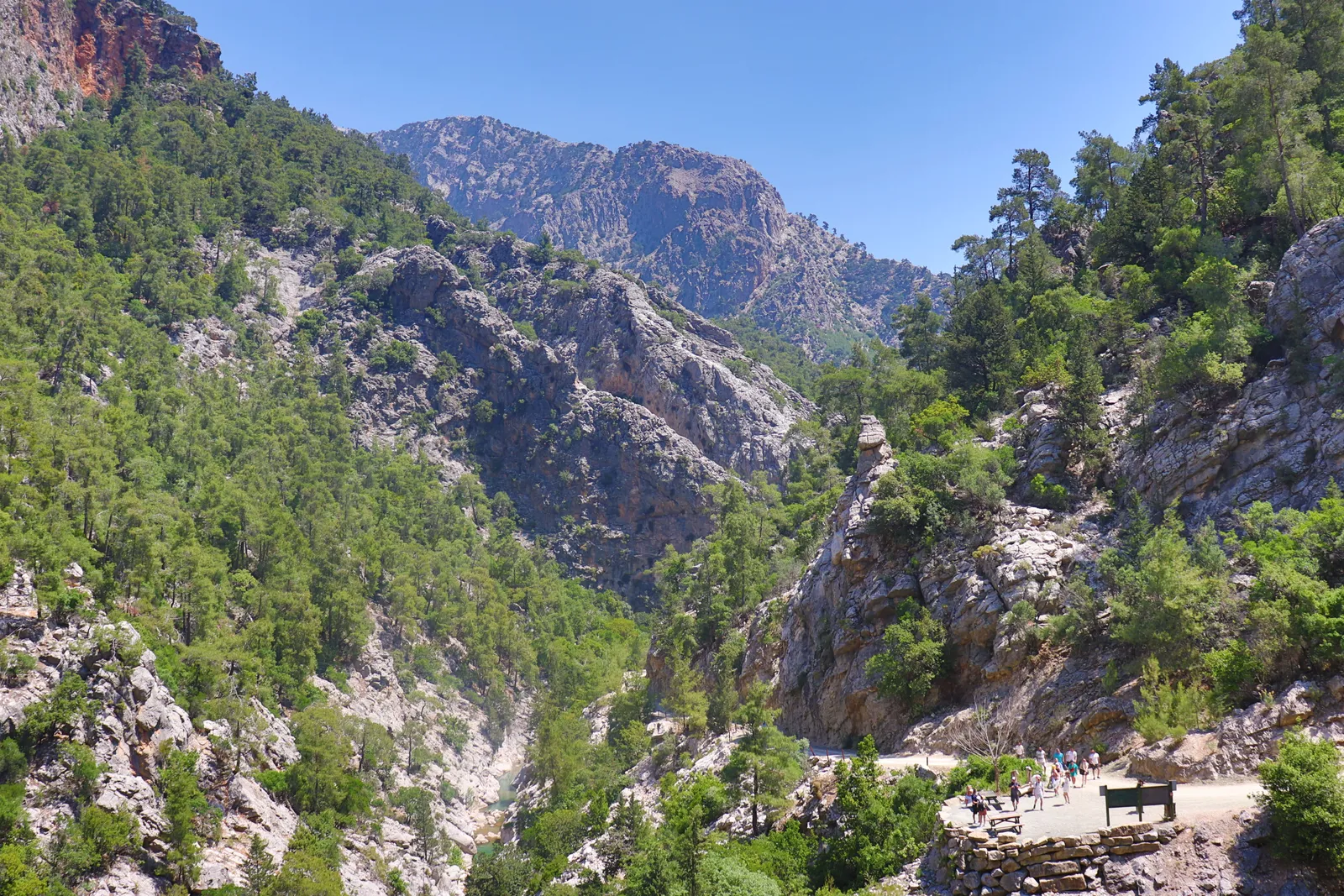
Samaria is the serious one: roughly sixteen kilometres, one way, downhill from the Omalos plateau through the Iron Gates to the Libyan sea at Agia Roumeli, where you catch a boat out to Chora Sfakion because there is no road.
Honest safety note, and please take it seriously: this is a full day hike, not a walk. It needs proper footwear, several litres of water and an early start. The gorge is closed in winter and closed at short notice in heavy rain or fire risk, and it is closed to anyone arriving too late in the day to finish. Check the day’s status before you drive up.
Imbros is the alternative and a good one: a much shorter gorge, a couple of hours, dramatic narrows, and no boat logistics at the end. Families and anyone short of time should take it without feeling they have compromised.
Day 3: Balos and Gramvousa
Balos is a shallow lagoon on the northwest tip where three shades of water meet a sandbar, with the Venetian fortress island of Gramvousa and a rusting shipwreck offshore.
Two ways in, and the choice matters. The boat from Kissamos takes in Gramvousa and the wreck as well, and is the straightforward option. The land route is an unsurfaced track that most hire agreements explicitly exclude, followed by a steep descent on foot. Damage sustained on that track is a common and expensive argument at the drop off desk, so read your contract rather than the forum post.
Honest note: Balos in August is beautiful and busy, and the lagoon is very shallow, so it warms up and it is not the place for a proper swim. Elafonisi in the southwest, with its pink tinged sand, is the other famous one. See Balos and Elafonisi.
Day 4: Rethymno and the Amari valley
Rethymno has the third of Crete’s Venetian old towns, smaller than Chania and with a huge fortress on the headland above it, and it makes an easy morning.
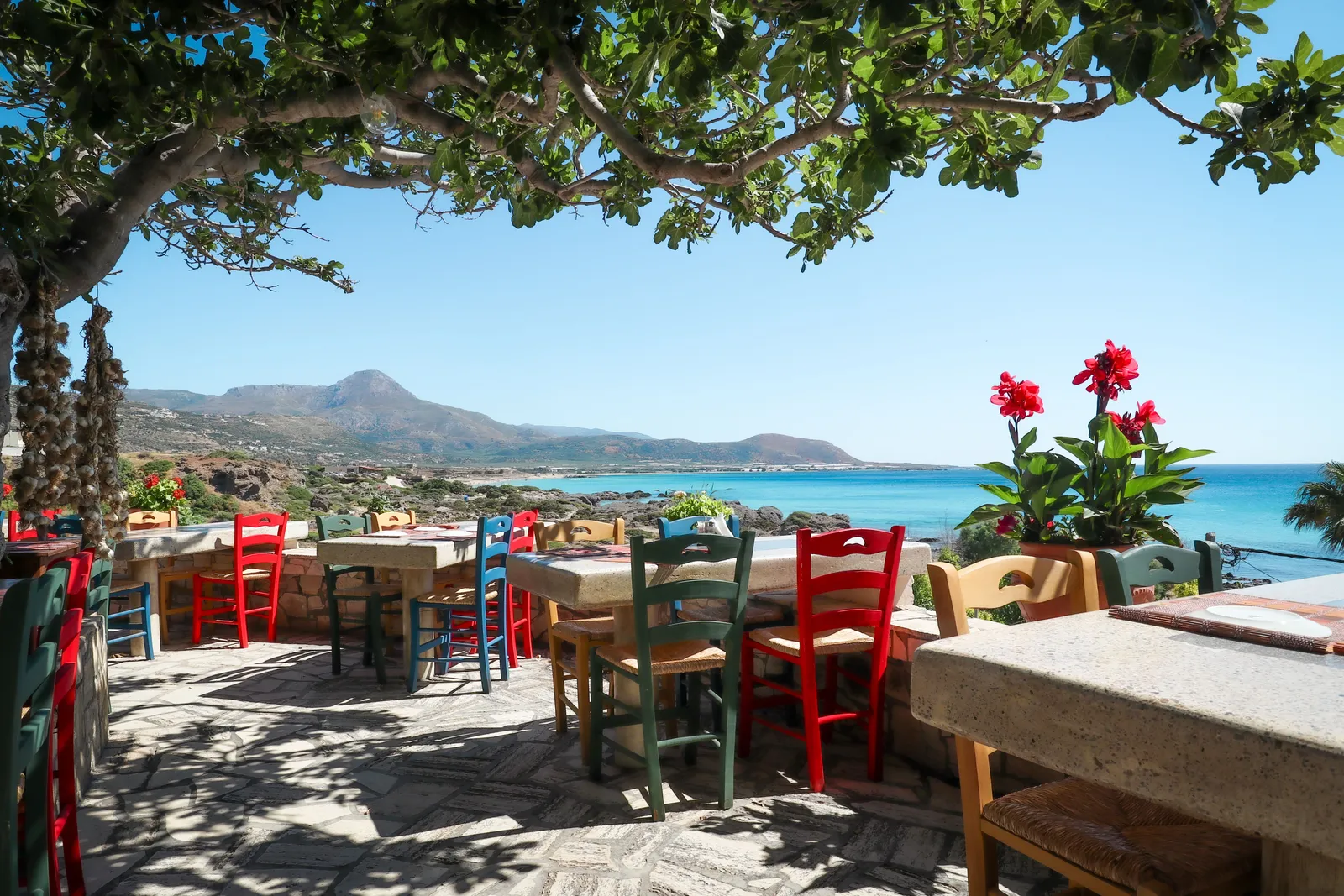
The afternoon is the point. Turn inland into the Amari valley under Mount Psiloritis, where the villages are working villages, the churches have frescoes, and the tavernas do not have menus. You eat what was cooked that morning, which is usually a pot of something with greens, beans or goat, plus bread, cheese and whatever is in season.
Wow moment of the day: ordering by walking into the kitchen and pointing, which is still normal practice up here.
On the south coast below, Preveli sits where a palm lined river meets the sea, reached by a steep path down from the parking above.
Day 5: A day in the kitchen
The Cretan diet is one of the most studied food cultures in the world, and the best way to understand it is a morning on a farm rather than an evening in a restaurant.
Farm cooking classes across the west typically start with a walk to pick greens and herbs, move on to olive oil and cheese, and end with eating what you made. Expect dolmades, wild greens, a cheese pie and rusks. Wow moment of the day: the wild greens, which are picked from the hillside rather than bought, and which almost every Cretan household still gathers seasonally.
If you would rather spend the last day on the water, the boat to the small south coast villages of Loutro and Sfakia, reachable only by sea or on foot, is the other good use of it.
Where to base yourself
Chania for all five nights is the right answer for most people. It is the nicest place to come back to, it has the best eating on this half of the island, and everything here is within a day’s reach of it. Rethymno works if you want to split the difference with the centre of the island, and it is the better base if you are continuing east afterwards. Chora Sfakion or Loutro on the south coast are worth a night in themselves if you are hiking Samaria, because it saves the drive back over the mountains at the end of a very long day. Avoid basing yourself in the resort strip east of Chania if you can, since it puts you on the main road rather than in the old town.
Practical tips
- You need a car. The gorges, the mountain villages and the west coast beaches are not served usefully by bus. See car rental in Greece.
- When to go: May, June, September and October are ideal. The gorges close in winter, and August is both hot and crowded. See the best time to visit Greece.
- Hiking safety: carry water, tell someone your plan, and know that mobile coverage is patchy in the gorges. See emergency numbers in Greece and travel insurance for Greece, and check that your policy covers hiking.
- The east: Knossos, Elounda and the Lasithi plateau are a separate trip. See Knossos.
- Food: the island’s dishes are worth knowing before you order. See the Greek food guide.
- Beaches: for the wider picture, see the best beaches in Greece.